Liberty Mutual Car Rental Coverage: A Comprehensive Guide for 2026
Liberty Mutual car rental coverage primarily functions in two ways: Rental Car Reimbursement, an optional endorsement that pays for a rental while your vehicle is repaired after a covered claim, and the extension of your existing polic...
Liberty Mutual car rental coverage primarily functions in two ways: Rental Car Reimbursement, an optional endorsement that pays for a rental while your vehicle is repaired after a covered claim, and the extension of your existing policy, which applies your current liability and physical damage protections to a rental car used for personal travel within the U.S. and Canada.
Contents
Understanding how Liberty Mutual handles rental vehicles is essential for both daily commuters and vacationers. Navigating the intersection of personal insurance, rental company waivers, and credit card benefits can be complex. In 2026, with the rising costs of vehicle repairs and the evolution of "Loss of Use" fees charged by rental agencies, ensuring you have the correct endorsements is more critical than ever.
The Two Pillars of Liberty Mutual Rental Coverage
To accurately assess your protection, you must distinguish between why you are driving the rental car. Liberty Mutual categorizes these scenarios into two distinct buckets: coverage because your car is in the shop, and coverage because you are traveling.
1. Rental Car Reimbursement (The Optional Endorsement)
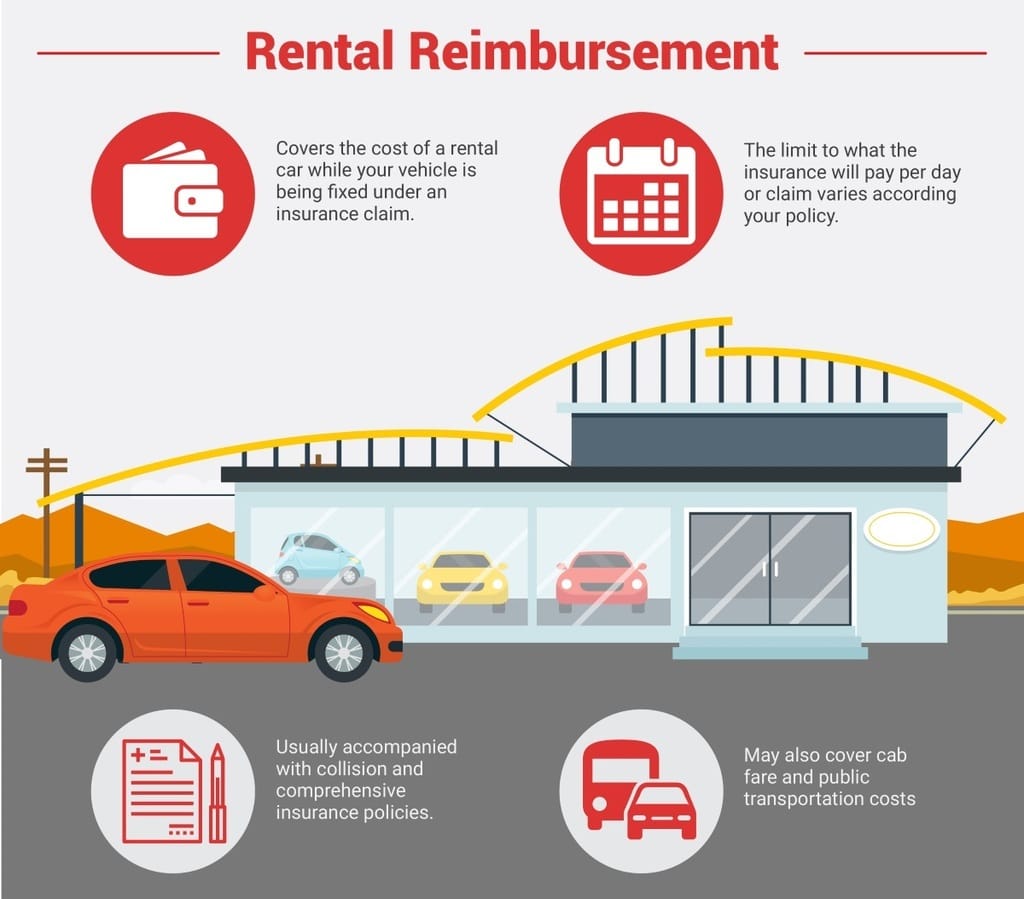
This is an add-on to your standard auto policy. If your insured vehicle is involved in a covered accident—such as a collision or a comprehensive claim like theft or fire—and is rendered undrivable or is undergoing repairs, Liberty Mutual will reimburse you for the cost of a rental vehicle.
It is important to note that this does not cover rentals for vacations or business trips. It is strictly a "transportation expenses" benefit triggered by a loss. In 2026, Liberty Mutual typically offers tiered reimbursement levels, such as $30 per day up to a $900 maximum, or higher limits for those who require larger vehicles like SUVs or minivans to accommodate families.
2. Extension of Existing Coverage for Personal Travel
If you are renting a car for a vacation or personal trip, Liberty Mutual generally extends your current policy’s protections to that "non-owned auto." This means:
- Liability Coverage: If you cause an accident in the rental, your Liberty Mutual liability limits apply to the injuries or property damage of others.
- Collision and Comprehensive: If you carry these on your personal vehicle, they typically follow you to the rental car, subject to your standard deductible. If you only have liability on your personal policy, you will have no physical damage protection for the rental vehicle through Liberty Mutual.
Determining Your Specific Coverage Limits
When you step up to a rental counter, the agent will often pressure you to purchase their internal insurance products. To decide effectively, you must know your Liberty Mutual declarations page details.
Liability Limits and the Rental Car
If you carry the state-minimum liability limits, those same low limits will apply to your rental. In 2026, with rising medical costs and vehicle valuations, many experts suggest maintaining at least $100,000/$300,000 in bodily injury liability. If your Liberty Mutual policy is robust, you likely do not need the "Supplemental Liability Insurance" (SLI) offered by the rental company.
Deductibles and Physical Damage
If you crash a rental car, Liberty Mutual will pay for the repairs minus your deductible. If your deductible is $1,000, you are out-of-pocket for that first $1,000. Rental agencies often sell a "Collision Damage Waiver" (CDW) that reduces this deductible to zero. While Liberty Mutual provides the core coverage, the CDW provides the "convenience" of not paying a deductible and avoiding a claim on your insurance record.
The "Loss of Use" and "Diminished Value" Gap
One of the most significant risks when relying solely on Liberty Mutual for a rental is "Loss of Use." When a rental car is in the shop, the rental agency loses daily revenue. They will often bill you for these lost days. Many standard personal auto policies, including some older Liberty Mutual forms, may not fully cover these administrative fees or the "diminished value" (the loss in the car's resale value due to the accident). Before declining the rental counter’s CDW, verify if your specific Liberty Mutual plan has been updated to include these specific fleet-owner charges.
Liberty Mutual Rental Coverage Comparison
The following table outlines how different Liberty Mutual components interact with rental scenarios in 2026.
| Feature | Rental Car Reimbursement Endorsement | Standard Policy Extension (Vacation) | Rental Counter CDW/LDW |
|---|---|---|---|
| Primary Purpose | Covers rental costs after a claim. | Protects you while driving a rental. | Waives your financial responsibility to the agency. |
| Triggers | An active claim on your own car. | Signing a personal rental contract. | Paying the daily fee (approx. $20-$40). |
| Deductible | Usually none for the reimbursement. | Your standard policy deductible applies. | Typically $0. |
| Geographic Limit | Domestic (U.S. and Canada). | U.S., Territories, and Canada. | Limited to the rental contract area. |
| Loss of Use Coverage | No. | Often limited or excluded. | Yes (Fully covered). |
| Business Use | No. | Often excluded or requires a rider. | Depends on contract type. |
Geographic and Usage Restrictions
Liberty Mutual’s protection is not universal. Understanding where the coverage stops is as important as knowing where it starts.
International Travel
With very few exceptions, Liberty Mutual car rental coverage does not extend outside of the United States and Canada. If you are renting a car in Mexico, Europe, or Asia, your domestic policy will not provide liability or physical damage protection. In these instances, purchasing insurance directly from the rental agency or using a high-end travel credit card with primary rental insurance is mandatory.
Business vs. Personal Use
If you are renting a vehicle for business purposes, your personal Liberty Mutual policy may exclude coverage. This is a common pitfall for "bleisure" travelers (those mixing business and leisure). If the rental agreement is in a corporate name or paid for by a business entity, the "non-owned auto" provision of a personal policy may be voided. Always check if your employer provides a corporate insurance secondary policy.
Vehicle Types and Exclusions
Liberty Mutual’s extension of coverage usually applies to standard passenger vehicles, SUVs, and light trucks. It rarely extends to:
- Moving Trucks: Renting a U-Haul or Penske truck typically requires separate insurance.
- Exotic/Luxury Cars: If you rent a Ferrari or a high-end Tesla in 2026, the value of the vehicle may exceed the "actual cash value" limits or specific exclusions in your personal policy.
- Peer-to-Peer Car Sharing: Services like Turo are sometimes classified differently than traditional agencies (like Hertz or Enterprise). While many Liberty Mutual policies have evolved to cover these, some older policy language still views "car sharing" as a commercial activity, which could jeopardize coverage.
How to Handle a Claim with a Rental Car
In the event of an accident involving a rental car, the process in 2026 is largely digital through the Liberty Mutual mobile app.
- Document the Scene: Take photos of the damage to the rental car and any other vehicles involved. Get a copy of the police report.
- Notify the Rental Agency: You must inform the rental company immediately. They will provide their own accident report form.
- File with Liberty Mutual: Use the app to start a "Non-Owned Auto" claim. You will need the rental agreement number and the agency's contact information.
- Manage the Deductible: If you do not have the rental company's waiver, Liberty Mutual will adjust the claim like a normal accident. They will pay the rental company directly for repairs, minus your deductible.
- Address Indirect Charges: If the rental company sends you a bill for "Loss of Use" or "Administrative Fees," forward these to your Liberty Mutual claims adjuster. They will determine if your specific policy tier covers these supplementary costs.
Expert Recommendations for 2026
For most Liberty Mutual policyholders, the following strategy provides the best balance of protection and cost-efficiency:
- Add Rental Reimbursement: If you do not have access to a second vehicle, this endorsement is inexpensive (often less than $5 per month) and saves you from a $500–$1,000 rental bill during a long repair.
- Check Your Credit Card: Many premium cards (Visa Infinite, Amex Platinum, Chase Sapphire Preferred) provide Primary or Secondary rental insurance. This can bridge the gap by covering your Liberty Mutual deductible or "Loss of Use" fees.
- Verify Limits Yearly: As car prices have inflated significantly leading into 2026, ensure your "Property Damage Liability" is high enough to cover the replacement of a modern electric vehicle, which can easily exceed $60,000.
Frequently Asked Questions
Does Liberty Mutual cover rental cars for Turo?
In 2026, most Liberty Mutual policies treat peer-to-peer car sharing similar to traditional rentals, provided the use is personal. However, because Turo’s terms of service have changed frequently, you should verify that your policy does not have a specific "Car Sharing Exclusion" before declining Turo’s internal protection plans.
If I have a $500 deductible, do I have to pay it for a rental car accident?
Yes. If you rely on your Liberty Mutual policy for a rental car, you are responsible for your collision or comprehensive deductible just as you would be if you were driving your own car.
Does Liberty Mutual rental reimbursement cover gas or security deposits?
No. The Rental Car Reimbursement endorsement only covers the daily rental rate and applicable taxes up to your daily limit. It does not cover fuel, security deposits, or optional upgrades like GPS or satellite radio.
Am I covered if I rent a car in Mexico with my Liberty Mutual policy?
No. Standard U.S. auto policies do not provide coverage in Mexico. Mexican law requires insurance from a company licensed to operate in Mexico. You must purchase this at the border or through the rental agency.
Does Liberty Mutual offer "Full Coverage" for rentals?
"Full Coverage" is a colloquial term. Liberty Mutual offers "Physical Damage" coverage (Collision and Comprehensive) which follows you to a rental. However, this is still subject to deductibles and policy limits, so it is not "full" in the sense of being cost-free in the event of an accident.
What happens if the rental car is stolen?
If you have Comprehensive coverage on your Liberty Mutual policy, it will typically cover the theft of a rental car, minus your deductible. If you only have Liability coverage, you would be personally responsible for the full value of the stolen vehicle unless you purchased the rental agency’s Theft Protection.
Practical Next Action
Before your next trip, log into the Liberty Mutual mobile app or website and download your Evidence of Insurance and Declarations Page. Specifically look for the "Non-Owned Auto" section. If you are unsure whether your policy covers "Loss of Use" fees, call a Liberty Mutual agent and ask: "Does my policy's physical damage coverage extend to a rental car's loss of use and administrative fees charged by a fleet owner?" If the answer is no, consider purchasing the rental agency's waiver for that specific trip.
Image Gallery