The Craft of Hair and Makeup in Theatre: A Comprehensive Guide to Stage Artistry
The craft of hair and makeup in theatre is the specialized practice of using cosmetic application, wig engineering, and prosthetic design to transform performers into characters. Unlike screen or fashion work, stage artistry prioritize...
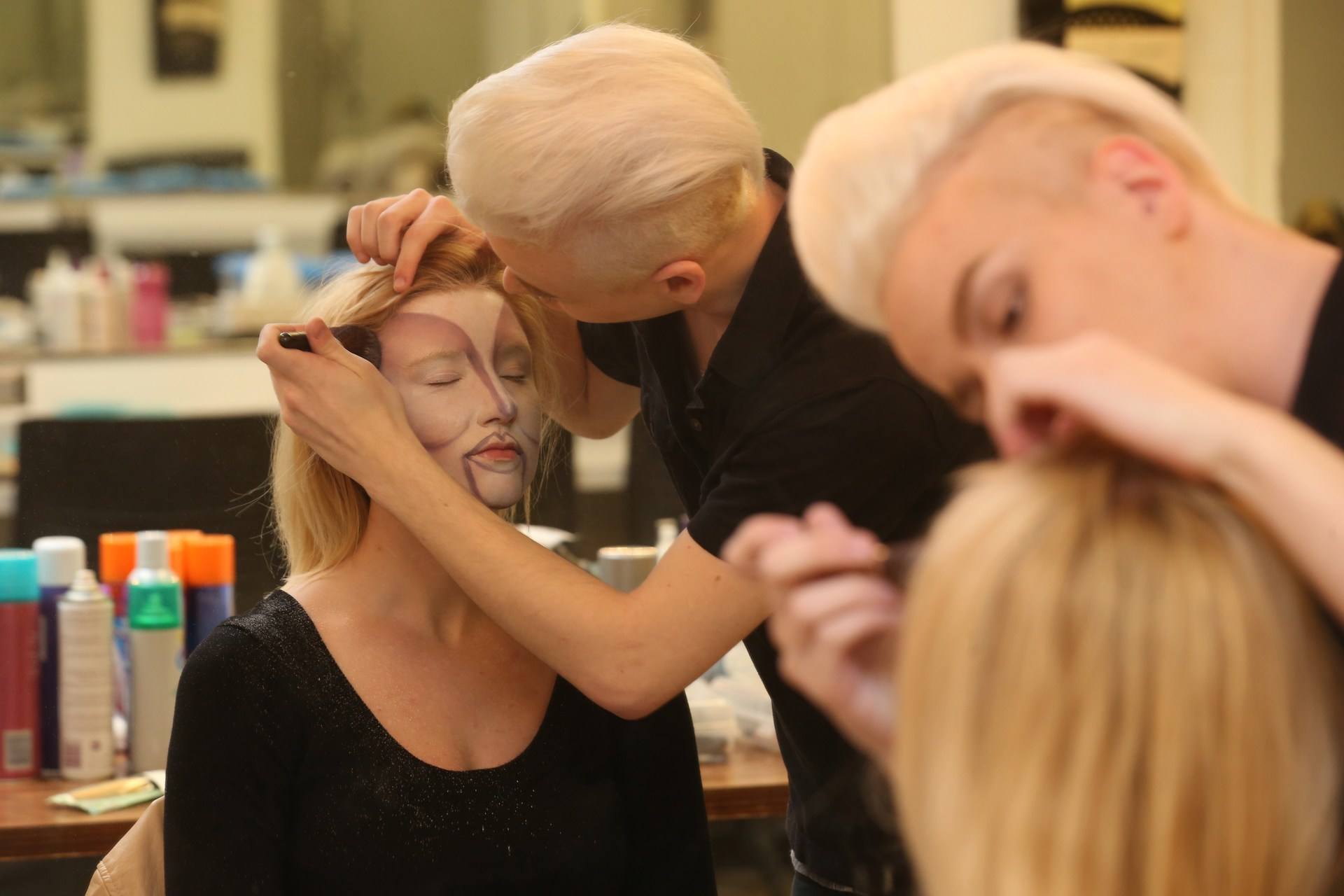
The craft of hair and makeup in theatre is the specialized practice of using cosmetic application, wig engineering, and prosthetic design to transform performers into characters. Unlike screen or fashion work, stage artistry prioritizes visibility from a distance, durability under intense heat, and seamless integration with lighting and costume design to support the production's narrative.
Contents
The Vital Role of the Hair and Makeup Designer
In a theatrical production, the hair and makeup designer does not merely "beautify" the actors; they are visual storytellers. The craft begins months before opening night, during the pre-production phase. A designer must conduct a deep analysis of the script to understand the psychological state, socioeconomic background, and physical environment of every character.
The designer works in a "triad of design" alongside the costume designer and the lighting designer. If the costume designer chooses a specific silk that reflects blue light, the makeup artist must ensure the foundation pigments do not turn "ashy" or grey under those specific conditions. As of 2026, this collaboration often involves digital rendering software to simulate how pigments will react to the LED lighting arrays that have become standard in modern venues.
Furthermore, the designer is responsible for the "Makeup Bible." This is a comprehensive document containing face charts, step-by-step application instructions, product lists, and wig maintenance schedules. For large-scale musical productions, this documentation ensures that the look remains consistent regardless of whether the primary actor or an understudy is performing.
Technical Requirements for the Stage Environment
Theatrical makeup is governed by the laws of physics and optics. Because the "front row" and the "nosebleed seats" must both perceive the character clearly, the artist must master the manipulation of light and shadow.
The Impact of Lighting and Distance
Stage lighting is significantly more intense than natural or office lighting. Standard theatrical lamps can wash out natural facial features, making an actor look like a flat, featureless mask. To counter this, the craft employs extreme contouring. Shadows are placed deeper in the hollows of the cheeks and temples, while highlights are applied more starkly on the brow bone and bridge of the nose.
By 2026, the transition to high-output LED lighting in theatres has required a shift in product formulation. Traditional greasepaints, while durable, can sometimes appear overly shiny under certain LED frequencies. Many designers now favor high-pigment cream-to-powder foundations or alcohol-activated palettes for a more matte, naturalistic finish that still carries the necessary weight for distance viewing.
Durability and Sanitation
A theatrical performance is an athletic event. Actors sweat, cry, and engage in physical combat, all while wearing heavy costumes. The makeup must be "bulletproof." This involves the strategic use of barrier sprays, which are applied before makeup to protect the skin and limit perspiration, and fixing sprays, which seal the final look.
Sanitation is the most critical technical requirement. To prevent the spread of pathogens, artists use stainless steel palettes and spatulas to "decant" products. Brushes are cleaned with 99% isopropyl alcohol between every use. In the post-pandemic landscape of 2026, these protocols are strictly enforced by union regulations (such as those from IATSE) to ensure performer safety.
The Art of Theatrical Wig Making and Maintenance
In many professional productions, particularly period pieces, the "hair" component is handled almost entirely through wigs. This is not for vanity, but for consistency and efficiency. A wig can be pre-styled to look identical every night, whereas natural hair is subject to humidity and damage from daily heat styling.
Ventilation and Custom Fitting
The pinnacle of the craft is the hand-tied lace-front wig. This process, known as "ventilating," involves using a tiny needle to knot individual strands of human or synthetic hair into a fine mesh base. A single high-quality theatrical wig can take over 40 to 60 hours of labor to complete.
The process begins with a "head wrap." The actor’s hair is flattened against their skull using pin curls or a wig cap, and then a plastic wrap and clear tape mold are created to capture the exact dimensions of their hairline and head shape. This mold is transferred to a wooden "wig block," ensuring the finished piece fits securely during high-energy dance numbers.
Period Accuracy
Hair is one of the most immediate indicators of time and place. A designer must be a historian. The difference between a 1780s Georgian "pouf" and an 1880s Victorian bustle-style updo is significant. In 2026, designers often utilize historical archives and digital museums to ensure that the silhouettes are accurate, even if the construction materials are modern and lightweight.
Special Effects and Prosthetics on Stage
Special effects (SFX) in theatre differ significantly from film. On a film set, a camera can cut away to allow for a "blood rig" to be set up. In theatre, the "magic" must happen in real-time, often in front of an audience or during a 30-second quick change.
Prosthetic Materials
Modern theatrical prosthetics typically use encapsulated silicone or foam latex. Silicone is preferred for its "flesh-like" movement, though it is heavier. Foam latex is lighter and more breathable, making it ideal for characters like the Grinch or the Beast in Beauty and the Beast, where the actor must perform a full musical score while wearing a full-face appliance.
Real-time Effects
The craft includes "theatrical blood" management. Designers must choose between different types of blood based on the surface:
- Dripping blood: Needs a honey or corn syrup base.
- Coughing blood: Must be food-grade and safe for ingestion.
- Scabbing blood: Needs a drying agent like cellulose.
By 2026, many productions have moved toward "dry" effects using specialized lighting or projection mapping to simulate wounds, though physical makeup remains the standard for close-proximity intimacy in smaller black-box theatres.
Operational Realities: The Quick Change
Perhaps the most stressful and technically demanding part of the craft is the "quick change." This occurs when an actor must transition from one character or look to another in under two minutes—sometimes as little as 30 seconds.
This requires the makeup to be designed for "layering." For example, a character who starts as a young man and must age 40 years during the intermission will have their "base" makeup applied in a way that allows the artist to quickly add stippled "liver spots" and deep-set wrinkles using cream sticks without the first layer sliding off. Wigs are often designed with "quick-release" clips or magnets to facilitate these transitions.
Comparison of Theatrical Makeup Mediums
| Medium | Best Use Case | Pros | Cons |
|---|---|---|---|
| Greasepaint | Traditional stage, heavy character work | High pigment, easy to blend | Needs heavy powdering, can clog pores |
| Cream Makeup | Modern naturalism, HD-ready stages | Mimics skin texture, breathable | Can "melt" if not properly sealed |
| Cake Makeup | Large casts, chorus, oily skin | Water-activated, fast application | Harder to blend for complex contouring |
| Alcohol-Activated | SFX, tattoos, waterproof needs | Smudge-proof, lasts multiple shows | Requires 99% alcohol to remove; drying |
| Supracolor | Highly pigmented detail, fantasy | Brilliant colors, smooth texture | Remains "wet" until set with powder |
Frequently Asked Questions
What is the difference between film and theatre makeup?
The primary difference is the distance of the observer. Film makeup is designed for the "macro" lens, requiring invisible blending and minimal product. Theatre makeup is designed for the "middle-to-far" distance, requiring exaggerated features, bolder colors, and much higher durability to withstand sweat under stage lights.
Do theatre actors do their own makeup?
In many professional settings, the designer creates the look and the actor is trained to execute it themselves for every performance. However, for complex character changes, prosthetics, or high-budget Broadway/West End productions, a dedicated "running crew" of hair and makeup artists handles the application.
How do you become a theatrical hair and makeup designer?
Most professionals enter the field through a combination of cosmetology school and a University degree in Technical Theatre (BFA or MFA). Building a portfolio of production photos and serving as a "wig runner" or apprentice in regional theatres is the standard path to entry as of 2026.
Is theatrical makeup bad for the skin?
If applied and removed correctly, it is safe. Professional brands like Kryolan or Ben Nye formulate products for long-wear safety. The "damage" usually comes from improper removal. Professional artists use oil-based cleansers to break down the wax and pigment, followed by a secondary cleanser to clear the pores.
Why are wigs used instead of an actor's natural hair?
Wigs provide consistency. Natural hair reacts to humidity, sweat, and repeated styling by frizzing or losing its shape. A wig is styled on a block and remains "frozen" in that style. Additionally, a wig protects the actor's natural hair from the damage of daily color changes or high-heat tools required for 8-show-a-week schedules.
Practical Recommendations for Aspiring Artists
For those looking to enter the craft of hair and makeup in theatre, the most important step is to develop a foundational understanding of facial anatomy. Understanding where the bone structure lies allows you to place highlights and shadows that look "real" even when they are exaggerated for the stage.
- Study Art History: Understanding the silhouettes of different eras is more important than knowing how to apply a modern "smokey eye."
- Learn Wig Ventilation: This is a rare and highly sought-after skill. Mastery of the "ventilating needle" can make you indispensable to a wig shop.
- Practice Sanitation: In 2026, a "clean kit" is your best calling card. Never double-dip brushes and always use disposable applicators for mascara and lip products.
- Volunteer for Local Productions: Experience the "pressure cooker" of a live show. Learning how to stay calm during a 60-second quick change in a dark wing is a skill that cannot be taught in a classroom.
Image Gallery