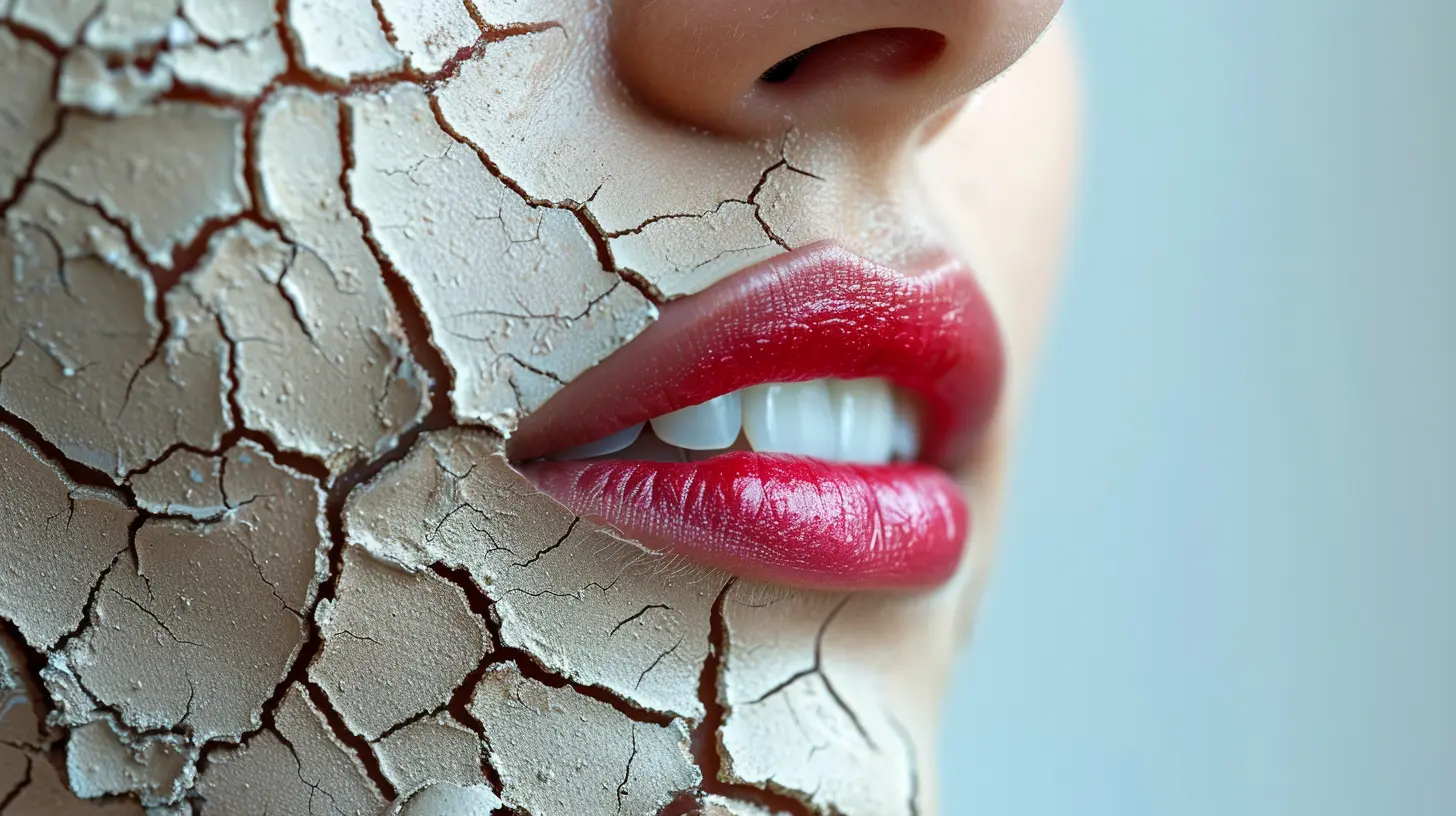
How to Fix a Dry Tongue at Home: Comprehensive Remedies and Relief Strategies
Addressing a dry tongue at home primarily involves increasing systemic hydration, stimulating saliva flow through xylitol-based products, and eliminating environmental irritants like dry air or alcohol-based mouthwashes. While lifestyl...
Addressing a dry tongue at home primarily involves increasing systemic hydration, stimulating saliva flow through xylitol-based products, and eliminating environmental irritants like dry air or alcohol-based mouthwashes. While lifestyle adjustments often provide relief, persistent dryness may require professional evaluation to rule out underlying medical conditions or medication side effects.
Contents
Dry tongue, often a primary symptom of xerostomia (dry mouth), occurs when salivary glands do not produce enough saliva to keep the mouth moist. As of 2026, clinical understanding emphasizes that saliva is not merely "mouth water"; it is a complex fluid rich in enzymes, electrolytes, and antimicrobial proteins essential for digestion and oral tissue health. When this balance is disrupted, the tongue can feel "tacky," rough, or even painful. Fortunately, most mild to moderate cases can be managed effectively with targeted home interventions.
Understanding the Mechanics of a Dry Tongue
The tongue is covered in tiny projections called papillae, which house taste buds and help move food. For these structures to function correctly, they must remain lubricated. Saliva serves as the primary lubricant, neutralizing acids produced by bacteria and providing the minerals necessary to keep tooth enamel strong. When saliva production drops, the tongue is often the first area to show distress. It may appear red, cracked, or develop a "pebbled" texture.
A dry tongue is rarely an isolated issue; it is typically the most noticeable sign of a broader reduction in oral moisture. This deficiency can lead to secondary problems, including difficulty swallowing (dysphagia), impaired speech, and an increased risk of dental cavities and fungal infections like oral thrush. Understanding that the tongue's health is intrinsically linked to the performance of the parotid, submandibular, and sublingual glands is the first step in implementing an effective home strategy.
Identifying the Root Causes of Oral Dryness
Before implementing remedies, it is helpful to identify why the dryness is occurring. Common culprits include:
- Medication Side Effects: Hundreds of medications, including antihistamines, decongestants, antidepressants, and blood pressure medications, list dry mouth as a primary side effect.
- Dehydration: Simple fluid deficiency is a leading cause, particularly in older adults or those with high activity levels.
- Mouth Breathing: Chronic mouth breathing, often due to nasal congestion or sleep apnea, evaporates existing saliva rapidly.
- Lifestyle Habits: Tobacco use and alcohol consumption significantly dehydrate the oral mucosa.
- Systemic Conditions: Autoimmune disorders like Sjogren’s syndrome specifically target the moisture-producing glands of the body.
Strategic Hydration Beyond Just Drinking Water
While "drinking more water" is common advice, the method of hydration matters significantly for oral health. Chugging large amounts of water at once may hydrate the body systemically, but it often does little to provide lasting relief for a dry tongue.
Instead, practitioners recommend frequent sipping. Carrying a reusable water bottle and taking small sips every 10 to 15 minutes ensures that the tongue and oral tissues remain consistently coated. This "micro-hydration" approach mimics the natural, slow release of saliva. Furthermore, the temperature of the water can play a role; cool or room-temperature water is generally less irritating to sensitive tongue tissues than ice-cold or hot liquids.
It is also important to consider what you are drinking. Caffeinated beverages (coffee, tea, and many sodas) act as mild diuretics and can exacerbate dryness. If you do consume caffeine, it is advisable to follow it with an equal volume of plain water to counteract the dehydrating effects.
Leveraging Saliva Stimulants and Xylitol
One of the most effective ways to fix a dry tongue at home is to "trick" the salivary glands into working harder. This is best achieved through the use of sugar-free gums, mints, and lozenges.
Xylitol is a critical ingredient to look for in these products. As a natural sugar alcohol, xylitol does not contribute to tooth decay; in fact, it helps inhibit the growth of Streptococcus mutans, the primary bacteria responsible for cavities. Chewing gum or sucking on a lozenge creates mechanical and gustatory (taste-based) stimulation, which signals the brain to increase saliva production.
For individuals with severe dryness, specialized "melting discs" are available. These are small lozenges that adhere to the gum line or the roof of the mouth and slowly dissolve over several hours, providing a steady stream of moisture and xylitol. This is particularly useful for those who experience "dry tongue" while speaking for long periods or during physical exercise.
Environmental Modifications for Overnight Relief
Many people find that their dry tongue is at its worst upon waking. This is frequently due to low humidity in the bedroom or the tendency to breathe through the mouth during sleep.
Using a cool-mist humidifier is a highly effective home remedy. By maintaining an indoor humidity level between 30% and 50%, you reduce the rate of evaporation from the oral tissues. This is especially important during winter months when heating systems strip moisture from the air.
Furthermore, if mouth breathing is the cause, consider "nasal strips" or pillows that encourage nasal breathing. Nasal passages are designed to humidify the air before it reaches the throat; the mouth is not. Transitioning to nasal breathing can drastically reduce morning tongue dryness and improve overall sleep quality.
Dietary Adjustments to Protect Sensitive Tissues
When the tongue is dry, it is also more vulnerable to chemical and thermal irritation. Certain foods can worsen the sensation of dryness or cause actual pain to the depleted tissues.
- Avoid Spicy and Acidic Foods: Hot peppers, citrus fruits, and tomato-based products can cause a burning sensation on a dry tongue.
- Reduce Salty Foods: High sodium intake can draw moisture out of the oral cells, worsening the "tacky" feeling.
- Limit Dry, Brittle Textures: Crackers, dry toast, and chips can be difficult to swallow without adequate saliva and may cause micro-abrasions on the tongue’s surface.
- Incorporate "Wet" Foods: Opt for foods with high water content, such as cucumbers, melons, and soups. Using gravies or sauces can also help lubricate the tongue during meals, making eating more comfortable.
Selecting the Right Over-the-Counter Products
Not all oral care products are created equal when it comes to xerostomia. In fact, many standard toothpastes and mouthwashes contain ingredients that can worsen a dry tongue.
Avoid Sodium Lauryl Sulfate (SLS): This common foaming agent found in many toothpastes can be irritating to people with dry mouths. Switch to an SLS-free toothpaste to reduce the risk of oral sores and tongue sensitivity.
Choose Alcohol-Free Rinses: Most traditional mouthwashes contain high percentages of alcohol, which acts as a desiccant (drying agent). Instead, look for rinses specifically labeled for "Dry Mouth." These products often contain ingredients like cellulose or glycerin, which provide a protective coating over the tongue, and enzymes like lysozyme and lactoperoxidase that mimic the protective properties of natural saliva.
Comparison of Home Relief Methods
| Method | Primary Benefit | Ease of Use | Best For |
|---|---|---|---|
| Frequent Sipping | Sustained surface moisture | Very High | Daily maintenance |
| Xylitol Gum/Mints | Active saliva stimulation | High | Daytime relief & cavity prevention |
| Cool-Mist Humidifier | Prevents overnight evaporation | Medium | Morning dryness/Sleep comfort |
| Alcohol-Free Rinses | Coats and protects tissues | High | Chronic xerostomia symptoms |
| SLS-Free Toothpaste | Reduces tissue irritation | High | Sensitive or sore tongues |
When to Seek Professional Medical or Dental Advice
While home remedies are effective for many, a dry tongue can sometimes be a red flag for more serious health issues. You should consult a healthcare professional if:
- Your dry tongue is accompanied by persistent sores, white patches, or red inflamed areas (which could indicate a fungal infection).
- You have significant difficulty chewing, swallowing, or speaking despite home interventions.
- The dryness is so severe that it wakes you up multiple times per night.
- You notice swelling in the salivary glands under your jaw or near your ears.
Professional treatments may include prescription saliva stimulants (such as pilocarpine or cevimeline) or adjustments to existing medication regimens. For more information on clinical guidelines, refer to the American Dental Association (ADA) or the National Institute of Dental and Craniofacial Research (NIDCR).
Frequently Asked Questions
Can dehydration alone cause a dry tongue?
Yes, dehydration is one of the most common causes of a dry tongue. When the body's total water content is low, it prioritizes essential functions and reduces "non-essential" fluid production, including saliva. Resolving this typically requires consistent fluid intake over 24 to 48 hours rather than a single large glass of water.
Why does my tongue feel dry even after I drink water?
Drinking water provides temporary surface moisture, but if your salivary glands aren't functioning correctly, that moisture evaporates quickly. This is why stimulants like xylitol or coating agents like glycerin are often more effective than water alone; they either trigger natural production or provide a barrier against evaporation.
Is a dry tongue a sign of aging?
While aging itself doesn't cause dry mouth, older adults are more likely to take medications that cause dryness. Additionally, the thirst mechanism can become less sensitive with age, leading to unintentional dehydration. According to the Mayo Clinic, managing the underlying causes (like medications) is more important than simply attributing the symptom to age.
Does caffeine make a dry tongue worse?
Yes, caffeine is a mild diuretic, meaning it encourages the body to expel fluids. More importantly, it can have a direct drying effect on the oral mucosa for some individuals. If you suffer from a dry tongue, it is recommended to limit coffee and tea or to use decaffeinated versions.
Are there any natural oils that help with a dry tongue?
Some people find relief through "oil pulling" with coconut oil or simply applying a small amount of food-grade vitamin E oil to the tongue. These oils can provide a long-lasting protective barrier that water cannot, though they do not stimulate saliva production.
Practical Recommendation
To effectively fix a dry tongue at home, start by transitioning to an alcohol-free oral care routine and increasing your intake of xylitol-based mints or gum. These two steps provide the highest immediate impact by protecting the tongue's surface and stimulating natural saliva flow. Simultaneously, implement a cool-mist humidifier in your bedroom to ensure that your progress isn't undone while you sleep. If these strategies do not provide noticeable relief within two weeks, schedule an appointment with your dentist to investigate potential systemic causes.
Image Gallery