Understanding the Citi Double Cash Foreign Transaction Fee
The Citi Double Cash® Card charges a 3% foreign transaction fee on all purchases made outside of the United States or processed through a foreign merchant’s bank. Because the card’s maximum cash-back rate is 2% (1% when you buy and 1%...
The Citi Double Cash® Card charges a 3% foreign transaction fee on all purchases made outside of the United States or processed through a foreign merchant’s bank. Because the card’s maximum cash-back rate is 2% (1% when you buy and 1% as you pay), using this card internationally results in a net loss of 1% on every transaction.
Contents
What is the Citi Double Cash Foreign Transaction Fee?
A foreign transaction fee (FTF) is a surcharge imposed by a credit card issuer on transactions that pass through a foreign bank or are processed in a foreign currency. As of 2026, the Citi Double Cash® Card maintains a standard 3% fee for these occurrences. This fee is comprised of two parts: a percentage charged by the payment network (Mastercard) and an additional percentage tacked on by the issuing bank (Citibank).
While many premium travel credit cards waive this fee to encourage international spending, "everyday" cash-back cards like the Citi Double Cash often retain it. The fee serves as a way for the issuer to cover the administrative costs of currency conversion and the increased risk associated with international processing. For the cardholder, however, this 3% charge is a critical detail that can significantly alter the value proposition of the card when crossing borders or shopping on international websites.
It is important to note that the fee applies to the total transaction amount after it has been converted into U.S. dollars. If you spend €100 and the exchange rate results in a $110 charge, the 3% fee is calculated based on the $110, adding an extra $3.30 to your statement.
The Mathematical Impact on Your Cash Back
The primary appeal of the Citi Double Cash® Card is its straightforward reward structure: you earn 1% cash back on every purchase at the time of the transaction and an additional 1% cash back as you pay for those purchases. This total of 2% makes it one of the most competitive flat-rate cards for domestic use. However, the foreign transaction fee creates a mathematical "underwater" scenario for international spending.
When you use the card abroad, the 3% fee immediately cancels out the 2% potential rewards. In effect, you are paying a 1% "penalty" to use your card for foreign purchases.
Sample Transaction Breakdown
Consider a traveler spending $3,000 on a vacation in Tokyo or London using their Citi Double Cash card:
- Total Spent: $3,000.00
- Foreign Transaction Fee (3%): +$90.00
- Total Statement Cost: $3,090.00
- Total Rewards Earned (2%): -$60.00
- Net Cost to Cardholder: $3,030.00
In this scenario, the cardholder has paid $30 more than the actual cost of their goods and services, even after accounting for the cash-back rewards. Compared to a card with no foreign transaction fees, the cardholder is $90 poorer for having used the Double Cash card for this specific trip.
When Does the Foreign Transaction Fee Apply?
Many consumers mistakenly believe that the foreign transaction fee only applies when they are physically standing on foreign soil. In reality, the trigger for the fee is the location of the merchant’s acquiring bank, not the location of the cardholder.
Physical Travel
This is the most obvious scenario. If you use your Citi Double Cash card at a restaurant in Paris, a hotel in Mexico City, or a train station in Tokyo, the transaction is processed through a non-U.S. bank. Citibank will identify this and apply the 3% fee to your statement.
Online Shopping from International Vendors
If you are sitting at your desk in the United States and purchase a specialty item from a website based in the United Kingdom or Germany, you may still be hit with the 3% fee. Even if the website displays prices in U.S. dollars, if the underlying payment processing occurs through a foreign financial institution, the Citi Double Cash will trigger the foreign transaction fee.
Dynamic Currency Conversion (DCC)
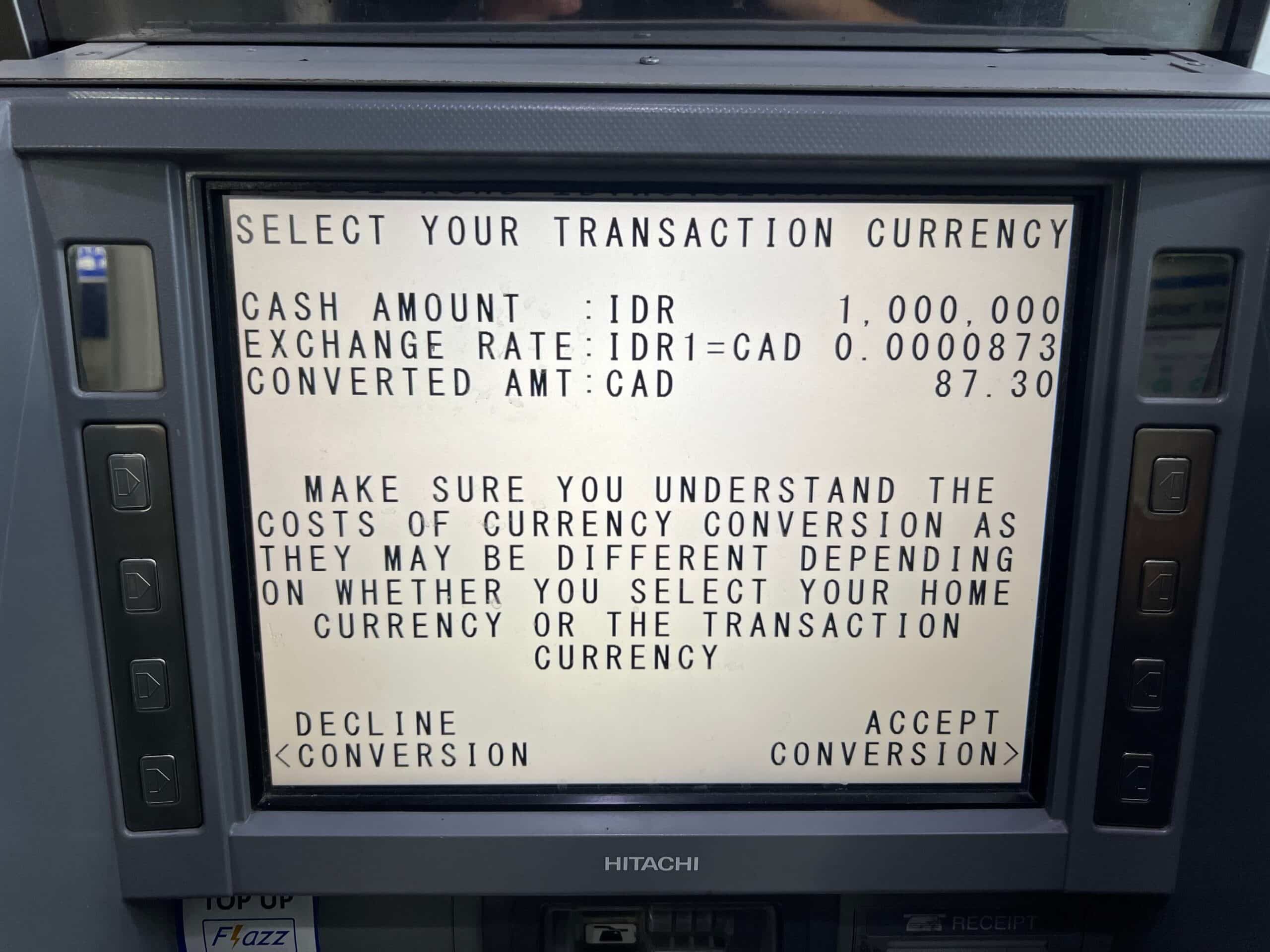
DCC is a service offered by some foreign merchants that allows you to see the price of a transaction in U.S. dollars at the point of sale. While this may seem convenient, it is often a "trap." Merchants usually offer a poor exchange rate for this service. Furthermore, paying in U.S. dollars via DCC does not exempt you from the Citi Double Cash foreign transaction fee. Because the merchant is still located outside the U.S., Citi will see the "foreign" origin and apply the 3% fee on top of the already unfavorable exchange rate provided by the merchant.
Comparison: Citi Double Cash vs. Competitors
To understand where the Citi Double Cash stands in the 2026 market, it is helpful to compare its international costs against other popular cards.
| Card Name | Foreign Transaction Fee | Annual Fee | Standard Reward Rate |
|---|---|---|---|
| Citi Double Cash® | 3% | $0 | 2% (1% buy + 1% pay) |
| Capital One Quicksilver | 0% | $0 | 1.5% |
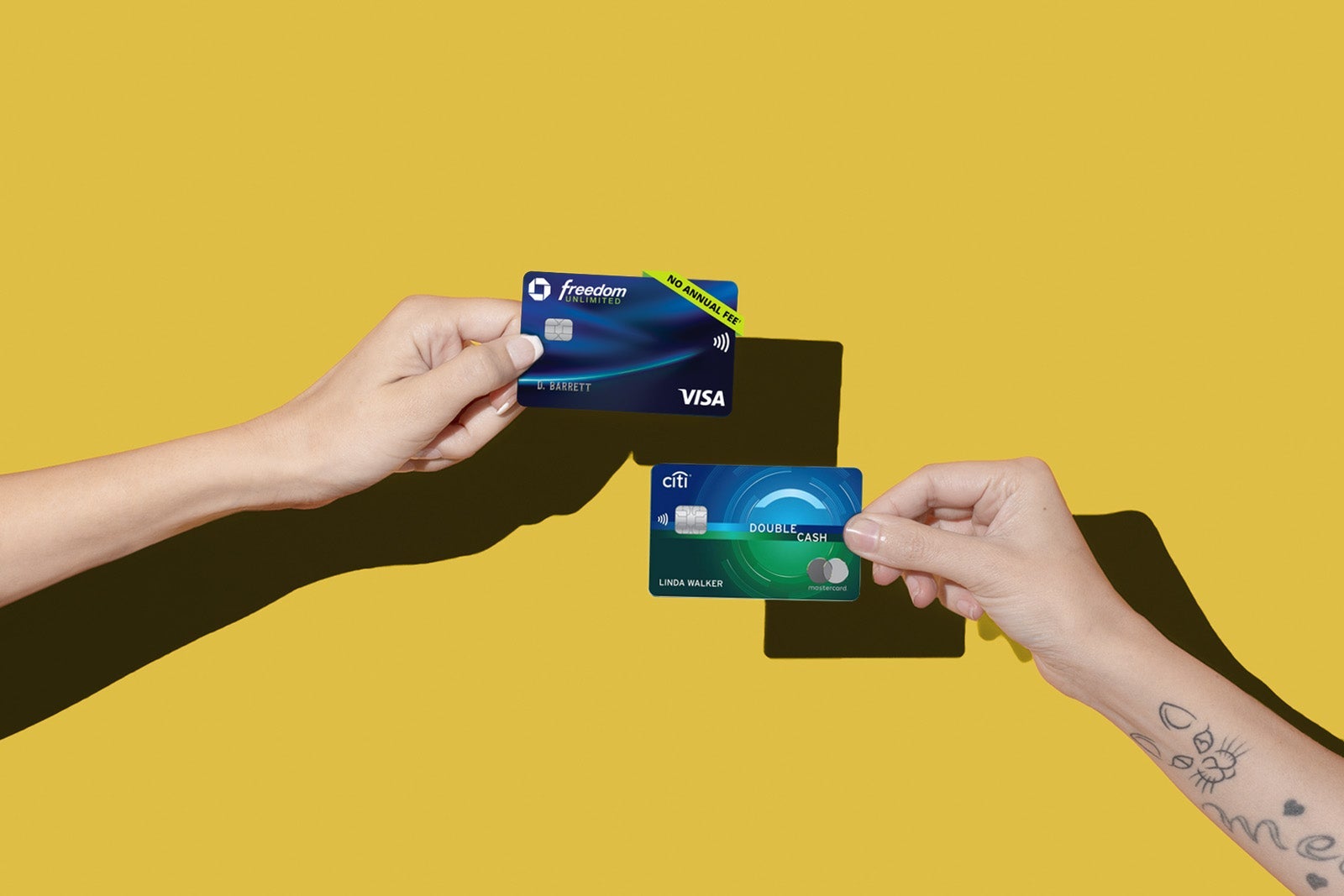
| Chase Freedom Unlimited | 3% | $0 | 1.5% - 5% |
| Citi Strata Premier℠ | 0% | $95 | 3x on Travel/Dining/Groceries |
| Wells Fargo Active Cash® | 3% | $0 | 2% |
| Bank of America® Travel Rewards | 0% | $0 | 1.5 points per $1 |
As shown in the table, many of the direct competitors to the Double Cash in the "no-annual-fee" category (like the Wells Fargo Active Cash or Chase Freedom Unlimited) also charge a 3% fee. However, issuers like Capital One have made "no foreign transaction fees" a standard feature across their entire portfolio, making their cards superior choices for international use even if the base reward rate is slightly lower.
Is the Citi Double Cash a Good Travel Card?
By traditional standards, the Citi Double Cash is a poor choice for a primary travel card. While its 2% reward rate is excellent for domestic bills, groceries, and services, its lack of international utility is a major drawback.
Beyond the 3% fee, the card lacks several key travel protections that are common on cards intended for globetrotters. In 2026, most dedicated travel cards offer:
- Trip Cancellation/Interruption Insurance: Coverage if your trip is cut short due to illness or weather.
- Auto Rental Collision Damage Waiver: Secondary or primary coverage for rental car damage.
- Baggage Delay Insurance: Reimbursement for essential items if your luggage is lost or delayed.
- No Foreign Transaction Fees: Allowing you to earn rewards without them being eroded by surcharges.
The Citi Double Cash generally does not include these protections. It is designed as a "hub" card—a reliable, high-earning tool for the majority of your domestic spending—rather than a "spoke" card designed for specific niches like international travel.
How to Identify These Fees on Your Statement
If you have used your card recently and suspect you were charged, you can verify this by looking at your Citi online portal or paper statement. Citi typically lists foreign transaction fees as a separate line item immediately following the transaction that triggered it.
The description will usually read "FOREIGN TRANS FEE" or something similar, and the amount will be exactly 3% of the converted U.S. dollar amount of the purchase. If you see a transaction for $100.00 followed by a fee of $3.00, you have confirmed the application of the FTF.
Strategies for Avoiding the Fee
If you are a loyal Citi customer or a fan of the Double Cash card’s simplicity, you do not have to abandon the ecosystem to avoid these fees. Instead, consider these strategies:
1. Pair with a Travel-Specific Card
The most effective way to handle the Citi Double Cash's limitation is to pair it with a card that specifically waives foreign transaction fees. For example, the Citi Strata Premier℠ (or its equivalent in 2026) is an excellent companion. It earns ThankYou points that can be combined with Double Cash rewards, but it has a 0% foreign transaction fee. Use the Double Cash for everything in the U.S. and switch to the Premier card the moment you head to the airport or shop on a foreign website.
2. Use a No-Fee Debit Card for Cash
If you need local currency while traveling, do not use your Citi Double Cash for an ATM withdrawal. This would be treated as a cash advance, incurring high interest rates, a cash advance fee, and the 3% foreign transaction fee. Instead, use a debit card from an institution like Charles Schwab or Capital One 360, which often waive both ATM fees and foreign transaction fees.
3. Check the Merchant Location
Before making a large online purchase, check the "About Us" or "Shipping" page of the website. If the company is based in Europe, Canada, or Asia, consider using a different card that doesn't charge the 3% fee, even if that card earns a lower reward rate. A 1% or 1.5% reward on a no-FTF card is always better than a 2% reward that costs 3% to acquire.
Frequently Asked Questions
Does Citi ever waive the foreign transaction fee for Double Cash holders?
No, the 3% fee is a hard-coded feature of the Citi Double Cash® Card terms and conditions. While customer service may occasionally provide a one-time courtesy credit for a small accidental fee, there is no way to permanently waive this fee on this specific card.
Can I use my Citi Double Cash rewards to pay for the foreign transaction fee?
Yes. Since the Citi Double Cash earns rewards in the form of cash back (which can be converted to ThankYou points), you can apply your rewards as a statement credit to "cover" the cost of the fees. However, this is inefficient, as you are essentially using your hard-earned rewards to pay for an avoidable bank charge.
Does the fee apply to purchases made in U.S. territories?
Generally, purchases made in U.S. territories like Puerto Rico, Guam, and the U.S. Virgin Islands are not considered foreign transactions by Citibank. Since these locations use the U.S. dollar and are served by the U.S. banking system, the 3% fee should not apply.
Is the fee different if the transaction is in U.S. dollars?
No. If the merchant is located outside the United States, the fee applies regardless of whether the transaction was conducted in a foreign currency or in U.S. dollars via Dynamic Currency Conversion.
Does the 3% fee apply to the 1% "as you pay" reward?
The fee itself is a charge, not a purchase. Therefore, you do not earn the 1% "buying" reward on the $3.00 fee, nor do you earn the 1% "paying" reward on the portion of your payment that goes toward the fee. You only earn rewards on the base purchase amount.
Final Recommendation
For the year 2026, the Citi Double Cash® Card remains a top-tier choice for domestic, everyday spending due to its effective 2% cash-back rate. However, its 3% foreign transaction fee makes it a poor choice for any spending involving international merchants.
If you are planning to travel abroad or frequently purchase from international online retailers, the most financially sound move is to keep your Citi Double Cash in your wallet for domestic use and carry a secondary card with no foreign transaction fees. By doing so, you ensure that your rewards remain in your pocket rather than being consumed by processing surcharges.
Image Gallery