Why Imagery of Comfort Food and Meatloaf Matters for Travel Storytelling
Imagery of humble comfort food like meatloaf grounds travel storytelling in cultural authenticity and human connection. Unlike hyper-curated fine dining visuals, unpretentious food photography evokes sensory nostalgia, showcases region...
Imagery of humble comfort food like meatloaf grounds travel storytelling in cultural authenticity and human connection. Unlike hyper-curated fine dining visuals, unpretentious food photography evokes sensory nostalgia, showcases regional traditions, and bridges the gap between global travelers and local domestic heritage. Capturing these modest dishes transforms simple travel logs into compelling, immersive cultural narratives.
Contents
The Evolution of Authenticity in Culinary Travel Storytelling
Travel journalism has undergone a profound structural shift. Audiences increasingly reject hyper-polished, heavily filtered imagery in favor of authentic cultural representations. For decades, travel media prioritized pristine resort landscapes and artfully plated Michelin-star cuisine. However, contemporary readers seek visceral, relatable visual narratives that reflect genuine everyday life.
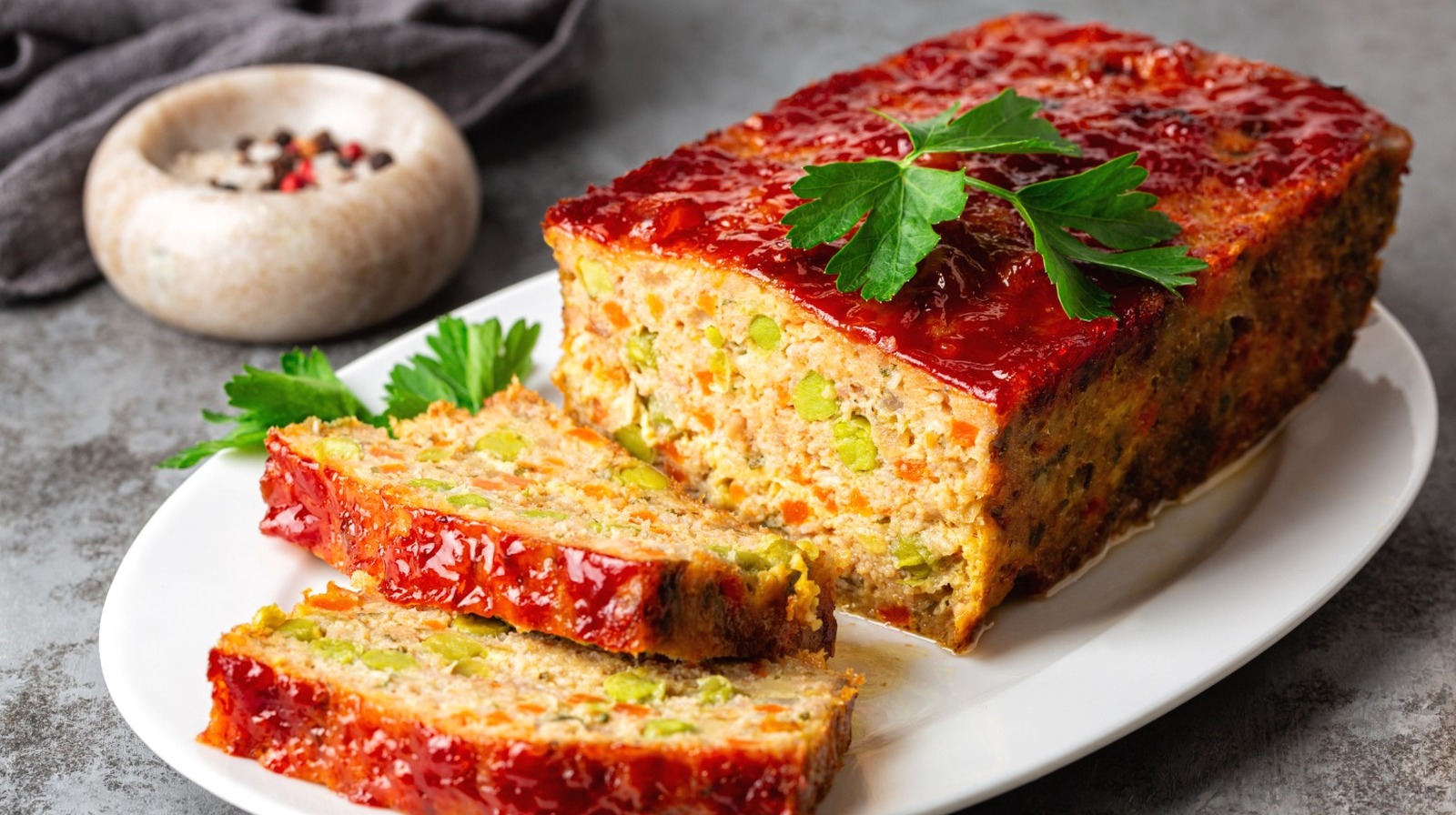
In this context, images of modest, homestyle meals—exemplified by traditional meatloaf and its worldwide counterparts—serve as a powerful storytelling anchor. A slice of baked meatloaf served on a worn stoneware plate in a roadside diner or a home kitchen conveys a story of place that luxury dining rarely replicates. It signifies warmth, sustenance, affordability, and intergenerational culinary traditions.
Visual creators who prioritize these unvarnished food images tap into a growing demand for visual honesty. When travelers view images of comfort food, they do not merely inspect an ingredient assembly; they connect with the social history of the community that relies on those ingredients.
Visual Anthropology: What Meatloaf Represents Across Cultures
While meatloaf is often associated with North American diner culture and home cooking, the concept of baked, seasoned ground meat bound with grain or breadcrumbs exists in almost every global culinary tradition. Incorporating images of these regional variations into travel content enriches the narrative by establishing common cross-cultural themes.
Understanding regional variations allows travel writers and photographers to build deeper visual context:
- North America: Classic beef or pork meatloaf topped with a tomato glaze, representing mid-century domestic comfort, resourcefulness, and diner heritage.
- Germany and Austria: Falscher Hase ("False Hare"), often featuring hard-boiled eggs hidden inside, highlighting post-war ingenuity and festive family gatherings.
- South Africa: Bobotie, a spiced minced meat bake topped with an egg custard, illustrating complex colonial trade histories and Cape Malay flavor influences.
- Italy: Polpettone, frequently stuffed with prosciutto and regional cheeses, reflecting local agrarian preservation methods and family style dining.
- Vietnam: Chả Trứng Hấp, a steamed pork and egg loaf common in Cơm Tấm (broken rice) dishes, demonstrating French-Indochinese culinary synthesis.
Photographing these dishes within their native environments transforms a simple meal photo into an exercise in visual anthropology. The visual contrast between a shiny tomato glaze in an American Midwest diner and a golden egg custard top in a Cape Town café gives readers immediate geographic and cultural anchors without requiring extensive textual explanation.
Psychological and Emotional Impact of Comfort Food Imagery
Visuals drive emotional engagement in travel content faster than written text alone. Images of rustic dishes like meatloaf activate specific psychological triggers that elevate narrative resonance:
1. Nostalgia and Emotional Grounding
Homestyle food images tap into universal feelings of security, home, and care. Even if a reader did not grow up eating the specific regional dish depicted, the visual markers—steam rising from a thick slice, irregular hand-cut edges, simple garnishes—evoke personal memories of home-cooked meals. This emotional resonance makes the destination feel welcoming rather than alien.
2. De-exoticizing the Destination
Travel media historically framed foreign destinations through an exotic lens, creating distance between the reader and the local population. Showcasing daily comfort food humanizes the destination. It highlights the shared human experience of gathering around simple, nourishing food at the end of a workday.
3. Texture and Sensory Evocation
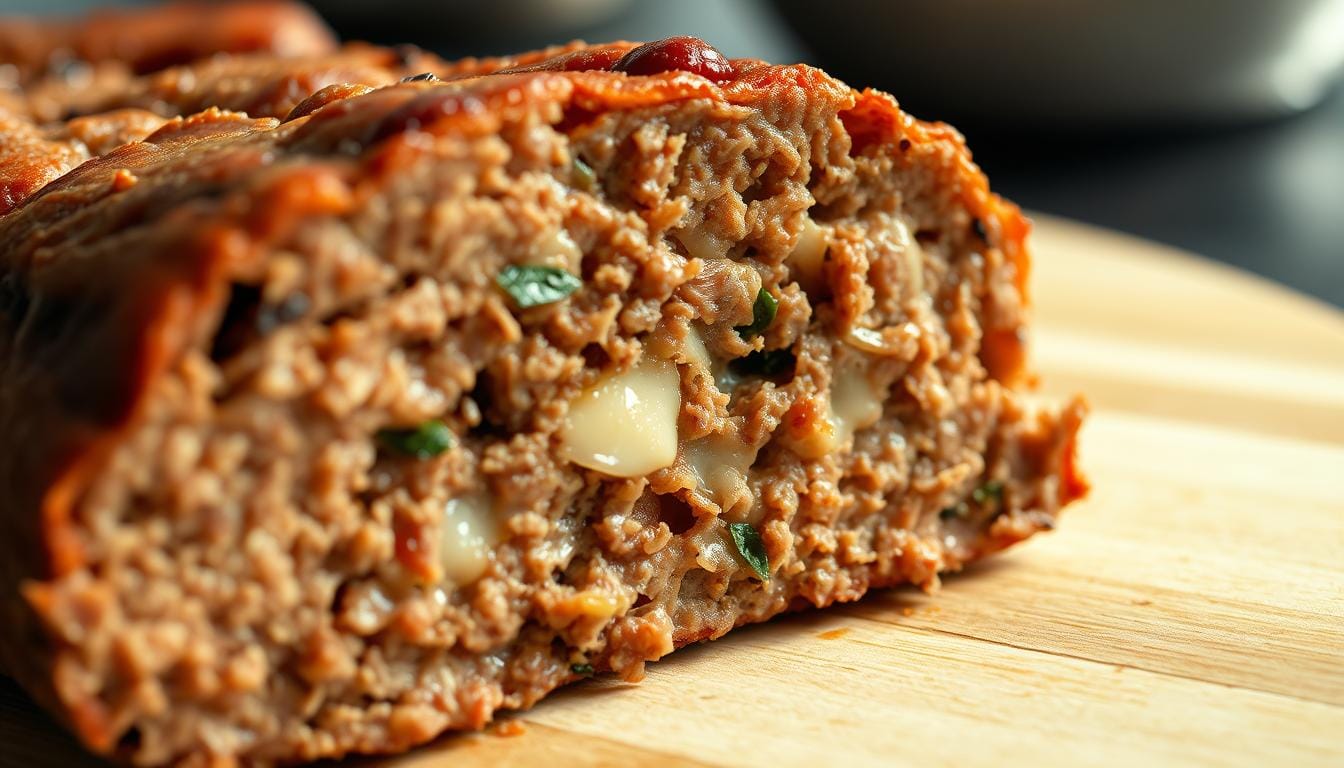
High-contrast, detailed photography of rustic food emphasizes texture: the caramelized crust of a baked loaf, the rich gravy drizzled across the top, or the coarse grain of rustic breadcrumbs. These tactile elements stimulate the sensory palate, allowing readers to mentally taste and smell the dish, which deepens visual immersion.
Comparative Analysis: Aesthetic Visuals vs. Authentic Comfort Imagery
To understand why comfort food imagery achieves high reader retention and engagement, it helps to compare its storytelling dynamics against traditional luxury culinary photography.
| Dimension | Hyper-Styled Fine Dining Imagery | Rustic Comfort Food Imagery (e.g., Meatloaf) |
|---|---|---|
| Primary Visual Focus | Precise geometric plating, negative space, exotic garnishes | Rich textures, generous portions, steaming dishes, rustic tableware |
| Emotional Tone | Aspirational, exclusive, formal, distant | Accessible, nostalgic, welcoming, authentic |
| Cultural Narrative | Chef expertise, modern innovation, luxury lifestyle | Heritage, home cooking, local history, resourcefulness |
| Audience Perception | "A special occasion experience" | "The everyday heart of the culture" |
| Contextual Setting | Minimalist tables, controlled studio light, white linens | Busy local diners, home kitchens, worn wooden tables, natural sunlight |
| Dwell Time Impact | High initial curiosity, quick visual scan | Deep engagement, emotional resonance, higher sharing probability |
Field Techniques for Capturing Evocative Food Images
Photographing dense, dark, or unstructured foods like meatloaf presents unique technical challenges. Without proper technique, rustic dishes can appear unappealing. Travel creators must employ specific visual strategies to highlight their charm.
- CONTEXTUAL SETTING: Capture the room, lighting, and table
- HUMAN ELEMENT: Include hands, cooks, or communal diner
- TEXTURAL CLOSE-UP: Focus on crust, gravy sheen, and grain
- ACTION & MOVEMENT: Frame slicing, pouring sauce, steaming
Optimize Lighting to Emphasize Texture
Avoid harsh direct flashes, which flatten dense foods and create unappealing greasy highlights. Rely on diffused, directional natural window light. Side lighting highlights the craggy texture of a baked surface, the moisture within the cut slice, and the glazes poured over the top.
Incorporate the Human Element
Food does not exist in a vacuum. Including a cook's worn hands placing the platter on the table, a diner lifting a forkful, or a chef slicing the loaf on a well-used wooden cutting board adds narrative layer. The human presence reminds the reader that food is an act of hospitality and service.
Frame the Wider Environment
Do not crop out the surrounding environment entirely. Include contextual clues in the background—the vintage neon sign of a diner, hand-painted menu boards, local condiment bottles, or rustic stoneware plates. These environmental details ground the image within a specific geographic and cultural setting.
Technical SEO Integration for Visual Travel Content
High-quality images only add value if search engines and users can discover and contextualize them properly. Incorporating authentic food imagery into a travel blog or digital publication requires strategic technical execution in line with search engine guidelines.
Structured Data and Schema Markup
When presenting local culinary travel experiences, implement Recipe schema for regional dishes or TouristAttraction and Restaurant schema when covering specific dining locations. Rich snippets powered by structured data improve visibility in search result pages.
{ "@context": "https://schema.org", "@type": "Recipe", "name": "Traditional Regional Meatloaf", "author": { "@type": "Person", "name": "Travel Journalist" }, "description": "A traditional home-style baked meatloaf served in historic roadside diners across the region.", "keywords": "travel food, comfort food storytelling, regional cuisine" }
Alt Text and Image File Optimization
Search engine crawlers rely on descriptive text to interpret image context. Avoid generic file names like IMG_4092.jpg. Use descriptive, keyword-rich file names and accessibility alt text that describe both the object and its cultural context.
- File Name Example:
traditional-diner-meatloaf-gravy-vermont.jpg - Effective Alt Text: "A slice of hot baked meatloaf topped with brown gravy and served on a rustic ceramic plate at a Vermont diner."
- Ineffective Alt Text: "Meatloaf image food travel."
Optimizing Image Dwell Time and Visual Hierarchy
Place core narrative images near relevant paragraphs to lower bounce rates and encourage longer reading sessions. Images of comforting food positioned near personal anecdotes or historical background keep readers engaged, signalling high content quality to search engine algorithms.
Frequently Asked Questions
Why is unpretentious food photography effective in travel blogs?
Unpretentious food photography builds trust with readers by showing real, accessible culinary experiences rather than idealized marketing shots. It highlights everyday culture, making travel narratives feel grounded, relatable, and authentic.
How do global meatloaf variations enhance regional travel writing?
Featuring regional dishes like South African Bobotie or Italian Polpettone allows writers to explain complex cultural histories through a familiar concept. It highlights local ingredients, historical trade influences, and community traditions.
What is the best camera setup for photographing rustic food in low-light eateries?
A fast prime lens (such as a 35mm or 50mm with an aperture of f/1.8 or f/2.8) paired with a full-frame camera body works best. This setup captures natural ambient light without requiring an intrusive flash, preserving the cozy atmosphere of small restaurants and diners.
How does contextual food image metadata help travel blog SEO?
Descriptive alt text, structured JSON-LD schema, and keyword-optimized image file names help search engine crawlers understand image relevance. Proper optimization improves rankings in both Google Image Search and organic web search results.
Can simple comfort food images improve reader engagement metrics?
Yes. Authentic imagery evokes strong emotional responses and sensory nostalgia, which increases page dwell time, lowers bounce rates, and encourages readers to share the content across social platforms.
Practical Action Plan for Travel Creators
To maximize the storytelling impact of food photography in your travel narratives:
- Shift Focus to Local Kitchens: Seek out small diners, street stalls, and family-run taverns where traditional, unpretentious recipes are served.
- Focus on Texture and Context: Use side lighting and medium close-up angles to show the rich texture of comfort food while keeping environmental cues visible in the background.
- Document the Story Behind the Plate: Interview the cooks or owners to learn the historical or family background of the dish, linking visual details directly to the written text.
- Optimize Technical Metadata: Apply descriptive alt tags, structured schema markup, and compressed image files to ensure high search visibility and fast load speeds across all devices.
By placing humble dishes like meatloaf at the center of your visual media strategy, you elevate your travel content from generic sightseeing guides to compelling, human-centered cultural narratives.
Image Gallery