What Flat Roof Repair Contractors Do for Owners
Flat roof repair contractors perform specialized diagnostic, maintenance, and restorative services designed to extend the lifespan of low-slope or dead-level roofing systems. Their primary role is to identify and resolve moisture intru...
Flat roof repair contractors perform specialized diagnostic, maintenance, and restorative services designed to extend the lifespan of low-slope or dead-level roofing systems. Their primary role is to identify and resolve moisture intrusion, material degradation, and structural compromises that are unique to flat or near-flat geometries. Unlike sloped shingle roofs, where gravity naturally sheds water, flat roofs rely entirely on membrane integrity, precise drainage, and flashings to prevent ponding and water ingress. By maintaining these systems, contractors protect the building’s thermal insulation, internal structure, and business operations from the catastrophic damage caused by persistent leaks.
Contents
Diagnostic Evaluation and Leak Detection
Before any repair begins, a contractor must determine the source of the water infiltration. Because flat roofs often feature complex layers—including roof decks, vapor retarders, rigid insulation, and finish membranes—the point of entry is frequently distant from the interior water stain.
Contractors employ several advanced diagnostic techniques to locate these points of failure:
- Visual Inspection: Looking for signs of physical distress such as membrane blistering, punctures, or shrinking flashings.
- Moisture Surveys: Using infrared thermography or nuclear moisture meters to detect saturated insulation hidden beneath the membrane. This prevents the contractor from wasting time and materials on patching areas that appear intact but are already failing internally.
- Electronic Leak Detection (ELD): Utilizing low-voltage conductive testing to map exact breaches in the membrane that are invisible to the naked eye.
Critical Repair and Maintenance Procedures
Once the issues are identified, the contractor executes repairs based on the specific material composition of the roof, such as Thermoplastic Polyolefin (TPO), Ethylene Propylene Diene Terpolymer (EPDM), or modified bitumen.
- Membrane Patching: For TPO or EPDM roofs, contractors clean the area, apply specialized primers, and weld or bond a matching patch material. Precision is required to ensure the patch provides a watertight seal that can withstand thermal expansion and contraction cycles.
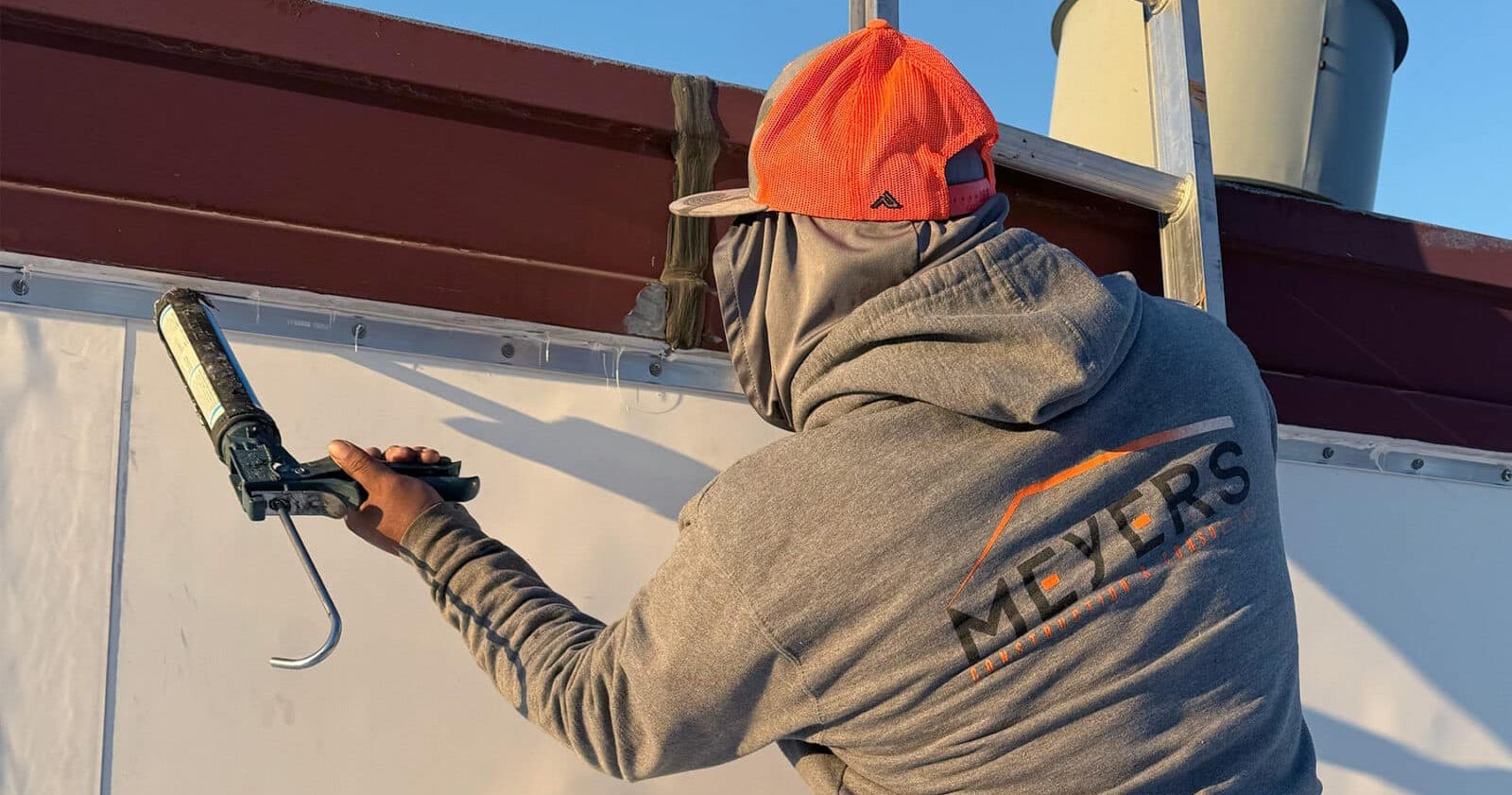
- Flashing Maintenance: The most common point of failure is at the transition between the roof and vertical surfaces, such as parapet walls, chimneys, or HVAC curbs. Contractors reinforce or replace counter-flashings and pitch pockets to ensure these junctions are fully sealed.
- Drainage Remediation: Standing water (ponding) is the enemy of a flat roof. If water remains for more than 48 hours, it can cause membrane fatigue and sediment buildup. Contractors clean debris from scuppers, drains, and gutters, and may install tapered insulation or cricket systems to promote better positive drainage toward existing outlets.
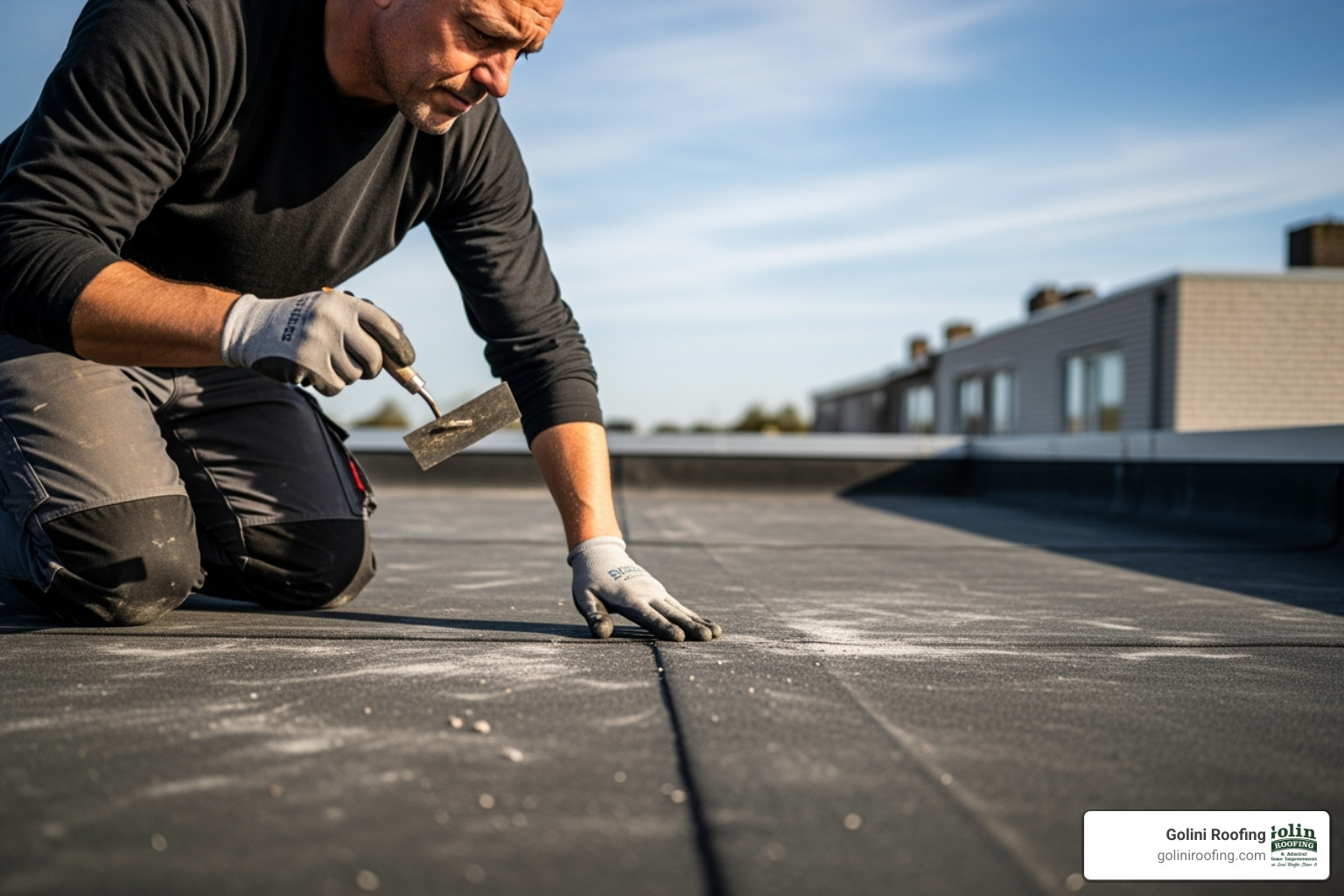
- Seam Treatment: Over time, the seams of a membrane roof can separate due to chemical incompatibility or improper initial installation. Contractors apply reinforced seam tape or liquid-applied coatings to stabilize these areas before they become major leaks.
Comparative Overview of Roofing Systems
The specific approach taken by a contractor often depends on the roof type currently installed. Below is a summary of how different systems influence the repair strategy.
| Roof System | Common Failure Mode | Repair Strategy |
|---|---|---|
| EPDM (Rubber) | Shrinkage at seams | Clean, prime, and apply specialized seam tape |
| TPO (Thermoplastic) | Hot-air weld failure | Hot-air re-weld or patch with cover tape |
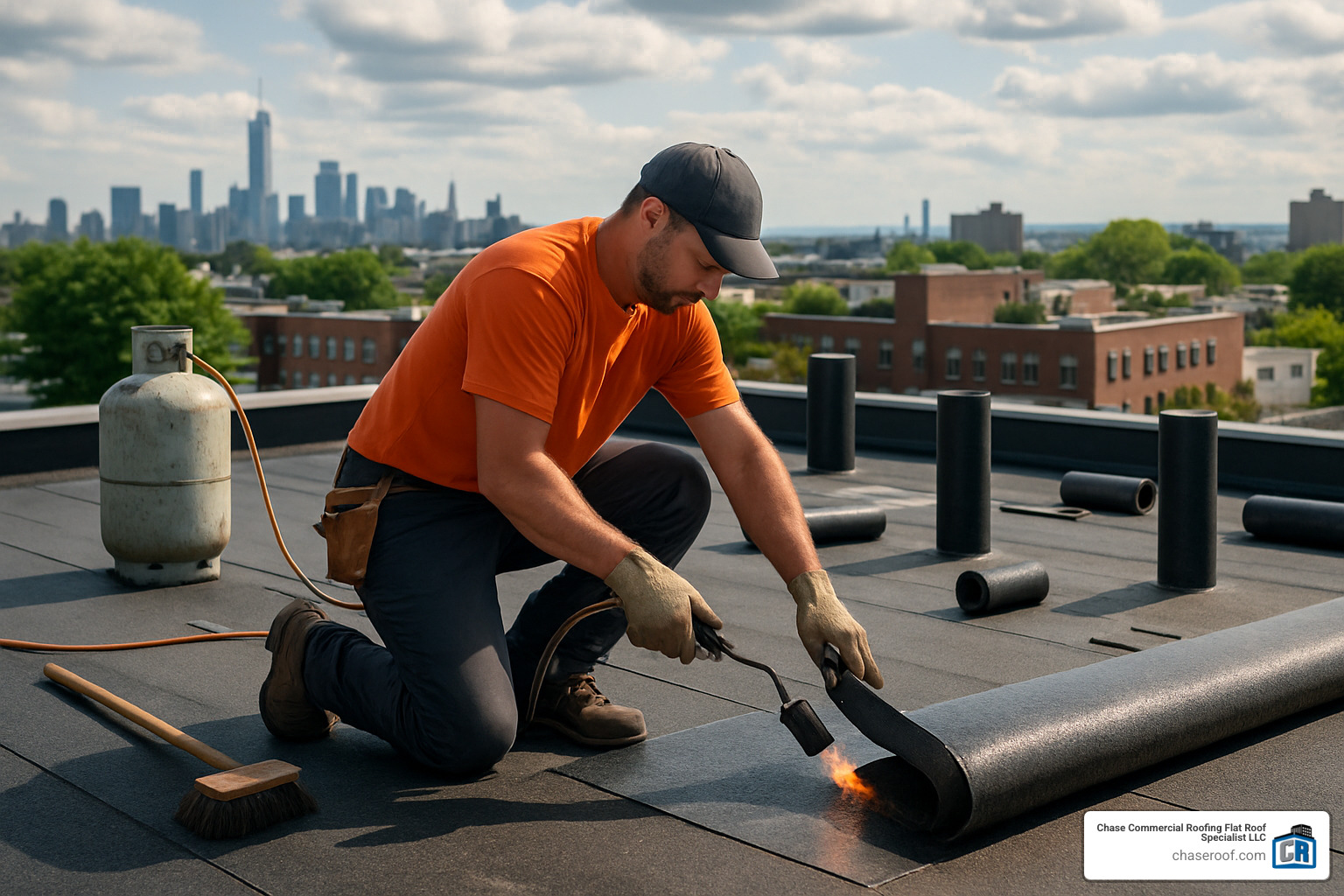
| Modified Bitumen | Granule loss and cracking | Apply cold-process adhesives or torch-applied patches |
| Built-Up (BUR) | Blistering and delamination | Remove affected plies, install new base sheets, seal with asphalt |
Protecting the Owner’s Investment
Beyond immediate repairs, professional contractors provide documentation and preventative plans. Owners should expect a comprehensive "roof condition report" following any inspection. This document acts as a maintenance log, which is essential for insurance claims and warranty enforcement.
Many roof manufacturers require documented annual or semi-annual maintenance by a certified contractor to keep a material warranty valid. If an owner allows debris to clog drains or ignores minor blistering, the manufacturer may void the warranty when a major failure occurs. Contractors assist owners by performing these inspections, clearing drainage systems, and performing minor preventative maintenance that identifies small issues before they require a full, costly roof replacement.
Selecting a Qualified Contractor
When hiring a repair contractor for a flat roof, owners must prioritize technical certification over low-bid pricing. Because flat roof systems often involve proprietary chemical bonding or hot-air welding, an unqualified technician can easily ruin a system by using incompatible materials.
Owners should verify the following:
- Manufacturer Certification: Does the contractor hold certifications from the specific brand of roofing material currently on the roof?
- Commercial Experience: Commercial flat roofs differ significantly from residential low-slope systems in terms of weight, insulation codes, and drainage requirements.
- Liability Coverage: Ensure the contractor carries specific commercial roof liability insurance. Given the use of open flames or specialized chemicals on commercial buildings, the risk of fire or workplace injury is higher than in standard residential jobs.
Frequently Asked Questions
Why does my flat roof pond water? Ponding occurs when the roof deck is not sufficiently sloped toward drains or if the structure has settled over time. While modern membranes are designed to handle occasional water, standing water can eventually break down the membrane. Contractors fix this by installing tapered insulation boards or adding extra drainage points.
How do I know if I need a repair or a full replacement? If the saturation of the underlying insulation exceeds 25% of the total roof area, most manufacturers and contractors recommend a full replacement. Repairing a saturated roof is often a "band-aid" solution because the water trapped in the insulation will continue to cause damage and loss of thermal efficiency.
Does a repair void my roof warranty? Generally, a repair performed by an authorized or certified contractor will not void a warranty. However, using unauthorized sealants or "mastic" over a proprietary membrane can void it. Always check your warranty documentation before authorizing a repair.
What is the difference between a patch and a coating? A patch is a surgical repair for a localized hole or seam failure. A roof coating, however, is a restorative layer applied to the entire surface to extend the life of a sound but aging roof. Coatings offer UV protection and reflective properties but are not a substitute for structural repairs.
How often should I have a professional inspect my flat roof? A professional inspection should be performed at least twice a year—ideally in the spring and autumn—to clear debris from drains and verify that no mechanical damage has occurred from HVAC technicians or other building maintenance crews.
Next Steps for Property Owners
If you suspect your roof is compromised, begin by documenting interior stains and scheduling a professional infrared moisture survey. Contact at least three local roofing firms that specialize in your specific roof type and ask for a detailed estimate that includes a site investigation rather than a remote quote. By prioritizing early detection and professional maintenance, you can ensure the longevity of the roof and avoid the significant capital expense of an premature full-building reroofing project.
Image Gallery