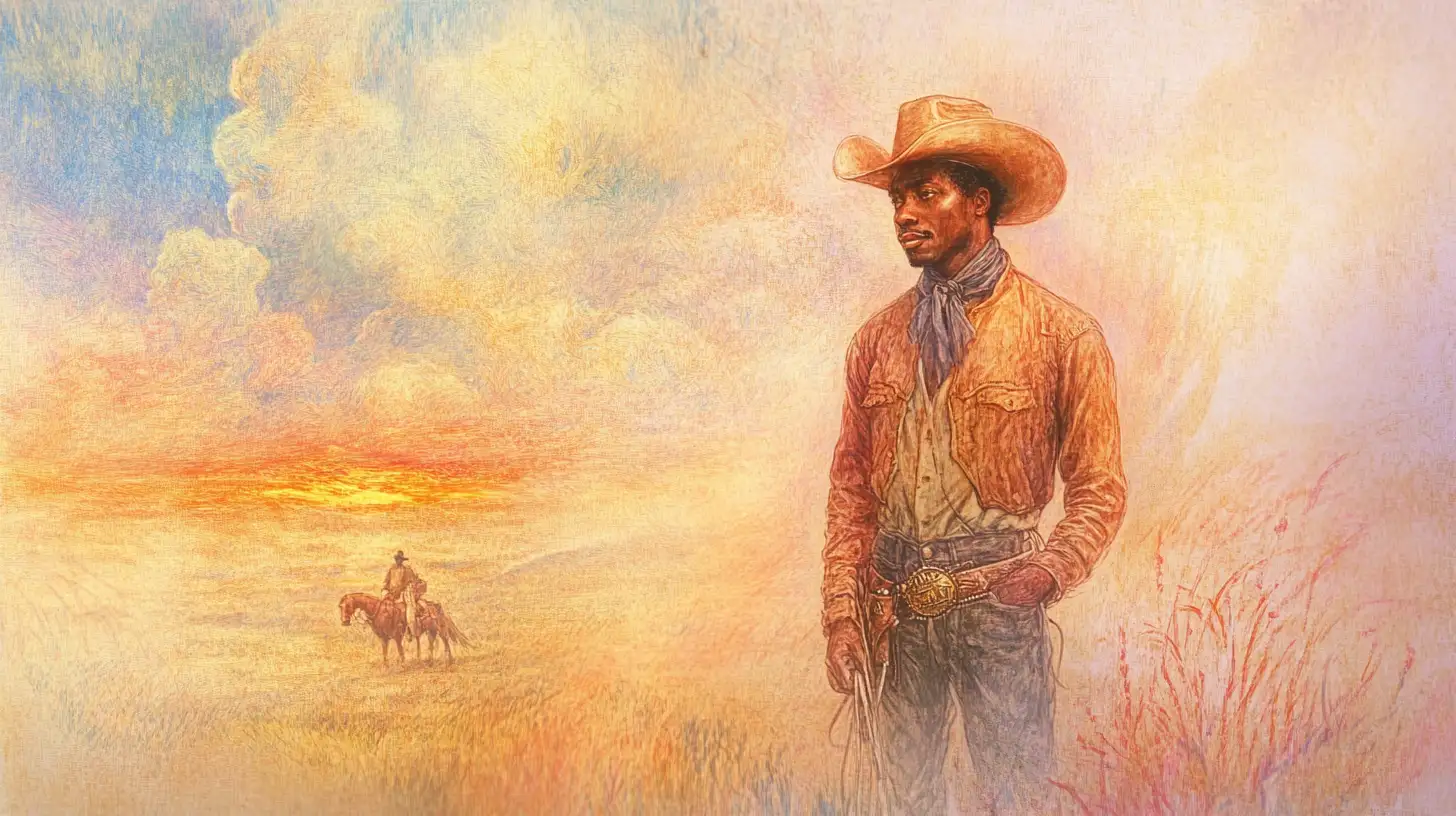
The Famous Cowboys and Cowgirls of the American West: Icons of the Frontier
The famous cowboys and cowgirls of the American West were frontier figures who defined 19th-century expansion through ranching, law enforcement, and entertainment. Icons like Bill Pickett, Annie Oakley, and Nat Love transformed a rugge...
The famous cowboys and cowgirls of the American West were frontier figures who defined 19th-century expansion through ranching, law enforcement, and entertainment. Icons like Bill Pickett, Annie Oakley, and Nat Love transformed a rugged, often grueling profession into a global myth, blending historical reality with the dramatic flair of Wild West shows.
Contents
The Reality of the Frontier Life
To understand the famous figures of the American West, one must first dismantle the Hollywood veneer of the mid-20th century. In 2026, historians and cultural researchers emphasize that the "Wild West" was not a monolithic experience of white settlers and outlaws. Instead, it was a multicultural melting pot where necessity dictated survival and social norms were often fluid.
The cowboy era flourished primarily between 1866 and 1886, a twenty-year window when massive cattle drives moved millions of head of cattle from Texas to railheads in Kansas. This period was born of economic necessity following the American Civil War. The work was dangerous, poorly paid, and physically exhausting. Cowboys and cowgirls faced extreme weather, stampedes, and the constant threat of injury. However, out of this harsh environment emerged the figures whose names remain synonymous with American independence and grit.
Legendary Cowboys: Skill, Grit, and Diversity
While the popular image of the cowboy was often whitewashed in early cinema, the historical reality was far more diverse. It is estimated that one in four cowboys were Black, and many others were Mexican Vaqueros, who provided the foundational skills, equipment, and terminology (such as lariat, chaps, and rodeo) that defined the trade.
Bill Pickett: The Pioneer of Steer Wrestling
Bill Pickett was a legendary Black cowboy who revolutionized the rodeo world. Born in Texas in 1870, Pickett is best known for inventing the technique of bulldogging, or steer wrestling. He would leap from his horse onto a steer’s head and bite its lip to subdue it—a method he learned by observing how cattle dogs controlled larger animals. Pickett became a global star with the 101 Ranch Wild West Show. His legacy is so profound that he was the first Black athlete inducted into the National Cowboy Hall of Fame in 1971.
Nat Love: The Legend of "Deadwood Dick"
Nat Love, born into slavery in Tennessee, migrated West after the Civil War and became one of the most famous Black cowboys in history. His autobiography, published in 1907, detailed his exploits as a champion marksman and expert rider. In 1876, after winning a series of competitions in Deadwood, South Dakota, he earned the nickname "Deadwood Dick." Love’s life represents the mobility the West offered to those with the skills to survive, regardless of their background.
Bass Reeves: The Indomitable Lawman
While often categorized as a lawman, Bass Reeves embodied the cowboy archetype through his expert horsemanship and survival skills. He was the first Black U.S. Deputy Marshal west of the Mississippi River. Over a 32-year career, he arrested more than 3,000 outlaws and killed 14 in self-defense. Historians frequently cite Reeves as a primary real-life inspiration for the "Lone Ranger," given his use of disguises and his unwavering commitment to justice.
The Trailblazing Cowgirls: Breaking Social Norms
The women of the American West often occupied roles that would have been unthinkable in the more "civilized" East. Whether they were running ranches, performing in shows, or delivering mail, these cowgirls challenged the Victorian gender roles of the era.
Annie Oakley: "Little Sure Shot"
Phoebe Ann Mosey, better known as Annie Oakley, was perhaps the most famous woman in the world during the late 19th century. Although she was a performer in Buffalo Bill’s Wild West show rather than a working ranch hand, she redefined what women were capable of in the public eye. Oakley could hit a thin playing card from 30 paces or shoot a cigar out of her husband's mouth. She was a staunch advocate for women learning to handle firearms for self-defense and sport, famously offering to train a regiment of female sharpshooters for the U.S. government.
Calamity Jane: A Frontier Enigma
Martha Jane Canary, known as Calamity Jane, lived a life that blurred the lines between fact and fiction. A professional scout, nurse, and performer, she was known for her rough manner and her penchant for dressing in men’s clothing—a practical choice for the rugged terrain of the West. She worked as a teamster and scout for various military expeditions and claimed to have been a close associate of Wild Bill Hickok. Her life was a testament to the survivalist spirit required of women who chose to live outside traditional domestic spheres.
Stagecoach Mary: The Fearless Mail Carrier
Mary Fields, or "Stagecoach Mary," was the first African American woman to work as a star route mail carrier in the United States. Standing six feet tall and known for carrying a pistol and a jug of whiskey, Fields never missed a day of work. She delivered mail through the harsh Montana winters, often on snowshoes when her horses couldn't make the journey. Her reputation for toughness and reliability made her a beloved, if unconventional, figure in her community.
Comparison of Notable Figures of the American West
The following table highlights the primary contributions and active periods of these iconic figures:
| Name | Active Era | Primary Role | Key Achievement |
|---|---|---|---|
| Bill Pickett | 1880s–1920s | Rodeo Performer | Invented "bulldogging" (steer wrestling). |
| Annie Oakley | 1885–1910 | Sharpshooter | Global symbol of female empowerment and skill. |
| Bass Reeves | 1875–1907 | Deputy U.S. Marshal | Arrested 3,000+ outlaws in Indian Territory. |
| Nat Love | 1869–1890 | Cowboy/Author | Famous for his autobiography and shooting skills. |
| Calamity Jane | 1870s–1890s | Scout/Frontier Figure | Notable for nursing and military scouting. |
| Stagecoach Mary | 1895–1903 | Mail Carrier | First Black female star route mail carrier. |
| Wyatt Earp | 1870s–1880s | Lawman/Gambler | Famous for the Gunfight at the O.K. Corral. |
The Tools and Techniques of the Trade
The fame of these individuals was built on mastery of specific tools. The Colt Single Action Army revolver and the Winchester Model 1873 rifle were the standard firearms of the era. However, for the working cowboy, the saddle was the most important piece of equipment. Unlike the English saddles used in the East, the Western saddle was designed for long hours of riding and featured a "horn" used to anchor a lariat when roping cattle.
The Vaquero tradition also introduced the use of "chaps" (leather leggings) to protect the rider's legs from brush and "spurs" to communicate with the horse. In 2026, many of these original tools are preserved in museums like the National Cowboy & Western Heritage Museum in Oklahoma City, serving as physical evidence of the mechanical ingenuity of the frontier.
The End of an Era and the Birth of a Myth
By the late 1880s, the "open range" began to disappear. Two primary factors led to the decline of the traditional cowboy lifestyle:
- Barbed Wire: Patented in 1874, barbed wire allowed ranchers to fence off their land, ending the era of free-roaming cattle and the need for massive long-distance drives.
- The Railroad Expansion: As tracks reached further into Texas and the Southwest, it became cheaper and faster to ship cattle by rail than to drive them hundreds of miles on foot.
As the practical need for cowboys waned, the demand for their stories grew. Buffalo Bill’s Wild West and similar traveling shows began to tour the U.S. and Europe, turning working-class ranch hands into romanticized heroes. Figures like Annie Oakley and Bill Pickett became celebrities not because of their daily chores, but because of their ability to perform those chores as entertainment.
Frequently Asked Questions
Were there really many Black cowboys in the American West?
Yes. Historical estimates suggest that approximately 25% of cowboys during the cattle drive era were African American. Many were former slaves who moved West seeking freedom and employment. Their contributions were often ignored in early 20th-century media but have been extensively documented by modern historians.
What was the difference between a cowboy and a vaquero?
The Vaquero was the original cowboy of Spanish and Mexican descent. They developed the techniques of ranching, roping, and riding long before English-speaking settlers moved into the Southwest. The American "cowboy" essentially adopted the Vaquero's tools, clothing, and terminology.
Did cowgirls actually participate in cattle drives?
While less common than men, many women did participate in cattle drives, often out of necessity to support family ranches. Some, like Lucinda "Molly" Mabry, were known to dress in men's clothing to work alongside the men, while others managed the logistics and cooking for the drive.
Why is Billy the Kid often called a cowboy?
Billy the Kid (William H. Bonney) worked as a ranch hand and cowboy before and during the Lincoln County War. While he is primarily remembered as an outlaw, his life reflected the fluid nature of the frontier, where many young men moved between legitimate ranch work and criminal activity.
How did the Wild West shows influence our perception of these figures?
Wild West shows prioritized entertainment over accuracy. They introduced the idea of the cowboy as a noble, gun-slinging hero, often omitting the grueling labor and the diverse racial reality of the profession. This "mythic" version of the West became the foundation for the Western film genre.
Recommendation for Further Exploration
To truly understand the legacy of the famous cowboys and cowgirls, one should look beyond the legends and examine the socio-economic pressures of the 19th century. If you are interested in the historical reality of the frontier, visit the National Cowboy & Western Heritage Museum or the Autry Museum of the American West. These institutions offer a balanced view of how the cattle industry shaped American culture and provide access to the primary documents and artifacts that prove the West was far more diverse and complex than the movies suggest.
Image Gallery