You Should Have Enough Life Insurance for the Police to Suspect the Wife: A Practical Guide to Coverage
The phrase "you should have enough life insurance for the police to suspect the wife" is a common piece of dark humor in the financial world used to emphasize the importance of being significantly over-prepared rather than under-insure...
The phrase "you should have enough life insurance for the police to suspect the wife" is a common piece of dark humor in the financial world used to emphasize the importance of being significantly over-prepared rather than under-insured. It suggests that your coverage should be so substantial that it provides your family with total financial independence, effectively eliminating any financial struggle that might follow your passing.
Contents
In the reality of 2026, where the cost of living, education, and healthcare continues to rise, what was once considered a "large" policy is now often the bare minimum for a middle-class family. This guide explores the technical aspects of determining "adequate" coverage, the financial underwriting process that prevents actual over-insurance, and the legal safeguards that govern high-value death benefits.
Understanding the Philosophy Behind the "Over-Insured" Trope
The core of this adage isn't about domestic suspicion; it is about the transition from "surviving" to "thriving." Most people purchase life insurance to cover immediate debts, such as a mortgage or funeral costs. However, true financial security involves replacing the deceased's economic value to the family for decades.
When people joke about "enough insurance to make the police suspicious," they are referring to a policy that doesn't just pay off the house but also:
- Replaces 100% of the lost income for the remainder of the working years.
- Funds the entirety of all children’s future education costs.
- Provides a "legacy" or "cushion" that allows the surviving spouse to never work again if they choose.
- Accounts for future inflation, which is a critical consideration for policies evaluated in 2026.
In professional financial planning, this is often called the "Human Life Value" approach. It shifts the perspective from "How much do I owe?" to "How much am I worth to my family over time?"
How Much Life Insurance is Actually "Enough" in 2026?
Determining the right amount of coverage requires moving past rules of thumb (like "10x your salary") and into specific, data-driven methodologies. As of 2026, a $1 million policy, which was a standard benchmark for years, often fails to meet the needs of a young family in a high-cost-of-living area.
The DIME Method Explained
The DIME method is a standard technical framework used by insurance professionals to calculate a baseline for "suspect-level" coverage:
- Debt: Sum up all outstanding debts, excluding the mortgage. This includes car loans, credit cards, and personal loans.
- Income: Multiply your annual income by the number of years your family will need support. For a young family, this might be 20 or 30 years.
- Mortgage: Include the total payoff amount for your primary residence and any other real estate holdings.
- Education: Estimate the future costs of college or vocational training for all children. In 2026, private university costs can exceed $90,000 per year, making this a significant line item.
The Human Life Value (HLV) Approach
The HLV approach is more complex and is often used by high-net-worth individuals. It calculates the present value of the total earnings, benefits, and services the individual would have provided to their family if they lived a full life. This calculation accounts for projected raises, bonuses, and even the "replacement cost" of household services (childcare, maintenance, etc.) that the deceased performed.
Why "Too Much" Insurance is Often Just Right
The risk of being under-insured is far greater than the risk of being "over-insured." If a policy is too small, the surviving family is forced to make immediate, traumatic lifestyle changes—selling the family home, moving schools, or taking on extra work during a period of grief.
A "suspect-level" policy—one that provides a significant surplus—acts as a hedge against the unknown. In 2026, these unknowns include:
- Medical Expenses: Final illnesses can result in massive out-of-pocket costs that deplete an estate before the life insurance even pays out.
- Economic Volatility: If the market crashes shortly after a breadwinner's death, a smaller policy invested in traditional equities may not provide the necessary draw-down for life expenses.
- Tax Changes: With the 2025 sunsetting of certain tax provisions affecting estates, liquidity is more important than ever for paying estate taxes without liquidating assets.
Navigating the Underwriting Process for High-Value Policies
While the joke suggests you can buy enough insurance to look suspicious, the insurance industry has strict "Financial Underwriting" protocols to prevent people from insuring themselves for more than they are "worth" in economic terms.
Carriers in 2026 use sophisticated algorithms to verify income and assets. If a person earning $50,000 a year tries to buy a $10 million life insurance policy, the application will be flagged. This is because life insurance is a contract of indemnity—it is meant to make the beneficiary "whole," not to provide a windfall that exceeds the economic value of the life lost.
To secure high-limit coverage, you must demonstrate:
- Insurable Interest: The beneficiary must suffer a financial loss if you die.
- Financial Justification: You must provide tax returns, W-2s, or business balance sheets to prove that the requested death benefit is a reasonable multiple of your earnings or your estate's tax liability.
The Legal Reality: The Slayer Rule and Large Claims
The dark humor regarding "the police suspecting the wife" touches on a very real legal concept: The Slayer Rule. In almost every jurisdiction, a beneficiary is legally prohibited from collecting life insurance proceeds if they are found to have intentionally and feloniously caused the death of the insured.
When a large death benefit is triggered, the insurance company's claims department performs due diligence. If the death is ruled a homicide or occurred under suspicious circumstances, the carrier will often withhold payment until the police investigation clears the beneficiary. This ensures that the policy serves its intended purpose—protection—rather than providing a motive for crime.
Comparison Table: Common Coverage Levels and Their Purposes
The following table illustrates how different levels of coverage serve different financial goals in the 2026 economic environment.
| Coverage Amount | Level of Protection | Primary Purpose |
|---|---|---|
| $250,000 - $500,000 | Basic / Minimal | Covers funeral costs and pays off small debts; provides 1-2 years of income replacement. |
| $1,000,000 | Standard Middle-Class | Covers a modest mortgage and provides roughly 5-10 years of income replacement for a mid-level earner. |
| $3,000,000 - $5,000,000 | Comprehensive | Covers high-value mortgages, full college tuition for multiple kids, and 15+ years of income replacement. |
| $10,000,000+ | High-Net-Worth | Used for estate tax liquidity, business succession, and multi-generational wealth transfer. |
Common Pitfalls in Life Insurance Planning
Even if you aim for a high level of coverage, several common mistakes can undermine the effectiveness of the policy:
- Relying Solely on Employer-Provided Life Insurance: Most employer policies only offer 1x or 2x your salary. This is rarely enough for "suspect-level" security, and the coverage is usually lost if you change jobs.
- Ignoring the "Stay-at-Home" Spouse: The economic value of a stay-at-home parent is often underestimated. Replacing the childcare, transport, and household management they provide can cost six figures annually.
- Failing to Update Beneficiaries: A massive policy is useless if it is paid out to an ex-spouse or a deceased relative because the paperwork wasn't updated in 2026.
- Not Considering Inflation: A $2 million policy today will have significantly less purchasing power in 20 years. Using "inflation riders" or laddering policies can mitigate this risk.
Frequently Asked Questions
Can I actually buy "too much" life insurance?
Technically, yes. Insurance companies limit the amount of coverage you can buy based on your age and income. For example, a 30-year-old might be allowed to buy 25-30 times their annual income, while a 60-year-old might be limited to 10-15 times. These limits are designed to prevent "over-insurance," which would create a moral hazard.
How does the insurance company know if I'm "over-insured"?
During the underwriting process, carriers check the MIB (Medical Information Bureau) and other databases to see how much coverage you already have with other companies. You are required to disclose all active and pending policies on your application.
Will a large policy actually make the police suspicious?
In the event of a non-natural death, police and insurance investigators always look at financial motives. However, having a professionally structured financial plan and a policy that aligns with your income and estate needs is seen as responsible planning, not a red flag.
Is term or whole life better for high-coverage amounts?
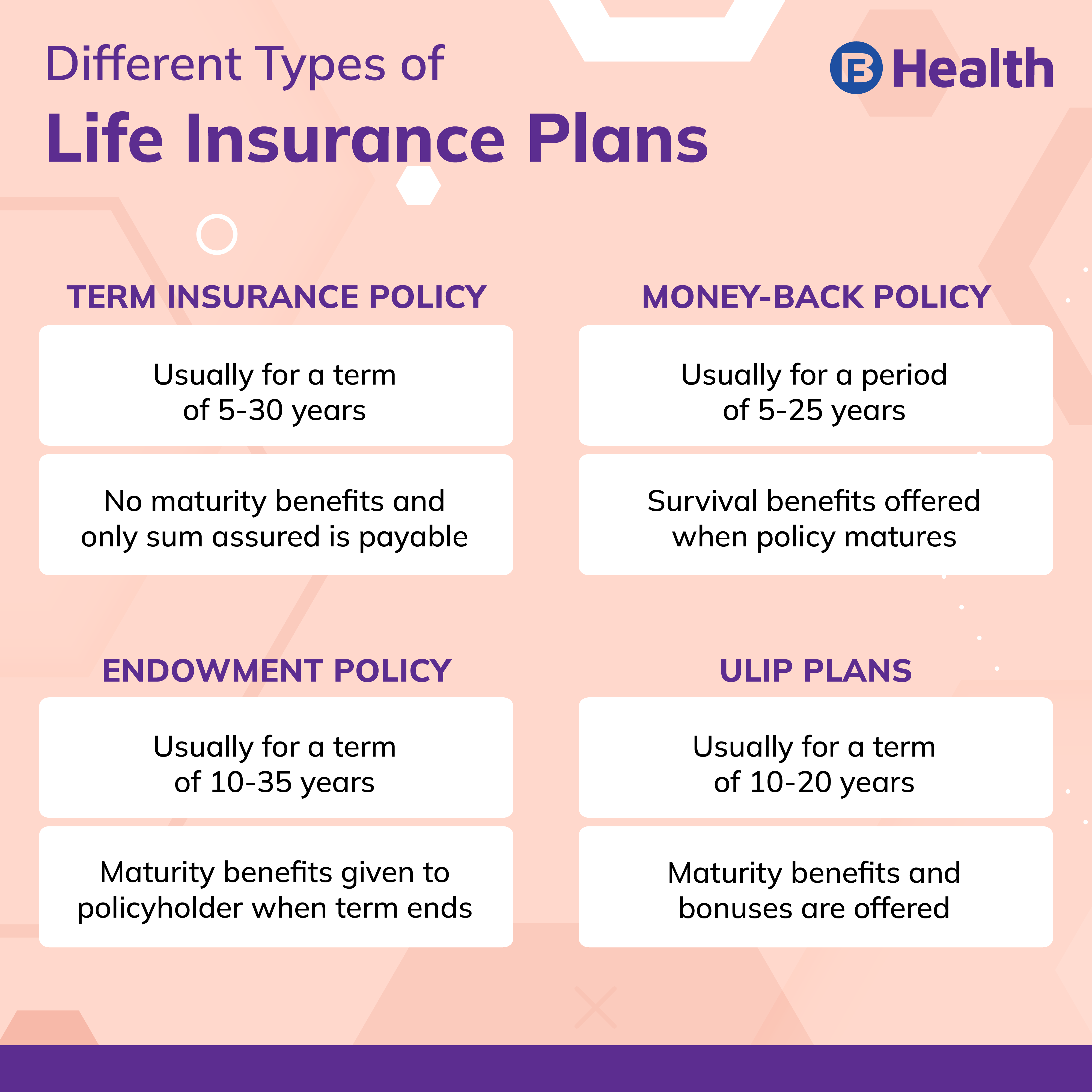
For most people seeking "enough for the police to suspect the wife," Term Life Insurance is the most cost-effective way to get high death benefits during the years when financial vulnerability is highest (e.g., while kids are young and the mortgage is high). Whole life is typically reserved for estate tax planning or cash-value accumulation.
What is "Laddering" life insurance?
Laddering involves buying multiple policies with different term lengths. For example, you might have a 30-year policy for $1 million to cover the mortgage and a 20-year policy for $2 million to cover the children's upbringing. This ensures you have the most coverage when you need it most while keeping costs manageable.
Final Recommendation
To truly achieve the level of security implied by the "suspicious" trope, you should consult with a financial advisor to conduct a full Needs Analysis. Do not settle for the basic coverage offered by your employer. Aim for a policy that covers your DIME requirements at a minimum, and consider the Human Life Value approach if you have high earnings potential. In 2026, a robust life insurance policy is the only way to guarantee that your family’s standard of living remains unchanged by the unthinkable.
Image Gallery