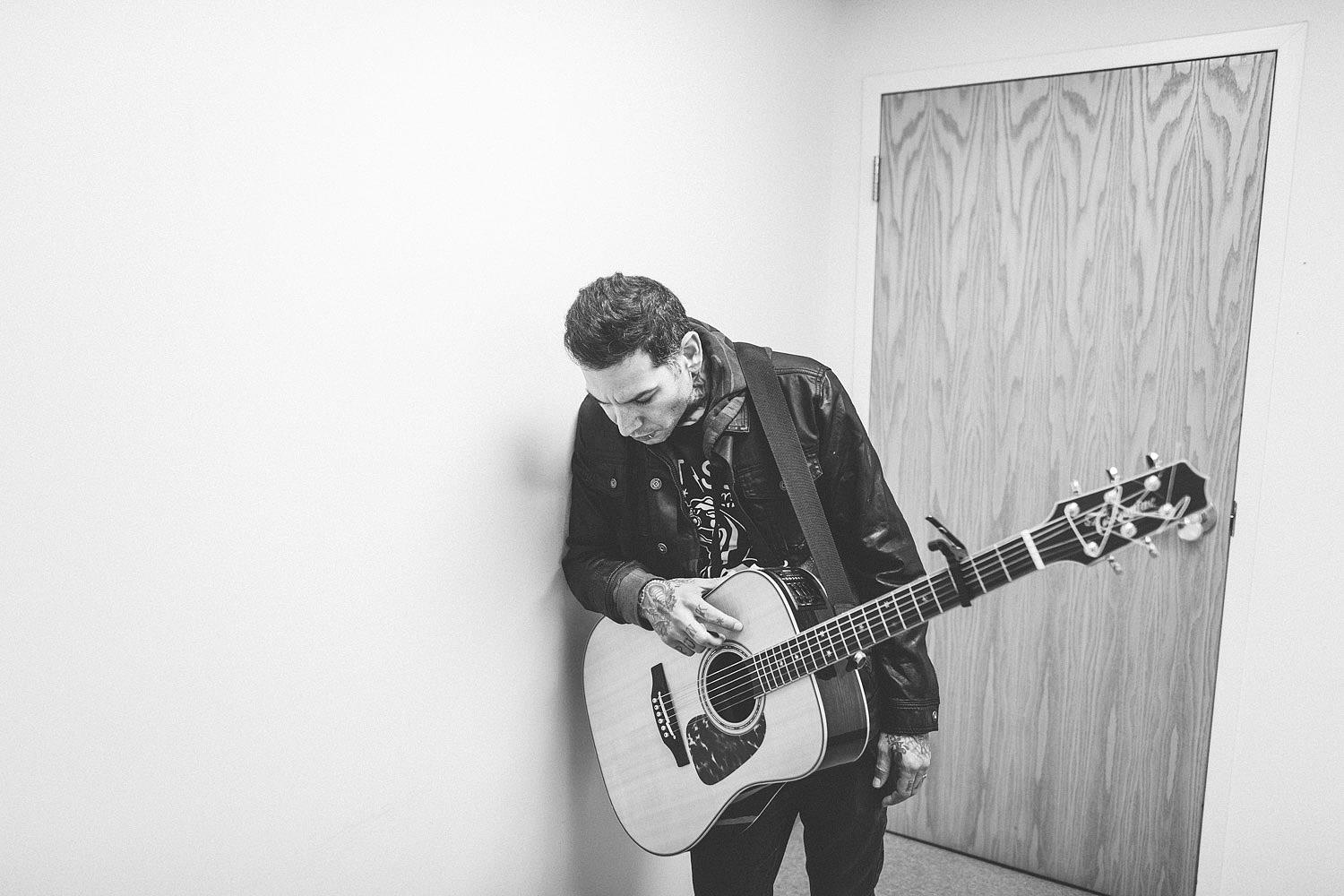
Understanding the Role of Mike Herrera in the Band Goldfinger
Mike Herrera is indeed a key member of the band Goldfinger, serving as the group's bassist. While widely recognized as the frontman for the pop-punk band MxPx, Herrera joined the ska-punk veterans Goldfinger as a touring and recording...
Mike Herrera is indeed a key member of the band Goldfinger, serving as the group's bassist. While widely recognized as the frontman for the pop-punk band MxPx, Herrera joined the ska-punk veterans Goldfinger as a touring and recording member in 2013, later becoming a permanent fixture within the lineup, contributing both his technical bass proficiency and vocal talents to their modern sound.
Contents
The Evolution of the Goldfinger Lineup
To understand the current musical landscape of Goldfinger, it is necessary to look at how the band has evolved since its formation in 1994. Founded by frontman John Feldmann, the band became a staple of the 1990s and 2000s ska-punk explosion. Over the decades, the band has experienced numerous changes in personnel. While John Feldmann has remained the constant creative engine behind the project, the rhythm section has seen several transitions.
When Mike Herrera joined the band in 2013, he brought with him decades of professional experience gained from his tenure with MxPx. His integration into Goldfinger was not merely a side project but a professional transition that allowed the band to maintain its high-energy live performances. By the time the band released The Knife in 2017—their first full-length studio album in nearly a decade—Herrera was firmly established as the group's bassist. His contribution to this album helped bridge the gap between the band's traditional ska roots and the more polished, modern production style that Feldmann has become known for in his work as a high-profile record producer.
Mike Herrera’s Dual Musical Identity
The involvement of Mike Herrera in Goldfinger is often analyzed through the lens of his primary career with MxPx. For fans of the Pacific Northwest punk scene, Herrera is synonymous with the fast-paced, melodic hardcore style of MxPx, a band he co-founded in 1992. His ability to maintain a rigorous touring and recording schedule for both bands is a testament to his work ethic and technical endurance.
In Goldfinger, Herrera’s playing style complements the brass-heavy, upbeat rhythm sections that characterize the genre. Unlike some collaborative projects where guest members contribute sporadically, Herrera’s role in Goldfinger is integral to their current operational identity. This arrangement highlights a common trend in the contemporary music industry: the "supergroup" model or the fluid movement of seasoned musicians between established legacy acts. For audiences familiar with Herrera’s work, his presence in Goldfinger provides a unique crossover appeal, drawing in listeners who may have grown up with the nineties ska-punk scene while keeping the band’s live shows grounded in high-level musicianship.
Professional Contributions to Studio Production and Live Performance
Beyond his role as the bassist, Mike Herrera contributes significantly to the vocal dynamics of Goldfinger. Given that he is a lead singer and songwriter in his own right, his backing vocals provide a depth that allows the band to recreate the complex harmonies found in their studio recordings during live sets.
In terms of technical performance, Herrera utilizes specific bass techniques that define the ska-punk genre—namely, rapid-fire downpicking and rhythmic syncopation that locks in with the drumming to create the "off-beat" feel essential to ska. His gear choices have historically leaned toward precision instruments that cut through the mix, which is vital given the density of a band that includes guitar, bass, drums, and a varying horn section.
| Feature | Mike Herrera in MxPx | Mike Herrera in Goldfinger |
|---|---|---|
| Primary Role | Lead Vocals / Bass | Bass / Backing Vocals |
| Musical Focus | Pop-Punk / Melodic Hardcore | Ska-Punk / Modern Rock |
| Tenure Start | 1992 (Founder) | 2013 (Permanent Member) |
| Performance Style | Front-man engagement | Rhythmic backbone / Harmony |
The Mechanics of Touring and Collaboration
For a musician of Herrera’s caliber, participating in a band like Goldfinger involves significant logistical coordination. Goldfinger operates primarily as a project-based touring entity, often timing performances around festivals or specific regional runs. This differs from the traditional model of a band that is constantly in the studio or on the road for extended, non-stop cycles.
By integrating into Goldfinger, Herrera has navigated the complexities of modern band management. This includes mastering a setlist that spans three decades of material. For fans asking how he handles both roles, it is important to note that the professional music industry often operates on a seasonal basis. MxPx frequently performs as an independent entity, which allows Herrera to fulfill obligations with Goldfinger without a conflict of interest or scheduling friction. This arrangement is facilitated by the fact that both bands operate within the broader punk rock ecosystem, sharing many of the same venues, promoters, and fan demographics.
Frequently Asked Questions
Is Mike Herrera still the lead singer of MxPx? Yes, Mike Herrera remains the lead singer, bassist, and primary songwriter for MxPx. His work with Goldfinger is a concurrent professional engagement that exists alongside his ongoing responsibilities with his original band.
Did Mike Herrera replace the original bassist of Goldfinger? Goldfinger has had multiple bassists throughout its history, including original members like Simon Williams and subsequent players like Kelly LeMieux. Herrera joined the group following the departure of previous bassists, effectively anchoring the rhythm section for the band's modern era.
Does Mike Herrera write songs for Goldfinger? While John Feldmann serves as the primary songwriter and producer for Goldfinger, the band functions as a collaborative unit. Herrera contributes to the arrangement of bass lines and vocal harmonies that are essential to the final studio output of the band's recent records.
How does Herrera’s involvement affect the band’s sound? Herrera’s presence provides a more aggressive, technically proficient low end that aligns with the evolution of the band’s sound toward a tighter, more modern rock aesthetic. His experience in production and long-term studio work ensures that the band's live sound matches the precision of their recorded work.
Can I see Mike Herrera play with both bands in one event? While rare, it is physically possible for both bands to perform at the same multi-day music festival. However, they are distinct musical entities with separate management and tour logistics. It is always recommended to check the official tour schedules of both bands to see if they are performing at the same venue on the same date.
Next Actions for Fans and Listeners
If you are interested in exploring the music of Goldfinger featuring Mike Herrera, the most effective starting point is the 2017 album The Knife. This record serves as a definitive look at the band's current lineup and demonstrates the collaborative effort between Feldmann and Herrera. For those tracking the band's touring status, monitor official social media channels for the band and the band members, as they are the primary sources for updated tour dates, festival announcements, and ticket availability for the 2026 season. Should you be interested in the technical aspects of bass performance, viewing live performance recordings from festivals like Slam Dunk or Punk Rock Bowling provides an excellent visual and auditory reference for Herrera’s playing style in a live environment.
Image Gallery