The Ultimate Guide to Past Nickelodeon Shows: Defining Eras, Iconic Series, and Cultural Legacy
Past Nickelodeon shows represent a foundational pillar of modern children's television, shaping the childhood landscape from the late 1970s through the golden era of the 1990s and 2000s. From groundbreaking animated series known as Nic...
Past Nickelodeon shows represent a foundational pillar of modern children's television, shaping the childhood landscape from the late 1970s through the golden era of the 1990s and 2000s. From groundbreaking animated series known as Nicktoons to boundary-pushing live-action sketch comedy and sitcoms, these programs defined generations of pop culture, established innovative production formats, and continue to command massive global streaming audiences in 2026.
Contents
The Evolution of Nickelodeon Programming Eras
Nickelodeon transformed from a modest regional cable channel launched in 1979 into a global powerhouse by redefining how networks engaged young audiences. Understanding the trajectory of past Nickelodeon shows requires examining the distinct eras that shaped the network's identity, production styles, and creative risks.
The Experimental Foundations (1979–1990)
Before the network became synonymous with green slime, its early years relied on imported series, innovative game shows, and quirky, artistic puppet programs.
- Pinwheel: The network's very first flagship series, focusing on educational and gentle developmental content for preschoolers.
- You Can't Do That on Television: Imported from Canada, this anarchic sketch comedy introduced rapid-fire humor, dark satire, and the iconic green slime punishment that would become the network's lifelong trademark.
- Double Dare: Hosted by Marc Summers, this physical game show revolutionized children's television by combining messy stunts, trivia, and high-energy chaos, establishing the network's signature physical comedy style.
The Golden Age of Nicktoons and Live-Action (1991–2004)
The watershed moment arrived in August 1991 with the premiere of the first three original animated series—collectively branded as Nicktoons. This era prioritized creator-driven animation and creator-led live-action sitcoms that respected kids' intelligence, celebrated weirdness, and avoided sanitized tropes.
| Show Title | Premiere Year | Genre | Core Cultural Impact |
|---|---|---|---|
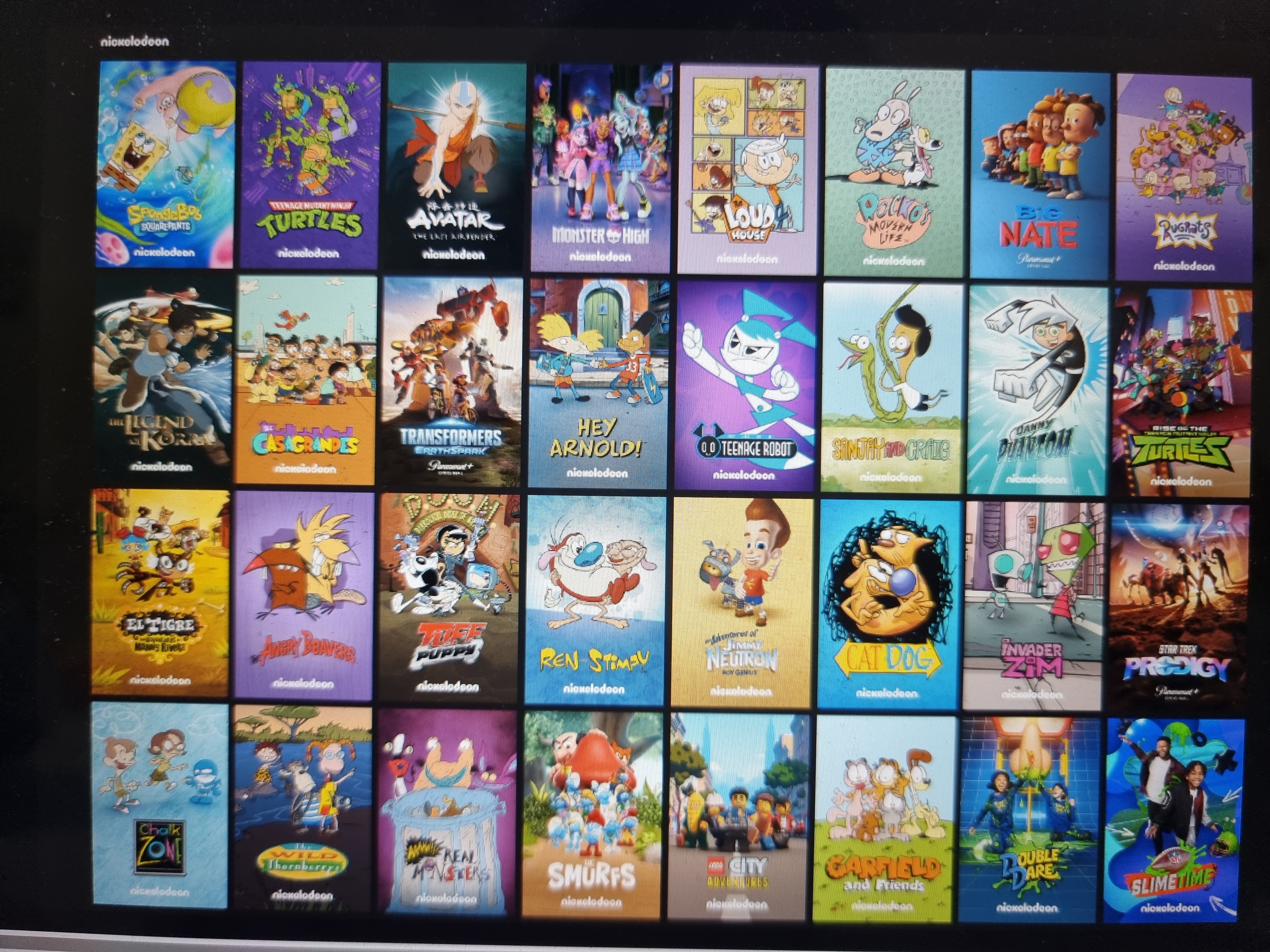
| Rugrats | 1991 | Animated | Explored the world from a toddler's perspective; became a massive merchandising juggernaut and one of the longest-running cable cartoons. |
| Doug | 1991 | Animated | Pioneered relatable, grounded suburban adolescence and diary-entry narration before moving to Disney. |
| The Ren & Stimpy Show | 1991 | Animated | Revolutionized animation with grotesque close-ups, subversive humor, and an influential gross-out aesthetic. |
| The Adventures of Pete & Pete | 1993 | Live-Action | Elevated children's television into surrealist indie art, featuring quirky suburban settings and acclaimed indie-rock soundtracks. |
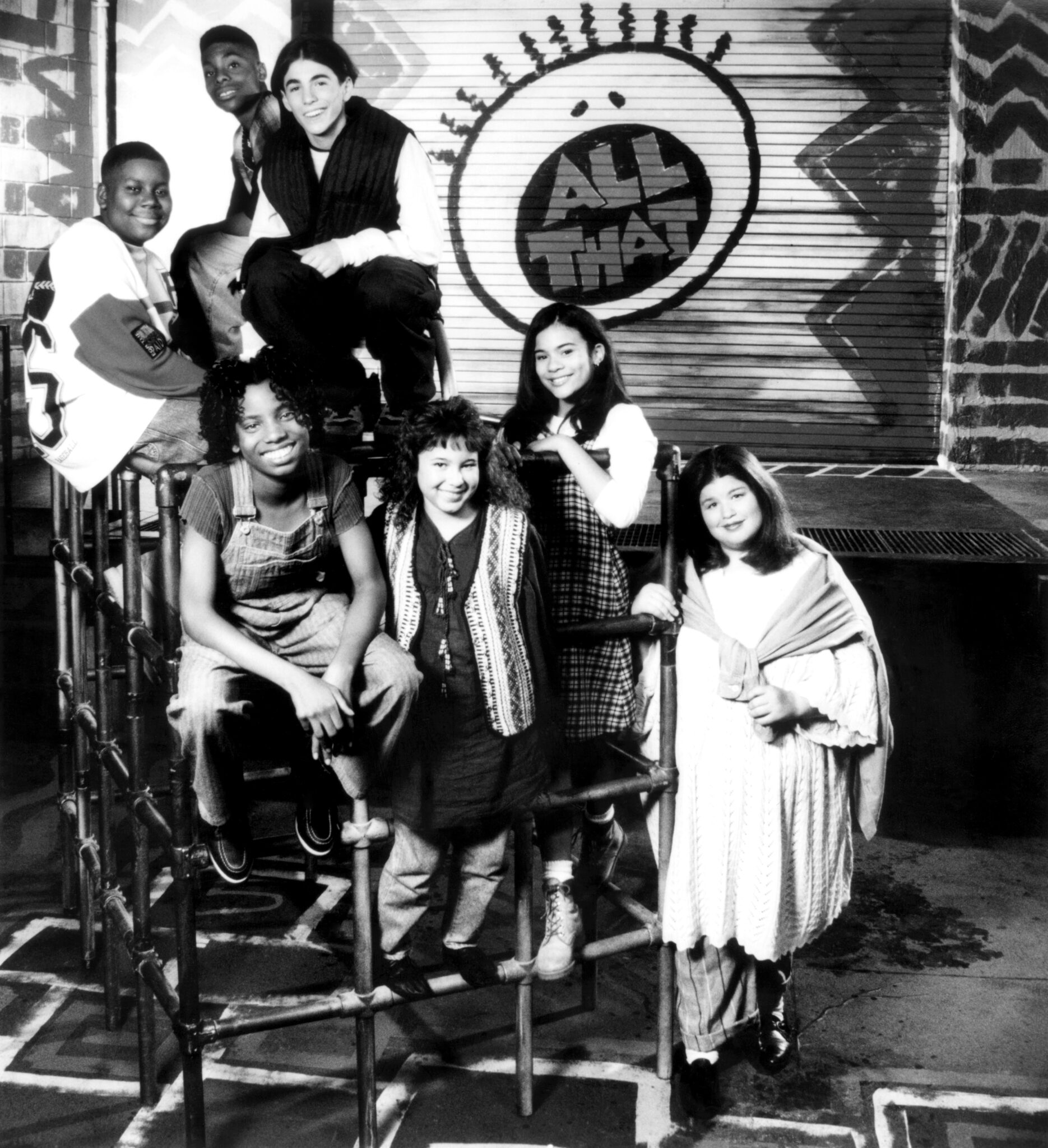
| All That | 1994 | Live-Action | Served as "Saturday Night Live for kids," launching the careers of major comedic talents and sketch stars. |
| SpongeBob SquarePants | 1999 | Animated | Became an immortal global multimedia phenomenon, meme goldmine, and anchor of modern animation. |
Iconic Nicktoons That Redefined Animation
The introduction of Nicktoons broke the monopoly held by Saturday morning network television, proving that cable channels could sustain daily, original, high-quality animated storytelling. Creators were given unprecedented artistic freedom, leading to distinct visual styles and sophisticated storytelling.
Subversive Storytelling and Visual Style
Shows like Rocko's Modern Life (1993) and Hey Arnold! (1996) utilized clever double entendres, satirical social commentary, and deeply human emotional cores. Hey Arnold! stood out for its urban realism, treating inner-city life, complex family dynamics, and childhood melancholy with immense dignity and nuance.
Later in the decade, The Fairly OddParents (2001) utilized hyper-fast pacing, snappy writing, and magical realism to capture the chaotic wish-fulfillment fantasies of childhood, running for over a decade and cementing itself as a pillar of 2000s television.
Groundbreaking Live-Action Comedies and Game Shows
While animation built the network's brand equity, live-action sitcoms and game shows created deep parasocial bonds with viewers through live-action studio audiences, recurring characters, and interactive participation.
The Blueprint of Live-Action Success Studio Formats and Talent Pipelines: Live-action hits relied heavily on multi-camera studio setups, physical comedy, and deep ensemble casts. Shows like Clarissa Explains It All (1991) broke the fourth wall long before modern streaming comedies, while Kenan & Kel (1996) perfected the classic comedy duo dynamic, proving that children's television could sustain sophisticated comedic timing and memorable catchphrases.
Game shows also engaged viewers at home by inviting everyday kids to participate in messy, high-stakes challenges. Programs like Legends of the Hidden Temple and GUTS combined physical endurance, historical trivia, and Mayan mythology or extreme sports aesthetics, creating an aspirational playground that viewers dreamed of conquering.
Production Innovations and Cultural Legacy
The enduring success of past Nickelodeon shows lies in production decisions that prioritized creator vision and interactive engagement over corporate homogenization.
- Creator-Driven Content: By empowering visionary animators like Craig Bartlett, Hillenburg, and John Kricfalusi, the network fostered distinct artistic signatures rather than standardized corporate art.
- The Slime Culture: Slime served as an equalizer. It broke down authority figures, rewarded bravery, and created an inclusive, chaotic rite of passage that united audiences globally.
- Cross-Platform Syndication: Long before streaming, the network mastered the art of vertical integration, utilizing magazines, video games, theme park attractions (Nickelodeon Universe), and theatrical films to turn television shows into lifestyle brands.
Streaming, Nostalgia, and the Modern Relevancy of Retro Content
In 2026, past Nickelodeon shows enjoy unprecedented cultural and commercial longevity. Streaming platforms, digital archives, and social media clip economies have transformed retro children's television into valuable intellectual property.
Adults who grew up watching these series now share them with their own children, driving a robust nostalgic economy. Paramount+ and various digital storefronts host deep libraries of these classics, while merchandise collaborations with streetwear brands, toy manufacturers, and collectible companies prove that 90s and 2000s nostalgia is a permanent fixture of modern entertainment culture.
Frequently Asked Questions About Past Nickelodeon Shows
What was the very first original Nicktoon?
The first original Nicktoons—often referred to as the "Nicktoon Trio"—premiered on August 11, 1991, consisting of Rugrats, Doug, and The Ren & Stimpy Show. These three series simultaneously launched the network's original animation revolution and set a new standard for cable television programming.
Who created SpongeBob SquarePants, and when did it premiere?
SpongeBob SquarePants was created by marine biologist and animator Stephen Hillenburg. The series officially premiered on May 1, 1999, following the Kids' Choice Awards, before launching its regular broadcast run later that year in July.
Where can I watch classic 90s Nickelodeon shows today?
Most past Nickelodeon shows are available for streaming on Paramount+. Additionally, select episodes, digital clips, and compilations are widely distributed across official YouTube channels, digital rental platforms, and various FAST (Free Ad-supported Streaming TV) services.
What live-action sketch show launched the careers of many 90s comedians?
All That, which premiered in 1994, served as the primary launching pad for numerous comedic actors. Notable alumni include Kenan Thompson, Amanda Bynes, Nick Cannon, Kel Mitchell, and Lori Beth Denberg, many of whom transitioned directly into prime-time television and film.
Did Nickelodeon produce game shows that real kids could participate in?
Yes, the network produced numerous interactive game shows where child contestants competed in physical and mental challenges. Iconic examples include Double Dare, Legends of the Hidden Temple, GUTS, and Nick Arcade, all filmed primarily at Nickelodeon Studios in Universal Studios Florida.
Rediscovering Your Favorite Childhood Classics
Revisiting past Nickelodeon shows offers a fascinating look at the evolution of media, comedy, and artistic expression tailored for younger audiences. Whether you are seeking the surreal suburban art of The Adventures of Pete & Pete, the groundbreaking animation of early Rugrats, or the frantic energy of 90s game shows, diving back into these archives reveals timeless storytelling that continues to entertain millions across generations.
Image Gallery