Who Aaliyah Was Signed To: A Complete Record Label History
Throughout her career, Aaliyah was primarily signed to Blackground Records, an independent label founded by her uncle, Barry Hankerson. Because Blackground was a boutique label, it relied on major record companies for distribution and...
Throughout her career, Aaliyah was primarily signed to Blackground Records, an independent label founded by her uncle, Barry Hankerson. Because Blackground was a boutique label, it relied on major record companies for distribution and marketing, leading Aaliyah to be successively partnered with Jive Records, Atlantic Records, and Virgin Records across her three studio albums.
Contents
Understanding Aaliyah's record deals requires looking at the intersection of family business, independent entrepreneurship, and the power of major label distribution in the 1990s and early 2000s. Her career was a blueprint for the "boutique label" model, where a small team maintains creative control while leveraging the massive infrastructure of a global conglomerate.
The Foundation: Blackground Records and Barry Hankerson
The central entity in Aaliyah's professional life was Blackground Records. Founded in 1991 by Barry Hankerson, Aaliyah’s uncle, the label was built around her talent. Hankerson was an experienced industry veteran who had previously managed Gladys Knight and worked within the political and entertainment spheres of Detroit and New York.
Blackground was more than just a legal entity; it was a family-run operation designed to protect Aaliyah’s interests and curate a specific "street but sweet" image. However, as an independent label, Blackground lacked the manufacturing plants, international shipping networks, and massive radio promotion teams required to make a teenager a global superstar. To solve this, Hankerson negotiated a series of distribution deals. These deals meant that while Aaliyah was "signed" to Blackground, her music was manufactured and promoted by some of the biggest names in the industry.
The Jive Records Era (1991–1995)
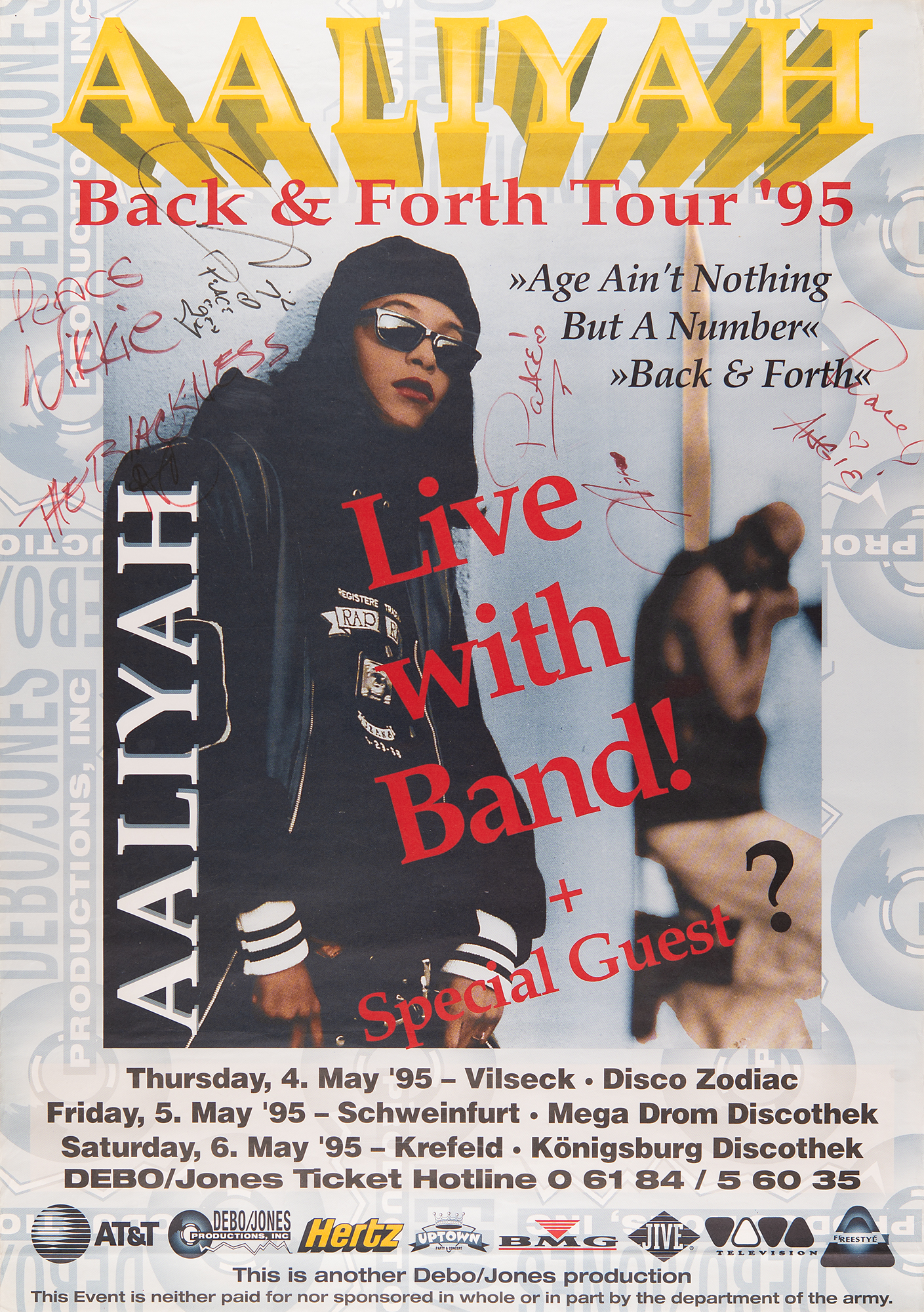
Aaliyah’s first major partnership was with Jive Records. In the early 1990s, Jive was a powerhouse for R&B and Hip-Hop, boasting a roster that included R. Kelly, KRS-One, and A Tribe Called Quest. Aaliyah signed her contract at the age of 12, and her debut album, Age Ain't Nothing But a Number, was released in 1994.
The R. Kelly Connection
The Jive era was defined by the mentorship and production of R. Kelly. Because both were under the Jive umbrella (Kelly as a flagship artist and Aaliyah via the Blackground/Jive distribution deal), the collaboration was seamless from a business perspective. Kelly wrote and produced the entirety of her first album, which was certified Double Platinum.
The Departure from Jive
The relationship with Jive became complicated following the legal and social controversy surrounding a secret, illegal marriage between the minor Aaliyah and R. Kelly. While the marriage was eventually annulled, the professional fallout necessitated a clean break. Hankerson moved Blackground Records away from Jive to distance Aaliyah from Kelly and to give her a fresh start for her sophomore effort.
The Atlantic Records Era (1996–2000)
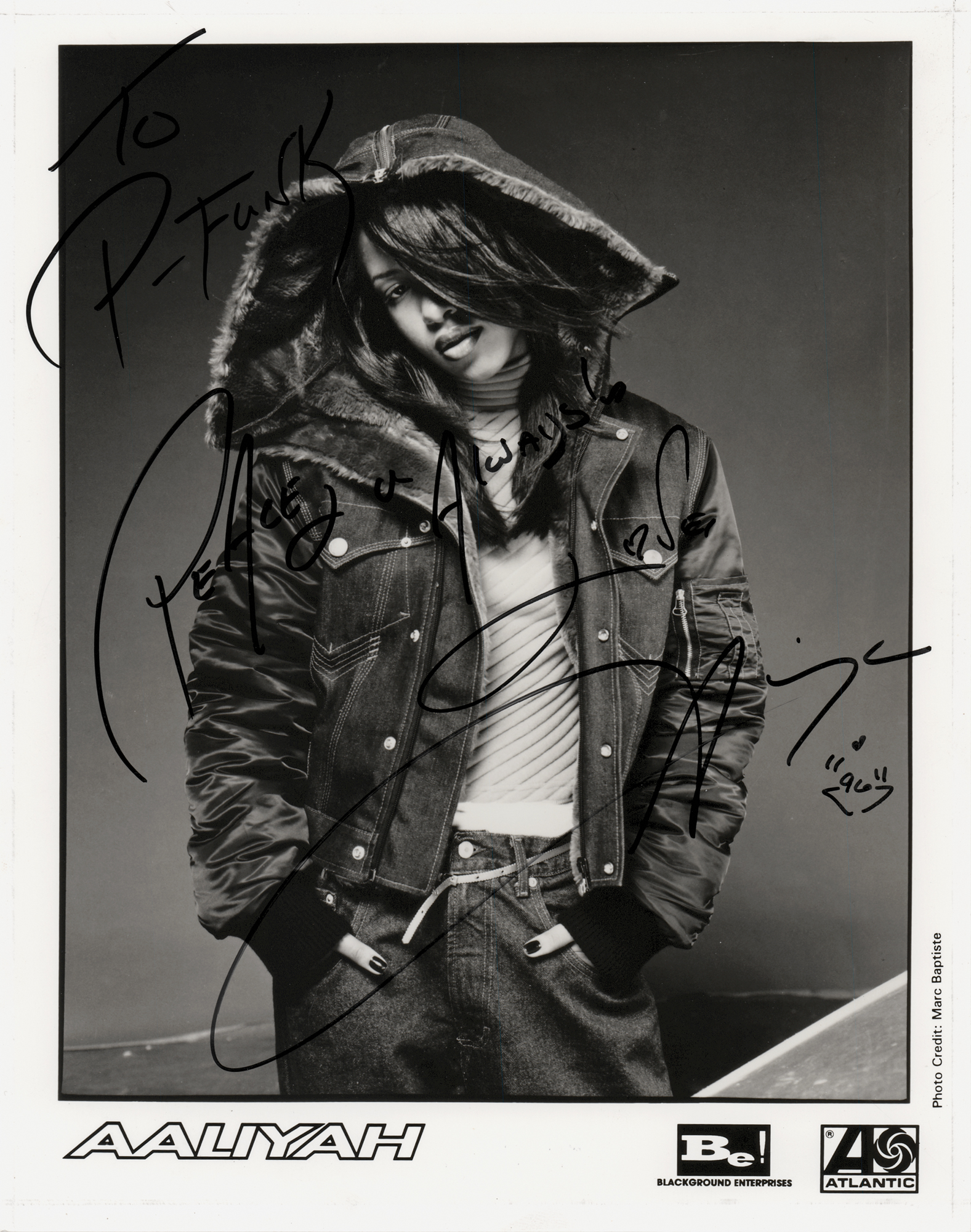
Following the departure from Jive, Blackground Records entered into a distribution agreement with Atlantic Records, a subsidiary of the Warner Music Group. This period is often cited as the most creatively influential era of Aaliyah's career.
Rebranding and Innovation
At Atlantic, Aaliyah was introduced to then-emerging producers Timbaland and Missy Elliott. The resulting album, One in a Million (1996), moved away from the "New Jack Swing" sound of her debut and toward a futuristic, avant-garde style of R&B. Atlantic’s massive promotional reach helped Aaliyah transition from a domestic success to an international icon.
Soundtrack Success
The Atlantic deal also facilitated Aaliyah’s entry into film soundtracks. Because Atlantic had a robust film music department, Aaliyah was able to contribute to major projects like Anastasia ("Journey to the Past") and Dr. Dolittle ("Are You That Somebody?"). These tracks were pivotal because they kept her in the public eye during the five-year gap between her second and third albums.
The Virgin Records Era (2000–2001)
By the turn of the millennium, Blackground Records had grown significantly. Barry Hankerson sought even more favorable terms and a more global focus for Aaliyah’s self-titled third album. This led to a new distribution partnership with Virgin Records (then a part of the EMI Group).
The deal with Virgin was reportedly highly lucrative, reflecting Aaliyah's status as a multi-platinum artist and a budding movie star (following her role in Romeo Must Die). Virgin oversaw the rollout of the 2001 album Aaliyah, which featured a more mature, experimental sound. The label was heavily involved in the high-budget music videos for "We Need a Resolution" and "Rock the Boat." It was during the filming of the latter in the Bahamas that Aaliyah tragically passed away in a plane crash on August 25, 2001.
Summary of Aaliyah’s Primary Label Affiliations
The following table outlines the timeline of Aaliyah's recording contracts and the primary partners involved in her career.
| Period | Primary Recording Label | Distribution/Major Partner | Key Projects Released |
|---|---|---|---|
| 1991–1995 | Blackground Records | Jive Records | Age Ain't Nothing But a Number |
| 1996–2000 | Blackground Records | Atlantic Records | One in a Million, Dr. Dolittle OST |
| 2000–2001 | Blackground Records | Virgin Records (EMI) | Aaliyah (The Red Album) |
| 2001–2021 | Blackground Records | Various (Legal Stalemate) | I Care 4 U (Posthumous) |
| 2021–Present | Blackground Records 2.0 | Empire Distribution | Catalog Streaming Release |
The Posthumous Dispute and Empire Distribution
For nearly two decades after her death, much of Aaliyah’s catalog (specifically her second and third albums) was famously unavailable on digital streaming platforms like Spotify and Apple Music. This was due to a long-standing stalemate between Blackground Records and various stakeholders, including the Aaliyah Estate and the original major label partners.
Because Blackground owned the "master" recordings but the distribution deals with Atlantic and Virgin had expired or were tied up in complex legal language, the music remained in a digital vacuum. Fans were forced to rely on physical CDs or unofficial uploads.
In 2021, a resolution was finally reached. Barry Hankerson relaunched his label as Blackground Records 2.0 and partnered with Empire Distribution, a modern San Francisco-based independent distributor. This deal finally brought Aaliyah’s full discography to streaming services, ensuring that her music was accessible to a new generation of listeners in 2026 and beyond.
Intellectual Property: Who Owns the Masters?
In the music industry, "owning the masters" means having control over the original sound recordings. For Aaliyah’s work, the ownership structure is split:
- The Debut Album: Ownership and rights for Age Ain't Nothing But a Number are largely tied to Jive Records (now a part of Sony Music Entertainment), which is why this album was always available on streaming platforms even when the others were not.
- The Later Catalog: The masters for One in a Million and the self-titled Aaliyah are owned by Blackground Records.
- The Estate: The Aaliyah Estate, managed by her mother Diane Haughton and brother Rashad Haughton, controls her "Right of Publicity" (her name and likeness) but has historically had a contentious relationship with Blackground regarding the management of her musical masters.
Frequently Asked Questions
Why was Aaliyah signed to her uncle’s label instead of a major label?
Signing to a family-owned independent label like Blackground allowed Aaliyah to maintain more creative control and keep a larger percentage of her earnings within the family. It also allowed Barry Hankerson to act as both her manager and her label head, consolidating power and ensuring that Aaliyah was the absolute priority of the company, rather than being one of dozens of artists at a major corporation.
Did Aaliyah ever sign a movie deal with a studio?
While not a record label deal, Aaliyah signed a multi-picture deal with Warner Bros. Pictures. This was a separate professional track from her music career. Through this deal, she starred in Romeo Must Die and filmed Queen of the Damned. She was also cast in the sequels to The Matrix, though she passed away before her scenes were completed.
Why did Aaliyah leave Jive Records?
Aaliyah left Jive Records primarily to distance herself from R. Kelly following the scandal surrounding their illegal marriage in 1994. Although she was signed to Blackground, Jive was the distributor and the home of R. Kelly. Moving to Atlantic Records provided a "soft reboot" for her career, allowing her to work with new producers like Timbaland and Missy Elliott.
Who is currently responsible for Aaliyah's music in 2026?
As of 2026, her music is distributed by Empire Distribution under license from Blackground Records 2.0. This partnership handles the digital streaming rights and any new physical reissues of her classic albums. The Aaliyah Estate continues to manage her brand, merchandise, and legacy projects.
Was Aaliyah signed to any labels after her death?
Aaliyah herself could not sign new deals, but her label, Blackground, released posthumous material through various partners. For example, the 2002 compilation I Care 4 U was released through a partnership between Blackground and Universal Music Group.
Practical Recommendation for Researchers and Fans
If you are researching Aaliyah’s business history or seeking to license her music, it is essential to distinguish between the recording rights (the masters) and the publishing rights (the written lyrics and melody).
For those looking to support her legacy, ensure you are streaming her music through official channels provided by Blackground Records 2.0 and Empire. This ensures that the royalty streams are directed toward the legal owners and the entities that maintain her catalog. If you are a professional looking for licensing information, Blackground Records remains the primary contact for her second and third albums, while Sony Music (Jive) handles her debut.
Image Gallery