Best Insurance Companies for an Auto Repair Shop in 2026
The best insurance companies for an auto repair shop include Progressive Commercial, The Hartford, Travelers, Liberty Mutual, and State Farm. These providers offer specialized garage liability and garagekeepers policies essential for p...
The best insurance companies for an auto repair shop include Progressive Commercial, The Hartford, Travelers, Liberty Mutual, and State Farm. These providers offer specialized garage liability and garagekeepers policies essential for protecting customer vehicles, expensive diagnostic equipment, and business premises against operational risks, theft, and accidental damage.
Contents
Selecting the right insurance carrier is one of the most critical financial decisions an auto repair shop owner will make. In 2026, the automotive industry faces a complex landscape of high-tech diagnostics, electric vehicle (EV) specialized equipment, and rising litigation costs. General liability insurance is rarely sufficient for this niche; instead, shop owners require a suite of specialized coverages tailored to the unique risks of "care, custody, and control" over a customer’s high-value asset.
Understanding the Essential Coverages for Auto Repair Shops
Before evaluating specific carriers, it is vital to understand the technical components of an automotive insurance package. Unlike a standard retail business, a repair shop handles customer property that is frequently in motion and under the influence of mechanical intervention.
Garage Liability Insurance
Garage liability is the foundation of any automotive business policy. It functions as a hybrid of general liability and commercial auto insurance. It covers bodily injury and property damage resulting from garage operations. For example, if a customer slips in the waiting area or if a technician accidentally causes an accident while test-driving a vehicle, garage liability provides the necessary defense and settlement funds.
Garagekeepers Insurance
This is arguably the most misunderstood yet essential coverage in the industry. While garage liability covers the "operations," garagekeepers insurance covers the "property" of the customer. If a customer’s vehicle is damaged by fire, theft, vandalism, or an accident while in your shop's care, garagekeepers insurance pays for the repairs. In 2026, as vehicle valuations remain high due to advanced sensor arrays and battery technology, adequate garagekeepers limits are non-negotiable.
Commercial Property and Tool Coverage
Auto repair shops house hundreds of thousands of dollars in specialized tools, lifts, and diagnostic computers. Standard property insurance covers the building, but "inland marine" or specific "tool and equipment" riders are often necessary to ensure that a technician’s personal tools or the shop’s expensive specialized scanners are protected from theft or fire, both on and off the premises.
Top-Rated Insurance Companies for Auto Repair Shops
Based on financial stability, claims processing efficiency, and the specificity of their automotive programs, the following companies are the industry leaders for 2026.
1. Progressive Commercial
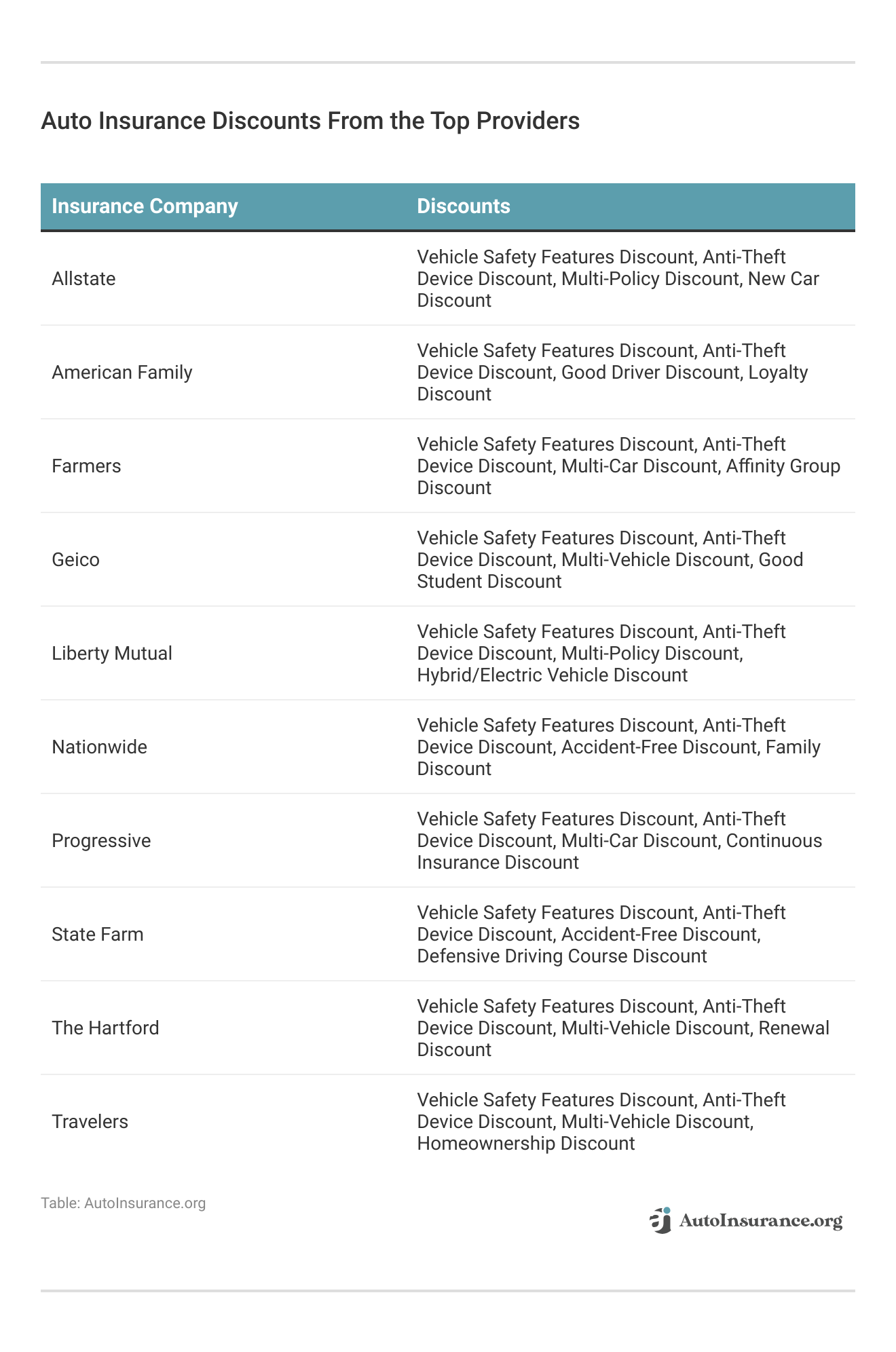
Progressive has solidified its position as a top choice for small to mid-sized independent repair shops. Their competitive edge lies in their ease of use and digital integration. They offer a "Garage Professional" package that bundles liability and garagekeepers coverage with flexible payment options. Progressive is particularly well-suited for shops that also offer towing services, as they can seamlessly integrate commercial auto and on-hook coverage into a single policy.
2. The Hartford
The Hartford is widely recognized for its deep understanding of small business needs. Their specialized "Auto Repair Shop Insurance" program includes unique features such as "Loss of Income" coverage, which is vital if a fire or natural disaster forces the shop to close temporarily. The Hartford’s "Stretch" endorsements allow shop owners to increase limits on specific categories like valuable papers, outdoor signs, and debris removal, which are often overlooked in basic policies.
3. Travelers
Travelers is an excellent choice for larger, multi-bay operations or franchise locations. They offer robust risk control services, helping shop owners identify safety hazards before they lead to claims. Their "Select Accounts" for automotive businesses provide comprehensive coverage for environmental hazards, such as oil spills or chemical leakage, which are significant risks in the repair industry.
4. Liberty Mutual
Liberty Mutual excels in providing tailored solutions for specialized shops, such as those focusing exclusively on transmissions, diesel engines, or high-end European imports. They offer a broad range of limits and have a dedicated claims team that understands the specific labor rates and parts costs associated with automotive repairs. Their "Equipment Breakdown" coverage is particularly strong, protecting against the sudden failure of expensive hydraulic lifts or air compressors.
5. State Farm
For many shop owners, the value of a local agent cannot be overstated. State Farm offers a personalized approach with agents who often visit the shop to conduct annual reviews. Their "Businessowners Policy" (BOP) for auto repairers is highly customizable. State Farm is also known for its "Non-Owned Auto" coverage, which protects the business if an employee uses their personal vehicle for shop errands, such as picking up parts.
2026 Comparative Analysis of Leading Insurers
The following table compares the primary strengths and typical target markets for the top insurers in the automotive repair space.
| Insurance Company | Primary Benefit | Best Suited For | AM Best Rating | Key Feature in 2026 |
|---|---|---|---|---|
| Progressive | Ease of Quote/Acquisition | Small Independent Shops | A+ (Superior) | Integrated Towing/On-Hook Coverage |
| The Hartford | Comprehensive Bundling | Growth-Oriented Small Biz | A+ (Superior) | Business Income/Extra Expense |
| Travelers | Risk Management Services | Large/Multi-location Shops | ++A (Superior) | Environmental/Pollution Liability |
| Liberty Mutual | Specialty Risk Handling | High-End/Specialty Shops | A (Excellent) | Equipment Breakdown Protection |
| State Farm | Local Agent Relationship | Community-Focused Shops | ++A (Superior) | Personalized Risk Assessment |
Factors That Influence Your Insurance Premiums
Insurance costs for auto repair shops are not one-size-fits-all. Carriers utilize complex algorithms to determine risk levels, and several key factors will dictate your monthly or annual premiums.
- Service Specialties: Shops that perform high-risk work, such as frame straightening, heavy-duty engine overhauls, or performance tuning, will generally face higher premiums than shops focusing on oil changes and tire rotations.
- Location and Facility Security: A shop located in a high-crime area will pay more for garagekeepers coverage. However, implementing security measures like 24/7 monitored video surveillance, gated lots, and advanced alarm systems can lead to significant premium discounts.
- Employee Driving Records: Since technicians frequently test-drive vehicles, their personal driving records impact the shop's liability rates. Carriers often require a Motor Vehicle Report (MVR) for every employee with access to customer keys.
- Safety Protocols: Documentation of safety training, fire extinguisher inspections, and clean workspace policies can make a shop more "insurable" and eligible for preferred rates.
- Claims History: A "clean" loss run (a report showing no claims for the past 3-5 years) is the most effective tool for negotiating lower rates.
Emerging Risks: Cybersecurity and Electric Vehicles
As we move through 2026, two areas have become increasingly important for auto repair shop insurance: cyber liability and EV specialized coverage.
Modern vehicles are essentially rolling computers. Repair shops now use sophisticated diagnostic tools that connect to the internet and store sensitive customer data. A data breach or a ransomware attack on a shop’s management system can be devastating. Many top insurers now offer cyber liability add-ons to protect against these digital threats.
Furthermore, the rise of Electric Vehicles (EVs) has introduced new physical risks. High-voltage battery repairs require specialized safety equipment and training. Some insurers now offer specific riders that address the unique fire risks associated with lithium-ion batteries and the higher costs of EV-specific replacement parts.
Frequently Asked Questions
Is general liability insurance enough for my auto repair shop?
No. General liability usually excludes damage to property in your "care, custody, or control." Since your business revolves around taking possession of customer vehicles, you must have garagekeepers insurance to be fully protected. Without it, you would be personally liable for damage to a customer's car while it is on your property.
How much does insurance typically cost for a small repair shop?
In 2026, a standard package for a small shop with two to three bays typically ranges from $2,500 to $5,500 per year. This varies significantly based on your location, the value of the vehicles you service, and your total annual revenue. High-end metropolitan areas or shops specializing in luxury brands will see higher premiums.
Does my insurance cover my technicians' tools?
Standard business personal property insurance usually covers tools owned by the business. However, many technicians own their own tool sets, which can be worth tens of thousands of dollars. You should clarify with your agent whether your policy includes an "Inland Marine" rider to cover employee-owned tools, or if technicians need to carry their own separate policies.
What is "Direct Excess" vs. "Legal Liability" in garagekeepers insurance?
"Legal Liability" only pays if the shop is proven negligent (e.g., a technician left a car unlocked). "Direct Primary" or "Direct Excess" coverage pays for damage to a customer's car regardless of fault (e.g., damage from a hailstorm or a fire not caused by the shop). Direct Primary is the gold standard for maintaining customer goodwill.
Do I need workers' compensation insurance if I only have one employee?
In most states, workers' compensation is legally required as soon as you hire your first employee. Even if not strictly mandated by state law for very small teams, it is highly recommended. Automotive repair is physically demanding and involves heavy machinery; a single workplace injury could result in six-figure medical bills and legal fees without proper coverage.
Final Recommendations for Shop Owners
To ensure the best protection at the most competitive price, shop owners should begin the renewal or application process at least 60 days before their current policy expires. It is advisable to work with an independent insurance agent who specializes in the "Garage" niche. Unlike "captive" agents who only sell one brand, independent agents can shop your profile across multiple carriers like Travelers and Liberty Mutual to find the best fit.
Always prioritize "Direct Primary" garagekeepers coverage to ensure your customers' vehicles are protected from all perils, and never settle for a policy without thoroughly reviewing the exclusions list—particularly regarding "test driving" radius and "theft without evidence of forced entry."
Image Gallery