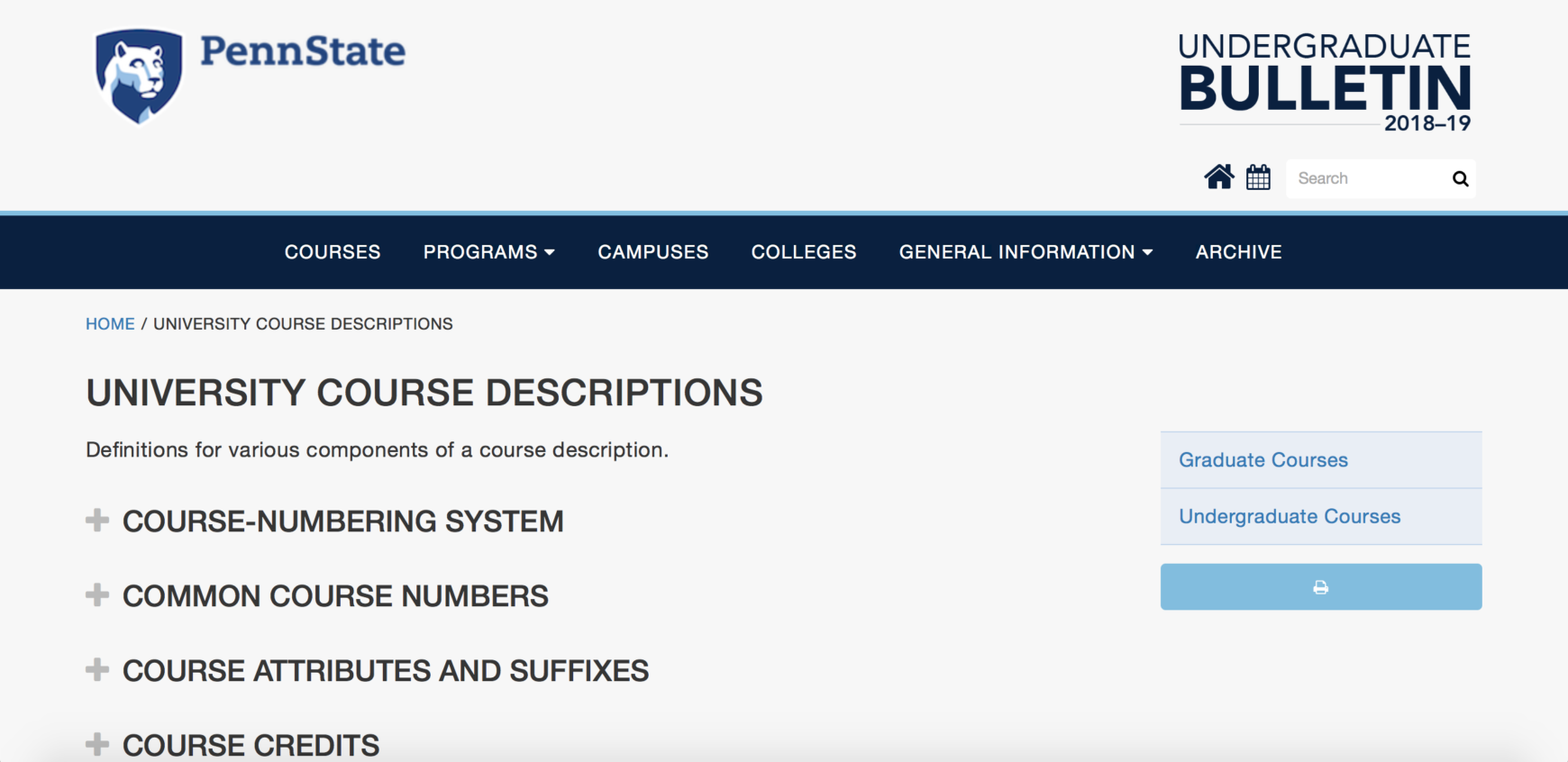
The Complete Guide to the Penn State University Bulletin for 2026
The Penn State University Bulletin serves as the official, authoritative repository for academic programs, course descriptions, degree requirements, and institutional policies. Navigating this publication is essential for undergraduate...
The Penn State University Bulletin serves as the official, authoritative repository for academic programs, course descriptions, degree requirements, and institutional policies. Navigating this publication is essential for undergraduate and graduate students to ensure compliance with curricular standards, track graduation requirements, and map out their academic journeys accurately across all active campuses.
Contents
Understanding the Purpose and Scope of the Academic Bulletin
The academic bulletin functions as the definitive contract between the student and the university. It outlines the foundational rules, course prerequisites, and graduation mandates applicable to a specific academic year. Every student is bound by the requirements set forth in the bulletin active at the time of their admission or declaration of major, making a firm grasp of its structure vital for long-term academic planning.
Unlike transient course schedules or registration portals, the bulletin provides a permanent structural overview of the institution's educational offerings. It details every program authorized by the University Faculty Senate, ensuring that credits earned meet rigorous regional accreditation standards established by the Middle States Commission on Higher Education (MSCHE).
Key Components Contained Within the Publication
- General Education Requirements: Foundational coursework mandates spanning quantification, writing, arts, humanities, and social and behavioral sciences.
- College-Specific Policies: Standards of academic integrity, entrance-to-major (ETM) criteria, and specialized graduation rules for colleges such as the Smeal College of Business or the College of Engineering.
- Degree Frameworks: Semester-by-semester suggested academic plans outlining critical milestones and prerequisite chains.
- Course Inventory: Comprehensive listings of all approved university courses, including credit values, general education designations, and grading statuses.
Navigating Degree Requirements and Entrance-to-Major Criteria
Navigating the bulletin requires a clear understanding of how degree requirements are structured at Penn State. Programs often separate foundational work from advanced coursework, requiring students to meet specific performance thresholds before gaining official entry into their chosen major.
Entrance-to-Major (ETM) processes are among the most critical elements detailed in the publication. Many high-demand colleges enforce strict cumulative grade-point average (GPA) cutoffs and require the completion of specific gateway courses—such as calculus, economics, or chemistry—by a specific credit window.
Academic Planning Tip: Students should cross-reference their degree audit tools, such as the Degree Audit Reporting System (DARS), with the course listings in the bulletin. While DARS tracks individual progress, the bulletin provides the underlying policy framework explaining why certain prerequisite waivers or substitution approvals are required.
Structure of Undergraduate and Graduate Curricula
The bulletin is partitioned into distinct sections to cater to different academic populations. Understanding where to locate specific information prevents administrative delays and misinformed course registrations.
- Undergraduate programs focus on foundational baccalaureate structures, minor declarations, and general education integration.
- Graduate programs outline thesis options, comprehensive examination rules, credit residency requirements, and specialized professional certifications.
- Faculty and governance sections detail academic integrity policies, grading scales, and student appeal mechanisms.
Comparative Overview of Bulletin Editions and Academic Catalogs
| Feature | Official University Bulletin | LionPATH Course Catalog | Student Academic Advising (DARS) |
|---|---|---|---|
| Primary Function | Establishes official degree rules and policy frameworks | Displays real-time class availability, seats, and timing | Evaluates an individual student's progress toward graduation |
| Permanence | Archived annually; serves as a legal academic contract | Dynamic; updates continuously per semester | Dynamic; updates automatically upon grade posting |
| Target Audience | Students, advisors, prospective applicants, and accreditors | Currently enrolled students registering for classes | Enrolled students and academic advisers |
Step-by-Step Guide to Utilizing the Bulletin for Course Selection
Effective use of the bulletin streamlines the path to graduation and minimizes wasted credits. Students should follow a structured methodology when reviewing program requirements for an upcoming academic term.
- Identify the Correct Catalog Year: Locate the specific bulletin edition matching your entry or major declaration year to ensure you follow the correct curricular rules.
- Review General Education Frameworks: Verify which foundational credits remain unfulfilled, ensuring proper distribution across integrative and exploration studies.
- Examine Major-Specific Entrance Gates: Check the prerequisite sequence for your intended major, noting minimum grade requirements (such as a grade of C or better in core engineering or accounting classes).
- Map Semester-by-Semester Plans: Utilize the suggested academic plans to chart out prerequisites, keeping in mind that certain advanced courses are only offered in specific fall or spring terms.
- Consult with Academic Advising: Bring your bulletin-derived plan to your scheduled advising meeting to discuss course sequencing, substitution requests, or dual-major integration.
Common Pitfalls and Troubleshooting Academic Policy Issues
Misinterpreting bulletin text can lead to unexpected registration holds or graduation delays. Students frequently encounter issues related to policy updates, prerequisite overrides, and transfer credit equivalencies.
- Prerequisite Blockades: Attempting to register for a course without completing the enforced prerequisite will trigger an automated system block. Review the bulletin course description to identify required foundation classes.
- Bulletin Year Discrepancies: Changing majors often shifts a student to a newer bulletin year, potentially increasing total credit requirements or altering general education mandates. Always consult an adviser before submitting a major change request.
- Transfer Credit Misalignment: External credits must match the exact competencies outlined in the bulletin course descriptions. Use the Penn State Transfer Credit Tool alongside the bulletin to verify equivalencies before enrolling in summer courses at other institutions.
Frequently Asked Questions
What is the Penn State University Bulletin?
The Penn State University Bulletin is the official web-based publication detailing academic programs, course descriptions, degree requirements, and institutional policies. It serves as the definitive reference guide for students navigating their educational obligations.
How do I know which bulletin year applies to me?
Your bulletin year is typically determined by the academic year you enrolled at the university or the year you officially declared your major. This edition acts as your binding academic contract for graduation requirements.
Where can I find Entrance-to-Major (ETM) criteria?
ETM requirements are located within the specific college and major sections of the bulletin. These entries outline the mandatory minimum cumulative GPA and specific gateway courses required to enter competitive programs.
Are course descriptions in the bulletin updated annually?
Yes, the bulletin is updated regularly to reflect curriculum revisions, course retirements, and newly approved electives authorized by the University Faculty Senate. Always verify your program requirements against your specific catalog year.
How does the bulletin differ from LionPATH?
The bulletin provides the structural rules and policy definitions for degrees and courses, whereas LionPATH is the administrative portal used for actual course registration, tuition billing, and grade viewing.
Take Charge of Your Academic Career
Mastering the information housed within the official bulletin is the cornerstone of academic success at the university. By reviewing program requirements early, maintaining open communication with your academic adviser, and monitoring policy changes across catalog years, you secure a streamlined, efficient path toward degree completion. Review your designated bulletin edition today to map out your upcoming semester and confirm your graduation milestones.
Image Gallery