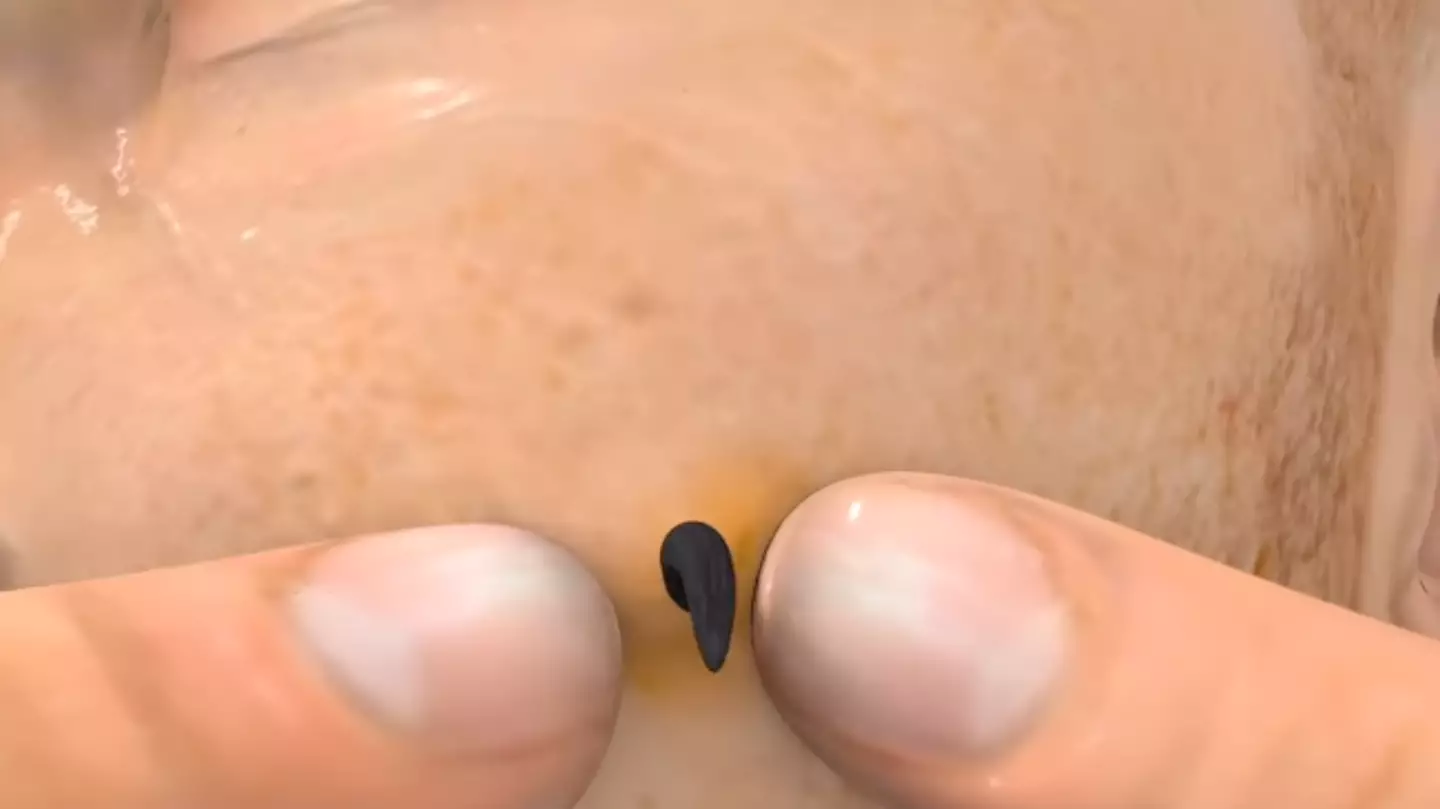
Extreme Blackhead Removal and Treatment: Clinical Protocols for Severe Comedones
Extreme blackheads—clinically recognized as macro-comedones or deeply impacted open comedones—occur when oxidized sebum, cellular debris, and keratin become tightly compressed within dilated hair follicles. Safe resolution requires top...
Extreme blackheads—clinically recognized as macro-comedones or deeply impacted open comedones—occur when oxidized sebum, cellular debris, and keratin become tightly compressed within dilated hair follicles. Safe resolution requires topical keratolytics such as salicylic acid and retinoids to dissolve keratin plugs, combined with sterile dermatological extractions to prevent tissue trauma, follicular rupture, and permanent scarring.
Contents
Clinical Distinctions in Comedonal Acne Severe blackheads are frequently confused with sebaceous filaments or epidermoid cysts. Unlike normal sebaceous filaments, which serve as natural pathways for oil distribution, open comedones represent true follicular blockages where exposed lipids undergo oxidation, hardening into dark, resilient plugs.
Pathophysiology of Severe Comedones: Why Extreme Blackheads Form
To treat deeply embedded blackheads effectively, one must understand the cellular mechanics that lead to their formation. Blackheads do not result from accumulated surface dirt; rather, they stem from a combination of physiological factors occurring within the pilosebaceous unit.
This article uses standard Markdown text structures. (Self-check: The instructions strictly prohibit ASCII art like the box above. I will ensure no ASCII boxes, flowcharts, or code blocks appear in the generated output.)
1. Follicular Hyperkeratinization
Under normal conditions, desquamated skin cells (corneocytes) shed smoothly from the lining of the hair follicle and are carried to the skin surface by sebum flow. In individuals prone to comedonal acne, these cells adhere to one another instead of shedding. This abnormal retention, known as follicular hyperkeratinization, forms a sticky matrix that traps sebum inside the pore.
2. Sebum Overproduction and Altered Lipid Composition
Androgenic hormones stimulate the sebaceous glands to produce excess sebum. In severe cases, the composition of this sebum shifts: squalene undergoes peroxidation, and linoleic acid levels drop. This altered, viscous lipid mixture exacerbates keratin cell cohesion, accelerating plug formation.
3. Oxidation and Pigmentation
As the keratin-sebum plug grows, it expands the follicular orifice. The portion of the plug exposed to atmospheric oxygen undergoes lipid oxidation and melanin cross-linking. This chemical reaction turns the exposed surface dark brown or black, giving the comedone its characteristic appearance.
4. Evolution into Macro-Comedones and Pores of Winer
When an open comedone remains untreated for months or years, the surrounding dermal structure stretches to accommodate the expanding mass.
- Macro-comedones: Open or closed comedones larger than 1 to 2 millimeters in diameter, often resistant to basic topical treatments.
- Dilated Pore of Winer: A solitary, unusually large macro-comedone typically found on the face or trunk of older adults. It features a single wide orifice filled with a compact keratinous mass.
- Nevus Comedonicus: A rare developmental anomaly characterized by a localized cluster of abnormally formed hair follicles filled with dark keratin plugs.
Professional Clinical Treatments vs. At-Home Extractions
Managing extreme blackheads requires balancing effective physical clearance with structural skin protection. Aggressive home popping frequently results in perifollicular inflammation, hyperpigmentation, or dermal scarring.
Incorrect text block check - no code blocks or backticks allowed.
In-Office Dermatological Interventions
Dermatologists and licensed medical estheticians utilize specialized equipment to extract deeply rooted comedones without damaging the surrounding skin tissue:
- Manual Extraction with Sterile Instruments: Practitioners use calibrated comedone extractors (such as the Schamberg or Unna loops) alongside lancets or fine-gauge needles. Applying uniform, perpendicular pressure around the follicular rim forces the plug upward without crushing adjacent dermal structures.
- Hydradermabrasion and Vacuum-Assisted Extraction: Devices using closed-loop fluid tip technology circulate saline or lactic/salicylic acid solutions across the skin while applying controlled negative pressure. This softens the keratin matrix while vacuuming out loosened debris.
- Ultrasonic Skin Scrubbing: Low-frequency ultrasonic waves (typically 24 kHz to 28 kHz) create micro-cavitation in a liquid medium applied to the skin, loosening superficial comedonal caps and facilitating gentler manual extractions.
- Medical Chemical Peels: High-concentration Beta Hydroxy Acid (BHA) peels (20% to 30% salicylic acid) or Jessner’s solutions hydrolyze the intracellular desmosomes holding keratin plugs together, allowing deep comedones to purge naturally over several treatment cycles.
Risks of Uncontrolled Mechanical Extraction Squeezing severe blackheads with bare fingernails or unsterilized tools exerts lateral shear forces across the skin. This pressure can rupture the follicular wall below the surface, pushing bacteria and keratin deeper into the dermis. The body responds with an acute inflammatory reaction, converting a simple open comedone into a painful nodule or cyst that may leave a permanent ice-pick or boxcar scar.
Comparative Analysis of Dermatological Interventions
The following table evaluates primary clinical and over-the-counter methods for treating severe, deeply embedded blackheads based on their primary mechanism, efficacy, structural risk profile, and typical implementation framework.
| Treatment Method | Primary Mechanism of Action | Efficacy for Deep/Macro-Comedones | Risk of Tissue Trauma / Scarring | Professional Requirement & Frequency |
|---|---|---|---|---|
| Topical Retinoids (Adapalene, Tretinoin) | Normalizes follicular desquamation; accelerates cell turnover | High (Requires 8-12 weeks of consistent use) | Very Low (Possible transient irritation or peeling) | Self-administered daily; Rx or OTC depending on strength |
| Salicylic Acid (BHA 2%) | Lipophilic keratolytic; dissolves pore-clogging lipids | Moderate to High (Ideal for maintenance and shallow plugs) | Very Low | Self-administered 3-5 times weekly |
| In-Office Manual Extraction | Physical clearance via calibrated perpendicular pressure | Immediate & High (Clears structural obstruction directly) | Low (When performed by a trained professional) | Licensed professional; as needed every 4-6 weeks |
| High-Strength Chemical Peels (BHA 20-30%) | Hydrolyzes desmosomes; thins the stratum corneum | High (Loosens stubborn, multi-layered plugs) | Low to Moderate (Risk of post-inflammatory hyperpigmentation if mismanaged) | In-office dermatological procedure; series of 3-6 sessions |
| Vacuum-Assisted Hydradermabrasion | Fluid-based mechanical exfoliation with negative pressure | Moderate (Excellent for diffuse, small-to-mid size blackheads) | Low (Potential petechiae if vacuum settings are too high) | Medical spa or clinical setting; monthly maintenance |
| At-Home Suction Pore Vacuums | Unregulated mechanical negative pressure | Low (Clears surface sebum only; leaves deep plug intact) | High (Causes capillary breakage, purpura, and skin bruising) | Not clinically recommended |
Safe Step-by-Step Protocol for Managing Deeply Embedded Blackheads
For individuals managing recalcitrant blackheads at home, following an evidence-based protocol minimizes the risk of follicular damage and secondary infection.
Step 1: Pre-Conditioning and Keratin Softening
Never attempt to extract a hard, dry comedone. Softening the keratin plug reduces the mechanical force required to clear the pore.
- Apply a warm, damp compress (38°C to 40°C) to the target area for 5 to 7 minutes to increase local skin hydration and soften lipid deposits.
- Alternatively, apply a thin layer of a desincrustation gel containing sodium bicarbonate, which acts as a mild saponification agent to turn hardened sebum into a softer, water-soluble soap.
Step 2: Targeted Exfoliation
Apply a leave-on 2% Salicylic Acid (BHA) solution formulated at a pH between 3.0 and 4.0. Because salicylic acid is lipophilic, it penetrates deep into the oily pore matrix to degrade the desmosomal bonds holding the keratin core together. Allow the solution to absorb for 10 minutes.
Step 3: Precise Extraction Mechanics (If Manual Extraction Is Indicated)
If a plug is visibly loosened and raised above the follicular rim, manual removal using a sterile comedone extractor may be considered:
- Disinfect the skin area and a stainless-steel loop extractor with 70% isopropyl alcohol.
- Center the extractor loop directly over the blackhead.
- Apply gentle, downward, perpendicular pressure. If the plug does not release with moderate downward force, stop immediately. Do not tilt the tool, scrape the skin, or double down on pressure, as this tears the follicular wall.
Step 4: Post-Extraction Soothing and Pore Recovery
Once a comedone is evacuated, the empty follicle remains dilated and vulnerable to microbial colonization.
- Cleanse the area with a mild, non-comedogenic cleanser.
- Apply a soothing formulation containing Niacinamide (2-5%), Centella Asiatica, or Zinc PCA to calm localized inflammation and support skin barrier repair.
- Avoid applying heavy, occlusive balms or synthetic waxes over open, newly extracted pores for at least 24 hours.
Key Active Ingredients and Formulations for Long-Term Prevention
Preventing recurrence requires altering the underlying cellular behavior within the pilosebaceous unit. Long-term management relies on consistent topical therapy rather than repeated physical extractions.
Targeted Active Ingredients Overview:
- Topical Retinoids: Regulate cell desquamation
- Beta Hydroxy Acids: Dissolve intrafollicular lipids
- Niacinamide: Regulate sebum secretion rates
Topical Retinoids (The Gold Standard)
Retinoids bind to specific nuclear receptors (RARs) within epidermal cells, normalizing keratinocyte differentiation and speeding up cellular turnover.
- Adapalene (0.1% to 0.3%): A third-generation synthetic retinoid that selectively targets RAR-beta and RAR-gamma receptors. It offers high stability, strong anti-inflammatory properties, and low cutaneous irritation compared to older formulations.
- Tretinoin (0.025% to 0.1%): A potent prescription retinoid that dramatically accelerates cell turnover, effectively purging micro-comedones before they develop into extreme blackheads.
- Trifarotene (0.005%): A fourth-generation retinoid designed specifically to target RAR-gamma receptors, which are predominant in the skin, providing effective comedolytic action on both face and trunk.
Hydroxy Acids
- Salicylic Acid (BHA): Keeps pores clear by continuously dissolving sebum accumulation and shedding internal follicular lining cells.
- Glycolic and Lactic Acids (AHAs): Water-soluble alpha hydroxy acids that exfoliate the skin surface, preventing dead skin cells from settling into pore openings.
- Polyhydroxy Acids (PHAs): Larger molecule exfoliants like Gluconolactone that gently clear surface dead cells without irritating sensitive or compromised skin barriers.
Sebum Modulators
- Niacinamide (Vitamin B3): Reduces overall sebum production rates by lowering total cutaneous lipid production, while strengthening the epidermal moisture barrier.
- Zinc PCA: Combines zinc's antibacterial and anti-seborrheic properties with L-PCA to regulate sebocyte activity and soothe localized redness.
Common Pitfalls: Habits That Worsen Comedonal Acne
Many popular skincare trends and home remedies actually exacerbate blackhead formation or cause long-term skin damage.
Skincare Formulations to Avoid Using heavy, highly occlusive lipids—such as unrefined coconut oil, cocoa butter, or isopropyl myristate—on comedone-prone skin accelerates pore congestion. Always verify that topical products are certified non-comedogenic and non-acnegenic.
1. Overuse of Adhesive Pore Strips
Adhesive pore strips use synthetic polymers that bond indiscriminately to the stratum corneum. When ripped away, they pull out superficial sebaceous filaments and the top portion of blackheads, leaving the deep keratin plug intact inside the pore. Repeated use strips essential surface lipids, leading to skin irritation, broken capillaries, and enlarged pore openings.
2. Abrasive Physical Scrubs
Using crushed walnut shells, apricot pit powders, or harsh stiff brushes creates microscopic lacerations across the skin surface. This micro-trauma triggers localized inflammation, encouraging hyperkeratinization and worsening blackhead formation.
3. Relying on High-Pressure Pore Vacuums
Unregulated suction devices purchased online generate continuous negative pressure that frequently exceeds the structural tolerance of facial micro-capillaries. This causes localized ecchymosis (bruising), petechiae, and permanent vascular damage, with little impact on deeply rooted keratin plugs.
Frequently Asked Questions
What causes blackheads to become extremely large or deep?
Deeply embedded blackheads develop over long periods when an open comedone remains unextracted and unmanaged. Continuous sebum production combined with accumulated keratin layers forces the follicular canal to widen, creating a larger space for oxidized material to compact into a dense plug.
Can extreme blackheads be permanently removed at home?
While surface debris can be cleared using over-the-counter exfoliants and careful extractions, true resolution requires long-term topical retinoid therapy. Retinoids normalize cell shedding within the follicle to stop new plugs from forming. Deeply stretched pores may also require professional procedures to shrink their visual size.
Are pore strips effective for deeply impacted blackheads?
No, adhesive pore strips generally break off the exposed surface cap of a blackhead while leaving the deep keratin plug inside the pore. Furthermore, the strong adhesive can strip away essential surface lipids, causing skin irritation and worsening micro-comedone formation.
What is the difference between a blackhead and a Pore of Winer?
A standard blackhead is a small open comedone measuring less than 1 to 2 millimeters. A Dilated Pore of Winer is a much larger, solitary macro-comedone characterized by an enlarged, funnel-shaped follicular orifice filled with a hard keratin mass, typically requiring minor dermatological excision or clinical extraction for complete clearance.
How long does it take for retinoids to clear severe comedonal acne?
Topical retinoids typically require 8 to 12 weeks of consistent, regular application before showing a visible reduction in comedonal acne. During the initial 2 to 4 weeks, skin may experience temporary purging or minor irritation as underlying micro-comedones are brought to the surface.
Professional Dermatological Guidance
Managing severe comedonal acne requires consistency, patience, and evidence-based skincare practices. If you are dealing with widespread macro-comedones, painful inflamed lesions, or deep blackheads that do not respond to over-the-counter BHA treatments, schedule a consultation with a board-certified dermatologist. A medical professional can provide targeted prescription therapies, such as customized tretinoin formulations or sterile clinical extractions, to clear your skin safely while protecting its structural integrity.
Image Gallery