Understanding the Scope of Global Poverty: Metrics, Drivers, and Economic Realities
Understanding the scope of global poverty requires analyzing multidimensional indicators—including income, health, education, and living standards—that define economic deprivation. By moving beyond simple monetary thresholds to examine...
Understanding the scope of global poverty requires analyzing multidimensional indicators—including income, health, education, and living standards—that define economic deprivation. By moving beyond simple monetary thresholds to examine systemic structural barriers, policymakers and international institutions can better target interventions to reduce inequality and provide essential access to basic human requirements.
Contents
Defining Poverty: The Shift Toward Multidimensional Analysis
For decades, the standard metric for assessing global poverty was the International Poverty Line (IPL), established by the World Bank. As of 2026, this threshold remains a vital, albeit limited, tool. The IPL defines extreme poverty as living on less than $2.15 per day, adjusted for Purchasing Power Parity (PPP). While this provides a standardized benchmark for tracking progress over time, it fails to capture the nuances of non-monetary deprivation.
Modern economic discourse emphasizes the Multidimensional Poverty Index (MPI), co-developed by the Oxford Poverty and Human Development Initiative and the United Nations Development Programme. The MPI recognizes that poverty is not merely a lack of income but a deprivation of agency and access. It evaluates households based on ten indicators across three dimensions: health (nutrition and child mortality), education (years of schooling and attendance), and living standards (access to electricity, clean water, sanitation, cooking fuel, housing materials, and basic assets).
The Geographical Distribution of Economic Deprivation
Poverty is not distributed uniformly across the globe. Concentration of poverty is heavily influenced by geopolitical stability, geographic isolation, and the historical legacy of industrial and agricultural development.
Sub-Saharan Africa and South Asia
These two regions continue to host the highest absolute numbers of individuals living in extreme poverty. Factors contributing to this concentration include:
- Agricultural Volatility: Dependence on subsistence farming makes households vulnerable to climate change and unpredictable weather patterns.
- Infrastructure Gaps: Limited access to reliable energy grids and transportation networks prevents the integration of rural producers into national and international markets.
- Conflict and Displacement: Protracted crises disrupt economic systems, destroying capital and forcing populations into migration patterns that reset their economic progress to zero.
The Urban-Rural Divide
While global urbanization trends are rising, poverty is often most acute in rural environments. However, urban poverty is becoming a critical policy focus. In rapidly growing cities, the proliferation of informal settlements—or slums—presents a different set of challenges. These include high costs of living, lack of legal land tenure, and exposure to environmental hazards, which require different mitigation strategies than those designed for agrarian settings.
Drivers of Persistent Global Poverty
Understanding the scope of poverty is impossible without identifying the structural drivers that prevent households from escaping the poverty trap. These drivers are often cyclical and self-reinforcing.
The Education and Skills Mismatch
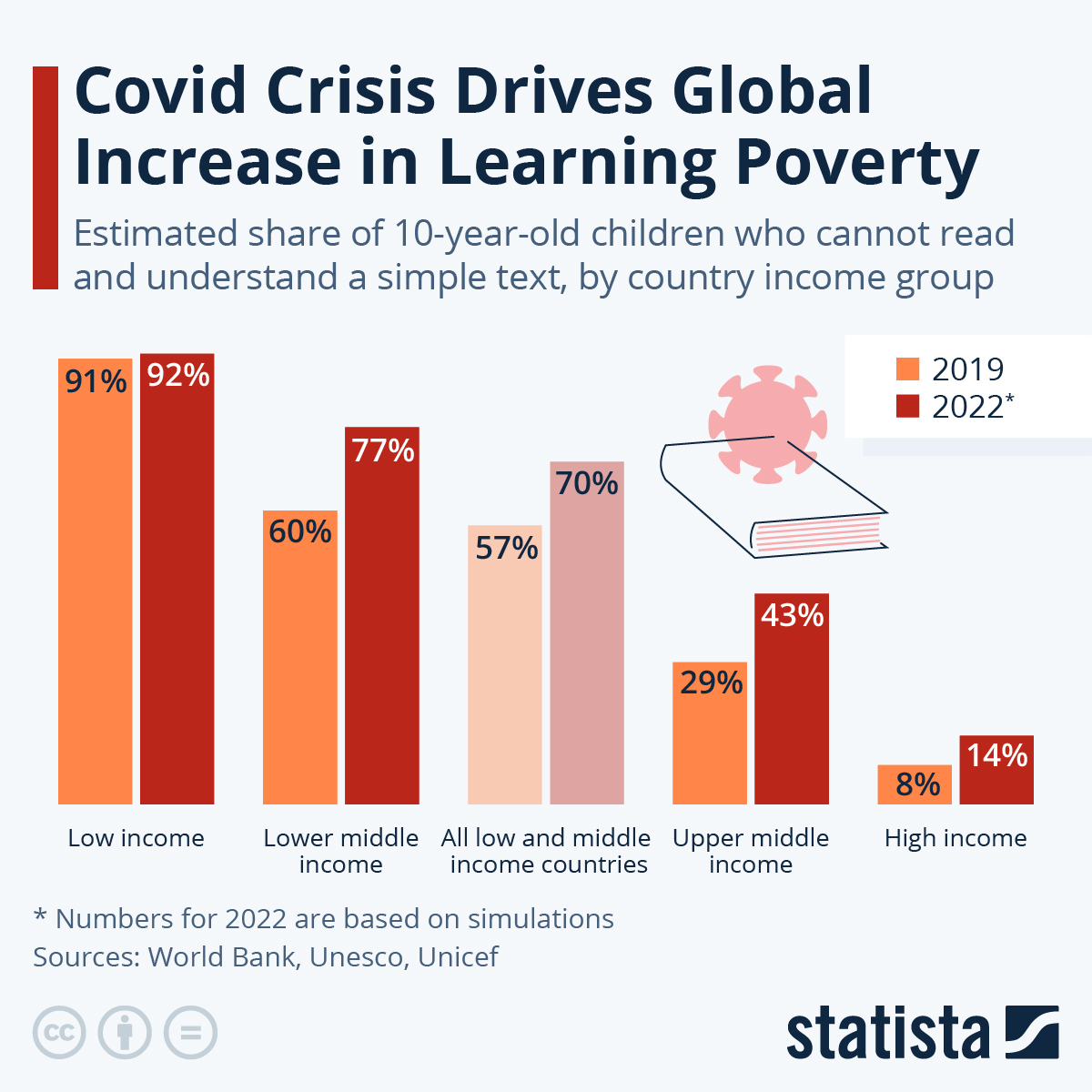
Access to quality education is the most reliable pathway out of poverty. However, simply attending school is insufficient if the curriculum does not align with the needs of the modern labor market. In 2026, the focus has shifted toward "vocational agility"—the ability of workers to acquire new skills as economic sectors evolve. A lack of foundational literacy and numeracy remains the primary barrier to participating in formal economies.
Health and Economic Resilience
Illness is a primary driver of poverty, acting as both a cause and a consequence. When a household head suffers from a chronic health issue or a preventable disease, the immediate impact is a loss of labor income. The secondary impact is the depletion of household savings to pay for treatment. Without access to universal health coverage or low-cost medical care, the financial shock often forces families to sell productive assets—like livestock or tools—which permanently lowers their future income potential.
Comparative Metrics of Poverty
To understand the scope of poverty, one must look at how various metrics compare in their ability to inform policy decisions. The following table illustrates the primary frameworks used by international organizations today.
| Metric | Primary Focus | Use Case | Limitation |
|---|---|---|---|
| International Poverty Line (IPL) | Daily income/consumption | Global trend tracking | Ignores non-monetary needs |
| Multidimensional Poverty Index (MPI) | Deprivation in living standards | Targeted resource allocation | Requires extensive survey data |
| Gini Coefficient | Income inequality | Macroeconomic stability analysis | Does not measure absolute poverty |
| Human Development Index (HDI) | Life expectancy, education, GNI | National development ranking | Masks inequality within countries |
Addressing the Barriers to Economic Inclusion
Solving for the scope of poverty involves shifting from passive aid to active inclusion. This approach requires systemic changes in how capital and services reach the most vulnerable populations.
Access to Financial Services
Financial inclusion—the availability of bank accounts, credit, and insurance—is a prerequisite for economic participation. Microfinance, while historically criticized for high interest rates, has evolved into more sophisticated digital banking solutions. By leveraging mobile telephony, unbanked populations can now access credit and savings tools that protect them from predatory lenders and provide the liquidity necessary to invest in small businesses.
Infrastructure and Market Connectivity
Isolation is a death knell for economic development. Programs that prioritize "last-mile" infrastructure—such as rural road construction and the expansion of renewable energy microgrids—are critical. By connecting remote villages to regional markets, farmers can move from subsistence production to commercial farming, significantly increasing household income.
Common Challenges and Misconceptions
When discussing poverty, several misconceptions often distort public perception and policy priorities.
- The "Aid Dependency" Myth: Critics often suggest that foreign aid creates dependency. In practice, however, effectively managed aid—focused on infrastructure and institutional building rather than consumption subsidies—has been shown to generate high long-term returns.
- Technological Silver Bullets: There is a common belief that technology alone can resolve poverty. While digital tools (such as mobile money or satellite weather tracking) are powerful, they are only effective if the underlying governance and human rights frameworks are in place to support them.
- Income Distribution vs. Growth: A common debate remains whether to prioritize rapid GDP growth or social safety nets. Most economists in 2026 agree that neither is sufficient alone. Growth is necessary to generate the tax revenue for social programs, and social programs are necessary to ensure the poorest participate in that growth.
Frequently Asked Questions
1. How do international organizations verify poverty data? Organizations verify data through household budget surveys, national census records, and satellite imagery analysis. These sources are cross-referenced with macroeconomic indicators from national central banks to ensure consistency in reporting.
2. Why does the World Bank change the poverty line threshold? The World Bank adjusts the threshold to account for inflation and changes in the cost of living across different countries. This ensures that the definition of poverty remains grounded in the actual cost of a minimum basket of goods necessary for survival.
3. What is the difference between relative and absolute poverty? Absolute poverty refers to the lack of means to meet basic biological needs like food, water, and shelter. Relative poverty refers to a lack of resources compared to the average standard of living in a specific society, highlighting inequality within a population.
4. How does climate change affect the scope of global poverty? Climate change disproportionately affects the poor, who rely on climate-sensitive livelihoods like agriculture. Extreme weather events, such as droughts and floods, can destroy years of economic progress overnight, pushing vulnerable families back into extreme poverty.
5. What is the role of the private sector in reducing poverty? The private sector is the primary engine of job creation. By establishing sustainable supply chains and investing in local talent, businesses contribute to stable income generation, which is far more durable than temporary government or NGO assistance.
Next Actions for Stakeholders
To address the scope of poverty effectively, stakeholders must move beyond high-level strategy. For policymakers, the next step is the implementation of integrated data systems that track the MPI at the municipal level, allowing for real-time allocation of resources. For the private sector, the focus should be on expanding business operations into underserved markets with a focus on local workforce development. For individuals and donors, focusing on evidence-based interventions—specifically those that prioritize education and preventative healthcare—provides the highest potential for long-term impact.
Image Gallery