The Cure for Hemophilia B Advances: Navigating Gene Therapy in 2026
The cure for hemophilia B has transitioned from a theoretical scientific pursuit to a clinical reality through the advancement of gene therapies like etranacogene dezaparvovec and fidanacogene elaparvovec. As of 2026, these "functional...
The cure for hemophilia B has transitioned from a theoretical scientific pursuit to a clinical reality through the advancement of gene therapies like etranacogene dezaparvovec and fidanacogene elaparvovec. As of 2026, these "functional cures" allow patients to produce their own Factor IX, effectively eliminating the need for regular prophylactic infusions and significantly reducing the risk of life-threatening spontaneous bleeds.
Contents
The Evolution of Hemophilia B Management
Hemophilia B, historically known as Christmas Disease, is a rare X-linked genetic disorder caused by a deficiency in coagulation Factor IX (FIX). For decades, the gold standard of care was prophylaxis—the regular intravenous infusion of clotting factor concentrates to prevent bleeding episodes. While effective, this regimen required lifelong commitment, frequent needle sticks, and resulted in "troughs" where factor levels dropped, leaving patients vulnerable.
The advancement of the cure for hemophilia B represents one of the most significant triumphs in genomic medicine. By 2026, the landscape has shifted from managing the deficiency to correcting the underlying genetic defect. This transition has been driven by the refinement of viral vector delivery systems and the discovery of high-activity factor variants that allow for therapeutic protein production within the patient's own liver.
The Mechanics of a Functional Cure: How Gene Therapy Works
The primary mechanism driving the cure for hemophilia B is adeno-associated virus (AAV) vector-mediated gene transfer. Unlike traditional medications, gene therapy does not treat the symptoms; it provides the liver with the instructions needed to manufacture Factor IX.
The Viral Vector Delivery System
Scientists use a modified, non-pathogenic virus—specifically AAV—as a delivery vehicle (vector). The viral DNA is removed and replaced with a functional copy of the F9 gene. Because AAV has a natural affinity for liver cells (hepatocytes), it is an ideal candidate for treating hemophilia B, as the liver is the primary site of clotting factor production.
The Padua Variant Breakthrough
A pivotal advancement in the cure for hemophilia B was the utilization of the Factor IX-Padua (FIX-R338L) variant. This naturally occurring mutation results in a Factor IX protein that is approximately 5 to 10 times more active than the wild-type protein. By including this specific genetic sequence in gene therapies, researchers can achieve therapeutic clotting levels using lower doses of the viral vector, which enhances safety and reduces the immune response.
Primary FDA-Approved Gene Therapies in 2026
By 2026, two major gene therapy products have established a robust track record of efficacy and safety in the United States and Europe.
1. Hemgenix (etranacogene dezaparvovec)
Approved by the FDA in late 2022, Hemgenix was the first gene therapy for hemophilia B. Produced by CSL Behring and developed by uniQure, it uses an AAV5 vector to deliver the Padua variant.
- Administration: A single intravenous infusion.
- Efficacy: Long-term data into 2026 shows that the majority of patients maintain stable Factor IX levels sufficient to remain bleed-free without prophylaxis.
- Target Population: Adults with Hemophilia B who currently use Factor IX prophylaxis therapy or have a history of life-threatening hemorrhage.
2. Beqvez (fidanacogene elaparvovec)
Developed by Pfizer and approved in early 2024, Beqvez utilizes a bio-engineered AAV rh74 vector.
- Key Advantage: It was designed to be highly effective at targeting hepatocytes with potentially lower rates of immune-mediated rejection in certain populations.
- Clinical Outcomes: Data from the BENEGENE-2 study demonstrated a significant reduction in the annualized bleeding rate (ABR) compared to the standard of care.
Comparison of Modern Hemophilia B Treatment Modalities
The following table compares traditional prophylaxis with the advanced gene therapy options available in 2026.
| Feature | Standard Prophylaxis (EHL) | Gene Therapy (Hemgenix/Beqvez) |
|---|---|---|
| Frequency | Weekly or bi-weekly | One-time infusion |
| Administration | Intravenous (IV) | Intravenous (IV) |
| Factor IX Source | External (Recombinant) | Internal (Liver production) |
| Bleed Protection | Variable (Trough levels) | Constant (Steady state) |
| Primary Risk | Inhibitor development | Liver enzyme elevation |
| Long-term Durability | Requires lifelong adherence | Expected 10+ years (Ongoing monitoring) |
| Eligibility | All severities | Adults; No AAV antibodies |
Eligibility and Patient Selection Criteria
The cure for hemophilia B via gene therapy is not yet universal. In 2026, strict eligibility criteria remain in place to ensure patient safety and therapy efficacy.
Pre-existing Immunity to AAV
The most significant barrier to gene therapy is the presence of neutralizing antibodies (NAbs) against the viral vector. Because AAV occurs naturally in the environment, many people have been exposed to it and developed an immune response. If a patient has high titers of antibodies against the specific AAV strain used in the therapy (e.g., AAV5 or rh74), their immune system may destroy the therapy before it reaches the liver.
Liver Health and Function
Since the liver is the factory for the new Factor IX, patients must have relatively healthy liver function. Those with advanced cirrhosis or active Hepatitis B/C may be excluded from current gene therapy protocols due to the risk of suboptimal factor production or increased side effects.
Age Restrictions
As of 2026, gene therapies are primarily indicated for adults (18+ or 21+). The pediatric population is currently excluded because a child’s liver is still growing and dividing. Because the viral vector exists as an episome (a circular piece of DNA outside the chromosome), it can be "diluted" as cells divide, potentially losing efficacy over time in a growing child.
Safety Profiles and Post-Infusion Monitoring
While the advances in curing hemophilia B are revolutionary, they are not without risks. The primary safety concern is the body’s immune response to the viral vector or the newly produced Factor IX protein.
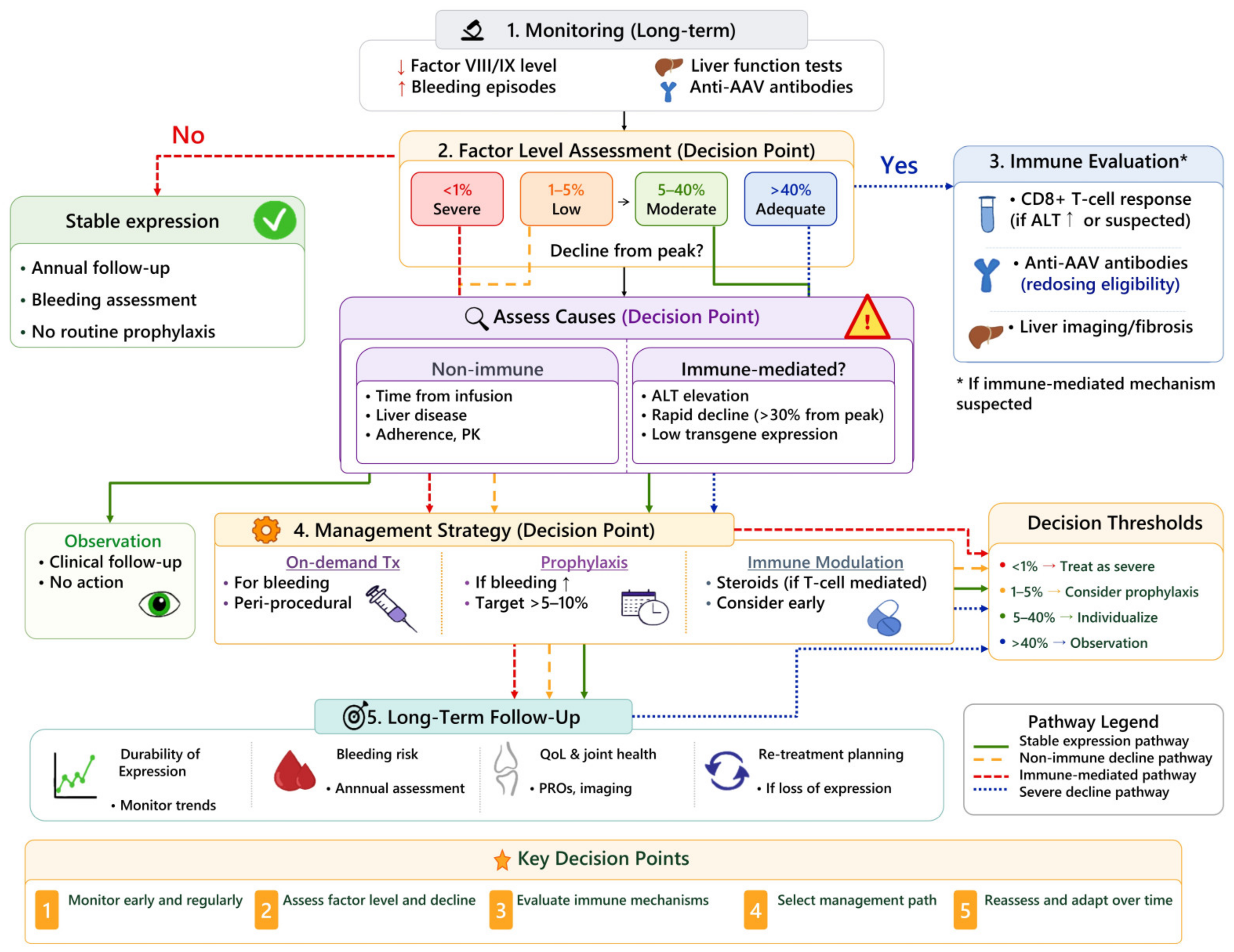
- Hepatotoxicity (Liver Inflammation): The most common side effect is a transient rise in liver enzymes (ALT/AST), which indicates the immune system is reacting to the transduced liver cells. In 2026, the standard protocol involves weekly blood monitoring for the first 3–6 months post-infusion.
- Corticosteroid Regimens: If liver enzymes rise, patients are typically placed on a course of steroids (like prednisone) to suppress the immune response and "save" the transduced cells.
- Vector Integration: Although AAV is largely non-integrating, there is a theoretical risk of the genetic material inserting itself into the host genome, which could lead to oncogenesis (cancer). Extensive long-term follow-up studies (up to 15 years) are mandated by the FDA to monitor this risk.
The Economic Landscape: Cost and Access in 2026
The cure for hemophilia B carries a significant price tag, with Hemgenix initially launching at $3.5 million per dose. However, the economic conversation in 2026 has shifted toward Value-Based Purchasing (VBP) and long-term cost-benefit analysis.
The Cost-Benefit Argument
Traditional prophylaxis for severe hemophilia B can cost between $300,000 and $600,000 per year. Over a decade, the cost of standard care exceeds the one-time cost of gene therapy. Payers (insurance companies and national health services) increasingly view gene therapy as a front-loaded investment that yields long-term savings by eliminating the need for factor concentrates and reducing hospitalizations for joint bleeds.
Outcomes-Based Agreements
By 2026, many healthcare systems have implemented "pay-for-performance" models. In these agreements, the manufacturer may be required to refund a portion of the cost if the patient's Factor IX levels drop below a certain threshold or if the patient returns to prophylaxis within a specified timeframe.
Future Directions: Beyond Viral Vectors
While AAV-based gene therapy is the current gold standard, research in 2026 is pushing toward even more refined "cures."
- Non-Viral Delivery: To bypass the issue of AAV antibodies, researchers are developing lipid nanoparticles (LNPs)—similar to those used in mRNA COVID-19 vaccines—to deliver the F9 gene.
- Gene Editing (CRISPR/Cas9): Instead of adding a new gene, CRISPR technology aims to repair the existing mutated gene within the patient’s DNA. This would ensure that the "cure" is passed on to new liver cells as they divide, potentially making it viable for pediatric patients.
- Re-dosing Strategies: Currently, gene therapy is a one-time opportunity because the first dose triggers a massive antibody response. Scientists are working on "stealth" vectors or transient immunosuppression to allow for a second dose if factor levels wane over time.
Clinical Guidance for Patients
For those considering the cure for hemophilia B, the following steps are recommended in 2026:
- Genetic Confirmation: Ensure your specific mutation is documented, as some rare variants may respond differently to certain gene therapies.
- Antibody Testing: Undergo screening for AAV5 and AAV rh74 antibodies to determine which (if any) gene therapy platform is compatible with your immune system.
- Baseline Liver Assessment: Conduct a FibroScan or ultrasound and a full liver panel to ensure you are a safe candidate for the procedure.
- Consult a Comprehensive Hemophilia Treatment Center (HTC): Gene therapy administration requires a multidisciplinary team experienced in handling specialized infusions and post-operative immunosuppressant management.
Frequently Asked Questions
Is gene therapy a permanent cure for Hemophilia B?
In 2026, we refer to it as a "functional cure." It provides long-term, sustained production of Factor IX that can last for a decade or more. However, because it is not a germline change, the genetic disorder can still be passed on to offspring, and it is yet to be determined if the effect will last for the patient's entire natural life.
Can I still develop inhibitors after gene therapy?
While the risk is low, it is theoretically possible. Most gene therapy candidates are "previously treated patients" (PTPs) who have already demonstrated that they do not develop inhibitors to Factor IX. Monitoring for inhibitors remains a standard part of post-infusion care.
What happens if the gene therapy doesn't work for me?
If the infusion fails to produce therapeutic levels of Factor IX, patients can generally return to their previous prophylaxis regimen. The main drawback is that once you have received a specific AAV vector, you develop high levels of antibodies against it, making it currently impossible to receive a "second dose" of the same or similar gene therapy.
Will gene therapy fix existing joint damage?
No. Gene therapy prevents future bleeds, which stops the progression of hemophilia-related arthropathy (joint disease). However, any damage, scarring, or chronic pain already present in the joints from previous bleeds will remain and may require physical therapy or orthopedic intervention.
Are there any lifestyle restrictions after the infusion?
During the initial months, patients may need to avoid alcohol and certain medications (like acetaminophen) that stress the liver. Once Factor IX levels are stable and the liver monitoring period has ended, most patients can participate in physical activities that were previously considered too high-risk.
Practical Recommendation: Patients interested in the cure for hemophilia B should request a Targeted Gene Therapy Consultation at an accredited Hemophilia Treatment Center. This session should include an AAV antibody titer test and a detailed review of the "Outcomes-Based Agreement" provided by your insurance carrier to understand the financial protections in place should the therapy's durability be less than expected.
Image Gallery