Textured Fringe Low Taper: The Definitive 2026 Men’s Styling Guide
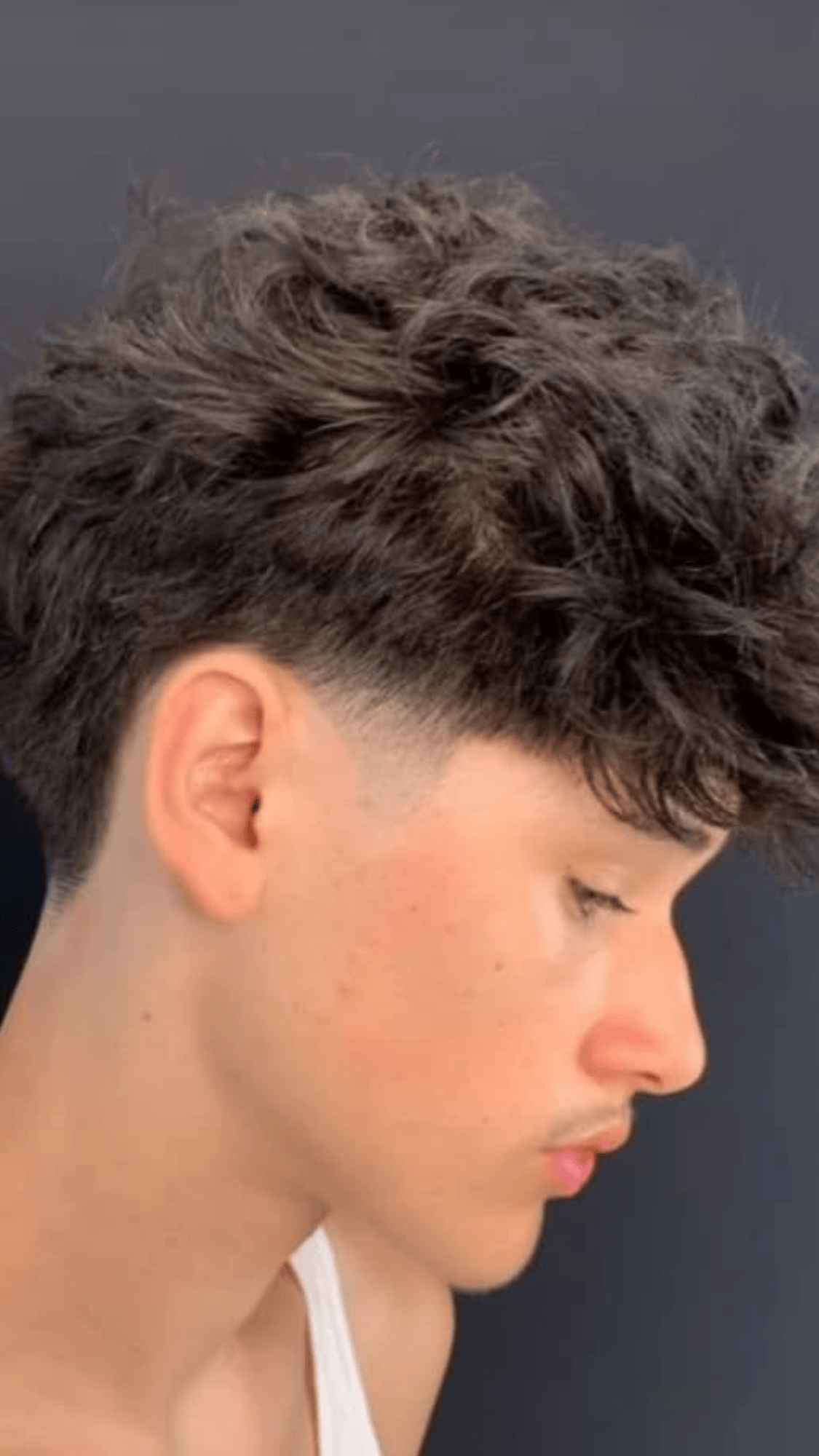
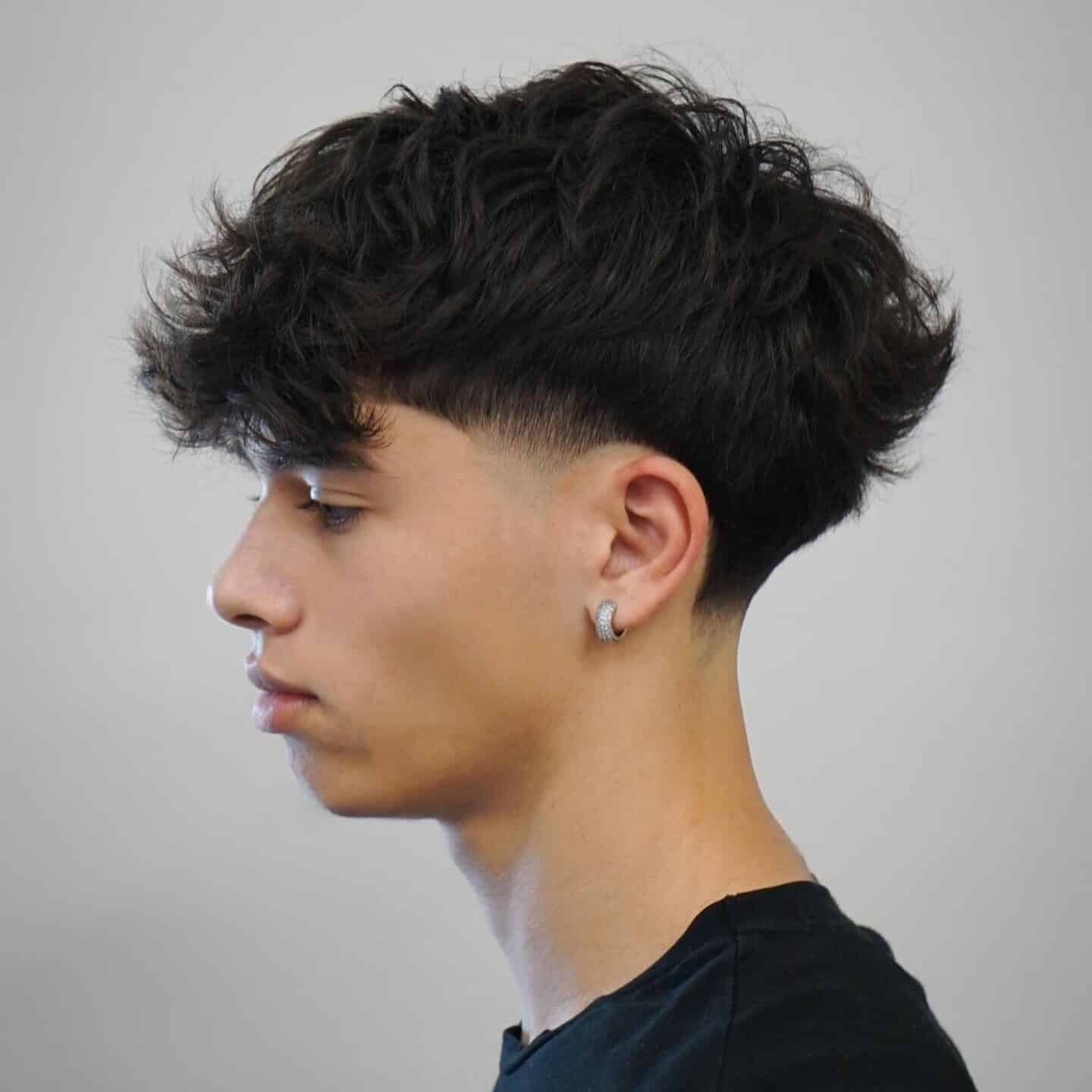
The textured fringe low taper is a modern hairstyle combining a voluminous, choppy top with a precise, subtle fade that begins just above the ear. This look prioritizes top-heavy dimension and clean, conservative transitions, making it...
The textured fringe low taper is a modern hairstyle combining a voluminous, choppy top with a precise, subtle fade that begins just above the ear. This look prioritizes top-heavy dimension and clean, conservative transitions, making it a versatile choice for professional and casual settings in 2026.
Contents
Understanding the Anatomy of a Textured Fringe Low Taper
Achieving this style requires a technical understanding of hair graduation and texturizing techniques. Unlike a high skin fade, which creates a sharp contrast between the scalp and the hair, the low taper focuses on thinning the hair density gradually around the hairline, specifically the temples and the nape of the neck.
The "textured fringe" component refers to the crown and front section of the hair. Stylists typically employ point-cutting or razor-cutting techniques to remove bulk, creating a jagged, uneven edge that adds movement. By 2026 standards, this look is defined by "lived-in" aesthetic, moving away from the rigid, over-gelled styles of previous decades toward matte finishes and natural flow.
Essential Prerequisites for the Perfect Cut
Before visiting your barber, ensure your hair meets the foundational requirements for this specific silhouette. Success relies on the interplay between your hair’s natural texture and the degree of taper applied.
- Length Requirements: The top section needs a minimum of 3 to 4 inches of length to allow for proper texturizing.
- Hair Density: Individuals with thick, wavy, or curly hair benefit most from the textured fringe, as these hair types naturally hold volume and shape.
- Face Shape Compatibility: This style is particularly effective for men with oval, heart, or diamond face shapes, as the fringe helps shorten the appearance of the forehead while the taper adds structural balance to the jawline.
- Maintenance Cycle: Because a low taper features a subtle transition, regrowth becomes apparent quickly. Plan for professional maintenance visits every 14 to 21 days to maintain the crispness of the hairline.
Step-by-Step Technical Execution
A professional barber follows a systematic approach to ensure the transition remains clean. While every head shape is unique, the following process represents the industry standard for 2026.
| Phase | Action | Technical Focus |
|---|---|---|
| Preparation | Dampening and Sectioning | Detangling and identifying natural growth patterns. |
| The Taper | Guard Selection (1-3) | Gradual reduction from the temple down to the natural hairline. |
| Texturizing | Point Cutting | Creating irregular lengths for volume and "piecey" appearance. |
| The Fringe | Razor Shaping | Removing weight from the front to frame the eyes. |
| Finishing | Matte Styling Product | Applying sea salt spray or matte clay for texture control. |
Selecting the Right Fade Level
The "low" aspect of the taper is non-negotiable. You must instruct your stylist to keep the majority of the weight on the sides. Avoid "dropping" the fade too far behind the ear, as this can lead to an elongated aesthetic that loses the intended focus on the textured top.
Comparison of Fringe Variations
Not all fringes are created equal. Depending on your hair type and daily styling commitment, you may choose a variation of the textured fringe that best complements your lifestyle.
Standard Textured Fringe This is the foundational style characterized by medium length and heavy texturizing. It is ideal for those who prefer an effortless look that requires minimal daily maintenance. It pairs best with matte styling creams or light-hold pastes.
Choppy Asymmetrical Fringe For those seeking a bolder statement, this variation features an uneven, jagged line across the forehead. It requires more precise scissor work and is better suited for individuals who want to highlight sharp facial features or a strong brow line.
Wavy Volume Fringe Specifically engineered for men with natural curls or waves, this style embraces the natural "S" pattern of the hair. The taper is kept tight to ensure the volume on top does not overwhelm the silhouette, creating a balanced, sophisticated appearance.
Styling and Maintenance Requirements for 2026
The transition from a salon chair to daily life is where most styles fail. In 2026, the focus is on low-heat, high-texture styling. Over-drying or using heavy pomades will cause the fringe to clump, destroying the airy, textured look you paid for.
- Pre-styling: Start with a sea salt spray on towel-dried hair. This provides the necessary grit for texture.
- Drying: Use a blow dryer on low heat with a diffuser. Focus the airflow toward the roots to encourage volume, but do not smooth the hair down.
- Product Application: Rub a pea-sized amount of matte clay between your palms until it is nearly invisible. Work it into the roots, then pull your fingers through the ends to define individual strands.
- Troubleshooting Frizz: If your hair is prone to frizz, finish with a light misting of dry texture spray. Avoid oil-based products as they flatten the hair and ruin the "textured" aspect of the fringe.
Frequently Asked Questions
Is a low taper better than a skin fade for office environments? Yes, a low taper is generally considered more professional because it maintains more hair coverage, providing a softer, more conservative transition compared to the harsh skin-to-hair contrast of a mid or high skin fade.
Can this style be worn by men with thinning hair? While possible, you must be careful. Excessive thinning or point-cutting on fine or thinning hair can make it appear sparser. Consult with your barber about using a texturizing powder rather than scissors to create the appearance of volume without removing bulk.
How do I tell my barber exactly what I want? Use clear terminology. Specify that you want "length kept on the sides with a low taper" and emphasize that you want the top "heavily textured" or "point-cut" to avoid a flat, bowl-cut appearance. Bringing a photo is always recommended for visual alignment.
Does this style require heat tools? Not necessarily, but it helps. If you have very straight, flat hair, a blow dryer is essential to achieve the lift necessary for the textured fringe. Men with natural waves can often air-dry with a texturizing salt spray.
What is the best product for a matte finish? In 2026, professional barbers prioritize matte clays and light-hold powders. Look for products labeled "clay," "paste," or "powder" rather than "pomade" or "gel," which tend to have a higher shine and heavier weight.
Elevate Your Grooming Standard
The textured fringe low taper is more than a trend; it is a refined approach to men’s grooming that balances structure with natural movement. By prioritizing regular maintenance and using the correct lightweight styling agents, you ensure that your cut remains fresh and versatile throughout the year. For the best results, always verify your barber’s comfort with textured cutting techniques, as the difference between a high-end execution and a standard cut lies in the precision of the weight removal process. Schedule your next trim with a professional who understands the importance of graduation and texture to keep your look sharp and modern.
Image Gallery