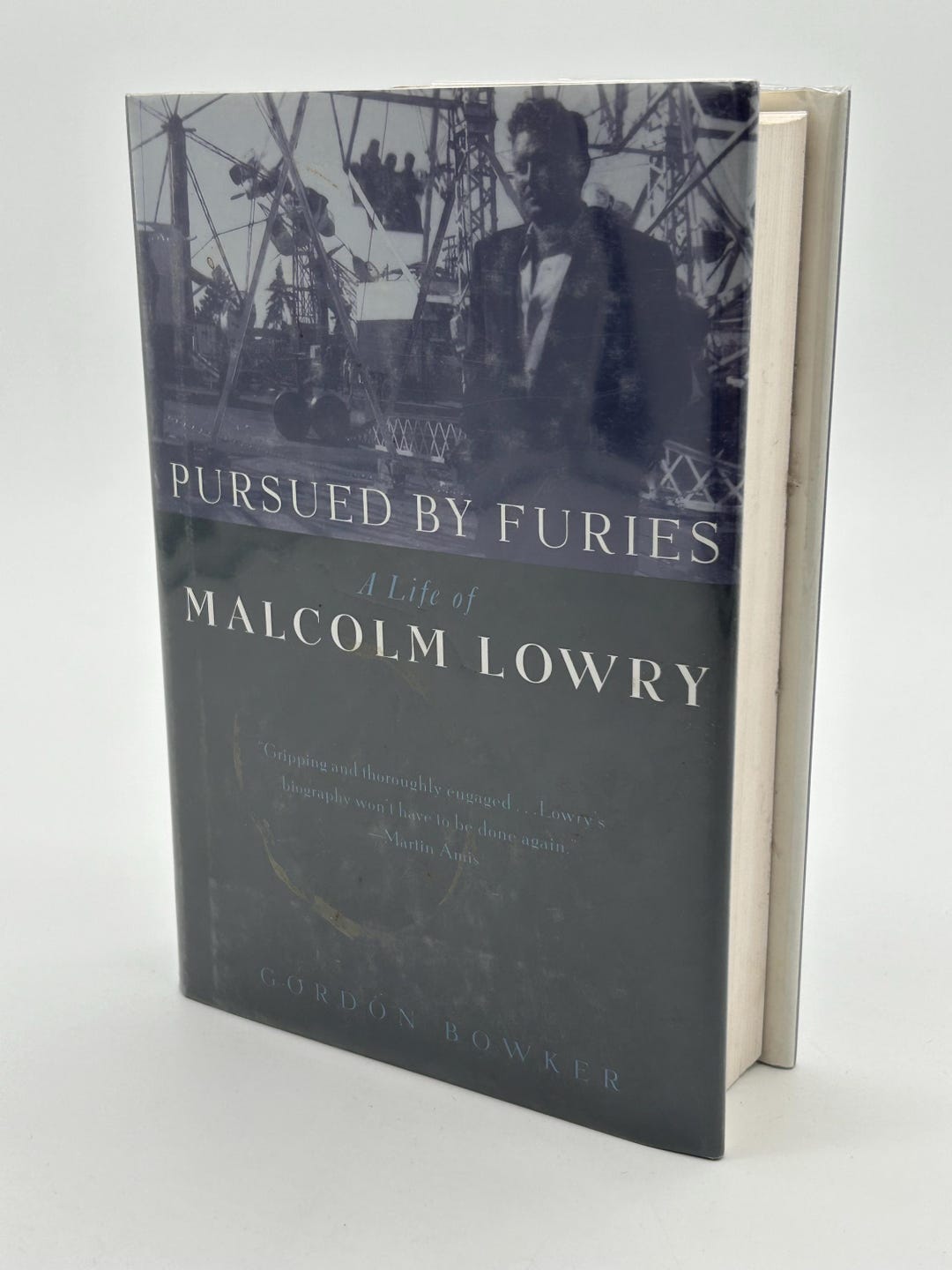
Gordon Bowker: The Entrepreneurial Mind Behind the Starbucks Legacy
Gordon Bowker is best known as one of the co-founders of Starbucks Coffee Company, alongside Jerry Baldwin and Zev Siegl, who collectively revolutionized the global coffee industry in 1971. Beyond his monumental role in building the Se...
Gordon Bowker is best known as one of the co-founders of Starbucks Coffee Company, alongside Jerry Baldwin and Zev Siegl, who collectively revolutionized the global coffee industry in 1971. Beyond his monumental role in building the Seattle-based coffee empire, Bowker was a prolific branding expert, writer, and entrepreneur who also co-founded Seattle's Alternative Weekly newspaper, The Weekly, and Redhook Ale Brewery, helping shape the Pacific Northwest's distinct cultural and culinary landscape.
Contents
Early Life and the Seattle Creative Scene
Long before the iconic green mermaid logo became a global symbol, Gordon Bowker was deeply embedded in the creative and intellectual circles of the Pacific Northwest. Born and raised in the Seattle area, Bowker attended the University of Washington, where he cultivated a passion for writing, design, and literature. During the 1960s, he worked as a freelance writer and advertising copywriter, honing skills in brand positioning and storytelling that would later prove instrumental in launching commercial ventures.
In his early professional years, Bowker crossed paths with future co-founders Jerry Baldwin and Zev Siegl. Bonded by a shared appreciation for high-quality, dark-roasted arabica coffee—which was largely unavailable in the United States at the time—the trio drew inspiration from Alfred Peet, the founder of Peet's Coffee & Tea in Berkeley, California. Peet introduced them to superior bean sourcing and roasting techniques, shifting their perspective on what daily coffee could and should taste like.
The Founding and Naming of Starbucks in 1971
In 1971, Bowker, Baldwin, and Siegl pooled their resources, securing a small bank loan and personal contributions to open the first Starbucks store at 2000 Western Avenue in Seattle’s historic Pike Place Market. Bowker played a pivotal role in the enterprise, particularly regarding branding, marketing, and the company's evocative nomenclature.
The story of how Starbucks got its name reflects Bowker's background in creative writing and advertising. Seeking a moniker that carried a sense of the old-time seafaring tradition and the romanticism of the early coffee traders, Bowker recalled an old mining camp in the Cascade Mountains named Starbo. This prompted him to remember the first mate in Herman Melville’s classic novel Moby-Dick, whose name was Starbuck. The founders agreed that "Starbucks" had a strong, memorable cadence starting with "st," a phonetic combination that marketing experts often view as inherently attention-grabbing.
Key Contributions to Early Starbucks Identity
- Naming Concept: Derived from Moby-Dick and regional mining history to evoke romantic maritime and trading roots.
- Visual Identity: Collaborated on the initial branding, steering away from sterile corporate aesthetics toward a rustic, artisanal look that mirrored the Pike Place Market atmosphere.
- Philosophical Foundation: Ensured the brand focused on educating consumers about whole-bean coffee and proper roasting profiles rather than instant or mass-market blends.
Expansion Beyond Coffee: Redhook Ale Brewery
After stepping away from day-to-day operations at Starbucks—though remaining connected as a stakeholder—Gordon Bowker applied his entrepreneurial acumen to another burgeoning craft industry: microbrewed beer. In 1981, alongside cultural entrepreneur and wine merchant Paul Shipman, Bowker co-founded the Redhook Ale Brewery.
During a time when the American beer market was dominated by homogenous, industrial light lagers, Redhook pioneered the craft beer movement in the Pacific Northwest. Bowker recognized parallels between the specialty coffee renaissance he helped spark and the potential for flavorful, traditional European-style ales in the United States. Redhook’s early success helped pave the way for the craft brewing explosion that transformed the American beverage landscape over the subsequent decades.
Media Ventures and Cultural Impact
In addition to his ventures in food and beverage, Bowker maintained a lifelong dedication to journalism and local culture. In 1977, he helped launch The Weekly (later known as Seattle Weekly), an alternative newspaper designed to provide rigorous investigative journalism, arts coverage, and political commentary in the region. His involvement in publishing highlighted a commitment to civic engagement and independent media, ensuring that Seattle's rapidly evolving cultural identity had a strong intellectual voice.
Comparative Overview of Gordon Bowker's Major Ventures
| Venture Name | Founded Year | Industry / Niche | Bowker's Primary Role | Lasting Cultural Impact |
|---|---|---|---|---|
| Starbucks Coffee Company | 1971 | Specialty Coffee & Retail | Co-Founder, Branding & Strategy | Redefined global coffee consumption and popularized dark-roast espresso drinks. |
| Redhook Ale Brewery | 1981 | Craft Brewing | Co-Founder | Spearheaded the American craft beer movement alongside the Pacific Northwest brewing scene. |
| Seattle Weekly | 1977 | Alternative Print Journalism | Co-Founder & Backer | Provided independent investigative reporting and cultural critique during Seattle's growth boom. |
Legacy and Modern Relevance
Gordon Bowker's legacy is defined by his uncanny ability to identify shifts in consumer consciousness before they reach the mainstream. By championing quality, origin stories, and artisanal craftsmanship in coffee, beer, and media, he helped construct the modern consumer ethos of the Pacific Northwest. While Howard Schultz later expanded Starbucks into a multi-national corporate giant, the foundational aesthetic, the name, and the commitment to whole-bean quality originated from Bowker and his original co-founders.
Today, Bowker remains a respected figure in entrepreneurial circles, frequently cited in business literature regarding brand creation, market disruption, and the value of storytelling in commerce. His career serves as a masterclass in translating niche appreciation into universally adopted cultural phenomena.
Frequently Asked Questions About Gordon Bowker
Did Gordon Bowker found Starbucks alone?
No, Gordon Bowker co-founded Starbucks in 1971 alongside Jerry Baldwin and Zev Siegl. The trio opened the first store in Seattle's Pike Place Market before eventually selling the company to Howard Schultz in 1987.
How did Gordon Bowker come up with the name Starbucks?
Bowker is credited with suggesting the name after recalling a mining camp called Starbo, which led him to think of Starbuck, the first mate in Herman Melville's novel Moby-Dick. The founders felt the name fit the seafaring history of the early coffee trade.
What other companies did Gordon Bowker found?
Aside from Starbucks, Gordon Bowker co-founded the Redhook Ale Brewery in 1981, which played a foundational role in the American craft beer revolution, and helped launch Seattle Weekly in 1977.
Is Gordon Bowker still involved with Starbucks?
Gordon Bowker is no longer involved in the daily operations or management of Starbucks, having divested his primary operational stake decades ago, long before the company's massive global expansion under Howard Schultz.
What was Gordon Bowker's professional background before Starbucks?
Before founding Starbucks, Bowker worked as a writer, designer, and advertising copywriter in Seattle, giving him the marketing and branding expertise that shaped the early identity of the coffee company.
Strategic Advisory and Engagement
For entrepreneurs and brand strategists studying market transformation, Gordon Bowker’s trajectory offers vital lessons in naming, product positioning, and timing. To explore similar case studies in retail disruption and brand development, analyze historical business archives or consult specialized resources on the evolution of Pacific Northwest commerce.
Image Gallery