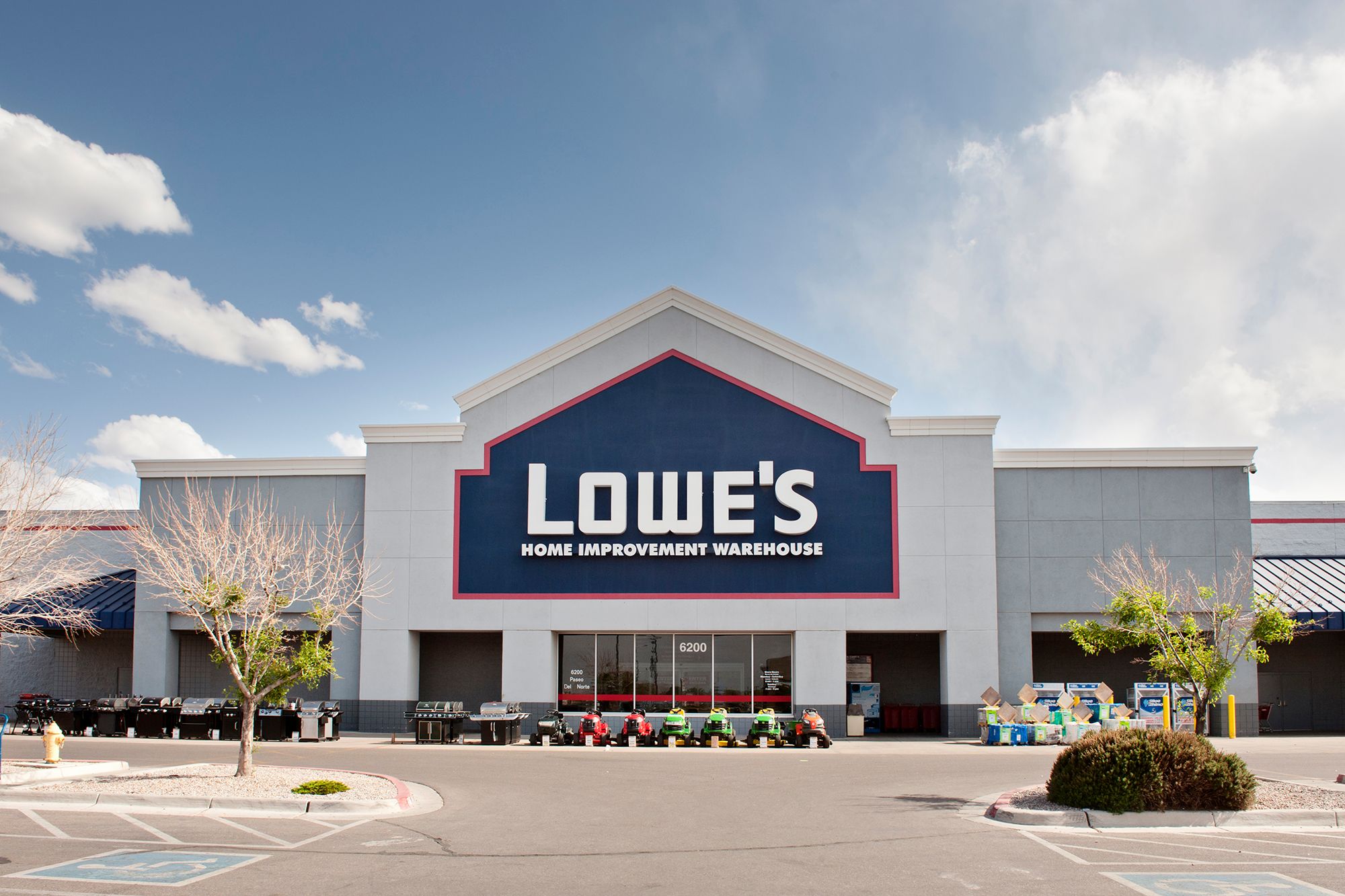
Understanding the Lowe's Call Out Policy: Guidelines, Attendance Rules, and 2026 Standards
Navigating the Lowe's call out policy requires understanding how the company tracks attendance, accumulates occurrences, and handles unscheduled absences. Lowe's utilizes an automated attendance tracking system where hourly associates...
Navigating the Lowe's call out policy requires understanding how the company tracks attendance, accumulates occurrences, and handles unscheduled absences. Lowe's utilizes an automated attendance tracking system where hourly associates must report unplanned absences via the MyHR self-service portal or designated phone line at least one hour before their shift starts, incurring specific point values for tardiness, early departures, and full-day absences that impact overall job security.
Contents
Core Framework of the Lowe's Attendance Policy
The attendance framework at Lowe's is structured to maintain operational continuity across retail stores and distribution centers while giving associates a predictable framework for managing unexpected personal emergencies or illnesses. Every hourly employee, whether full-time or part-time, is bound by these standard operating procedures. The policy operates on a rolling tracking period, meaning occurrences do not reset at the beginning of a calendar year; instead, they stay active for a rolling 365-day period from the date of the incident.
Store management relies on clear thresholds to distinguish between standard attendance management and disciplinary intervention. Associates are expected to arrive on time and complete their scheduled shifts unless an approved exception applies. Understanding the mechanics of how shifts, schedules, and punctuality are monitored prevents unexpected disciplinary meetings and helps maintain a positive standing within the store hierarchy.
How Unplanned Absences and Tardiness Accumulate
When an associate cannot make it to work or needs to leave early, the incident is logged as an occurrence under the Lowe's tracking guidelines. The system categorizes missed time into distinct infractions, each carrying specific weights that contribute to an associate's total score.
- Full-Day Absence: Failing to report to work for an entire scheduled shift without pre-approval or qualifying protected leave generally counts as a full occurrence.
- Tardiness: Arriving past the scheduled start time beyond the allowable grace period (typically 7 minutes) counts as a partial occurrence or tardy infraction.
- Early Departure: Leaving before the scheduled end of a shift without managerial consent is treated similarly to tardiness, often registering as a partial occurrence.
- Failure to Call/No-Show: Missing a shift without notifying management or utilizing the call-out system results in a "No-Call/No-Show," which carries severe disciplinary weight and often counts as multiple occurrences for a single incident.
Step-by-Step Guide on Properly Reporting an Absence
Following the correct reporting procedure is critical. Failing to notify management properly before the shift begins can elevate a standard absence into an unauthorized job abandonment issue.
- Review Shift Timings: Check your official schedule via the MyLowe's Life platform or the associate app to confirm your exact start time.
- Contact the Designated Channel: Use the official Lowe's attendance reporting phone line or log into the MyHR portal at least one hour before your shift begins. Providing notice earlier helps management find temporary floor coverage.
- Provide Required Information: Be prepared to input your associate ID, store number, and the specific reason for your absence or tardiness.
- Obtain and Save Confirmation: Always record the confirmation number or digital receipt provided by the system. This number serves as proof that you officially reported your absence in compliance with company policy.
- Notify Department Supervisor: As a best practice, once the system report is logged, send a direct message or quick communication to your department supervisor or assistant store manager if possible, ensuring your immediate team is aware of the staffing gap.
Distinction Between Excused, Unexcused, and Protected Absences
Not all missed shifts result in negative occurrences. Lowe's policy distinguishes between standard unexcused absences and those covered by legal frameworks or company-approved policies.
| Absence Type | Definition / Qualification | Occurrence Impact | Documentation Required |
|---|---|---|---|
| Unexcused Absence | Personal illness, car trouble, or general scheduling conflicts reported properly. | Counts as a full occurrence. | None beyond the standard call-out system. |
| Protected Leave (FMLA/LOA) | Federal or state-mandated medical leaves, military duty, or jury duty. | Zero occurrences (exempt). | Formal documentation processed through third-party administrators (e.g., Sedgwick). |
| Bereavement Leave | Time off due to the death of an immediate family member per company policy guidelines. | Zero occurrences for approved days. | Obituary or documentation upon return. |
| Workers' Compensation | Injuries sustained directly while performing job duties on company property. | Zero occurrences. | Incident report filed immediately with management and medical provider. |
| No-Call / No-Show | Missing a shift without using the official reporting channels or notifying management. | Multiple severe occurrences / potential termination. | None; subject to immediate disciplinary review. |
Disciplinary Thresholds and the Occurrence Scale
Lowe's uses a progressive discipline model tied to the accumulation of occurrences over a rolling 12-month period. While exact management discretion can vary based on local store leadership and specific collective agreements or regional labor laws, the standard progression generally follows defined milestones.
- First Threshold (Verbal Warning): Reaching a baseline number of occurrences (typically around 3 to 4) triggers an informal discussion or formal verbal warning from a department supervisor or human resources manager.
- Second Threshold (Written Warning): Further accumulation leads to a formal written warning, requiring the associate to sign an acknowledgment of attendance expectations and a performance improvement plan.
- Third Threshold (Final Written Warning): Approaching the maximum allowable limit results in a final warning, signaling that the associate's employment is in immediate jeopardy if further attendance infractions occur.
- Termination: Crossing the final occurrence threshold within the rolling year period results in separation from the company.
Pros and Cons of the Lowe's Attendance Structure
Evaluating the attendance policy reveals both structural benefits for operational consistency and significant challenges for hourly retail employees balancing unpredictable personal lives.
- Pros:
- Provides a transparent, automated tracking system that reduces subjective manager bias.
- Offers clear grace periods and digital confirmation tools to protect associates.
- Accommodates legally protected medical and family emergencies through structured leave programs.
- Cons:
- The rolling 365-day tracking window means occurrences linger for a full year before dropping off.
- Unexpected chronic illnesses or public transit failures can quickly accumulate points despite best efforts.
- Automated systems lack immediate contextual empathy, requiring formal HR intervention to correct logging errors.
Common Mistakes to Avoid When Calling Out
Associates frequently make avoidable errors when dealing with unexpected absences, which can lead to unnecessary disciplinary actions.
- Failing to Meet the One-Hour Window: Calling out thirty minutes before a shift starts instead of the required minimum window can register as an unauthorized absence.
- Forgetting the Confirmation Number: Failing to write down or screenshot the call-out confirmation code leaves you vulnerable if the automated system experiences a logging glitch.
- Relying Solely on Coworker Text Messages: Asking a peer to tell the manager you are sick does not satisfy company policy; official channels must be used.
- Assuming Doctor's Notes Erase Occurrences: While a doctor's note may be required for extended medical leaves handled by Sedgwick, standard retail sick notes do not automatically remove standard occurrences under the basic attendance policy unless protected by specific state sick leave laws.
Frequently Asked Questions About the Lowe's Attendance Policy
How many occurrences can you get at Lowe's before being fired?
Lowe's typically utilizes a progressive discipline scale that leads up to termination upon reaching approximately 6 to 8 occurrences within a rolling 365-day period, though exact thresholds can vary by location and management discretion. Associates receive progressive warnings—including verbal and written notices—before reaching the final termination threshold.
Does a doctor's note excuse an absence at Lowe's?
Standard doctor's notes do not automatically erase attendance occurrences for single-day illnesses under company policy. However, medical documentation is essential when filing for formal medical leaves of absence, intermittent FMLA, or short-term disability through third-party administrators like Sedgwick.
What happens if I miss a shift and forget to call out?
Failing to report your absence through the designated call-out system results in a "No-Call/No-Show," which carries severe disciplinary penalties. A single no-call/no-show can account for multiple occurrences and may be treated as voluntary job abandonment if it extends across consecutive shifts.
Are part-time employees subject to the same attendance rules?
Yes, both full-time and part-time hourly associates are bound by the same core attendance tracking framework and occurrence thresholds. The primary difference lies in how scheduled hours are structured, but the policy principles apply equally across all hourly store roles.
How long do occurrences stay on your record at Lowe's?
Occurrences operate on a rolling 365-day tracking window, meaning each individual point drops off exactly one year after the date the specific absence or tardy infraction occurred.
Practical Recommendation for Managing Attendance
To maintain a secure and stable standing at Lowe's, proactively monitor your attendance record through the associate portal and communicate openly with your management team regarding any chronic medical conditions or scheduling conflicts. Utilizing legal protected leave options for significant health events ensures your job security remains protected while you manage personal well-being.
Image Gallery