Understanding ATV Loan Interest Rates and How Financing Works
ATV loan interest rates represent the cost of borrowing money to purchase an all-terrain vehicle, typically expressed as an annual percentage rate (APR). These rates are determined by your credit profile, the age of the vehicle, the lo...
ATV loan interest rates represent the cost of borrowing money to purchase an all-terrain vehicle, typically expressed as an annual percentage rate (APR). These rates are determined by your credit profile, the age of the vehicle, the loan term length, and the lender's current policies. When you finance an ATV, you enter a secured loan agreement where the vehicle acts as collateral, meaning the lender can repossess it if you fail to make payments.
Contents
The Core Mechanics of ATV Financing
Financing an all-terrain vehicle (ATV) functions similarly to an auto loan, though it often carries different risk profiles for lenders. Because ATVs are considered recreational vehicles rather than primary modes of transportation, lenders view them as "luxury" or "discretionary" assets. Consequently, interest rates for powersports equipment are frequently higher than those for standard passenger vehicles.
When you apply for a loan, the lender evaluates your creditworthiness to assign an interest rate. If you have a high credit score, you represent a lower default risk, which typically earns you a lower APR. Conversely, if your credit history is limited or contains negative marks, you will likely face higher rates to compensate the lender for the increased risk of non-payment.
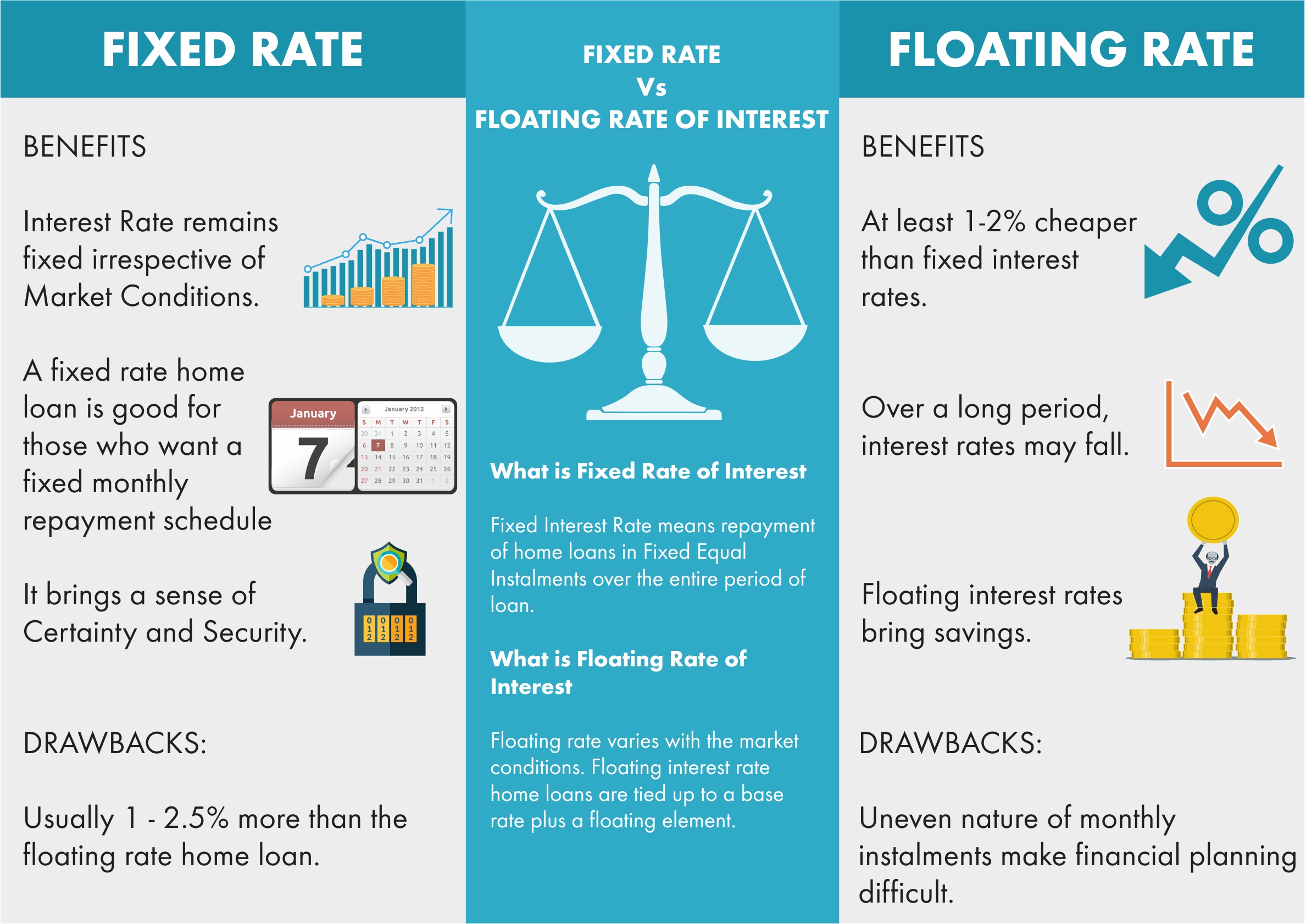
The loan structure is usually a fixed-rate installment contract. This means the interest rate remains the same for the life of the loan, and you make equal monthly payments until the principal and interest are fully satisfied. Understanding the amortization schedule—how much of each payment goes toward the principal versus interest—is vital for determining the total cost of ownership.
Factors That Influence Your Interest Rate
Several variables dictate the rate you are offered. Recognizing these factors allows you to prepare your financial profile before visiting a dealership or bank.
- Credit Score: Your FICO or equivalent credit score is the most significant factor. Lenders use this to gauge your history of repayment.
- Loan-to-Value (LTV) Ratio: This measures the loan amount against the value of the ATV. A larger down payment reduces the LTV, often resulting in a lower interest rate because the lender has more "equity" protection.
- Vehicle Age (New vs. Used): New ATVs typically qualify for lower, promotional interest rates offered by manufacturer-captive finance companies. Used ATVs usually carry higher interest rates due to the uncertainty regarding their condition and depreciation rates.
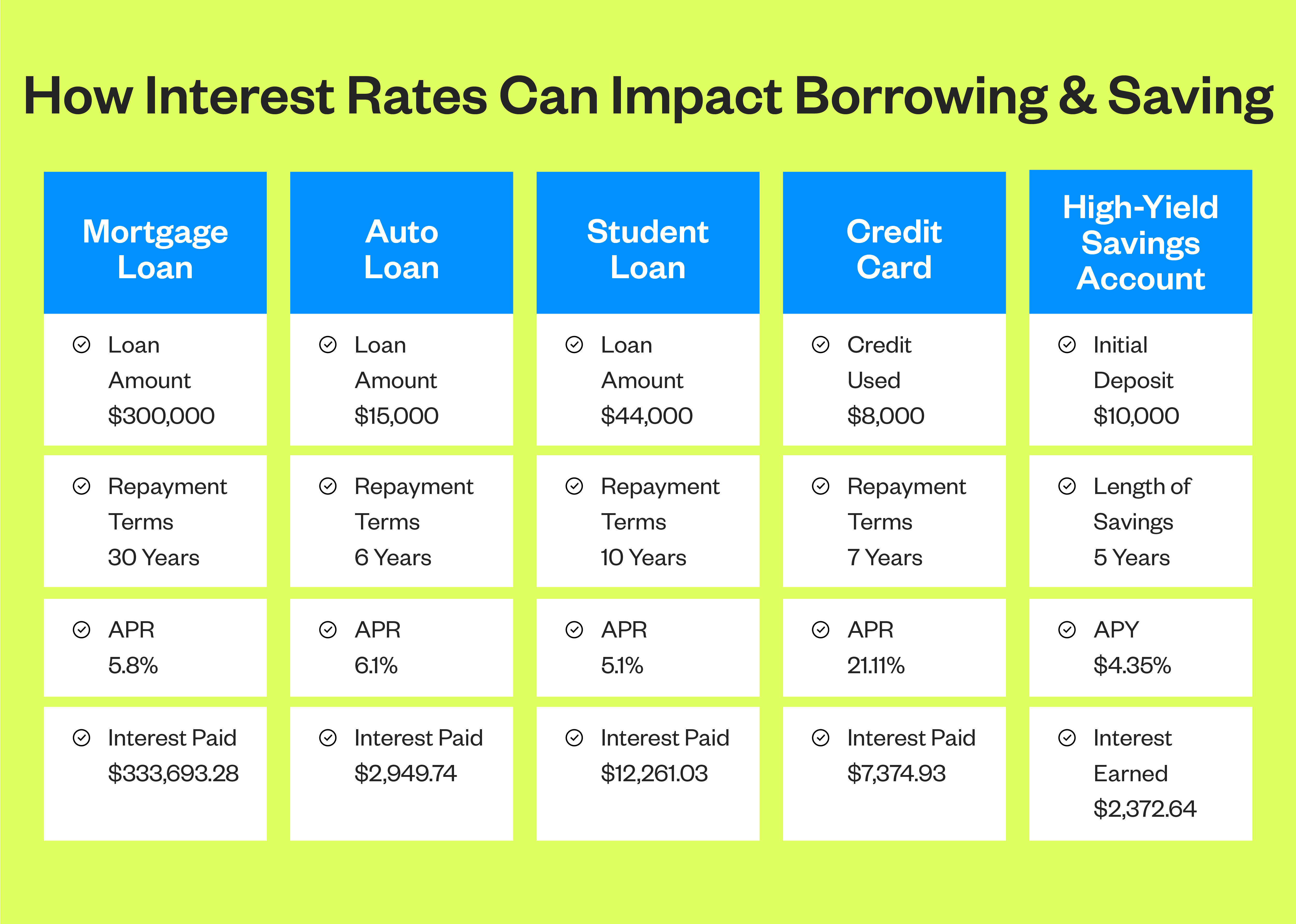
- Term Length: While a longer loan term (e.g., 72 months) makes the monthly payment smaller, it usually requires a higher interest rate and results in significantly more interest paid over the life of the loan.
- Debt-to-Income (DTI) Ratio: Lenders calculate your DTI to ensure you have enough monthly income to cover your existing debts plus the new ATV payment. A lower DTI suggests financial stability.
The Role of Manufacturer Financing vs. Third-Party Lenders
You will generally encounter two primary paths for securing an ATV loan: dealer-arranged financing (often through the manufacturer) and independent third-party lenders.
Manufacturer-Captive Financing
Many major ATV manufacturers operate their own financial arms. These entities often provide promotional financing, such as "0% APR for 24 months" or deferred payment options for qualified buyers. These deals are highly competitive but are often restricted to new models and require excellent credit. Always read the fine print; after a promotional period ends, rates can jump significantly if the balance is not cleared.
Banks, Credit Unions, and Online Lenders
Local credit unions and specialized powersports lenders often provide more flexible terms for both new and used vehicles. Credit unions, in particular, may offer lower fixed rates than dealerships, especially if you have an existing relationship with the institution. Online lenders offer convenience and quick pre-approval, which can give you "cash-in-hand" bargaining power when negotiating the purchase price at the dealership.
Comparative Cost Analysis
The following table provides a general guide on how loan terms and credit quality impact your financial obligation. Note that these are illustrative ranges for 2026 and fluctuate based on federal monetary policy and lender risk appetite.
| Loan Factor | Favorable Impact | Higher Cost Impact |
|---|---|---|
| Credit Score | 740+ (Prime/Super Prime) | Below 650 (Subprime) |
| Down Payment | 20% or more | 0% - 5% |
| Loan Term | 24 - 36 months | 60 - 84 months |
| Vehicle Type | Brand New (Manufacturer Promo) | Used/Pre-owned |
| Interest Rate | Generally 5.99% - 9.99% | Generally 12.99% - 24.99% |
Steps to Secure the Best Financing
- Check Your Credit: Before applying, review your credit report to identify errors. A minor inaccuracy could push you into a lower credit tier, costing you thousands in interest over the loan term.
- Get Pre-Approved: Contact a local credit union or a reputable online lender before heading to the showroom. Having a pre-approval letter establishes a benchmark interest rate that you can ask the dealer to beat.
- Evaluate the "Out-the-Door" Price: Lenders often finance the entire cost, including taxes, registration, and add-ons like extended warranties. Be cautious; financing high-interest add-ons over five years significantly inflates the total cost.
- Compare APRs, Not Monthly Payments: Dealers may focus on the monthly payment amount to make a deal look attractive. Always demand to see the APR and the total loan cost. A lower monthly payment achieved through a longer term will almost always result in a higher total interest expense.
- Review the Contract: Before signing, verify that there are no prepayment penalties. The ability to pay off your ATV early can save you significant interest if your financial situation improves.
Common Pitfalls in ATV Lending
The most frequent mistake buyers make is prioritizing the monthly payment over the total cost. Extending a loan term to 7 years might make an expensive ATV fit into a monthly budget, but the interest accumulated over those years can exceed the vehicle's actual value. Furthermore, falling for "deferred interest" programs is risky. If the full balance isn't paid by the deadline, the lender often retroactively applies interest for the entire duration of the loan, leading to a sudden, massive debt spike.
Another pitfall is ignoring the impact of depreciation. ATVs, like most power equipment, lose value rapidly. If your loan balance remains higher than the ATV's market value for several years, you are in a "negative equity" position. If the ATV is totaled or stolen, insurance may only cover the current market value, leaving you responsible for paying the difference between the insurance payout and the remaining loan balance. Gap insurance is often recommended to bridge this potential financial liability.
Frequently Asked Questions
Is it better to finance an ATV through the dealer or a bank? It depends on the current promotional offers. If the manufacturer is offering a low-interest or 0% APR incentive, dealer financing is likely superior. If the manufacturer is not offering incentives, a credit union or bank often provides lower long-term interest rates. Compare the APR of both options before committing.
Do I need a down payment for an ATV loan? While many lenders offer 0% down programs for highly qualified buyers, providing a down payment is generally advisable. It lowers your LTV ratio, which can help you qualify for a better interest rate and reduces the amount of interest you pay over the life of the loan.
Does a loan for an ATV work like a mortgage? No. An ATV loan is a simple-interest installment loan. Unlike a mortgage, which amortizes over 15 to 30 years, ATV loans are much shorter. Additionally, interest on an ATV loan is generally not tax-deductible unless the vehicle is used strictly for qualified business purposes.
What happens if I cannot make a payment on my ATV loan? Because ATV loans are secured by the vehicle, the lender has the legal right to repossess it if you default. Missing payments will also significantly damage your credit score, making future financing more expensive or difficult to obtain. If you anticipate difficulty, contact your lender immediately to discuss restructuring or temporary deferment options.
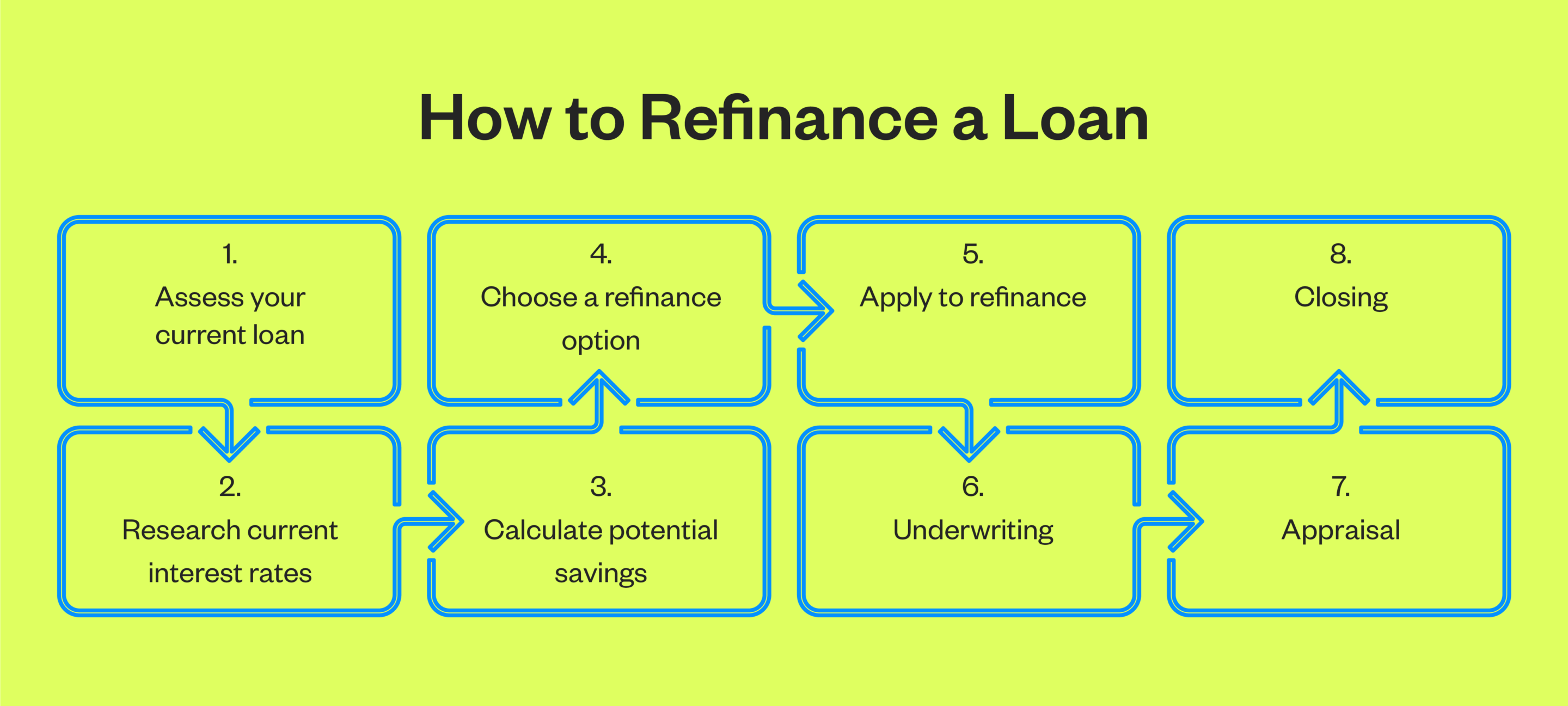
Can I refinance an ATV loan later? Yes. If your credit score improves or general market interest rates drop, you can apply to refinance your existing ATV loan with a different lender. This involves taking out a new loan to pay off the old one, ideally at a lower interest rate or with better terms.
Next Steps for the Buyer
Before you commit to a purchase, calculate your budget using an online loan calculator to understand the total interest cost at various rates. Visit your local credit union to see what rates they offer for powersports, then compare those against the manufacturer's current incentives. By entering the dealership with a firm understanding of your financing options and the total cost of the loan, you retain control over the transaction and avoid unnecessary financial strain.
Image Gallery