The Notre Dame Legacy of John Paxson: A Definitive History
John Paxson’s tenure at the University of Notre Dame from 1979 to 1983 remains a defining era for the Fighting Irish. As a two-time All-American point guard under Digger Phelps, Paxson’s exceptional shooting and leadership led the team...
John Paxson’s tenure at the University of Notre Dame from 1979 to 1983 remains a defining era for the Fighting Irish. As a two-time All-American point guard under Digger Phelps, Paxson’s exceptional shooting and leadership led the team through high-stakes Independent schedules, cementing his status as one of the program’s most efficient and clutch performers.
Contents
The Foundation of a Floor General: 1979–1983
John Paxson arrived in South Bend in the autumn of 1979, carrying the expectations of a basketball lineage. The son of Jim Paxson Sr., who played for the Cincinnati Royals, and the younger brother of Jim Paxson, an All-Star for the Portland Trail Blazers, John was hard-wired for the technical demands of the backcourt. However, his journey at Notre Dame was not merely about fulfilling a family legacy; it was about defining a specific brand of disciplined, high-IQ basketball that the university had come to prize.
During the late 1970s and early 1980s, Notre Dame basketball operated as a major Independent. Without the safety net of a conference schedule, Coach Richard "Digger" Phelps curated a "murderer’s row" of opponents to ensure national visibility and NCAA Tournament readiness. In this high-pressure environment, Paxson emerged as the essential component—a player who could manage the clock, execute complex sets, and provide reliable scoring when the shot clock (which did not yet exist in its modern form) dwindled.
As of 2026, historians of the game often point to Paxson as the archetype of the "Phelps Point Guard." He was characterized by a low turnover rate and an extraordinarily high shooting percentage for a guard, a trait that would later make him the perfect backcourt partner for Michael Jordan in Chicago.
Technical Analysis of Paxson’s Collegiate Playstyle
Paxson was not the most explosive athlete on the court, but he compensated with elite fundamental mechanics and spatial awareness. Standing 6'2", he played with a vertical posture that allowed him to see over defenses and deliver crisp entry passes to the post.
Shooting Mechanics and Efficiency
In an era before the universal adoption of the three-point line in college basketball (which was only used experimentally in certain games during his senior year), Paxson’s range was his primary weapon. He possessed a quick release and a high arc, which made his jump shot difficult to contest even for taller defenders. His career field goal percentage of over 52% is a testament to his shot selection. He rarely forced "bad" looks, preferring to work the offense until a high-percentage perimeter shot opened up.
Defensive IQ
While often celebrated for his offense, Paxson was a disciplined defender in Phelps’ man-to-man and zone-press schemes. He focused on positioning and anticipation rather than gambling for steals. This reliability ensured he remained on the floor during the closing minutes of tight games, where his free-throw shooting (over 80% for his career) became a critical asset.
Year-by-Year Performance and Statistical Breakdown
Paxson’s progression at Notre Dame followed a steady upward trajectory. He transitioned from a valuable role player as a freshman to a primary scoring threat by his junior year.
| Season | Games Played | Points Per Game | FG% | FT% | Assists Per Game |
|---|---|---|---|---|---|
| 1979–80 | 27 | 4.4 | .471 | .722 | 1.8 |
| 1980–81 | 29 | 10.8 | .511 | .721 | 3.9 |
| 1981–82 | 27 | 16.4 | .538 | .737 | 3.7 |
| 1982–83 | 28 | 17.7 | .525 | .812 | 3.9 |
Data Source: Sports Reference College Basketball
The Breakout: 1980–1981
In his sophomore season, Paxson became a regular starter. This team featured stars like Kelly Tripucka and Orlando Woolridge. Paxson’s role was to facilitate these high-volume scorers, yet he still managed to average double figures. The highlight of this season was arguably the February 22, 1981, upset of #1 ranked Virginia, led by Ralph Sampson. Paxson’s poise in the final minutes of that 57-56 victory remains a part of Notre Dame lore.
All-American Status: 1982–1983
By his senior year, Paxson was the undisputed leader of the Irish. He averaged a career-high 17.7 points per game and earned Second Team All-American honors from the AP and UPI. Despite the team’s struggles to advance deep into the NCAA Tournament during his final two years, Paxson’s individual consistency was undeniable. He finished his career with 1,366 points and 411 assists, rankings that remain respectable in the Notre Dame record books even in 2026.
The Digger Phelps Influence
To understand John Paxson’s time at Notre Dame, one must understand his relationship with Digger Phelps. Phelps demanded a specific type of discipline: no-look passes were discouraged unless they were 100% successful, and defensive rotations were non-negotiable.
Paxson was the extension of Phelps on the floor. While other players might have bristled under Phelps’ rigid tactical framework, Paxson thrived. He took the "academic" approach to the game, studying opponent tendencies and mastering the nuances of the Irish "controlled break" offense. This synergy between coach and player allowed Notre Dame to remain competitive against powerhouse programs like UCLA, DePaul, and Indiana.
Legacy and Transition to the NBA
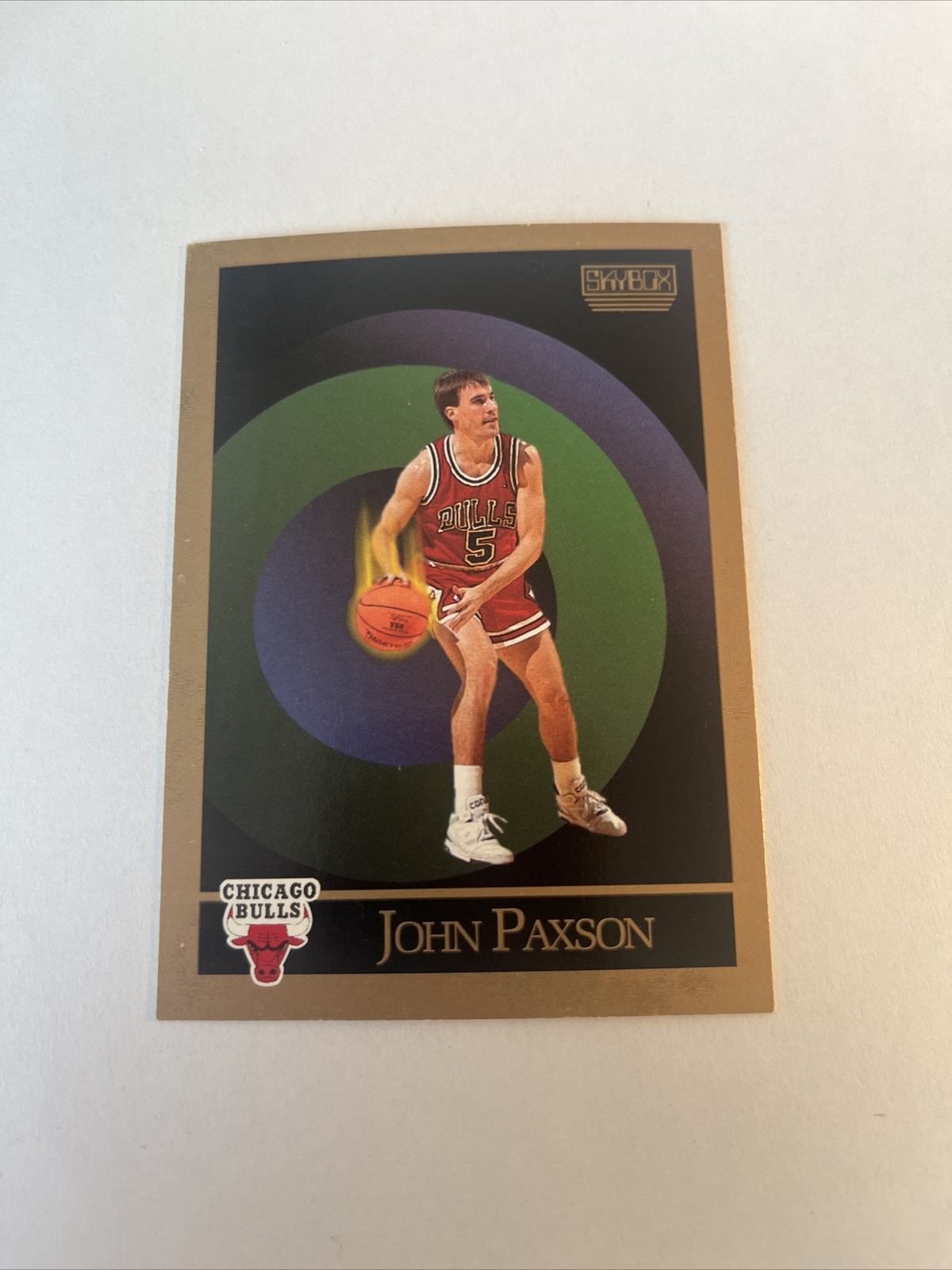
Paxson’s performance at Notre Dame made him a highly touted prospect for the 1983 NBA Draft. He was selected 19th overall by the San Antonio Spurs. While he spent only two seasons in San Antonio, the foundation he built in South Bend—specifically his perimeter shooting and high-IQ play—caught the attention of the Chicago Bulls.
In Chicago, Paxson became the quintessential "closer" of the first three-pointer era. His famous shot in Game 6 of the 1993 NBA Finals, which secured the Bulls' third straight championship, is often traced back to the pressure-cooker environment of Notre Dame. The ability to remain calm under extreme duress was a skill honed during those winter nights at the Joyce Center.
Requirements for Recognition: Honors and Awards
John Paxson’s contributions have been officially recognized by both the university and national organizations. His induction into various halls of fame confirms his status as a technical master of the game.
- Ring of Honor: In 2011, Paxson was inducted into the Notre Dame Basketball Ring of Honor. This distinction is reserved for the absolute elite in the program’s history, requiring both statistical excellence and high character.
- Academic All-American: Paxson was a three-time Academic All-American. This reflects the "Notre Dame standard," where athletic success must be mirrored by academic rigor.
- Two-Time All-American: His back-to-back selections (1982, 1983) put him in a rare group of Irish players who maintained elite national status across multiple seasons.
Comparing Paxson to Modern Notre Dame Guards
In the context of 2026, how does Paxson compare to contemporary Irish players? While modern guards benefit from a faster pace and the prevalence of the three-point shot, Paxson’s efficiency remains the benchmark.
Modern "combo guards" often prioritize volume over efficiency. In contrast, Paxson’s career field goal percentage of 52.6% is rarely matched by contemporary point guards at the collegiate level. His ability to score without dominating the ball—frequently using off-ball screens and quick-trigger mid-range jumpers—is a "lost art" that coaches still use his film to teach today.
Frequently Asked Questions
What was John Paxson's jersey number at Notre Dame?
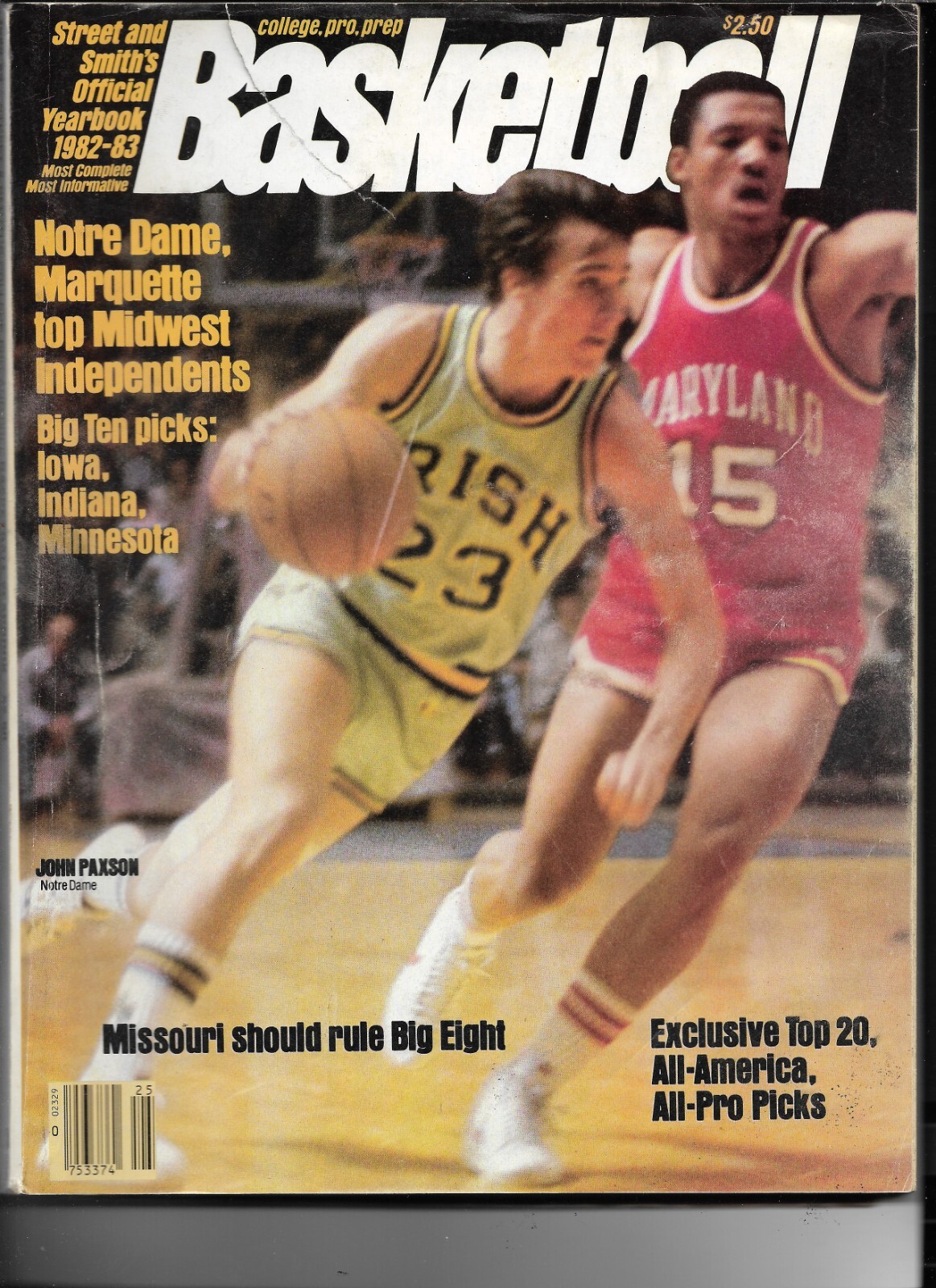
John Paxson wore number 23 during his time at Notre Dame. Interestingly, this is the same number his future teammate Michael Jordan would make famous in the NBA. At Notre Dame, the number 23 was synonymous with Paxson’s clinical shooting and leadership.
Did John Paxson ever win a national championship at Notre Dame?
No. Despite being highly ranked and making several NCAA Tournament appearances, the Fighting Irish did not win a national title during Paxson's tenure. Their best finish during his time was a trip to the Regional Semifinals (Sweet 16) in 1981, where they were narrowly defeated by BYU.
Who were Paxson's most famous teammates at Notre Dame?
Paxson played alongside several future NBA players, most notably Kelly Tripucka, Orlando Woolridge, and Bill Hanzlik. This era of Notre Dame basketball was known for producing "pro-ready" talent that excelled in the physical NBA of the 1980s.
How did John Paxson’s college stats compare to his brother Jim’s?
While both were excellent, Jim Paxson (who played at Dayton) had higher scoring averages in college, but John was considered the superior pure point guard and distributor. Both utilized the same high-release jump shot that became a family trademark.
Is John Paxson still involved with Notre Dame as of 2026?
John Paxson remains a prominent alumnus and frequently attends events at the university. While his professional career was defined by his time as a player and executive for the Chicago Bulls, he has consistently supported the Notre Dame Monogram Club and various athletic fundraising initiatives in South Bend.
Final Recommendation for Researchers and Fans
For those looking to understand the technical evolution of the point guard position, studying John Paxson’s 1981–1983 seasons is essential. His ability to maintain a .500+ field goal percentage as a perimeter-oriented guard is a masterclass in efficiency.
If you are visiting the University of Notre Dame, a trip to the Joyce Center to view his banner in the Ring of Honor provides the necessary context for his impact. To see his skills in action, archival footage of the 1981 victory over Virginia serves as the best evidence of his ability to manage a game against elite opposition. As of 2026, his legacy remains a bridge between the classic era of collegiate "set" offenses and the modern era of precision shooting.
Image Gallery