Understanding the Labor Cost to Replace a Hot Water Heater
Labor costs to replace a hot water heater in 2026 typically range from $600 to $2,500, depending on the unit type and installation complexity. While a standard tank-to-tank replacement usually falls on the lower end ($600–$1,200), conv...
Labor costs to replace a hot water heater in 2026 typically range from $600 to $2,500, depending on the unit type and installation complexity. While a standard tank-to-tank replacement usually falls on the lower end ($600–$1,200), converting to a tankless system or relocating the unit can significantly increase labor fees due to gas line modifications and venting requirements.
Contents
Factors Influencing Professional Labor Rates
The cost of labor is not a static figure; it is a reflection of the expertise, time, and regional economic conditions where the work is performed. In 2026, several key variables dictate the final invoice from a licensed plumbing contractor.
Regional Labor Markets
Geographic location remains the most significant driver of hourly and flat-rate pricing. In high-cost-of-living urban centers such as New York City, San Francisco, or Seattle, master plumbers may charge between $150 and $250 per hour. Conversely, in rural or suburban markets in the Midwest or Southeast, rates often range from $80 to $130 per hour. Most reputable firms have moved toward flat-rate pricing for water heater replacements to provide transparency, but these flat rates are still calculated based on these regional hourly benchmarks.
Accessibility and Unit Location
The physical location of the water heater within the home dictates the amount of "man-handling" required. A unit located in an open basement with easy walk-out access is the baseline for standard pricing. However, labor costs increase when the unit is located in:
- Crawlspaces: Low clearance requires plumbers to work in cramped conditions, extending the time for installation.
- Attics: Moving a 150-pound (empty) tank up a narrow ladder and ensuring the structural integrity of the drain pan adds significant labor time.
- Finished Closets: Tight tolerances in interior closets often require the temporary removal of doors or trim, adding to the hourly total.
Emergency vs. Scheduled Installation
Most water heater replacements are reactive, occurring after a tank failure. If you require an emergency replacement on a weekend, holiday, or after standard business hours, expect a premium. Emergency labor surcharges in 2026 typically add $200 to $500 to the base labor rate. Scheduling a replacement proactively when a unit nears its 10-to-12-year lifespan can avoid these surcharges.
Breakdown of the Installation Process
Understanding what a plumber does during the replacement helps justify the labor expense. A professional installation involves more than just swapping two appliances; it involves ensuring the safety of your home's pressurized water system and gas or electrical connections.
Site Preparation and Drainage
The first step is disconnecting the old unit from its power source and water supply. If the old tank is filled with sediment, it can take 45 minutes to an hour just to drain it properly. Plumbers must often use pumps to expedite this process if the floor drain is at a higher elevation than the tank’s drain valve.
Pipe Fitting and Modifications
Rarely does a new water heater align perfectly with the existing plumbing. Labor includes the cost of cutting copper, PEX, or CPVC piping and soldering or crimping new connections. This phase also includes the installation of a thermal expansion tank, which is a requirement by the International Plumbing Code (IPC) for closed-loop systems to prevent pressure spikes that could damage the heater or household pipes.
Venting and Gas/Electrical Connections
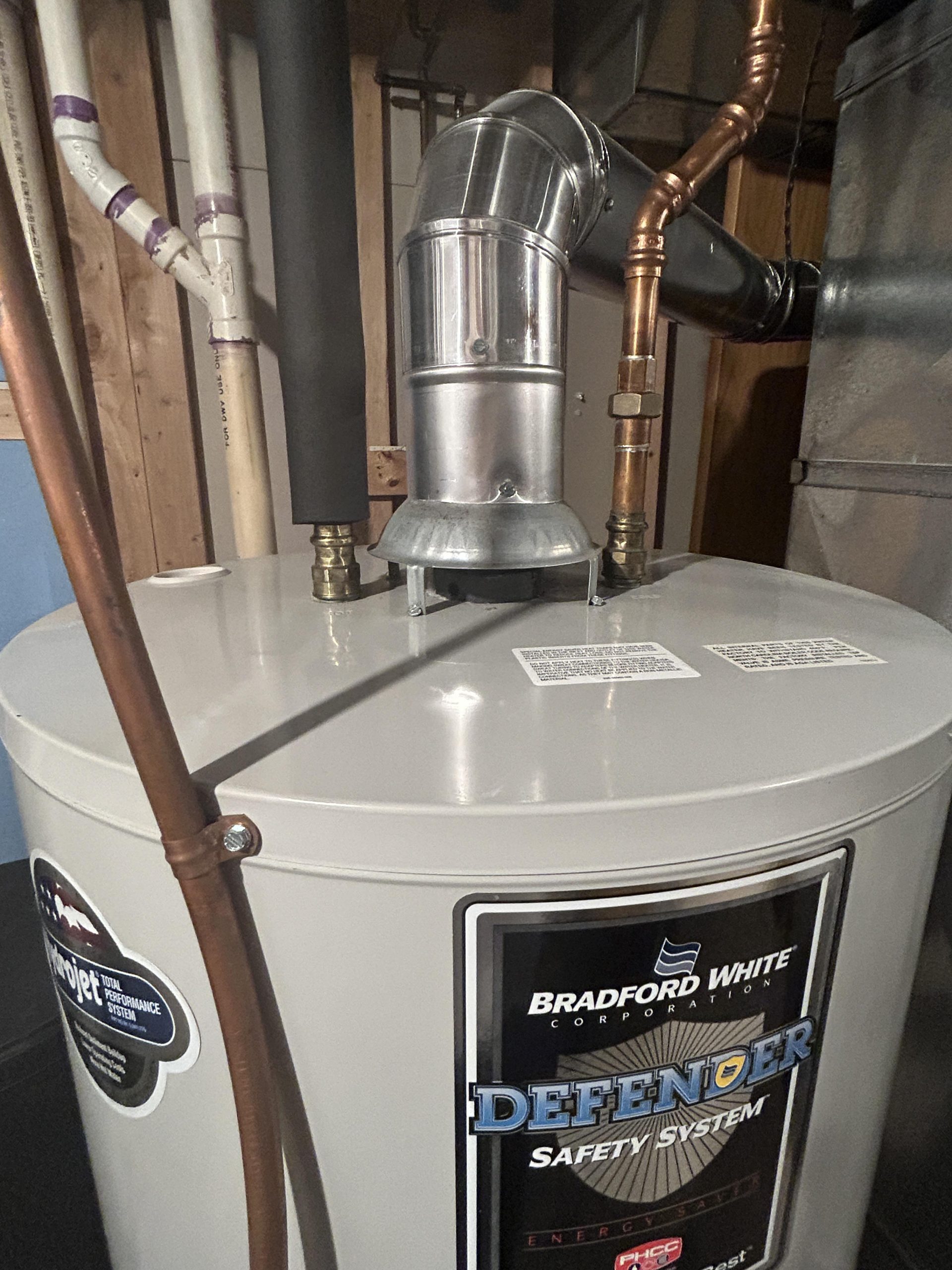
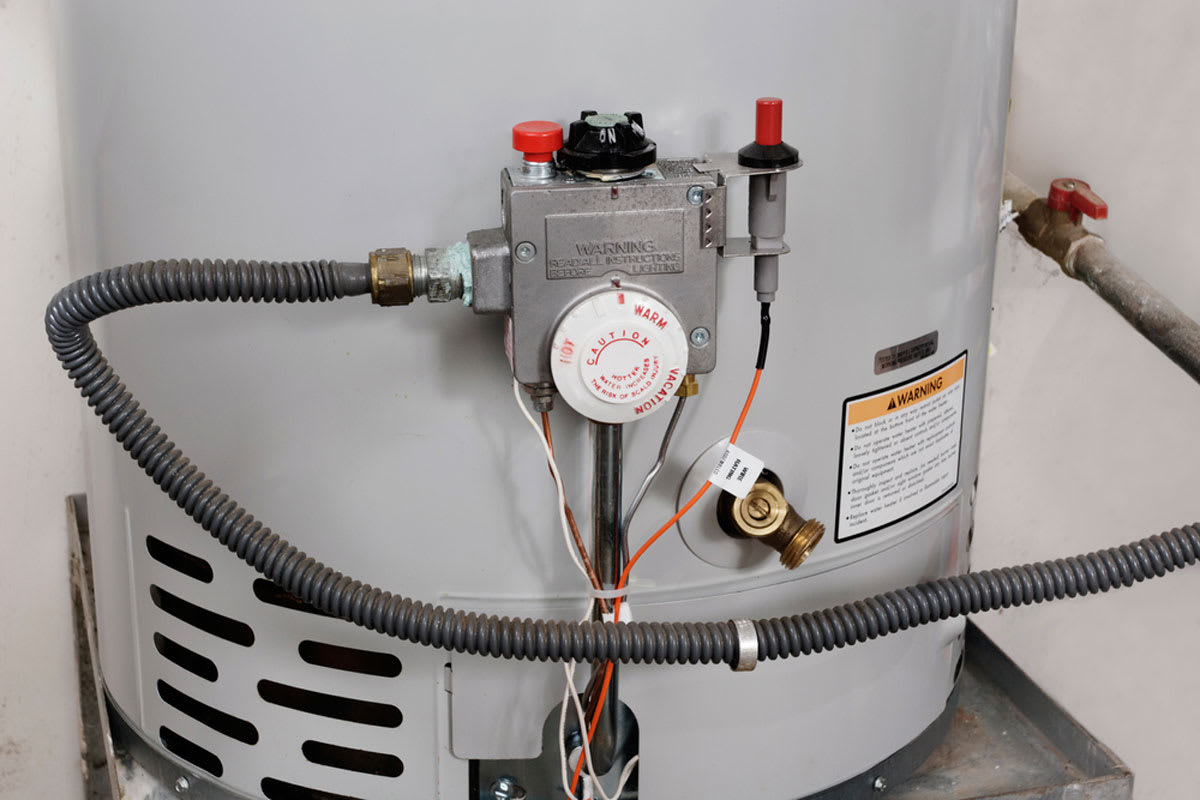
For gas water heaters, the plumber must ensure the exhaust venting is clear and properly sloped to prevent carbon monoxide from entering the home. If the new unit has a higher BTU rating than the old one, the gas line may need to be upsized—a task that requires specialized tools and higher labor precision. For electric units, verifying the wire gauge and circuit breaker capacity is essential for fire safety.
Tank vs. Tankless: The Labor Cost Discrepancy
One of the most common questions homeowners ask in 2026 is why the labor for a tankless water heater is so much higher than a traditional tank model. The answer lies in the infrastructure requirements.
| Feature | Standard Tank Labor | Tankless Conversion Labor |
|---|---|---|
| Typical Time | 2–4 Hours | 8–12 Hours |
| Gas Line Work | Minimal (Standard 1/2") | Extensive (Often 3/4" or larger) |
| Venting | Utilizes existing chimney/vent | Requires dedicated PVC/Stainless Steel |
| Electrical | Standard connection | Often requires new 120V outlet/dedicated circuit |
| Mounting | Floor standing | Wall-mounted with structural bracing |
| Estimated Cost | $600 – $1,200 | $1,500 – $3,500+ |
The Complexity of Tankless Conversions
Converting from a tank to a tankless system is a major mechanical overhaul. Because tankless units flash-heat water, they require significantly more gas (BTUs) than a tank that heats water slowly. This often means running a new, larger gas line from the meter to the unit. Furthermore, tankless units usually require "power venting," which means the plumber must drill new holes through the exterior of your home to install intake and exhaust pipes, often using specialized materials like Category III or IV stainless steel or specific PVC grades.
Hidden Costs: Permits, Disposal, and Code Upgrades
When reviewing a labor quote, it is vital to check if ancillary tasks are included or if they will be added as "extras" on the final bill.
Disposal Fees
Getting rid of a 50-gallon steel tank is not a simple task. Most municipalities in 2026 prohibit leaving water heaters at the curb for standard trash pickup. Plumbers typically charge a $50 to $150 disposal fee to haul away the old unit and ensure it is recycled according to environmental regulations.
Municipal Permits and Inspections
In almost all jurisdictions, a permit is required to replace a water heater. This ensures that a third-party inspector verifies the gas connections and venting are safe. While the permit fee itself is paid to the city, plumbers often charge a "permit processing fee" (usually $100–$250) to handle the paperwork and coordinate the inspection.
Mandatory Code Upgrades
If your water heater hasn't been replaced in 15 years, your plumbing system likely no longer meets current building codes. Plumbers are legally required to bring the system up to code during a replacement. Common 2026 requirements include:
- Drip Pans and Drain Lines: Essential for units located on upper floors or in finished areas.
- Sediment Traps: A T-shaped pipe fitting that prevents debris from entering the gas valve.
- Earthquake Straps: Mandatory in seismic zones like California and the Pacific Northwest to prevent the unit from tipping during a tremor.
DIY vs. Professional Installation: A Risk-Value Analysis
While the labor cost of $1,000 might seem high, the risks of a DIY installation often outweigh the savings. Water heaters involve three of the most dangerous elements in a home: high-pressure water, high-voltage electricity, and flammable gas.
A professional plumber provides a warranty on their labor (typically 1 year) and carries liability insurance. If a DIY installation leads to a slow leak that causes $20,000 in mold damage, or if a gas leak occurs, many homeowners' insurance policies may deny the claim if the work was performed without a permit or a licensed professional. Furthermore, many manufacturers like Rheem or A.O. Smith will void the equipment warranty if the unit was not installed by a licensed contractor.
FAQ
Does the labor cost include the price of the water heater?
No. Labor costs generally cover only the professional services. You must budget separately for the unit itself. In 2026, a standard 50-gallon gas water heater typically costs between $800 and $1,400, while high-efficiency tankless models can range from $1,200 to $2,500 for the hardware alone.
Why is there such a large range in labor quotes?
Quotes vary based on the "scope of work." One plumber might give a low quote that only covers the physical swap, while another might include the permit, disposal, and a new expansion tank in their flat rate. Always ask for an itemized estimate to compare "apples to apples."
How long does it take to replace a water heater?
For a standard tank-to-tank replacement, a professional crew can usually complete the job in 2 to 4 hours. If you are converting from a tank to a tankless unit, the process usually takes a full workday (8 hours) or more if significant gas line upgrades are required.
Are there labor discounts for installing two units at once?
Yes. Many plumbing companies will offer a reduced labor rate for the second unit if they are already on-site. This is common in large homes that utilize "dual-tank" systems or separate units for different wings of the house. You can typically save 20% to 30% on the labor of the second unit.
Can I save money by buying the unit myself?
While you can buy a water heater at a big-box retailer, many plumbers will not install customer-supplied equipment. This is because they cannot guarantee the quality of the unit and cannot easily handle warranty claims if the unit is defective out of the box. Plumbers who do install customer-supplied units often charge a higher hourly rate to make up for the lost markup on the hardware.
Practical Recommendation
When seeking to replace your hot water heater in 2026, the most cost-effective strategy is to request at least three itemized quotes from licensed, insured plumbing contractors. Ensure each quote explicitly mentions permit handling, old unit disposal, and the installation of a thermal expansion tank. If your current unit is over 10 years old, consider a scheduled replacement now rather than waiting for a catastrophic failure, which could save you up to 30% in emergency labor surcharges and potential water damage restoration costs.
Image Gallery