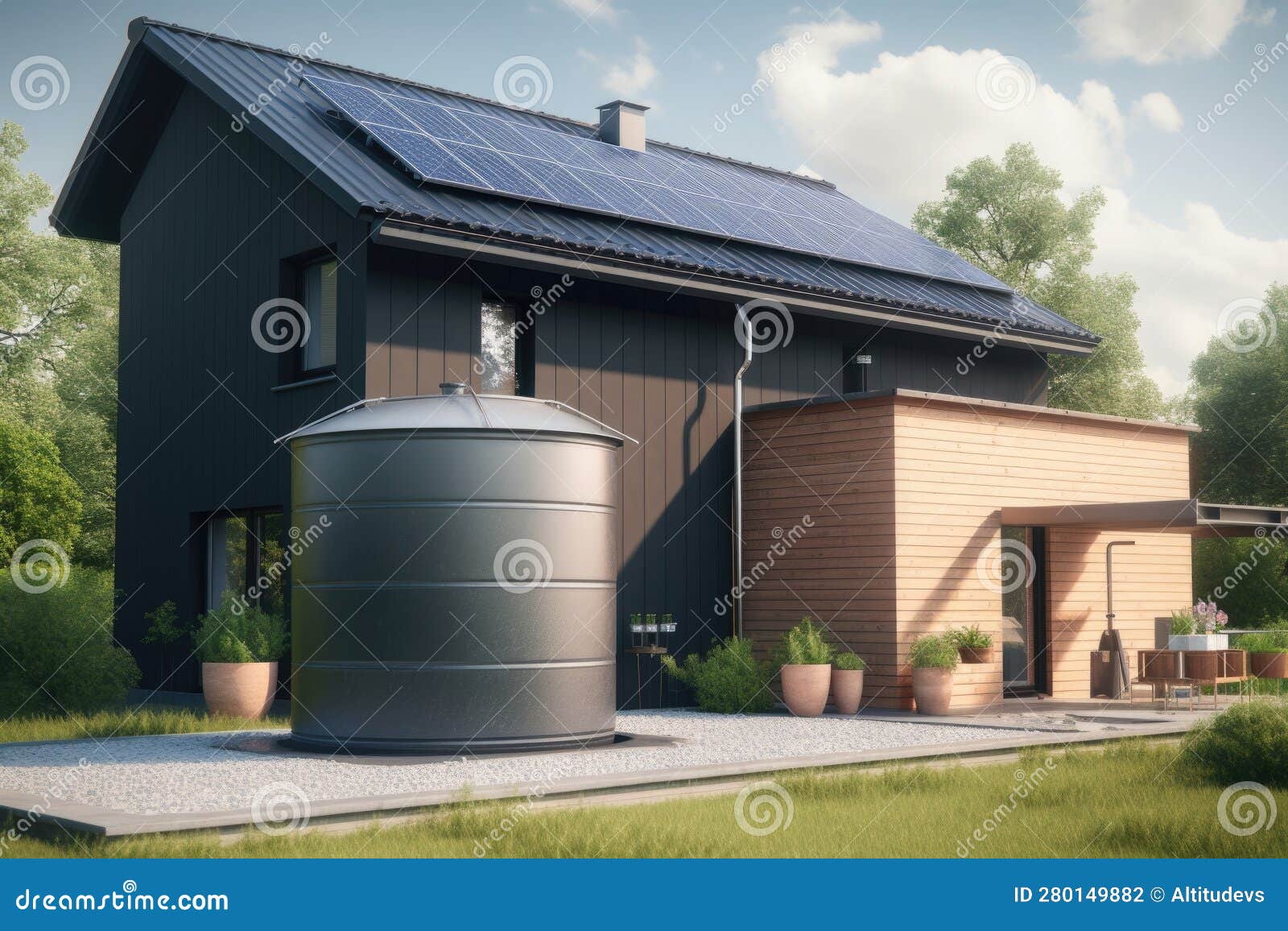
Metal Roof for Rainwater Collection Practical Considerations
Installing a metal roof for rainwater collection requires careful planning regarding panel finishes, fastener types, and water filtration to ensure the harvested supply remains safe, clean, and free of toxic chemical leaching. Why Meta...
Installing a metal roof for rainwater collection requires careful planning regarding panel finishes, fastener types, and water filtration to ensure the harvested supply remains safe, clean, and free of toxic chemical leaching.
Contents
Why Metal Roofs Excel for Rainwater Harvesting
When homeowners and off-grid builders evaluate catchment surfaces, metal roofing consistently emerges as the gold standard. Unlike asphalt shingles, concrete tiles, or built-up tar roofs, metal systems offer a smooth, non-porous finish that prevents water absorption and significantly minimizes the accumulation of organic debris. Asphalt shingles, for example, shed mineral granules, petrochemical residues, and algae-inhibiting chemicals that contaminate runoff, requiring heavy filtration before the water is even usable for irrigation.
Furthermore, metal roofs shed water efficiently even at low pitches. This high runoff coefficient means that a high percentage of the rainfall hitting the roof makes it into the storage tanks rather than evaporating or getting trapped in porous surface textures. Because modern metal panels are rigid and interlocked tightly, they also resist cracking, warping, and the structural degradation common in older roofing materials. However, achieving a successful potable or non-potable rainwater harvesting system requires looking far beyond the structural durability of the panels themselves. The interaction between atmospheric deposition, roof coatings, flashing materials, and storage infrastructure dictates whether the collected water will be clean and balanced.
Material Selection: Finishes, Coatings, and Leaching Risks
The choice of metal substrate and the factory-applied finish is the single most critical factor in determining water quality. Not all metal roofs are created equal when it comes to capturing water for domestic use.
Galvalume, Galvanized Steel, and Aluminum
- Galvalume: Consisting of a carbon steel sheet coated with a alloy of aluminum (55%), zinc (43.5%), and silicon (1.5%), Galvalume is exceptionally durable and corrosion-resistant. It is generally safe for rainwater harvesting once the roof has undergone a few heavy rain cycles to wash away initial manufacturing residues.
- Galvanized Steel: Coated entirely in zinc, these roofs are traditional and widely available. Freshly installed galvanized steel can leach elevated levels of zinc into the initial runoff, which may impart a metallic taste to the water or harm sensitive plants if used for irrigation without dilution. Over time, zinc leaching decreases significantly.
- Aluminum: Aluminum is completely immune to red rust and does not leach heavy metals, making it an ideal choice for coastal environments or strict potable water collection systems. However, it is softer than steel and more susceptible to denting during severe hailstorms or installation.
Paint Systems and Factory Coatings
Most residential and commercial metal roofs feature factory-baked paint systems, such as Siliconized Modified Polyester (SMP) or Polyvinylidene Fluoride (PVDF, commonly known as Kynar 500). High-quality PVDF finishes are inert, highly stable, and tightly bound to the metal substrate, meaning they do not break down rapidly under ultraviolet (UV) radiation or shed harmful chemical compounds into runoff. Buyers should avoid field-applied paints, uncertified sealants, or older lead-based coatings entirely. When purchasing panels, always request the manufacturer’s technical data sheet to confirm the exact chemical composition of the paint and primer layers.
Fasteners, Flashings, and Galvanic Corrosion Risks
Water quality can be severely compromised not just by the roof panels, but by the hardware used to hold them together. A comprehensive installation strategy must account for electrochemical reactions and physical sealing points.
Preventing Galvanic Corrosion
Galvanic corrosion occurs when two dissimilar metals make physical contact in the presence of an electrolyte, such as rainwater. If copper flashing or copper valleys are installed on an aluminum or Galvalume roof, the copper will corrode the surrounding metal rapidly, creating holes in the roof and introducing heavy metal ions into the storage tanks. Ensure that all flashings, trim pieces, rivets, screws, and clips are made from the same metal alloy as the roof panels, or from verified compatible metals like stainless steel.
Fastener Sealing and Maintenance
Exposed fastener panels rely on neoprene or EPDM rubber washers beneath screw heads to prevent leaks. Over time, UV radiation degrades these rubber washers, causing minor leaks or creating crevices where organic matter and trapped moisture can foster bacterial growth. Standing seam metal roofs, which utilize concealed clips and mechanical or snap-lock seams, eliminate exposed fasteners entirely. This design drastically reduces maintenance requirements and eliminates potential points of chemical leaching from degrading rubber washers.
Water Quality Management and Filtration Steps
Even the cleanest metal roof accumulates atmospheric dust, pollen, bird droppings, and airborne pollutants between rain events. Managing these contaminants requires a multi-stage physical and biological filtration train before water enters the primary storage cistern.
- First-Flush Diverters: The initial surge of runoff washes the roof clean. A first-flush diverter captures this dirty initial volume (typically the first 1 to 2 millimeters of rainfall per 100 square feet) and routes it away from the main storage tank. Once the designated dirty volume fills the diversion chamber, a floating ball seals the pipe, allowing clean rainwater to flow into the cistern.
- Gutter Guards and Leaf Screens: Installing high-grade stainless steel mesh gutter guards prevents leaves, twigs, and larger debris from entering downspouts. Avoid plastic mesh screens that degrade under UV light or coarse screens that allow pine needles and silt to pass through.
- Cistern Inflow Filters: Just before water enters the storage tank, it should pass through a self-cleaning basket filter or vortex filter (typically 200 to 300 microns) to strain out fine particulate matter.
- Post-Storage Disinfection (For Potable Use): If the harvested rainwater is intended for drinking, showering, or cooking, storage alone is insufficient. The water must undergo secondary treatment, which usually includes sediment cartridge filters, a dedicated ultraviolet (UV) disinfection system, and sometimes micro-filtration or reverse osmosis.
| Roof Material / Component | Suitability for Rainwater Harvesting | Key Advantage | Primary Limitation |
|---|---|---|---|
| Aluminum (PVDF Finish) | Excellent | Inert, does not rust, zero heavy metal leaching | Higher initial material cost |
| Galvalume (Unpainted/Clear) | Very Good | Durable, cost-effective, smooth surface | Initial runoff requires purging |
| Galvanized Steel | Good | Widely available, structurally rigid | Zinc leaching in early service life |
| Exposed Fastener Panels | Moderate | Lower upfront installation expense | Rubber washers degrade over time |
| Standing Seam (Concealed Clips) | Excellent | No penetrations, zero exposed rubber washers | Requires specialized installation labor |
Cistern Siting, Sizing, and Material Considerations
The physical infrastructure that stores the collected rainwater is just as important as the roof surface. Selecting the wrong storage tank material can ruin an otherwise pristine catchment system.
Cistern Materials
- Food-Grade Polyethylene (Poly): Lightweight, affordable, and easy to transport, black or dark green UV-stabilized polyethylene tanks prevent sunlight penetration, thereby inhibiting algae growth inside the tank. Ensure the tank is certified to NSF/ANSI Standard 61 for potable water safety.
- Concrete: Underground or above-ground concrete tanks have a high thermal mass that keeps water cool. However, unlined concrete can leach lime into the water, raising the pH and making the water hard. Tanks must be coated with a certified potable-grade epoxy liner.
- Corrugated Steel with Poly Liners: These large-capacity tanks offer an industrial aesthetic and high volume, but they rely entirely on an internal flexible membrane liner to hold the water. The structural integrity of the tank depends on the longevity of this liner.
Sizing Calculations
To determine the appropriate cistern size, calculate your catchment area by multiplying the footprint length by the width of the roof (not the surface slope area). In imperial measurements, multiply the square footage of the footprint by the annual rainfall in inches, then multiply by 0.623 to account for losses and conversion factors. This yields the total annual harvest potential. Storage tank capacity should be sized based on local seasonal dry spells, daily household or irrigation demand, and roof catchment efficiency.
Common Mistakes to Avoid
Avoiding operational failures in a rainwater harvesting setup saves considerable time and financial expense down the line.
- Neglecting Roof Pitch and Drainage: Flat or severely under-pitched metal roofs allow standing water to pool, creating breeding grounds for mosquitoes and accelerating mineral scaling or sealant degradation. Ensure a minimum slope of 3:12 for optimal self-cleaning runoff.
- Using Lead Flashings or Solder: Older construction techniques often utilized lead flashing or lead-based solder around chimneys and roof penetrations. Lead is a severe neurotoxin that dissolves easily in slightly acidic rainwater; all lead components must be replaced with aluminum, stainless steel, or compatible flashing kits.
- Skipping Maintenance Schedules: Failing to empty and clean first-flush diverters, inspect gutter guards, and replace filter cartridges on schedule leads to clogged systems, foul odors, and contaminated storage tanks. Establish a routine quarterly maintenance calendar.
Frequently Asked Questions
Is rainwater from a metal roof safe to drink without boiling?
Raw rainwater from any roof surface contains biological pathogens, bird droppings, dust, and environmental pollutants. Even though a metal roof provides an exceptionally clean catchment surface, water destined for human consumption must always pass through a multi-stage filtration system that includes sediment removal and ultraviolet (UV) sterilization or chlorine disinfection.
Do I need to wash a new metal roof before collecting water?
Yes. Manufacturing residues, metal shavings from drilling, dust, and protective oils are frequently left on metal panels after installation. It is standard practice to disconnect the downspouts or lock out the first-flush diverter during the first two or three significant rainfall events to allow these surface residues to wash away safely.
Will standing seam or corrugated metal roofs rust when collecting water?
Modern metal roofing panels are engineered with protective alloy coatings (like Galvalume) or factory-baked paint systems that prevent oxidation. As long as you avoid using incompatible fasteners (such as standard steel screws on aluminum or copper components touching steel) and refrain from scratching the protective finish during installation, the roof will not rust prematurely.
Can I collect rainwater if my metal roof has chemical treatments or moss inhibitors?
You should never apply chemical moss killers, harsh chemical washes, or uncertified waterproofing sealants to a metal roof used for rainwater collection. If moss or algae accumulation occurs due to surrounding tree cover, clean the roof strictly with plain water under low pressure or use specialized eco-friendly, biodegradable roof cleaners approved for potable catchment systems.
How do I prevent algae growth inside my rainwater storage tank?
Algae requires sunlight and nutrients to grow. Prevent internal growth by choosing opaque storage tanks (such as dark green, black, or heavy-duty stone-faced poly tanks) that block 100% of sunlight penetration. Additionally, ensure all tank entry ports, overflow pipes, and vent openings are sealed with fine insect screens (typically stainless steel mesh) to block mosquitoes and organic debris.
Conclusion
Implementing a metal roof for rainwater collection provides a reliable, high-yield, and durable catchment solution when paired with the correct materials and filtration infrastructure. By prioritizing inert finishes like PVDF-coated aluminum or Galvalume, eliminating incompatible dissimilar metals to prevent galvanic corrosion, and maintaining a robust multi-stage filtration train with first-flush diversion, you can secure a clean, sustainable water supply for domestic or agricultural use. Always verify local plumbing codes and health department guidelines regarding potable water systems before finalizing your installation.
Image Gallery