How to Choose a Mold Remediation Test Kit: A Comprehensive 2026 Guide
To choose an effective mold remediation test kit, prioritize products that include analysis from an AIHA-accredited laboratory rather than "instant" color-change results. Select a kit based on your specific need: surface swabs for visi...
To choose an effective mold remediation test kit, prioritize products that include analysis from an AIHA-accredited laboratory rather than "instant" color-change results. Select a kit based on your specific need: surface swabs for visible growth, air cassettes for respiratory concerns, or ERMI (DNA-based) tests for deep-seated environmental history and post-remediation clearance.
Contents
Selecting a mold remediation test kit in 2026 is significantly different than it was a decade ago. Technology has shifted away from simple "petri dish" settling plates toward precision air-capture cassettes and Quantitative Polymerase Chain Reaction (qPCR) testing. Whether you are dealing with the aftermath of a flood, suspicious odors, or verifying that a professional remediation crew has successfully completed their work, the kit you choose determines the accuracy of your next steps.
This guide provides the technical depth and practical criteria necessary to navigate the market, ensuring you select a tool that provides actionable data rather than a false sense of security.
Identifying Your Primary Testing Goal
Before purchasing a kit, you must define what you are trying to accomplish. Mold testing generally falls into three categories: initial screening, species identification, and clearance testing.
Initial Screening and Detection
If you smell a "musty" odor but see no visible growth, your goal is detection. In this scenario, surface-level kits are useless. You require an air sampling kit that can pull a specific volume of air through a filter to catch microscopic spores that are not visible to the naked eye.
Species Identification
Visible mold isn't always "black mold" (Stachybotrys chartarum). Many common household molds, like Aspergillus or Penicillium, can cause health issues but require different remediation intensities. If you see growth, a tape lift or swab kit is the most direct way to identify the specific genus and species.
Post-Remediation Clearance
This is the most critical use of a test kit. After a professional team has removed moldy materials and cleaned the area, a clearance test verifies that the spore counts inside the "containment zone" are lower than or equal to the spore counts outside the home. This requires a professional-grade air pump kit, as simple gravity plates cannot provide the quantitative data needed for a "pass/fail" clearance.
Understanding the Four Main Types of Test Kits
Not all kits are created equal. The methodology used to collect the sample determines the reliability of the lab report you receive.
1. Surface Swab and Tape Lift Kits
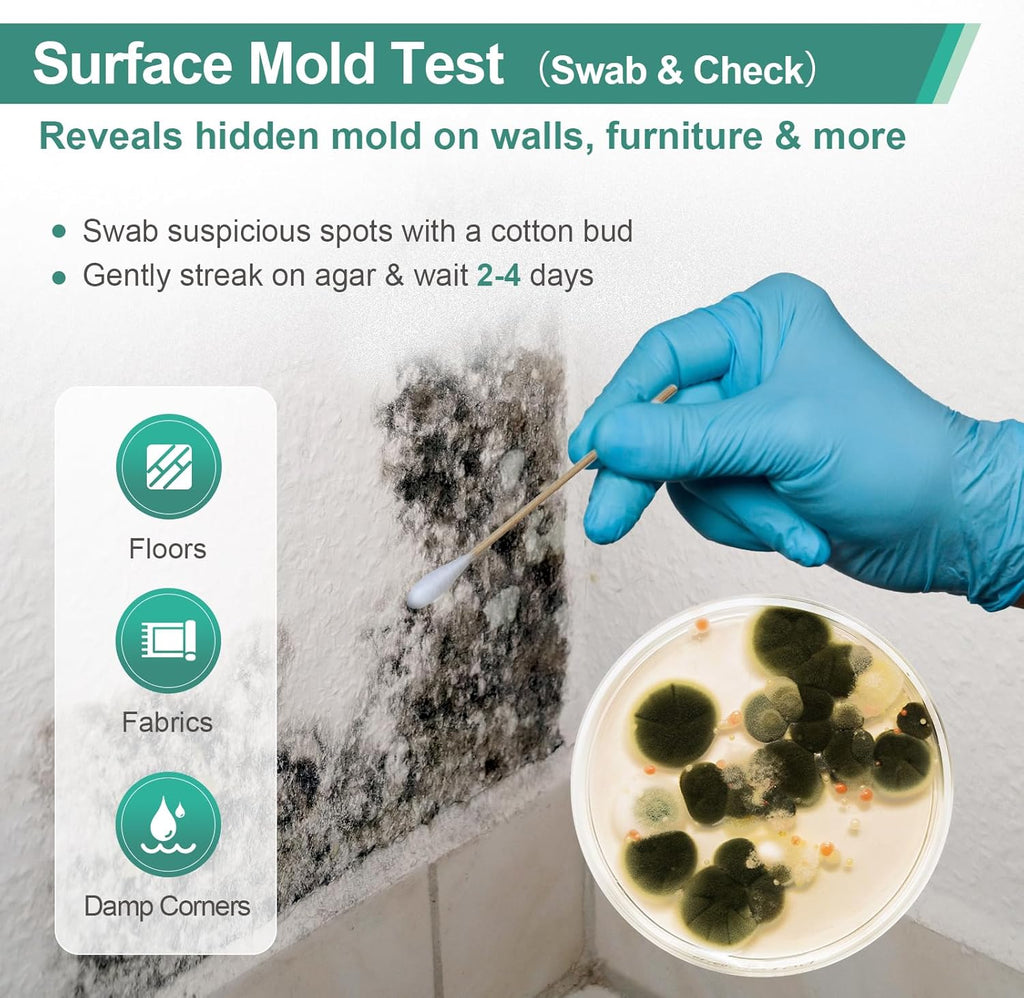
These are the most common and affordable kits. They involve using a sterile swab or a sticky adhesive strip to collect a sample from a visible patch of mold.
- Pros: Excellent for identifying exactly what is growing on a specific surface.
- Cons: Cannot tell you if the mold is airborne or if there is hidden mold behind the drywall.
- Best Use: Confirming the identity of a visible colony.
2. Viable Mold Settling Plates (Gravity Plates)
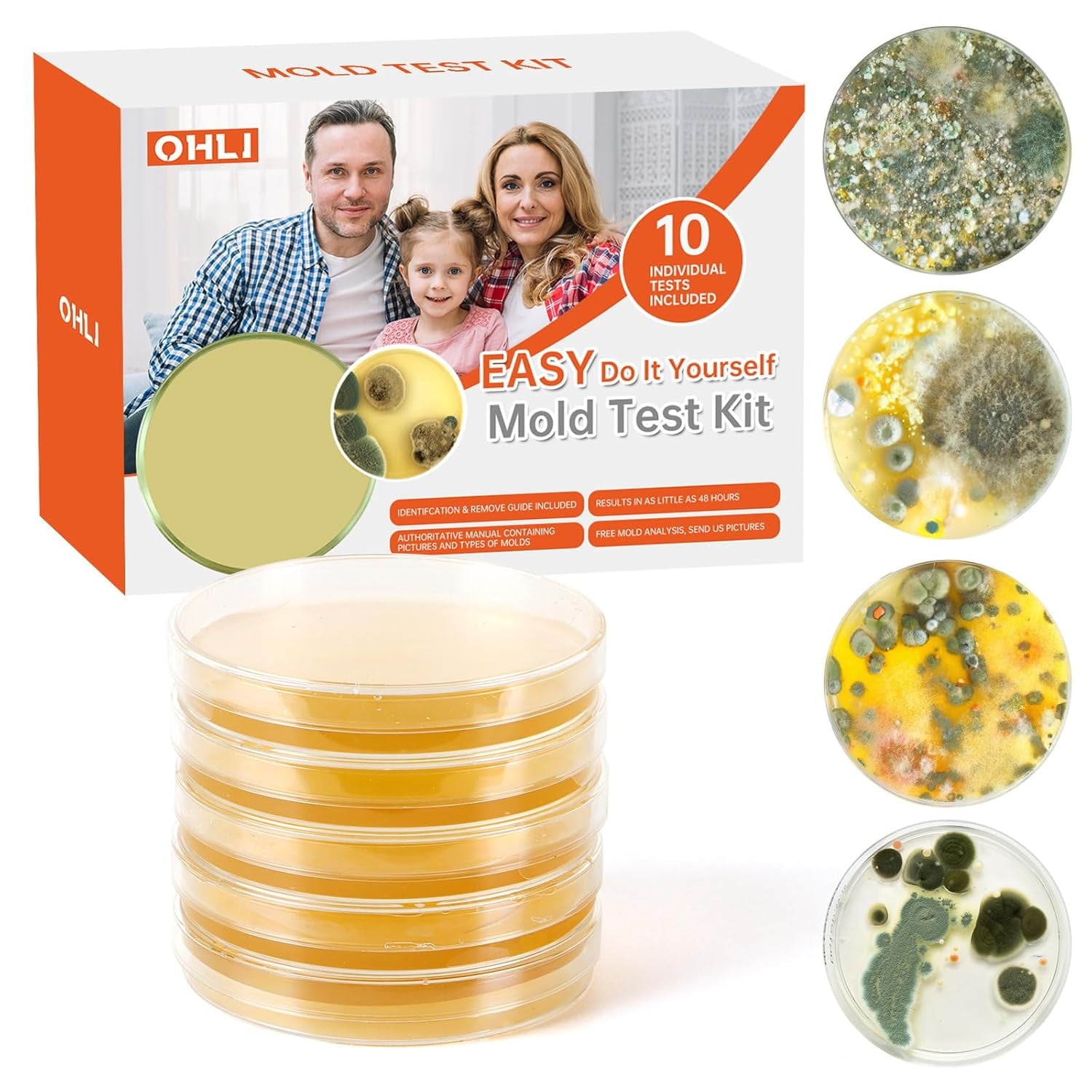
Often sold in big-box hardware stores, these kits involve opening a petri dish and letting it sit for an hour. If mold grows on the agar medium, the kit claims you have a problem.
- Pros: Inexpensive.
- Cons: Highly unreliable. Mold spores are present in all indoor environments; a settling plate will almost always grow "something," leading to unnecessary panic. They also fail to catch "non-viable" spores, which can still cause allergic reactions.
- Best Use: Generally not recommended by environmental professionals.
3. Air Sampling Cassettes (Spore Traps)
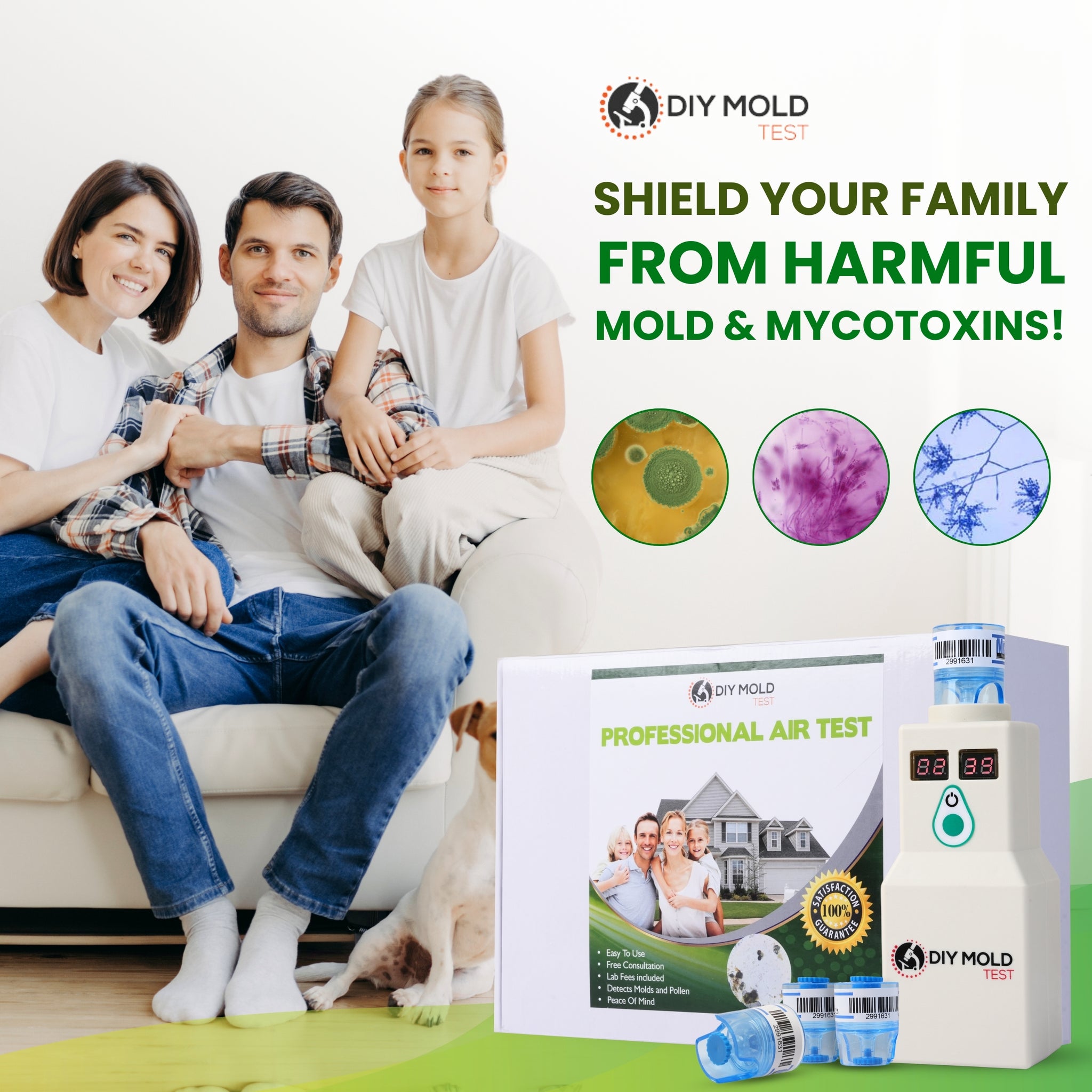
These kits include a small motorized pump and a plastic housing (cassette) containing a glass slide with a sticky medium. The pump draws a calibrated amount of air (usually 15 liters per minute) through the cassette.
- Pros: Provides a "snapshot" of the air quality. It counts both viable and non-viable spores.
- Cons: Requires more expensive equipment; usually involves a rental fee for the pump.
- Best Use: Determining if a mold problem is "active" and affecting the breathing zone.
4. ERMI and MSqPCR Tests
The Environmental Relative Moldiness Index (ERMI) uses DNA analysis to identify 36 specific mold species. Instead of counting spores, it looks for DNA fragments in settled dust.
- Pros: Provides a long-term history of the home’s mold exposure rather than a single moment in time.
- Cons: Highly sensitive; it can pick up "old" DNA from mold that was remediated years ago.
- Best Use: Assessing the health risk for immunocompromised individuals or those with Chronic Inflammatory Response Syndrome (CIRS).
Key Criteria for Selecting a High-Quality Kit
When evaluating specific brands or products in 2026, use the following checklist to ensure the kit meets professional standards.
AIHA-LAP Accreditation
The most important factor is not the kit itself, but the laboratory that processes it. Ensure the kit includes a mailer to a lab accredited by the American Industrial Hygiene Association Laboratory Accreditation Programs (AIHA-LAP). This accreditation ensures the lab follows ISO/IEC 17025 standards for testing and calibration.
Comprehensive Lab Reports
A quality kit should provide a report that includes:
- Raw Spore Counts: The actual number of spores found.
- Calculated Spores per Cubic Meter (count/m³): This allows you to compare your indoor air to outdoor air.
- Background Debris Rating: This tells you if there was too much dust or smoke on the slide to get an accurate mold count.
- Species Identification: Not just "mold found," but the specific names of the fungi.
Turnaround Time and Shipping
Mold samples are time-sensitive. Look for kits that offer overnight shipping and a guaranteed lab turnaround time of 48 to 72 hours. Some premium kits now offer digital results delivered via a mobile app as soon as the lab technician uploads the data.
Technical Support and Interpretation
Data is useless if you cannot read it. Choose a kit from a company that offers a consultation or a detailed "interpretation guide." A high count of Cladosporium might be normal in the summer, while a low count of Stachybotrys is always a concern. The kit provider should help you understand these nuances.
Comparison of Mold Testing Methods (2026 Standards)
| Test Type | Methodology | Primary Use Case | Accuracy Level | Average Cost (incl. Lab) |
|---|---|---|---|---|
| Surface Swab | Physical contact with growth | Identifying visible mold species | High (for that spot) | $45 - $75 |
| Air Cassette | Calibrated air pump (Spore Trap) | Checking air quality / Clearance | High (quantitative) | $150 - $250 (incl. pump) |
| ERMI (Dust) | DNA / MSqPCR Analysis | Chronic health assessment | Very High (history) | $250 - $400 |
| Gravity Plate | Passive air settling | General DIY curiosity | Low (qualitative) | $20 - $40 |
The Science of Interpreting Results
Choosing the right kit also requires understanding how to use the results. In mold remediation, there is no such thing as a "zero" spore count. Mold is a natural part of the ecosystem.
The Indoor/Outdoor Comparison
If you choose an air sampling kit, you must take at least two samples: one inside the suspected area and one outside the building (the "control"). A professional interpretation looks for "amplification." If the indoor air contains 5,000 spores/m³ of Aspergillus but the outdoor air only has 200 spores/m³, you have an active indoor growth source. If the numbers are reversed, the mold in your home likely drifted in through an open window and is not a remediation issue.
The Problem with "Instant" Results
In 2026, some kits claim to use chemical reagents to provide instant results on-site. While these may detect the presence of protein or ATP (indicating biological material), they cannot distinguish between mold, pollen, or skin cells. For legal or health-related decisions, these "instant" kits should be avoided in favor of microscopy or DNA analysis.
When to Skip the DIY Kit and Call a Professional
While DIY kits are useful for preliminary screening, they have limitations. According to guidelines from the U.S. Environmental Protection Agency (EPA), testing is often unnecessary if you can already see the mold. In that case, the money spent on a kit would be better used on remediation.
Consider hiring a Certified Indoor Environmental Consultant (CIEC) instead of using a kit if:
- The area of mold growth is larger than 10 square feet.
- You suspect mold is hidden inside the HVAC system or behind structural walls.
- There is significant water damage from sewage or "Category 3" (black) water.
- You are involved in a legal dispute with a landlord or insurance company.
Frequently Asked Questions
Do mold test kits expire?
Yes. Most kits that include swabs or agar plates have an expiration date, usually 12 to 24 months from the date of manufacture. The media can dry out or become contaminated over time, rendering the results invalid. Always check the packaging for a "use by" date before sampling.
Can a test kit tell me if the mold is toxic?
Technically, no. "Toxic mold" is a bit of a misnomer. Some molds are toxigenic, meaning they can produce mycotoxins under certain conditions. A lab report can identify a species like Stachybotrys, which is known to produce toxins, but it cannot tell you if that specific colony is currently releasing toxins into your air.
How many samples do I need for a standard home?
For a reliable assessment, you should take one air sample per 1,000 square feet, plus one outdoor control sample. If you have a multi-story home, take at least one sample per floor. Taking only one indoor sample often leads to an incomplete picture of the home’s health.
Will a mold kit detect mold behind a wall?
A surface swab will not. However, an air sampling kit may detect spores if they are leaking through electrical outlets or baseboards. For suspected wall cavities, specialized "wall check" kits are available that allow you to insert a small tube through a tiny hole in the drywall to sample the air inside the cavity directly.
What is the difference between a viable and non-viable test?
A viable test only detects mold that is "alive" and capable of growing on a petri dish. A non-viable test (like a spore trap) detects all spores, including those that are dead or dormant. Since dead mold spores can still trigger allergies and respiratory issues, non-viable testing is generally considered more comprehensive for health screenings.
Practical Recommendation for 2026
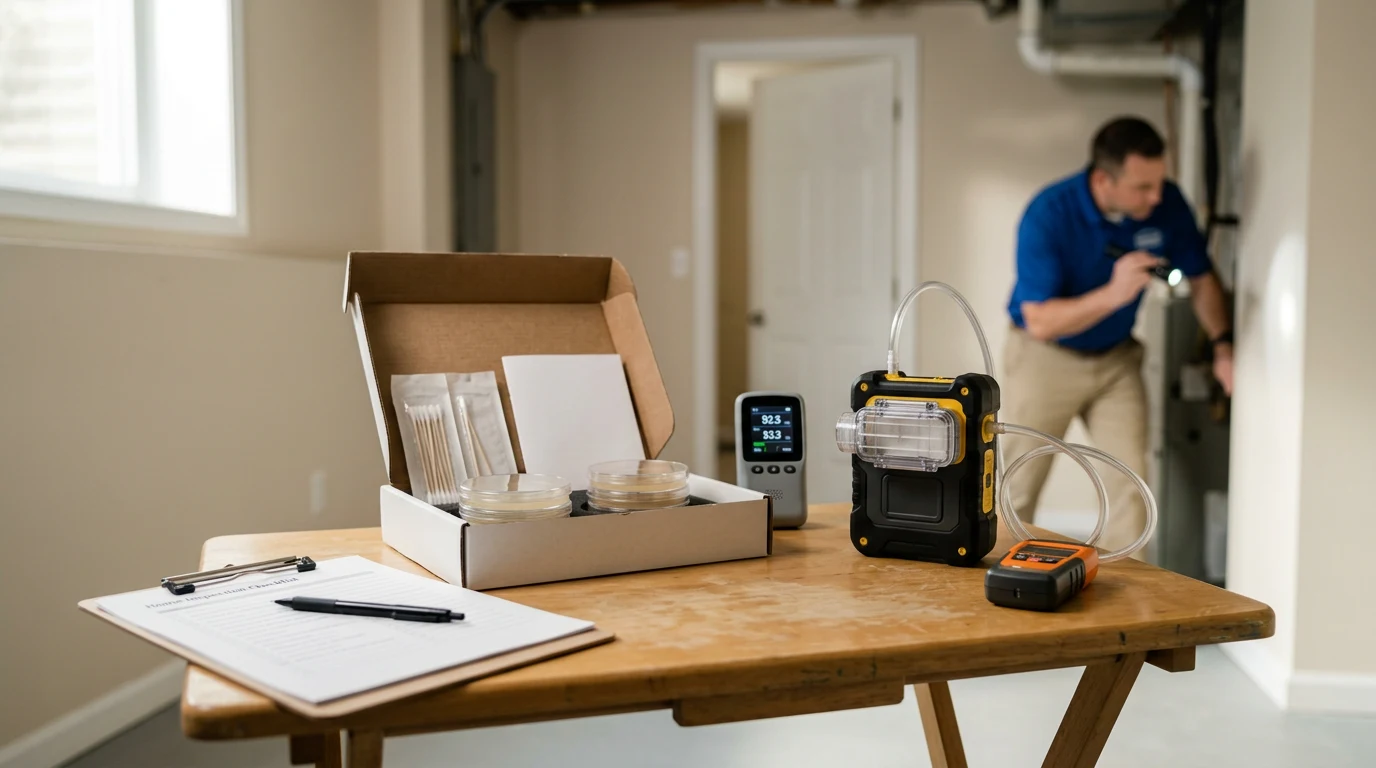
If you are looking for the best balance of cost and accuracy for a home mold remediation project, choose a Spore Trap Air Sampling Kit that includes a rented, calibrated pump and analysis by an AIHA-accredited lab. Avoid passive settling plates. If you have visible mold and simply want to know what it is, a Tape Lift Kit is the most cost-effective and accurate method. Always ensure the lab fee is included in the purchase price to avoid "hidden" costs after you have already mailed your samples.
Image Gallery