Understanding the Climate in Addis Ababa: A Comprehensive Guide to Weather and Seasons
The climate in Addis Ababa is classified as a subtropical highland climate, characterized by mild temperatures and distinct wet and dry seasons. Due to its high altitude of 2,355 meters, the city avoids extreme tropical heat, maintaini...
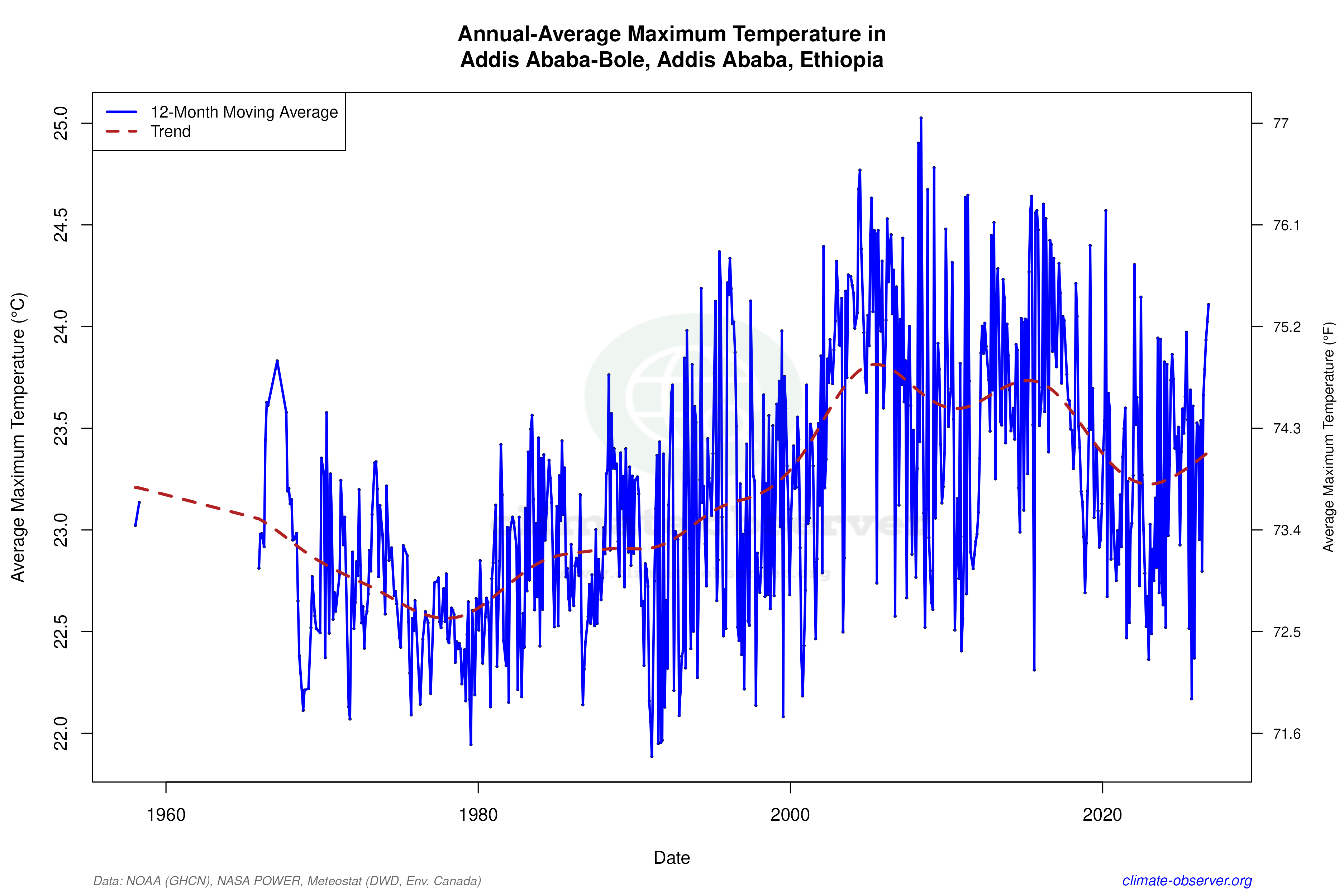
The climate in Addis Ababa is classified as a subtropical highland climate, characterized by mild temperatures and distinct wet and dry seasons. Due to its high altitude of 2,355 meters, the city avoids extreme tropical heat, maintaining average daily highs between 21°C and 25°C (70°F–77°F) throughout the year, with a primary rainy season from June to September.
Contents
The Geographical Foundations of Addis Ababa’s Weather
To understand the climate in Addis Ababa, one must first look at its geography. Situated in the heart of the Ethiopian Highlands, the city sits on a plateau at the base of Mount Entoto. This elevation is the primary driver of its atmospheric conditions. While Ethiopia lies within the tropics, the city's altitude of approximately 2,355 meters (over 7,700 feet) creates a "temperate island" in a region that would otherwise be significantly hotter.
The air at this altitude is thinner, which leads to two major climatic effects. First, the atmosphere has a lower capacity to retain heat, leading to significant diurnal temperature variation—meaning the temperature can drop sharply once the sun sets. Second, the solar radiation is much more intense. In 2026, satellite monitoring continues to show that Addis Ababa experiences high UV indices, often exceeding 11 on clear days, regardless of the ambient air temperature.
The topography also creates microclimates within the city. The northern districts near the Entoto Mountains are generally cooler and receive more rainfall than the southern, lower-lying areas near the Bole International Airport. These variations are important for urban planning and for residents choosing where to live, as the elevation can vary by several hundred meters within the city limits.
The Three Distinct Seasons of the Ethiopian Highlands
The climate in Addis Ababa is typically divided into three seasons: the Kiremt, the Bega, and the Belg. Unlike temperate zones that follow spring, summer, autumn, and winter, Addis Ababa’s cycle is dictated almost entirely by the movement of the Intertropical Convergence Zone (ITCZ) and the resulting rainfall patterns.
Kiremt: The Main Rainy Season (June to September)
Kiremt is the defining period for the region’s ecology and economy. During these months, the city experiences heavy, frequent rainfall, often occurring as intense afternoon thunderstorms. This season is driven by the moisture-laden winds from the Atlantic and Indian Oceans meeting over the highlands.
Temperatures during Kiremt are actually the lowest of the year in terms of daily highs, as heavy cloud cover prevents the sun from warming the ground. The constant moisture can make the air feel damp, and the lack of sunshine leads to a noticeable chill. In 2026, improved meteorological tracking shows that July and August remain the wettest months, with some years seeing more than 280mm of precipitation in a single month.
Bega: The Long Dry Season (October to February)
Following the rains, the Bega season brings clear blue skies and abundant sunshine. This is widely considered the most pleasant time for travel and outdoor activities. During Bega, the city is influenced by dry northeasterly winds originating from the Saharan and Arabian high-pressure systems.
While daytime temperatures are warm and comfortable, the lack of cloud cover leads to rapid radiative cooling at night. It is not uncommon for nighttime temperatures to drop to 5°C or 7°C (41°F–45°F), creating a stark contrast to the 23°C (73°F) daytime peak. This season is also characterized by lower humidity levels, which can lead to dry skin and respiratory irritation for those not accustomed to the highland air.
Belg: The Short Rains (March to May)
The Belg season is a transitional period. It is traditionally the warmest time of year in Addis Ababa because the sun is positioned directly overhead and the heavy cloud cover of the Kiremt hasn't yet arrived. During these months, the city experiences "short rains"—intermittent showers that provide relief from the heat but are not as sustained as the summer monsoons.
The Belg rains are crucial for agriculture in the surrounding regions, but they can be unpredictable. In some years, the Belg rains may fail almost entirely, while in others, they may merge directly into the Kiremt season. For residents, this is a season of high variability, requiring preparation for both heat and sudden downpours.
Temperature Profiles and Diurnal Variation
One of the most striking features of the climate in Addis Ababa is the consistency of its monthly average temperatures paired with the volatility of its daily range. Because the city is near the equator, the length of the day does not vary significantly, and the seasonal temperature change is minimal compared to high-latitude cities.
However, the "diurnal range"—the difference between the daily high and the nightly low—is substantial. In the dry season, this range can exceed 15°C (27°F). This phenomenon requires a "layering" approach to clothing. A typical day in 2026 might start with a frost-adjacent morning requiring a jacket, transition into a t-shirt-weather afternoon, and return to cold temperatures immediately after sunset.
| Month | Avg High °C (°F) | Avg Low °C (°F) | Avg Rainfall (mm) | Notable Weather Features |
|---|---|---|---|---|
| January | 23 (73) | 8 (46) | 13 | Peak dry season; very sunny. |
| February | 24 (75) | 9 (48) | 30 | Warming trend; low humidity. |
| March | 25 (77) | 10 (50) | 58 | Warmest month; Belg rains begin. |
| April | 24 (75) | 11 (52) | 82 | Humid afternoons; frequent showers. |
| May | 25 (77) | 11 (52) | 73 | High UV levels; sporadic rain. |
| June | 23 (73) | 10 (50) | 125 | Start of Kiremt; overcast skies. |
| July | 21 (70) | 10 (50) | 260 | Heaviest rain; coolest days. |
| August | 21 (70) | 10 (50) | 285 | Peak monsoon; high moisture. |
| September | 22 (72) | 10 (50) | 170 | Rains tapering off; green landscape. |
| October | 23 (73) | 9 (48) | 35 | Return of sun; cool nights. |
| November | 23 (73) | 7 (45) | 10 | Harvest season; very dry air. |
| December | 22 (72) | 7 (45) | 5 | Coldest nights; clearest skies. |
Rainfall and Hydrology: The Lifeblood of the City
Precipitation in Addis Ababa is highly seasonal, with over 70% of the annual total falling between June and September. The city receives an average of about 1,100mm to 1,200mm of rain per year. These rains are typically convective, meaning they are caused by the heating of the land, which forces moist air to rise and condense into large cumulonimbus clouds.
For the infrastructure of Addis Ababa, this seasonal concentration presents challenges. In 2026, urban drainage systems are a focus of municipal engineering, as the intensity of Kiremt storms can lead to rapid runoff and localized flooding. The city's hilly terrain helps drain water away from many areas, but lower-lying neighborhoods must contend with rising water tables during August.
Conversely, the long dry season from October to February places a premium on water storage and management. The surrounding dams and reservoirs, which provide the city’s water and hydroelectric power, rely entirely on the bounty of the rainy season to last through the dry months.
Environmental Considerations: Air Quality and Urban Heat
As Addis Ababa continues its rapid expansion into 2026, two modern climatic factors have become increasingly relevant: the Urban Heat Island (UHI) effect and air quality.
The UHI effect refers to urban areas becoming warmer than their rural surroundings due to concrete and asphalt absorbing heat. While the city's altitude prevents it from becoming truly "hot," the central business districts now record daytime temperatures 2°C to 3°C higher than the forested slopes of Entoto. This has led to an increased interest in the "Green Legacy" initiative, a massive tree-planting program aimed at mitigating these temperature increases and improving the city's natural carbon sinks.
Air quality is also influenced by the climate. During the dry Bega season, the lack of rain means that dust and vehicular emissions can linger in the air, particularly in the valleys. However, during the Kiremt, the heavy rains act as a natural scrubber, washing particulate matter out of the atmosphere and leaving the air exceptionally crisp and clear.
Practical Guidance for Navigating the Climate
For those planning to live in or visit Addis Ababa in 2026, understanding the climate is essential for health and comfort.
- Clothing Strategy: The "Addis Ababa Uniform" consists of layers. Even on the warmest days, a sweater or light jacket is necessary for the mornings and evenings. During the Kiremt, waterproof footwear and a high-quality umbrella are non-negotiable.
- Hydration and Skin Care: The combination of high altitude and low humidity during the dry season can lead to rapid dehydration. Residents should drink more water than they think they need. Additionally, high-SPF sunscreen is vital; the thin atmosphere at 2,300 meters offers less protection against UV rays than at sea level.
- Altitude Acclimatization: The climate isn't just about weather; it's about the air itself. Newcomers often feel winded or develop mild headaches during their first few days. It is recommended to limit physical exertion and avoid heavy alcohol consumption during the initial 48 hours of arrival.
- Health Precautions: While Addis Ababa itself is high enough to be largely malaria-free, the rains can increase the presence of mosquitoes in lower-lying outskirts. Always check current health advisories if traveling to lower elevations outside the city.
Frequently Asked Questions
What is the best month to visit Addis Ababa?
The best time to visit is from October to February. During these months, the weather is consistently sunny and dry, the landscape is still green from the recent rains, and the temperatures are mild during the day. This period also coincides with major cultural festivals like Meskel and Timkat.
Does it ever snow in Addis Ababa?
Snow is extremely rare and virtually unheard of in the city center. While hail is common during heavy Kiremt thunderstorms and can sometimes blanket the ground in white, the temperature at 2,355 meters rarely stays low enough for sustained snowfall. The peaks of much higher mountains in Ethiopia, such as the Simien or Bale Mountains, do occasionally see snow.
Why is it so cold at night if it's near the equator?
The nighttime cold is a result of high altitude and low humidity. Without a thick layer of moist air or cloud cover to trap the heat absorbed during the day, the heat escapes rapidly into the upper atmosphere once the sun sets. This is known as radiative cooling.
Is the rainy season a bad time to visit?
Not necessarily. While it rains frequently, it rarely rains all day. Most Kiremt rain falls in heavy bursts in the afternoon or evening. The mornings are often clear, and the city is at its most lush and green during this time. Additionally, travel costs and accommodation rates may be lower during the "low season."
How does the altitude affect the feeling of the temperature?
The altitude makes the sun feel much hotter than the thermometer suggests, but the shade feels significantly cooler. In the sun, 22°C can feel like 28°C, but as soon as you step into a building or under a tree, the thin air allows you to feel the true, cooler temperature.
Final Recommendation
When preparing for the climate in Addis Ababa, prioritize versatility. The city's weather is remarkably stable on an annual basis but highly volatile on a daily basis. Invest in high-quality breathable layers and maintain a heightened awareness of sun exposure and hydration to fully enjoy the unique, spring-like environment of Africa's highest capital city.
Image Gallery