A Specialist in Drawing Blood Is Called a Phlebotomist: Role, Training, and Career Outlook
A specialist in drawing blood is called a phlebotomist. These clinical professionals are specifically trained to perform venipuncture, capillary punctures, and other specimen collection techniques. Their primary role is to obtain blood...
A specialist in drawing blood is called a phlebotomist. These clinical professionals are specifically trained to perform venipuncture, capillary punctures, and other specimen collection techniques. Their primary role is to obtain blood samples for medical testing, transfusions, research, or donations while ensuring patient safety and sample integrity.
Contents
Phlebotomists serve as a critical bridge between the patient and the diagnostic laboratory. While many healthcare workers, such as nurses and doctors, are capable of drawing blood, the phlebotomist is a dedicated technician whose entire scope of practice revolves around the science and art of blood collection. In 2026, the role remains a foundational pillar of the modern healthcare system, as over 70% of medical decisions are based on laboratory results derived from the samples these specialists collect.
The Essential Duties of a Phlebotomist
The responsibilities of a phlebotomist extend far beyond the physical act of inserting a needle. The process, known as phlebotomy, involves a complex series of steps that require precision, adherence to safety protocols, and strong interpersonal skills.
Patient Identification and Preparation
The most critical step in phlebotomy is correct patient identification. In accordance with Joint Commission standards, phlebotomists must use at least two unique identifiers (such as full name and date of birth) to ensure the sample is attributed to the correct individual. Misidentification can lead to catastrophic diagnostic errors. Furthermore, phlebotomists must assess the patient’s physical state—checking for fasting requirements or potential allergies to latex or antiseptics—and explain the procedure to alleviate anxiety.
Site Selection and Technical Execution
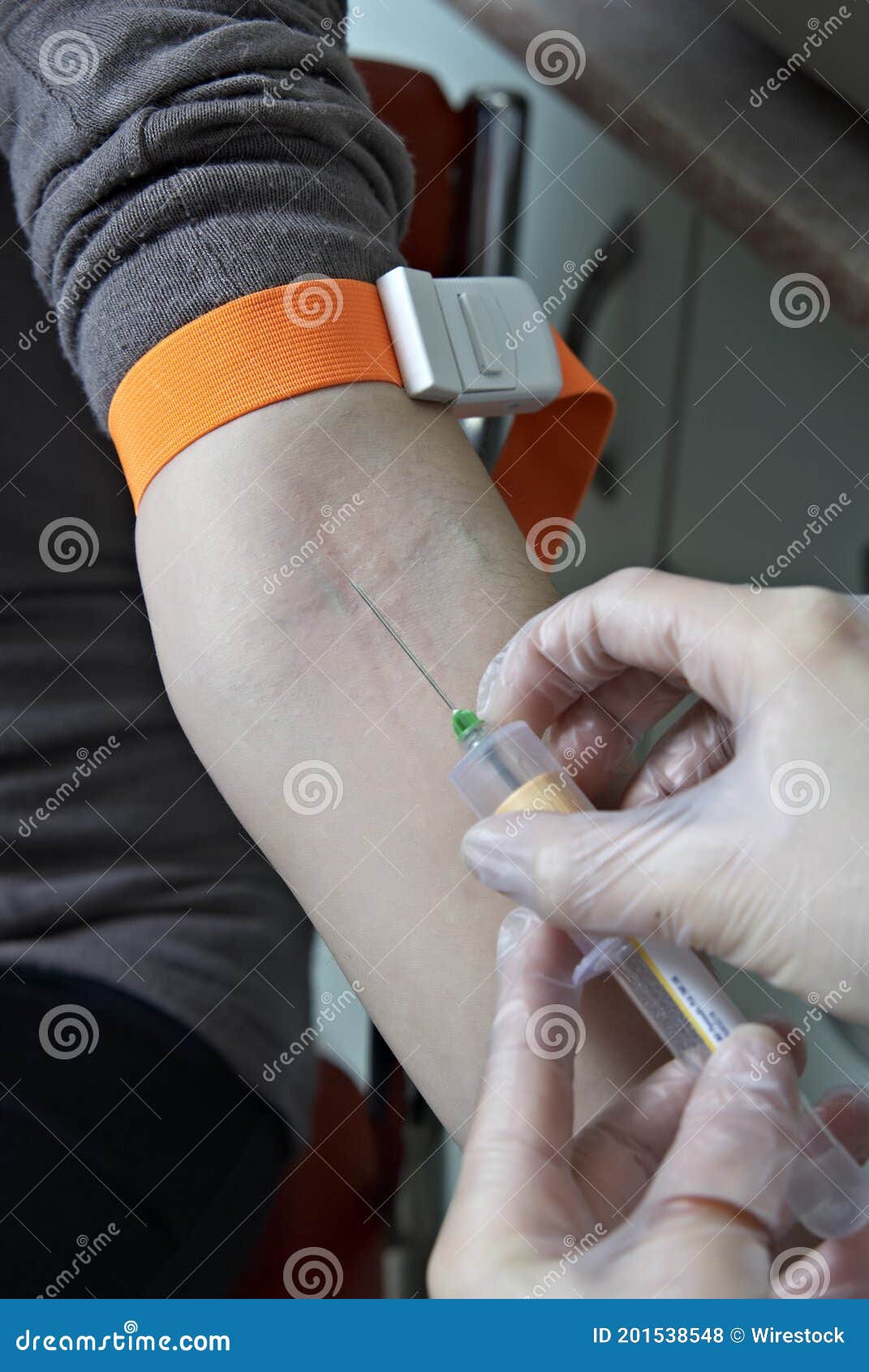
A phlebotomist must possess a deep understanding of human anatomy to select the optimal vein for collection. While the median cubital vein in the antecubital fossa (the crease of the elbow) is the preferred site, specialists must be prepared to use dorsal hand veins or perform capillary sticks (finger or heel pricks) when venous access is limited. The technical execution involves:
- Applying a tourniquet to increase venous pressure.
- Palpating the vein to determine depth, direction, and size.
- Cleansing the site with an appropriate antiseptic (usually 70% isopropyl alcohol) to prevent infection.
- Performing the puncture at a precise angle (usually 15 to 30 degrees) to minimize discomfort and trauma to the vessel.
Sample Integrity and the "Order of Draw"
One of the most technical aspects of the job is maintaining the "Order of Draw." Blood collection tubes contain different additives—such as anticoagulants, clot activators, or preservatives—designed for specific laboratory tests. To prevent cross-contamination of additives between tubes, phlebotomists must fill the tubes in a strictly regulated sequence. For example, a blood culture tube must always come first to ensure sterility, followed by light blue (citrate), red (serum), and lavender (EDTA) tubes.
Educational Pathways and Certification in 2026
Entering the field of phlebotomy requires specific vocational training rather than a multi-year degree. As of 2026, the requirements for becoming a phlebotomist remain standardized across the United States, although individual state regulations (such as those in California, Louisiana, and Nevada) may impose stricter licensing mandates.
Training Programs
Aspiring phlebotomists typically enroll in a post-secondary certificate program. These programs are offered by community colleges, technical schools, and specialized medical training centers. A comprehensive curriculum covers:
- Anatomy and Physiology: Focusing on the circulatory system.
- Medical Terminology: Understanding the language used in lab requisitions.
- Safety and Biohazards: Learning how to handle "sharps" and prevent the transmission of bloodborne pathogens like HIV and Hepatitis.
- Clinical Practicum: A hands-on phase where students must successfully complete a specific number of "live" blood draws (usually between 30 and 100) under supervision.
Professional Certification
While not legally required in every state, certification is the industry standard and is preferred by the vast majority of employers, including major hospital networks and private diagnostic firms. Several reputable organizations provide certification exams:
- American Society for Clinical Pathology (ASCP): Offers the PBT(ASCP) credential, widely considered the "gold standard" in the industry. ASCP Board of Certification
- National Healthcareer Association (NHA): Provides the Certified Phlebotomy Technician (CPT) designation. NHA Phlebotomy Certification
- American Medical Technologists (AMT): Offers the Registered Phlebotomy Technician (RPT) credential.
Where Phlebotomists Work
The versatility of the phlebotomy skill set allows these specialists to work in a variety of environments. The choice of workplace often dictates the pace and volume of the specialist’s daily routine.
- Hospitals and Emergency Rooms: These are high-volume settings where phlebotomists may work in shifts, including nights and weekends. They often travel through various wards with a mobile cart to collect samples from admitted patients.
- Diagnostic Laboratories: Companies like Quest Diagnostics or Labcorp employ phlebotomists at dedicated patient service centers. The focus here is on efficiency and high-quality customer service for outpatient populations.
- Blood Donation Centers: Organizations like the American Red Cross employ specialists to collect whole blood, plasma, or platelets. This environment requires expertise in larger-gauge needles and donor safety.
- Physician Offices: In smaller clinics, a phlebotomist may also perform basic administrative tasks or assist with other minor medical procedures.
- Home Health Care: Some experienced specialists work as mobile phlebotomists, traveling to the homes of elderly or homebound patients to collect samples for monitoring chronic conditions.
Comparative Overview of Related Roles
It is common to confuse phlebotomists with other healthcare roles that also involve needles. The following table clarifies the distinctions in training and scope.
| Role | Primary Focus | Education Level | Phlebotomy Training |
|---|---|---|---|
| Phlebotomist | Blood collection and specimen processing | Certificate (4–8 months) | Intensive/Primary |
| Medical Assistant | Clinical and administrative office tasks | Certificate or Associate Degree | Basic/Secondary |
| Nurse (RN/LPN) | Comprehensive patient care and treatment | Associate or Bachelor's Degree | Broad/Included |
| Lab Technician | Analyzing samples using complex machinery | Associate or Bachelor's Degree | Basic/Optional |
Essential Skills for Success
Beyond the technical ability to find a vein, a successful phlebotomist must possess a specific set of "soft skills" to navigate the challenges of clinical practice.
Hand-Eye Coordination and Dexterity
The physical act of venipuncture requires a steady hand and excellent fine motor skills. Phlebotomists must manipulate the needle, the tube holder, and the collection tubes simultaneously, often while calming a moving or anxious patient.
Compassion and Communication
Many patients have a genuine phobia of needles (trypanophobia). A specialist must be able to communicate clearly, show empathy, and use techniques like distraction or specialized positioning to make the experience as painless as possible.
Attention to Detail
Small errors in phlebotomy lead to large problems. A specialist must be meticulous about labeling tubes at the bedside, ensuring the labels match the requisition form exactly. They must also be vigilant about expiration dates on collection tubes, as the vacuum in an expired tube may fail.
Safety Consciousness
According to the CDC Guidelines for Needle Safety, accidental needle sticks are a significant risk in healthcare. Phlebotomists are trained in the immediate activation of safety devices (needle guards) and the proper disposal of biohazardous waste to protect themselves and others.
Legal and Ethical Considerations
Phlebotomists operate under a strict set of ethical guidelines and legal frameworks. One of the most important is Informed Consent. A patient has the right to refuse a blood draw at any time. While a doctor orders the test, the phlebotomist cannot legally force a patient to comply.
Additionally, the Health Insurance Portability and Accountability Act (HIPAA) mandates that phlebotomists protect patient privacy. This includes not discussing a patient's tests or results with unauthorized individuals and ensuring that requisition forms are kept out of public view.
The Future of Phlebotomy (Perspective 2026)
In 2026, the demand for phlebotomists continues to grow. The Bureau of Labor Statistics (BLS) consistently projects faster-than-average growth for the field, driven by an aging "Baby Boomer" population that requires more frequent blood monitoring for chronic diseases like diabetes and heart disease.
Technological advancements have also refined the role. In 2026, many phlebotomists use near-infrared (NIR) vein visualization technology. These handheld devices project a map of the patient’s vasculature onto the skin, making it significantly easier to locate veins in "difficult sticks," such as pediatric or oncology patients. While technology assists the specialist, it does not replace the need for the manual skill and clinical judgment that only a trained phlebotomist can provide.
Troubleshooting Common Phlebotomy Challenges
Even for an experienced specialist, blood collection is not always straightforward. Phlebotomists are trained to handle several common complications:
- Hematomas: If a needle goes through a vein or if pressure isn't applied correctly afterward, blood can leak into the surrounding tissue. Specialists are trained to recognize this immediately, stop the draw, and apply firm pressure.
- Syncope (Fainting): If a patient becomes pale or begins to sweat, the phlebotomist must quickly secure the patient to prevent injury from a fall and terminate the procedure.
- Inadequate Sample Volume (QNS): "Quantity Not Sufficient" is a common reason labs reject samples. Specialists must know how to adjust the needle slightly or use a different tube size to ensure enough blood is collected for the required tests.
Frequently Asked Questions
Is a phlebotomist the same as a nurse?
No. While nurses can draw blood, a phlebotomist is a specialist whose training is focused specifically on blood collection and laboratory safety. Nurses have a much broader scope of practice that includes administering medication, wound care, and patient assessment.
How long does it take to become a phlebotomist?
In 2026, most accredited phlebotomy programs take between four and eight months to complete. This includes both classroom instruction and a clinical internship where students practice on real patients.
Does drawing blood hurt?
When performed by a skilled specialist, the discomfort of a blood draw is usually minimal and lasts only a few seconds. Phlebotomists use techniques to minimize pain, such as using the correct needle gauge and choosing the most stable vein.
Can a phlebotomist give injections or IVs?
Generally, no. The standard scope of practice for a phlebotomist is limited to the withdrawal of blood. Administering fluids, medications, or vaccines (injections/IVs) usually requires additional certification or a different license, such as that of a nurse or a medical assistant.
What are the "butterfly" needles used for?
"Butterfly" needles, or winged infusion sets, are used for patients with small, fragile, or rolling veins. They allow for more flexibility and a shallower angle of entry, though they are more expensive and carry a higher risk of accidental needle sticks if not handled correctly.
Summary and Next Actions
If you are interested in a career as a phlebotomist, the first step is to research accredited training programs in your area. Look for programs that are recognized by the National Accrediting Agency for Clinical Laboratory Sciences (NAACLS). For patients, knowing that the person drawing your blood is a certified specialist can provide peace of mind. Always feel empowered to ask your healthcare provider about the credentials of the professional performing your procedure to ensure the highest standard of care.
Image Gallery