Why the Nessa Diab Race Matters: Identity, Activism, and Media Representation
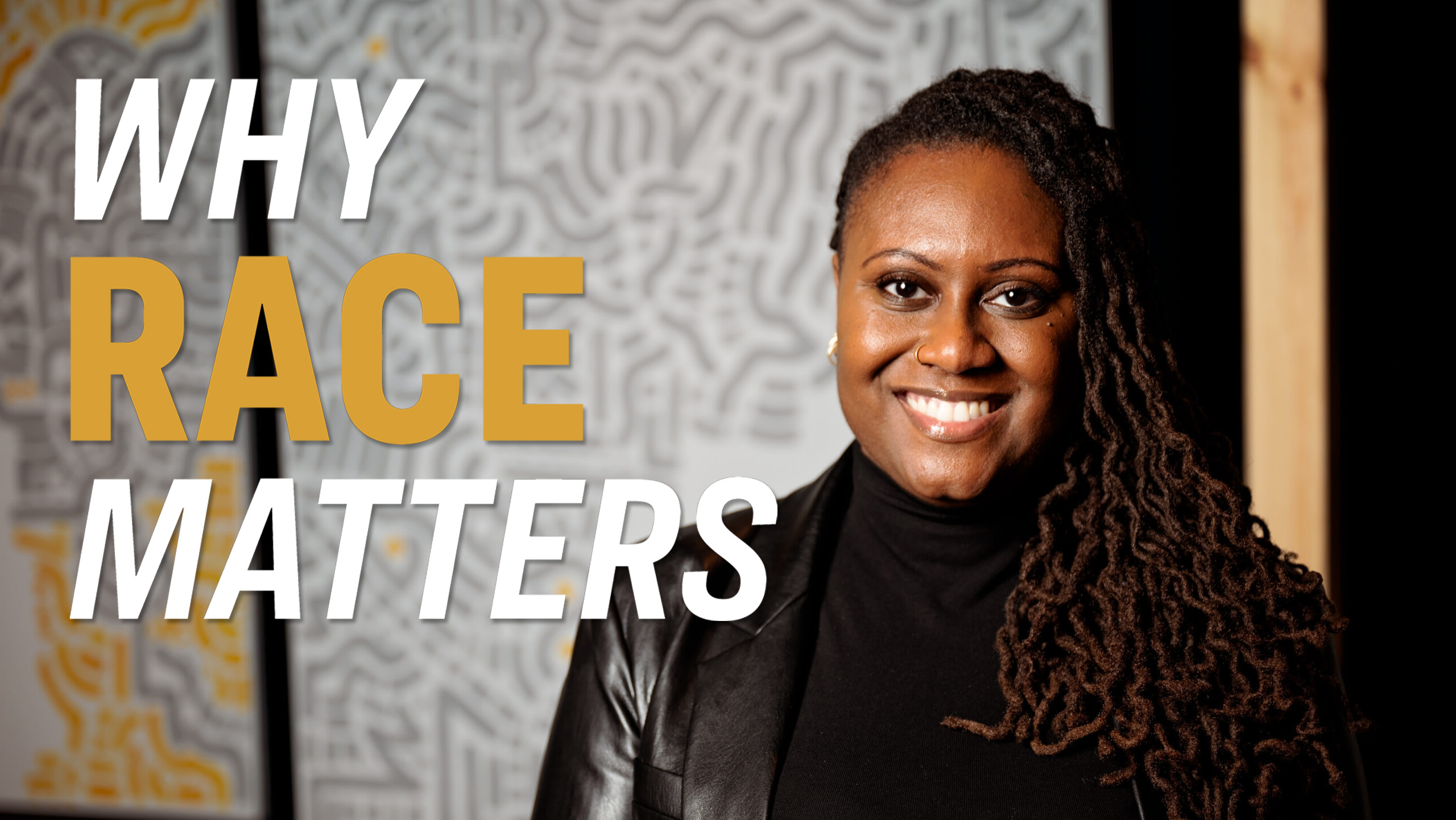
Nessa Diab’s race and ethnic identity matter because they represent a unique intersection of Egyptian-American heritage, Muslim identity, and global activism. As a prominent media personality, she utilizes her platform to bridge cultur...
Nessa Diab’s race and ethnic identity matter because they represent a unique intersection of Egyptian-American heritage, Muslim identity, and global activism. As a prominent media personality, she utilizes her platform to bridge cultural gaps, challenge systemic inequality, and provide a global perspective on American civil rights and social justice.
Contents
The Significance of Nessa Diab’s Heritage
To understand why Nessa Diab’s race matters, one must first look at the specific nuances of her background. Born in Southern California to Egyptian parents, Diab grew up navigating the complexities of being a first-generation American. However, her upbringing was not confined to the United States. During her formative years, her father’s career took the family back to Saudi Arabia, specifically during the period of the Gulf War.
This dual-continental upbringing is the foundation of her worldview. In various interviews, she has recounted the experience of hearing air-raid sirens and seeing the immediate impacts of war. This exposure to international conflict and the geopolitical realities of the Middle East provided her with a perspective on state power and human rights that many of her American peers lacked. When she returned to the United States for her university education and eventual career in media, she brought a "global citizen" lens to the microphone.
Her identity as an Arab-American woman is particularly significant in the landscape of mainstream American hip-hop and R&B media. For decades, these spaces have been central to Black American culture. By excelling as a lead host on New York’s Hot 97, Diab has demonstrated how the Arab-American experience often overlaps with other marginalized communities, fostering a sense of shared struggle against xenophobia and racial profiling.
Navigating the "Brown" Identity in American Media
The American racial landscape often functions on a Black-White binary, frequently overlooking the complexities of those who identify as Middle Eastern or North African (MENA). For Nessa Diab, her race matters because she has consistently refused to be invisible or to "pass" as a generic ethnicity. She has been vocal about the discrimination faced by the Arab community, particularly in the post-9/11 era.
In the media industry, female personalities are often pressured to conform to specific aesthetic and cultural standards. Diab has utilized her visibility to push back against these tropes. By openly discussing her Egyptian roots and her Muslim faith, she provides representation for a demographic that is often either vilified in news media or stereotyped in entertainment.
Breaking the Monolith
Her presence helps break the monolith of what an "American media star" looks like. In 2026, as the conversation around diversity and inclusion has matured, Diab remains a primary example of how ethnic specificity—rather than broad categorization—enriches the cultural dialogue. Her race is not just a checkbox; it is a source of her journalistic "BS detector," allowing her to ask tougher questions about foreign policy, domestic surveillance, and immigration.
The Intersection of Race and Activism: The Kaepernick Connection
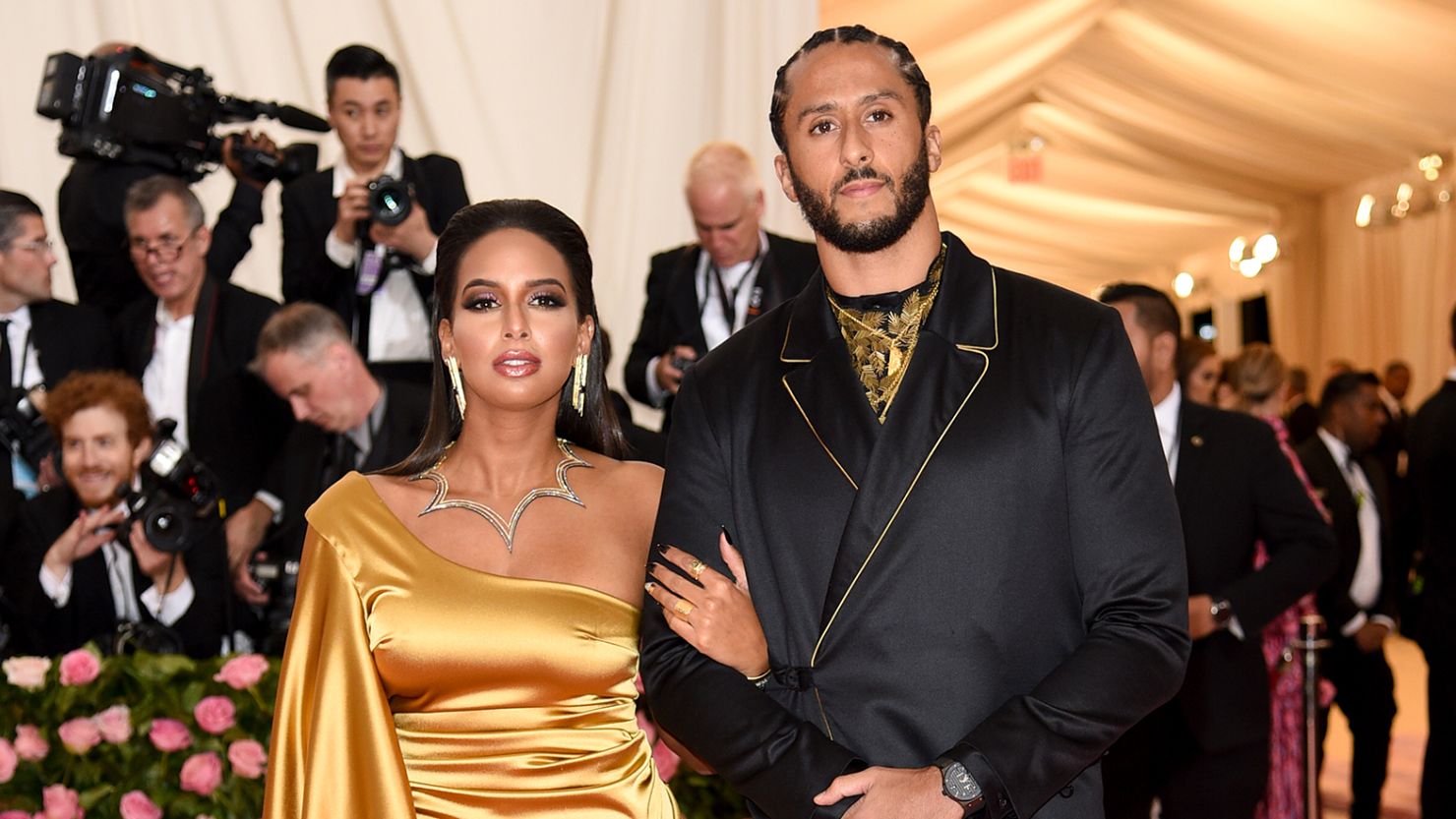
It is impossible to discuss why Nessa Diab’s race matters without addressing her role in modern civil rights movements alongside her partner, Colin Kaepernick. Since the mid-2010s, Diab has been a foundational force behind the Know Your Rights Camp (KYRC), an organization dedicated to the empowerment and education of Black and Brown youth.
A common, and often xenophobic, narrative in early 2016 and 2017 suggested that Diab "radicalized" Kaepernick. This claim was frequently used by critics to dismiss the legitimate grievances regarding police brutality by attributing them to the "influence" of a Muslim woman. However, the reality is far more substantive. Diab’s background in a region where government authority and civil liberties are in constant tension gave her a unique framework for understanding systemic oppression.
Why Her Influence is Factually Distinct
Her race and background matter here because they provided a cross-cultural methodology for activism. She didn't just support a movement; she helped build an infrastructure (KYRC) that utilizes legal experts, historians, and health professionals to serve the community. By bringing her perspective as an Egyptian-American to the Black Lives Matter movement, she helped highlight the international nature of police militarization and the importance of cross-racial solidarity.
Impact on Representation in Hip-Hop Culture
Nessa Diab’s role at Hot 97—the legendary radio station often referred to as the "pulse of hip-hop"—is a testament to her ability to navigate race and culture with sensitivity. In hip-hop, where questions of cultural appropriation are frequent, Diab has earned respect by being an authentic ally rather than a guest.
She uses her position to interview icons and rising stars alike, often steering the conversation toward social responsibility. For the Arab-American community, seeing one of their own in such a high-stakes, culturally influential position is a source of immense pride. It validates the idea that the "Arab experience" is not separate from the "American experience" but is instead a vital thread within it.
| Aspect of Identity | Impact on Public Discourse | Role in 2026 Landscape |
|---|---|---|
| Egyptian Heritage | Challenges MENA stereotypes in media. | Leading voice for MENA representation in entertainment. |
| Muslim Faith | Humanizes Islam in a secular media environment. | Advocate for religious tolerance and civil rights. |
| Bicultural Upbringing | Provides a global perspective on US foreign policy. | Bridge between domestic and international human rights issues. |
| Media Influence | Promotes social justice through mainstream platforms. | Redefining the role of a "radio personality" as an activist. |
The "Know Your Rights" Global Vision
As we look at the state of social justice in 2026, the Know Your Rights Camp has expanded significantly. Nessa’s race and her understanding of international rights have been pivotal in this growth. She has often spoken about the "right to be healthy" and the "right to be brilliant," framing these not as American privileges but as universal human rights.
Her background allows her to communicate these concepts to a diverse audience. When she speaks to youth in Oakland, Chicago, or New York, she isn't just speaking as a celebrity; she is speaking as someone whose family has seen what happens when rights are stripped away. This lived experience adds a layer of urgency and authenticity to her work that resonates across racial lines.
Addressing Critical Questions and Misconceptions
There are often questions regarding why someone’s race should be a focal point of their professional identity. In Diab's case, her race is not a distraction from her work but a tool for her work. It informs her interviewing style, her choice of philanthropic projects, and her willingness to speak truth to power even when it risks her career.
By being unapologetically Egyptian and Muslim, she forces the industry to expand its definitions of "relatability." She has proven that an audience doesn't need to share your exact DNA to find your message compelling—they only need to recognize your integrity.
Common FAQs Regarding Nessa Diab’s Background
What is Nessa Diab's specific ethnic background? Nessa Diab is of Egyptian descent. Her parents immigrated to the United States from Egypt, and she spent a significant portion of her childhood moving between California and Saudi Arabia. This background makes her Egyptian-American, a point she has frequently highlighted to provide context for her worldview and her commitment to global human rights.
Why did people focus on her religion during the NFL protests? During the period when Colin Kaepernick began kneeling to protest systemic racism, some critics targeted Nessa Diab’s Muslim faith as a way to delegitimize the movement. These attacks often relied on Islamophobic tropes to suggest "foreign influence" on an American athlete. Diab responded by doubling down on her activism, proving that her faith and her American identity both drive her desire for justice.
How has her background influenced her career at Hot 97? Her background has made her a unique bridge between the hip-hop community and the broader Arab-American community. She often uses her platform to discuss issues that affect both groups, such as surveillance, racial profiling, and the importance of community voting. Her ability to navigate these conversations with nuance is a direct result of her bicultural upbringing.
What is her role in the Know Your Rights Camp in 2026? As of 2026, Nessa Diab continues to serve as a co-founder and strategic leader for the Know Your Rights Camp. She is instrumental in developing the curriculum for the camps, securing partnerships with legal and medical experts, and ensuring that the organization’s message reaches a global audience. Her focus remains on empowering the next generation with the tools to navigate and change systemic structures.
Practical Actions and Continued Engagement
For those looking to understand the broader implications of Nessa Diab’s work and how it relates to her identity, the following actions are recommended:
- Support Multi-Ethnic Media: Seek out platforms that prioritize voices from the MENA community to better understand the nuances of the Arab-American experience.
- Educate on Civil Rights: Engage with the resources provided by the Know Your Rights Camp to learn about legal rights, health, and community empowerment.
- Monitor Media Bias: Be critical of how the media portrays the partners of activists, noting when race or religion is used as a tool for character assassination.
- Promote Cross-Cultural Dialogue: Encourage discussions that find the commonalities between the struggles of different marginalized groups, much as Diab has done throughout her career.
Nessa Diab’s race matters because it serves as a catalyst for a more inclusive, globally aware, and justice-oriented media landscape. By refusing to separate her identity from her profession, she has created a blueprint for how public figures can use their heritage to fuel meaningful social change.
Image Gallery