Choosing a Life Insurance Owner vs. Beneficiary: A Complete Guide to Policy Structure
The primary difference between a life insurance owner and a beneficiary lies in control versus benefit. The policy owner holds all legal rights to the contract, including the power to change beneficiaries, cancel the policy, or take lo...
The primary difference between a life insurance owner and a beneficiary lies in control versus benefit. The policy owner holds all legal rights to the contract, including the power to change beneficiaries, cancel the policy, or take loans against cash value. Conversely, the beneficiary has no rights during the insured’s lifetime and only receives the death benefit upon the insured’s passing.
Contents
Navigating the complexities of life insurance requires more than simply picking a coverage amount. How you structure the roles within the policy—specifically the owner, the insured, and the beneficiary—can have profound implications for taxes, estate planning, and legal control. In 2026, as estate tax laws continue to evolve following the sunset of previous decade-long tax provisions, understanding these distinctions is more critical than ever for protecting your family's financial future.
Defining the Three Key Roles in a Life Insurance Policy
To make an informed choice, you must first distinguish between the three distinct parties involved in a life insurance contract. While one person often fills two of these roles, it is rarely advisable for one person to fill all three or for three different people to fill three different roles without specific legal guidance.
1. The Insured
The insured is the individual whose life the policy covers. The entire contract is predicated on this person's health, age, and eventual passing. The insured typically has no legal rights to the policy itself unless they are also the owner. If the insured dies, the contract triggers a payout.
2. The Policy Owner
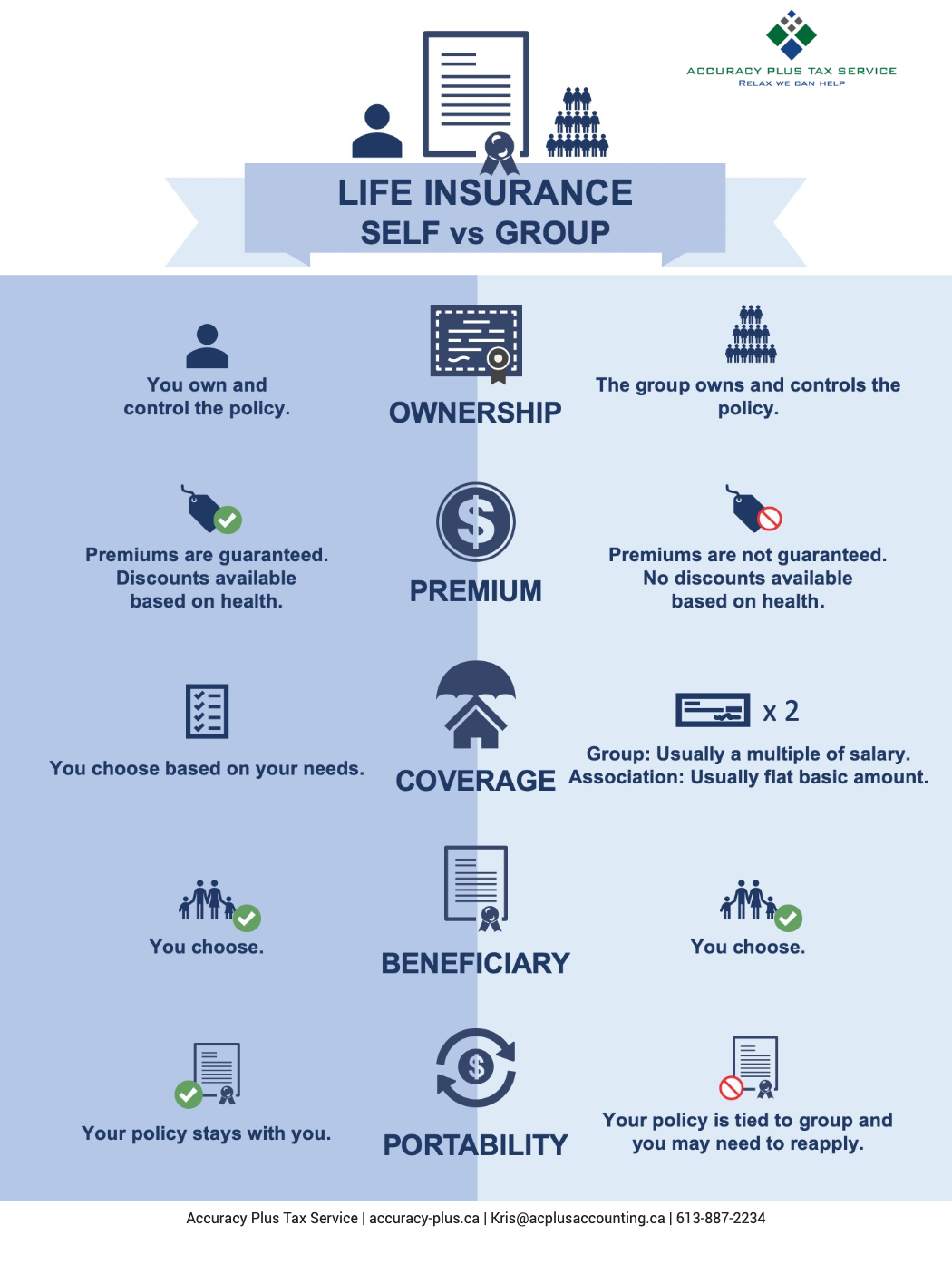
The owner is the "manager" of the policy. They are responsible for paying the premiums and hold all "incidents of ownership." This includes the right to:
- Name or change beneficiaries.
- Surrender or cancel the policy.
- Assign the policy as collateral for a loan.
- Withdraw or borrow against the cash value (in permanent life insurance).
- Transfer ownership to another party.
3. The Beneficiary
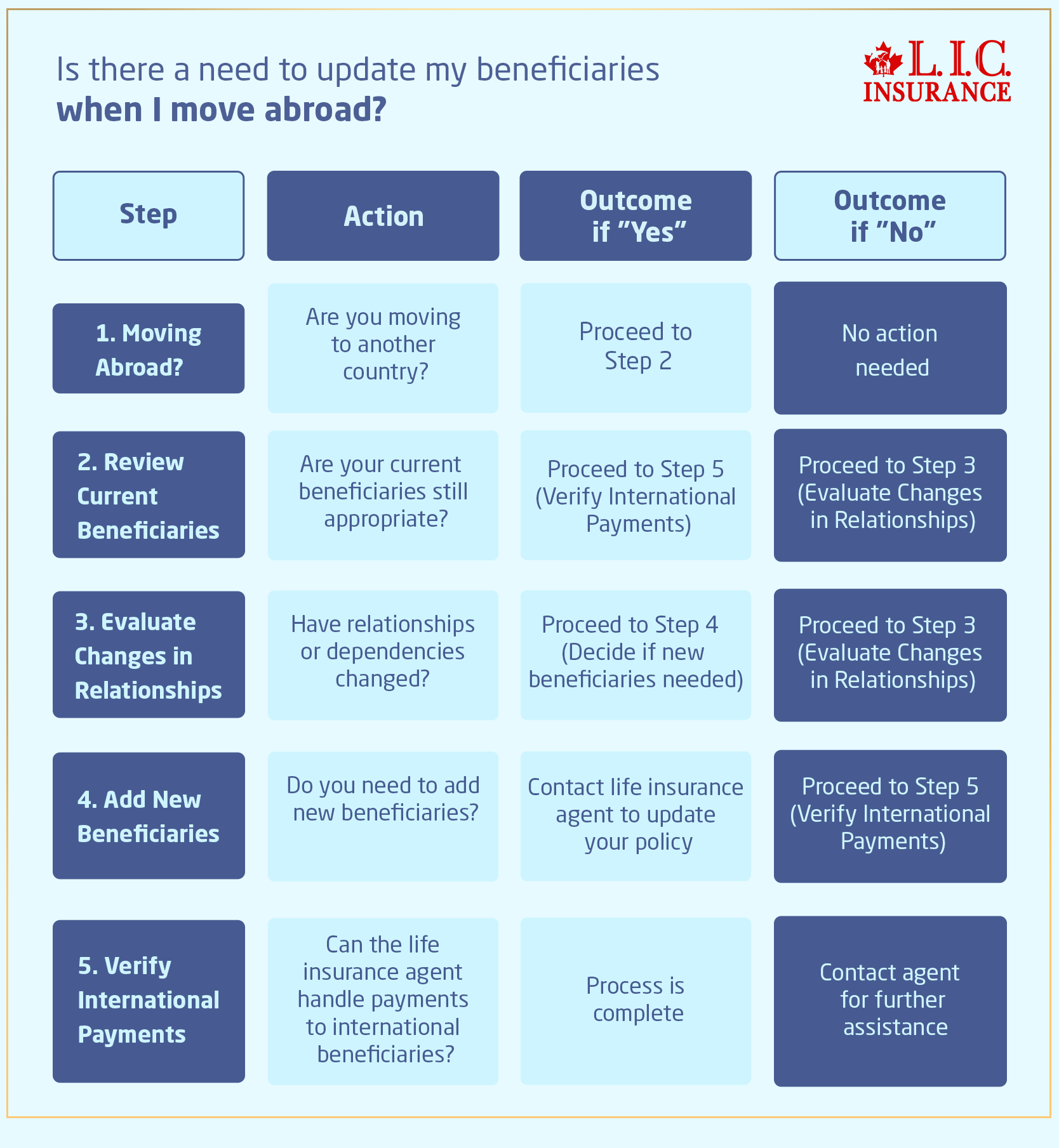
The beneficiary is the person, entity, or trust designated to receive the death benefit. Beneficiaries are generally "revocable," meaning the owner can change them at any time. However, if a beneficiary is "irrevocable," the owner must obtain that person's written consent before making any changes to the policy.
Strategic Considerations for Choosing a Policy Owner
Choosing the right owner is primarily an exercise in tax strategy and legal protection. Most people default to owning their own policies, but this isn't always the most efficient path for high-net-worth individuals or business partners.
Personal Ownership (The Insured as Owner)
This is the most common arrangement. If you buy a policy on your own life to protect your spouse and children, you are both the insured and the owner.
- Pros: Complete control over the policy; simplicity in management.
- Cons: The death benefit is included in your "gross estate" for federal estate tax purposes. In 2026, with the lower estate tax exemptions now in effect, a large life insurance payout could inadvertently push your estate into a taxable bracket, potentially losing up to 40% of the benefit to the IRS.
Third-Party Ownership
Sometimes, it makes sense for someone other than the insured to own the policy. For example, an adult child might own a policy on an aging parent to cover future funeral costs or estate taxes.
- Pros: The death benefit is generally not included in the insured’s estate, avoiding estate taxes.
- Cons: The insured loses all control. If the owner (the child) decides to cancel the policy or change the beneficiary to themselves alone, the insured has no legal recourse.
Trust Ownership (ILITs)
An Irrevocable Life Insurance Trust (ILIT) is a sophisticated tool where a trust owns the policy. This is a staple of advanced estate planning in 2026.
- Pros: Removes the death benefit from the taxable estate; provides specific instructions on how the money should be spent (e.g., "pay for college" rather than a lump sum).
- Cons: Irrevocable means you cannot take the policy back once it's in the trust. It requires an attorney to set up and maintain.
Strategic Considerations for Choosing Beneficiaries
When choosing beneficiaries, the goal is to ensure the money reaches the right hands with minimal legal friction.
Primary vs. Contingent Beneficiaries
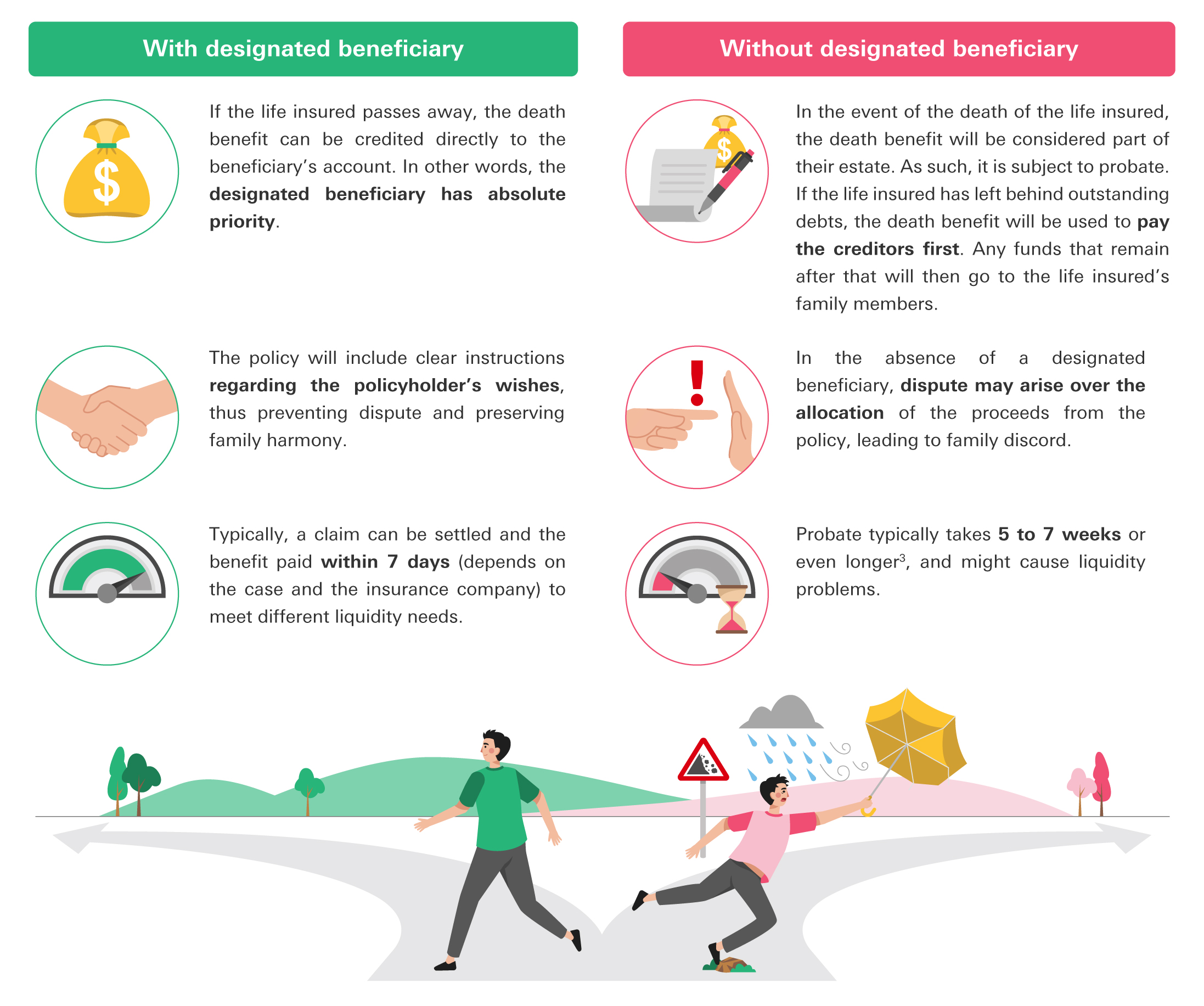
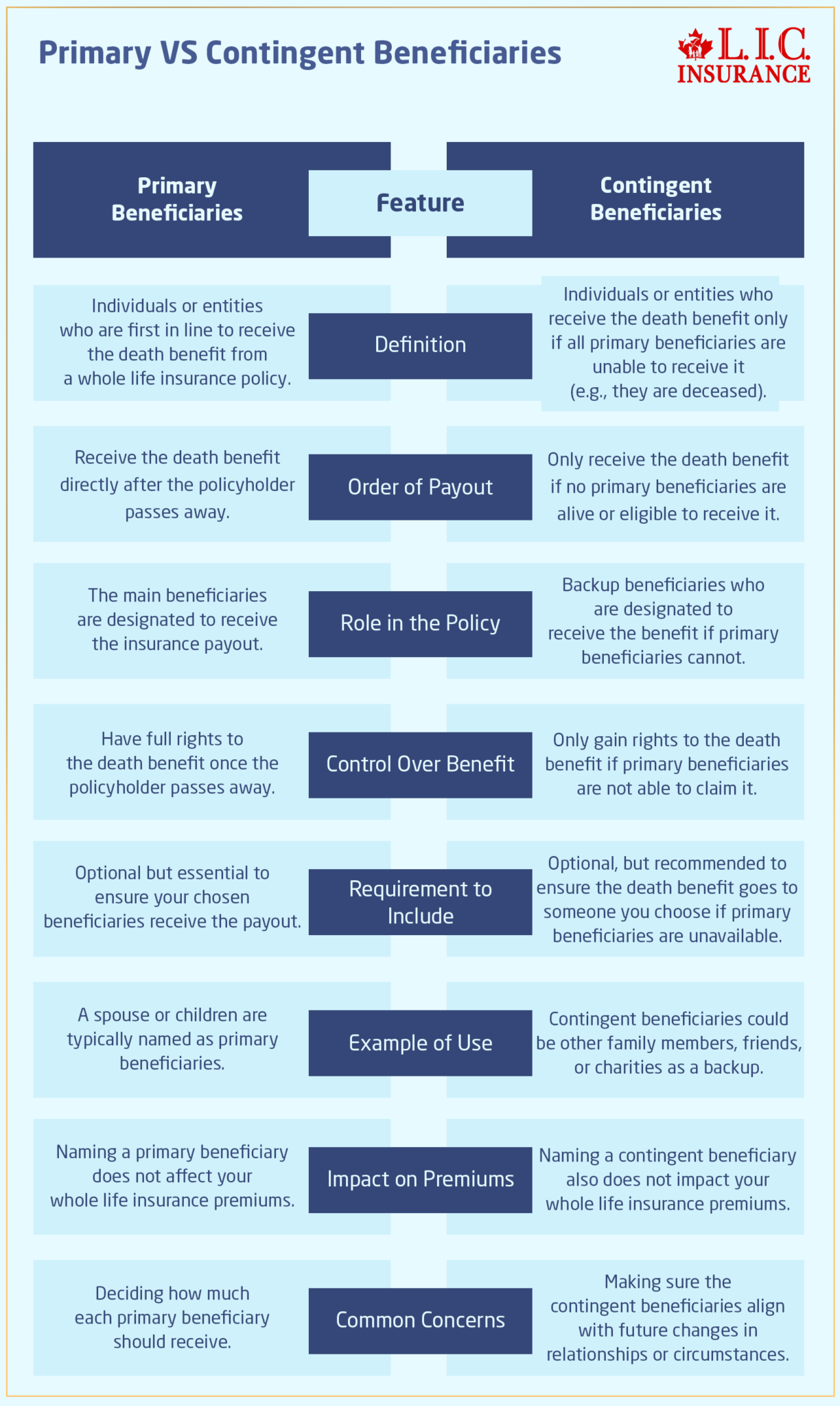
You should always name at least one primary and one contingent (secondary) beneficiary. The primary beneficiary is first in line. The contingent beneficiary only receives the money if the primary beneficiary dies before or at the same time as the insured. Without a contingent beneficiary, the payout may default to your "estate," which triggers probate—a lengthy and expensive court process.
Avoiding Minor Children as Direct Beneficiaries
Life insurance companies will not pay a large death benefit directly to a minor. If you name a six-year-old as a beneficiary, the court will appoint a guardian to manage the money until the child reaches the age of majority (usually 18 or 21). This process is slow and subjects the funds to court oversight. Instead, name a trust or a custodian under the Uniform Transfers to Minors Act (UTMA) as the beneficiary.
Individuals vs. Entities
Beneficiaries don't have to be people. You can name:
- Charities: For philanthropic goals and potential estate tax deductions.
- Trusts: For control over how the money is distributed over time.
- Businesses: Common in "Key Person" insurance or buy-sell agreements.
The "Unholy Trinity" (Goodman Triangle) Tax Trap
One of the most common and expensive mistakes in life insurance is creating what tax professionals call the "Unholy Trinity" or the "Goodman Triangle." This occurs when three different people occupy the roles of owner, insured, and beneficiary.
The Scenario:
- Owner: Wife
- Insured: Husband
- Beneficiary: Adult Child
The Result: When the Husband dies, the IRS views this as the Wife (the owner) making a taxable gift of the death benefit to the Child (the beneficiary). Because the Wife had the right to the money as the owner but allowed it to go to the child, the entire death benefit may be subject to gift taxes.
To avoid this, ensure that either the owner and the insured are the same person, or the owner and the beneficiary are the same person.
Comparison Table: Owner vs. Beneficiary
| Feature | Policy Owner | Beneficiary |
|---|---|---|
| Primary Goal | Control and management of the contract. | Receipt of the financial benefit. |
| Payment Responsibility | Legally responsible for premiums. | No responsibility for premiums. |
| Right to Change Terms | Can change beneficiary, coverage, or type. | No rights to change the policy. |
| Tax Implications | Policy may be included in their estate. | Death benefit is usually income tax-free. |
| Access to Cash Value | Full access to withdrawals and loans. | No access during insured's lifetime. |
| Duration of Role | Active from policy issuance. | Active only upon death of the insured. |
Ownership Transfers and the "Three-Year Rule"
If you currently own a life insurance policy and want to transfer it to a trust or another person to avoid estate taxes, you must be aware of Internal Revenue Code Section 2035, known as the "Three-Year Rule."
If the insured owns a policy and transfers it to another party (like an ILIT) and then dies within three years of that transfer, the IRS "pulls" the policy back into the insured's estate for tax purposes. In 2026, this rule remains a significant hurdle for those performing last-minute estate planning. To avoid this, it is often better to have the trust or third party apply for a new policy from the start rather than transferring an existing one.
Business Context: Buy-Sell Agreements
In a business setting, choosing the owner and beneficiary is vital for company continuity. In a "Cross-Purchase" agreement, business partners own policies on each other.
- Owner: Partner A
- Insured: Partner B
- Beneficiary: Partner A
If Partner B dies, Partner A receives the money tax-free and uses it to buy out Partner B’s share of the business from their heirs. This structure keeps the business running smoothly and ensures the heirs receive fair market value.
Frequently Asked Questions
Can a beneficiary also be the owner?
Yes. This is common when a person buys a policy on someone else's life (like a spouse) and names themselves as the beneficiary. This avoids the "Unholy Trinity" gift tax trap because the owner is simply receiving the proceeds of their own contract.
Can I change the owner of my life insurance policy?
Yes, most policies allow for an "absolute assignment" or change of ownership. However, this may have gift tax consequences if the policy has significant cash value, and it triggers the three-year rule for estate tax inclusion.
What happens if the owner dies before the insured?
If the owner dies first, the policy becomes an asset of the owner's estate unless a "contingent owner" was named in the original application. It is highly recommended to name a contingent owner to prevent the policy from getting stuck in probate.
Does a beneficiary have to pay income tax on the payout?
Generally, no. Under IRC Section 101(a), life insurance death benefits are not considered taxable income to the beneficiary. However, any interest earned on the benefit because of a delay in payout is taxable.
What if I want to name my estate as the beneficiary?
Naming your "estate" as the beneficiary is generally considered a mistake. It forces the life insurance proceeds into probate, making the money accessible to your creditors and delaying the payout to your loved ones by months or even years.
Summary of Next Actions
Choosing between an owner and a beneficiary is not an "either/or" decision but a "how-to" design. To ensure your policy performs its intended function in 2026, follow these steps:
- Audit Your Current Policies: Check the "Ownership" and "Beneficiary" lines on your latest statements.
- Evaluate Estate Tax Exposure: If your total estate (including life insurance) exceeds the 2026 exemption limits, consult an estate attorney about moving ownership to an Irrevocable Life Insurance Trust (ILIT).
- Clean Up the Goodman Triangle: Ensure that the Owner, Insured, and Beneficiary are not three different people to avoid unnecessary gift taxes.
- Review Beneficiary Designations: Ensure you have contingent beneficiaries listed and that no minor children are named directly.
- Coordinate with Your Will: Ensure your life insurance strategy aligns with your broader estate plan, but remember that a life insurance beneficiary designation almost always overrides what is written in a will.
Image Gallery