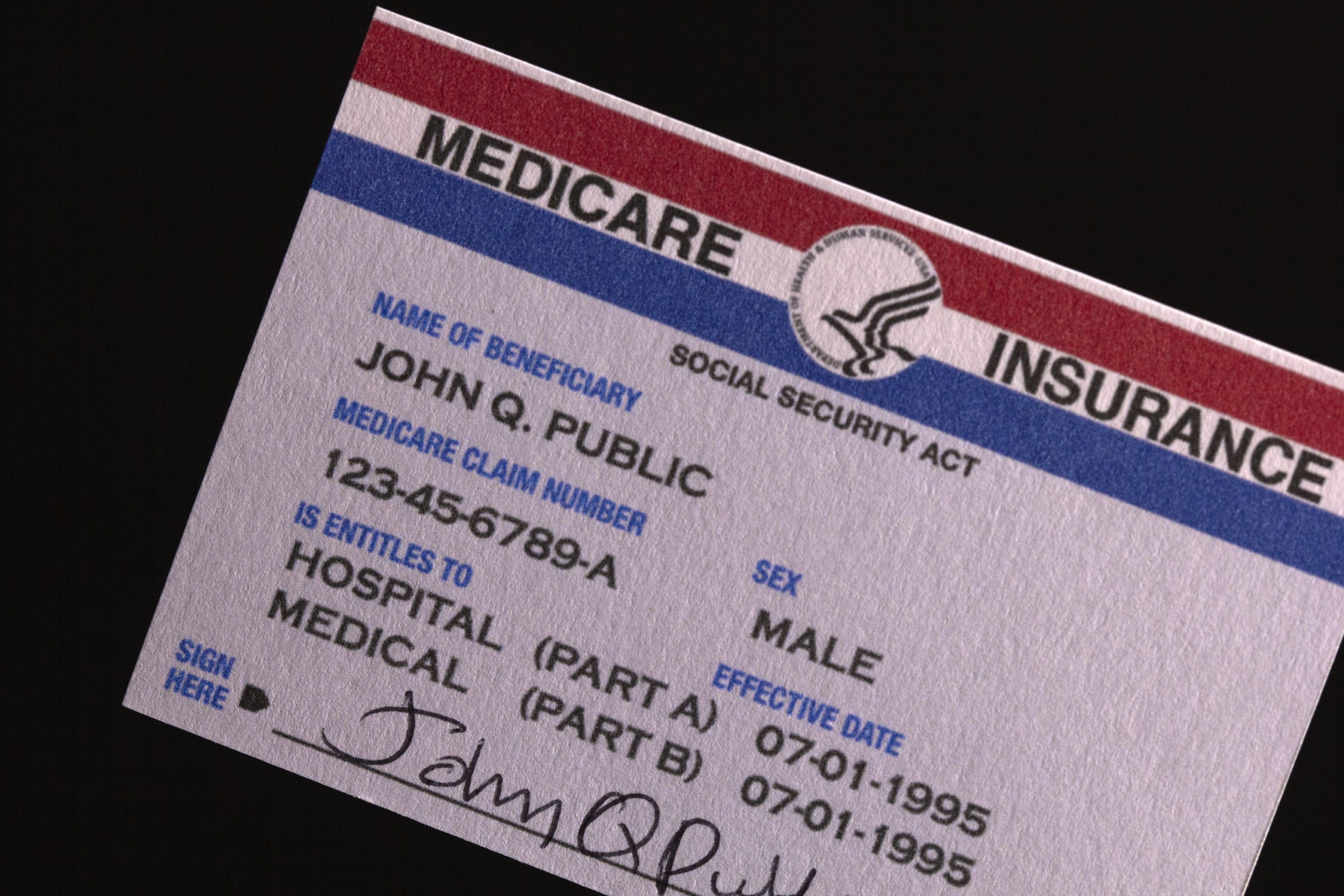
Should You Carry Your Medicare Card in Your Wallet? Protection and Access Guidelines for 2026
You should generally not carry your original Medicare card in your wallet on a daily basis. To minimize the risk of identity theft, keep your original card in a secure location at home and only bring it with you when visiting a new doc...
You should generally not carry your original Medicare card in your wallet on a daily basis. To minimize the risk of identity theft, keep your original card in a secure location at home and only bring it with you when visiting a new doctor, going to the hospital, or visiting a pharmacy for the first time.
Contents
The question of whether to carry your Medicare card is one of the most common concerns for beneficiaries navigating the federal health insurance program in 2026. While the physical "red, white, and blue" card is your primary proof of insurance, it also serves as a sensitive document that contains your Medicare Beneficiary Identifier (MBI). Misplacing this card or having it stolen can lead to complex financial and medical complications. Understanding when you need the card versus when you should leave it at home is essential for protecting your identity and ensuring uninterrupted access to healthcare services.
The Evolution of the Medicare Card and the MBI
For decades, Medicare cards displayed the beneficiary's Social Security Number (SSN). This practice made Medicare recipients prime targets for identity theft, as a lost wallet effectively handed a thief the most sensitive piece of personal data an American can own. Following the Medicare Access and CHIP Reauthorization Act (MACRA) of 2015, the Centers for Medicare & Medicaid Services (CMS) transitioned all beneficiaries to a new card format between 2018 and 2019.
The modern Medicare card features a Medicare Beneficiary Identifier (MBI) instead of an SSN. The MBI is a 11-character string consisting of numbers and uppercase letters. It is unique, randomly generated, and does not contain any embedded personal information like your birth date or geographic location.
In 2026, while the MBI has significantly reduced the immediate risk of a stolen card leading to a total financial identity takeover, it remains a high-value target for "medical identity theft." If a fraudster obtains your MBI, they can bill Medicare for services, equipment, or medications that you never received. This can exhaust your benefit limits and, more dangerously, result in incorrect medical information being added to your permanent health records.
The Risks of Daily Carry: Why Your Wallet Isn't Safe
Carrying your original Medicare card in your wallet increases the likelihood of loss through theft, accidental misplacement, or physical wear and tear. Unlike a driver's license, which you may need to show frequently, the Medicare card has a very specific and limited set of uses.
Medical Identity Theft
If your card is stolen, a third party can use your MBI to receive medical care. In 2026, medical identity theft remains difficult to detect until you receive a Summary of Benefits (MSN) or an Explanation of Benefits (EOB) showing services you didn't authorize. By then, the damage to your medical record may have already occurred. Correcting a medical record—which might now list the wrong blood type, false diagnoses, or medications you aren't actually taking—can be a life-threatening bureaucratic nightmare.
Financial Fraud
While the MBI is not your Social Security Number, it is still linked to your federal benefits. Fraudsters often use stolen MBIs to file fraudulent claims for expensive durable medical equipment (DME), such as power wheelchairs or orthotics. If Medicare pays these fraudulent claims, you may find yourself denied legitimate equipment later because the system shows you have already reached your limit for that specific benefit.
Physical Degradation
Medicare cards are made of heavy paper, not plastic. Carrying the original card in a wallet subject to constant friction, moisture, and bending will eventually make the card unreadable. While you can order a replacement, having a damaged card can cause delays during a medical emergency or an admission process where the provider needs to scan or copy the document.
When You Must Carry Your Medicare Card
Despite the risks, there are specific scenarios where having your original Medicare card (or a high-quality copy) is non-negotiable. Planning for these events allows you to carry the card only when necessary.
- Initial Appointments: When seeing a doctor, specialist, or therapist for the first time, the administrative staff must verify your coverage and record your MBI in their billing system.
- Hospital Admissions: For both elective surgeries and emergency admissions, the hospital requires your Medicare information to coordinate billing between Part A (Hospital Insurance) and any supplemental coverage you may have.
- Pharmacy Changes: If you switch to a new pharmacy or need to provide information for a Part D prescription drug plan, you will need to present your card.
- Preventive Screenings and Lab Work: Diagnostic centers and labs often operate independently of your primary physician's office. They will need your card to ensure they bill the federal government correctly for your blood work or imaging.
Safe Alternatives to Carrying the Original Card
In 2026, beneficiaries have several more secure ways to ensure they have their information available without risking the original document.
The Photocopy Method
A widely recommended practice is to make a black-and-white photocopy of your Medicare card (both front and back). Keep the original in a fireproof safe or a locked drawer at home. You can carry the photocopy in your wallet. If the photocopy is lost or stolen, it is much easier to replace than the original, and you can even choose to black out a portion of the MBI on the copy, provided you have the full number saved elsewhere.
Digital Storage and Smartphone Apps
Most Medicare beneficiaries now use smartphones. You can take a clear photo of your card and store it in a secure, password-protected folder or a "vault" app on your phone. Many healthcare providers in 2026 can accept a digital image of the card to input your MBI into their system. Furthermore, by logging into your MyMedicare.gov account, you can access an official digital version of your card at any time.
Medicare Advantage and Supplemental Cards
If you are enrolled in a Medicare Advantage (Part C) plan or a Medigap policy, you will receive a separate member ID card from your private insurance provider (e.g., UnitedHealthcare, Humana, Aetna). In most cases, you should carry the private insurance card for daily use and keep the original "Red, White, and Blue" Medicare card at home. However, keep in mind that even if you have Medicare Advantage, you may still be asked for your original Medicare card in certain hospice or clinical trial situations.
Comparison of Card Carrying Strategies
| Method | Security Level | Convenience | Recommended Use |
|---|---|---|---|
| Original Card | Low (Risk of permanent loss) | High | New doctor visits, hospital admissions. |
| Photocopy | Medium | High | Daily carry for unexpected medical needs. |
| Digital Image | High (If phone is locked) | High | Modern clinics and tech-savvy providers. |
| Medicare.gov Account | Highest | Medium | Remote verification or if physical copies are lost. |
| Memorization | High | Low | Emergency backup only. |
What to Do If Your Card Is Lost or Stolen
If you realize your Medicare card is missing, you must act quickly to prevent fraudulent use of your MBI.
- Report the Loss: Contact the Social Security Administration (SSA) immediately. You can do this online at SSA.gov or by calling 1-800-772-1213.
- Order a Replacement: You can request a new card through your MyMedicare.gov account. The replacement card usually arrives within 30 days. Your MBI will remain the same unless there is evidence of active fraud.
- Monitor Your Claims: Carefully review your Medicare Summary Notices (MSN) for any unfamiliar charges. If you see a doctor or service you did not visit, call the Medicare fraud tip line at 1-800-MEDICARE (1-800-633-4227).
- Change Your MBI: In cases of confirmed identity theft, CMS can issue you a completely new MBI number to prevent further fraudulent billing. This is a more involved process but provides the highest level of security after a breach.
Frequently Asked Questions
Do I need to carry my Medicare card if I have a Medicare Advantage plan?
While you primarily use your Medicare Advantage plan card for doctor visits and prescriptions, you should still keep your original Medicare card in a safe place. You generally do not need to carry the original card daily, but providers may occasionally ask for it to verify your original enrollment date or for specific billing exceptions.
Is it legal to laminate my Medicare card?
There is no law against laminating your Medicare card; however, it is generally discouraged by the SSA. Lamination can make it difficult for office scanners to read the card clearly, and it may interfere with the security features of the paper. Instead of laminating, use a plastic ID card sleeve if you must carry it.
Can a doctor's office refuse to see me if I don't have my physical card?
If you are an established patient, they already have your information on file and shouldn't need the physical card. For a new appointment, if you don't have the card but have your MBI written down or a digital copy, most offices can proceed. However, some offices have strict policies and may require seeing a form of ID and proof of insurance before providing non-emergency care.
Should I carry my Medicare card when traveling?
Yes, when traveling domestically or abroad, you should carry your Medicare information. While Original Medicare generally does not cover care outside the U.S. (except in very limited circumstances), having the card is vital if you require emergency care in another state. When traveling, a photocopy or digital version is often the safest compromise.
Does the Medicare card change every year?
No, your Medicare card does not expire and does not change annually. You will only receive a new card if your MBI changes due to fraud, if you request a replacement for a lost card, or if the federal government initiates a program-wide redesign (which has not occurred since the 2018 rollout).
Practical Recommendation for 2026
For the best balance of security and preparedness, keep your original Medicare card at home in a secure location. Make a photocopy of the card to keep in your wallet for day-to-day use, and ensure you have a digital backup or a secure note on your smartphone with your MBI. Only take the original card with you for pre-scheduled appointments with new providers or when you are traveling away from your primary residence for an extended period. By treating your Medicare card with the same level of caution as your Social Security card, you significantly reduce your risk of medical identity theft and ensure your benefits remain protected for your own use.
Image Gallery