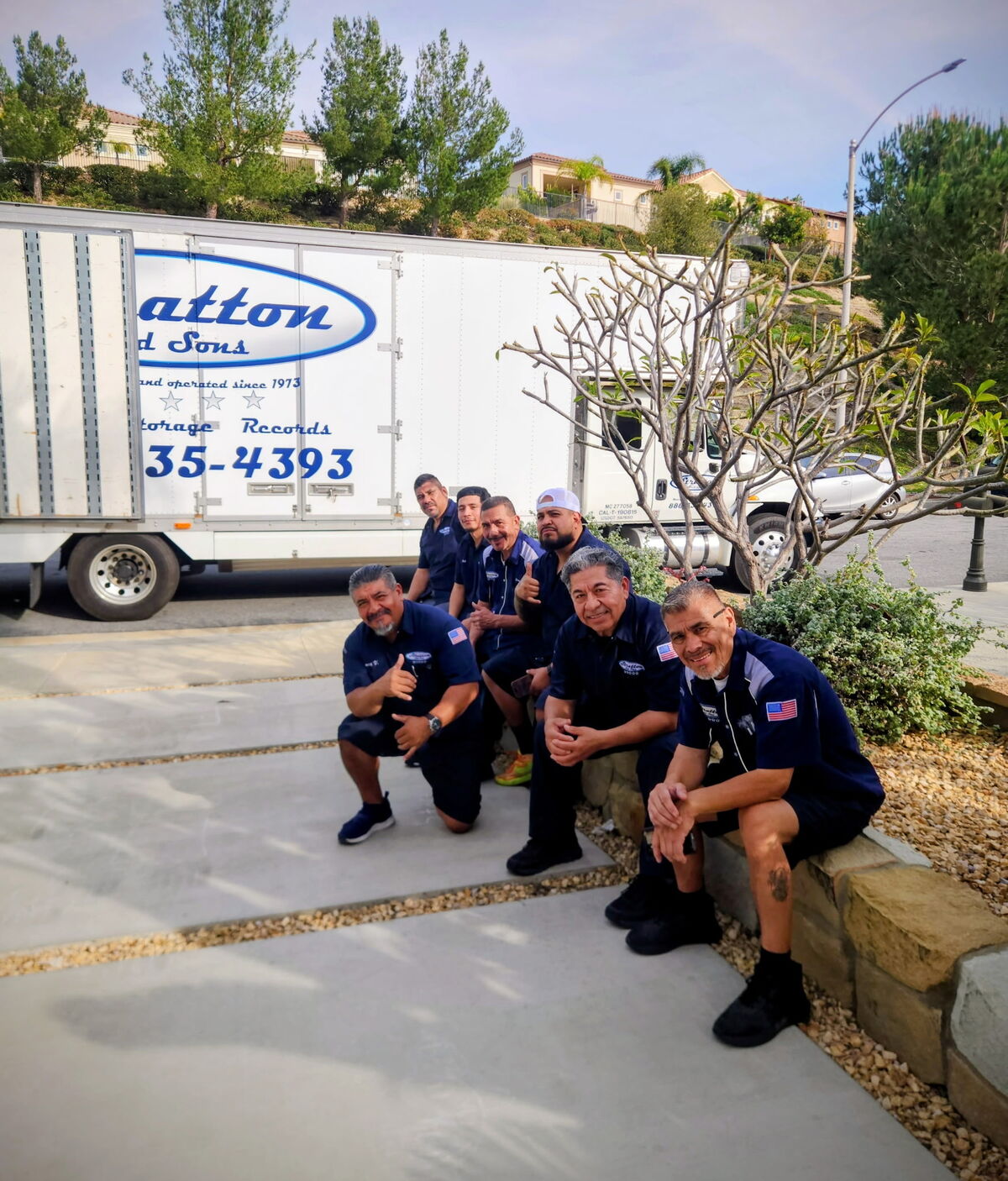
Comprehensive Guide to Hiring Moving Companies in Los Angeles, CA
Hiring professional moving companies in Los Angeles, CA requires verifying regulatory credentials through state and federal databases, understanding local hourly pricing structures, and accounting for city-specific logistical constrain...
Hiring professional moving companies in Los Angeles, CA requires verifying regulatory credentials through state and federal databases, understanding local hourly pricing structures, and accounting for city-specific logistical constraints. To ensure a smooth relocation, consumers must confirm a carrier's license with the California Bureau of Household Goods and Services, evaluate binding versus non-binding quotes, and prepare for unique urban challenges like parking permits and building access rules.
Contents
Understanding California Moving Regulations and Licensing Requirements
Relocating within or out of Los Angeles involves distinct legal protections designed to safeguard consumers against fraudulent operators, property damage, and unlawful pricing practices. In California, intra-state moving companies are regulated under strict statutory standards, whereas interstate relocations fall under federal jurisdiction.
- Jurisdictional Licensing
- Intrastate (Within CA)
- Regulated by DCA / BHGS
- Requires active MTR Permit
- Governed by Max 4 Tariff
- Interstate (Cross-State)
- Regulated by USDOT & FMCSA
- Requires Active USDOT / MC #
- Federal Dispute Resolution
- Intrastate (Within CA)
State Oversight: The Bureau of Household Goods and Services (BHGS)
All household goods carriers operating exclusively within California must hold an active permit issued by the California Department of Consumer Affairs' Bureau of Household Goods and Services (BHGS). Oversight for intrastate moving companies was historically managed by the California Public Utilities Commission (CPUC), but regulatory authority was transferred to the BHGS to streamline enforcement, licensing, and consumer dispute resolution.
Before signing a contract or paying a deposit, verify that the company holds a valid Moving Firm Permit (often designated as an MTR or Cal-T number). Operating a moving service in California without a BHGS permit is illegal. Licensed carriers must maintain mandatory public liability, property damage, and cargo insurance policies, as well as participate in mandatory background checks for operational staff.
Federal Regulations for Interstate Moves
If your move crosses state lines (for example, moving from Los Angeles to Phoenix, Seattle, or New York), state-level BHGS oversight transitions to federal authority. Interstate movers must comply with rules established by the Federal Motor Carrier Safety Administration (FMCSA).
Key federal requirements include:
- USDOT Number: A unique identifier issued by the U.S. Department of Transportation to track safety records and inspections.
- MC Number: Motor Carrier operating authority granting permission to transport regulated commodities across state borders.
- Your Rights and Responsibilities When You Move: A mandatory federal booklet that interstate movers must provide to clients prior to signing an agreement.
Valuation Coverage vs. Standard Insurance
A common misconception among consumers is that moving companies provide standard "insurance" included in their base rates. Under California law, moving companies offer valuation coverage, which dictates the maximum financial liability a mover assumes if items are lost or damaged.
- Released Value Protection (Basic Coverage): Included at no additional cost, this statutory minimum limits the mover's liability to $0.60 per pound per article. For example, if a 50-pound television valued at $1,000 is destroyed during transit, the mover is legally obligated to compensate you only $30.00 (50 lbs × $0.60).
- Full Value Protection (Actual Repair/Replacement Value): Under this comprehensive option, the mover is liable for the replacement value or full repair cost of any damaged goods. If an item is lost, destroyed, or damaged beyond repair, the carrier must either repair it to its pre-move condition, replace it with an item of like kind and quality, or issue a cash settlement for the current market value. Full Value Protection incurs an additional fee based on the total declared valuation of the shipment.
Los Angeles Moving Costs and Pricing Structures
Understanding how moving companies calculate final invoices helps avoid unexpected charges on moving day. Local moves within the Greater Los Angeles area are structured differently from long-distance relocations.
The California Double Drive Time (DDT) Law
The most distinct financial regulation governing local moves within California is the Double Drive Time (DDT) mandate, defined under the state's Maximum Fixed Rate Tariff (Max 4 Tariff).
California law dictates that intrastate moving companies must bill clients for double the actual time spent driving between the origin loading location and the final unloading destination.
- Why the rule exists: The DDT rule protects consumers from unmonitored "portal-to-portal" transit claims. Instead of billing consumers for the ambiguous time spent traveling from the mover's central depot to the initial home, and from the final destination back to the depot, state law standardizes transit billing to the exact path driven between origin and destination.
- Calculation Example: If loading a truck in West Hollywood takes 3 hours, unloading in Pasadena takes 3 hours, and the direct driving time between West Hollywood and Pasadena takes 45 minutes, the drive time is doubled to 90 minutes (1.5 hours). The total billable labor and transit time for the job equals 7.5 hours (3 hours load + 3 hours unload + 1.5 hours DDT), plus any flat service fees.
Average Hourly Rates and Household Benchmarks
Local moves taking place within a 50-mile radius are primarily charged using hourly labor rates combined with equipment usage fees. Rates fluctuate based on crew size, seasonality, day of the week, and peak moving periods (such as the end or beginning of a calendar month).
| Home Size / Scope | Recommended Crew Size | Estimated Hours | Estimated Cost Range (Local LA Move) |
|---|---|---|---|
| Studio / 1-Bedroom Apartment | 2 Movers + 1 Truck | 3 – 5 Hours | $450 – $850 |
| 2-Bedroom Apartment / Small Home | 3 Movers + 1 Truck | 5 – 7 Hours | $850 – $1,500 |
| 3-Bedroom Single Family Home | 4 Movers + 1–2 Trucks | 7 – 10 Hours | $1,600 – $2,800 |
| 4+ Bedroom Large Property | 5+ Movers + 2 Trucks | 9 – 14+ Hours | $2,900 – $5,000+ |
| Long-Distance (Interstate Out of LA) | Based on Weight / Volume | Fixed Route / Mileage | $3,500 – $10,000+ (Flat Rate) |
Navigating Los Angeles Urban Logistics and Neighborhood Challenges
Executing a move in Los Angeles requires navigating structural, topographical, and municipal challenges unique to Southern California. Failing to plan for these factors can cause delay penalties, municipal fines, or property damage.
- Los Angeles Urban Moving Challenges
- Municipal
- LADOT Street Permits
- Meter Holds
- Parking Enforcement
- Infrastructure
- Elevator Reservations
- COI Building Insurances
- Strict Hours
- Geography
- Canyon Road Restrictions
- Shuttle Van Transfers
- Steep Hill
- Municipal
City Parking Permits and Loading Zones
In densely populated neighborhoods like Downtown Los Angeles (DTLA), Koreatown, Hollywood, Santa Monica, and West Hollywood, street parking for a 26-foot moving truck is rarely guaranteed.
- Temporary Street Parking Permits: The Los Angeles Department of Transportation (LADOT) allows residents and moving companies to apply for temporary "No Parking" signs to reserve curb space outside a residence. Applications generally must be submitted at least 3 to 7 business days in advance to allow physical posting of signs by city crews.
- Private Property & HOA Restrictions: If parking inside a private residential complex or commercial building garage, verify overhead clearance heights. Standard 26-foot box trucks require a minimum vertical clearance of 13 feet 6 inches, making subterranean residential garages inaccessible.
High-Rise Building Protocols and Certificates of Insurance
Property management companies representing high-rise condominiums and apartment towers along the Wilshire Corridor, DTLA, and Century City enforce strict rules prior to allowing equipment onto the property:
- Certificate of Insurance (COI): Most luxury high-rise properties require moving companies to supply a COI naming the property management company and building owner as "Additionally Insured." Standard requirements demand $1,000,000 to $2,000,000 in general commercial liability coverage, alongside proof of active Workers' Compensation policy coverage.
- Elevator Reservations: High-rises typically mandate pre-booked freight elevator windows (e.g., Monday through Friday, 9:00 AM to 4:00 PM). Weekend moves are frequently prohibited by HOA covenants.
- Protective Floor Covering: High-rises often require movers to install temporary Masonite floor boards and wall padding throughout common corridors to prevent damage.
Narrow Access and Canyon Logistics
Moving into or out of hillside neighborhoods—such as the Hollywood Hills, Bel Air, Brentwood, Topanga Canyon, or Pacific Palisades—introduces complex vehicle access issues:
- Shuttle Service Fees: Narrow, winding canyon roads, tight hairpins, and low-hanging tree canopies frequently prevent full-sized moving vans from reaching a home's driveway. In these scenarios, moving companies must execute a shuttle service. Goods are offloaded from the main van into smaller 10-foot to 16-foot box trucks or vans capable of navigating steep canyon passes, then shuttled to the house. Shuttle operations add labor and equipment costs to the final contract.
- Long Carry & Stair Carry Surcharges: If a truck cannot park within a standard distance (typically 75 feet) of the primary entrance, or if goods must be carried up multiple flights of exterior stairs, carriers may bill standardized distance or stair surcharges.
Step-by-Step Process for Selecting and Vetting a Moving Company
Selecting a reliable moving company requires systematic verification to avoid unlicensed operators, hidden fees, and predatory hostage-load tactics.
5-Step Vetting Process:
- Verify Permits: Check BHGS / USDOT Databases
- Get Written Estimates: Obtain 3+ In-Home or Virtual Quotes
- Review Estimate Type: Choose Binding vs. Not-to-Exceed
- Inspect Coverage: Select Valuation Level & Request COI
- Confirm Payment Terms: Avoid Large Upfront Cash Deposits
1. Verify Licensure and Background
Never accept a verbal assurance regarding licensure. Access state and federal public portals directly:
- Confirm active intrastate standing using the BHGS Household Goods Carrier Search.
- Confirm active interstate standing using the FMCSA Safety and Fitness Electronic Records (SAFER) system.
- Check for recorded safety violations, fleet size, and verified insurance coverage.
2. Request Detailed Written Estimates
Obtain binding or non-binding estimates from at least three distinct, fully licensed movers based on a physical in-home walk-through or a comprehensive virtual inventory scan.
- Binding Estimate: A fixed contract guaranteeing that the total price will match the quote, provided no additional items or services are added on moving day.
- Non-Binding Estimate: An initial calculation based on estimated weight or hours. The final price can fluctuate depending on actual weight or time expanded.
- Binding Not-to-Exceed Estimate: The most consumer-friendly option. You pay whichever is lower: the binding estimate cap or the actual calculated hours and weight incurred.
3. Identify and Avoid Common Industry Red Flags
Be vigilant against rogue operators that display common indicators of fraudulent activity:
- Demands for Large Upfront Cash Deposits: Reputable moving companies rarely require substantial cash deposits before the move occurs. Payment is customarily rendered upon delivery or completion of service.
- Generic Branding: Avoid companies answering phones with generic phrases such as "Movers" rather than a registered corporate name. Verify that their physical operating facility exists in Southern California.
- Unrealistically Low Rates: Initial hourly rates drastically below regional market averages often signal an unlicensed operator, uninsured crews, or an intentional low-ball quote intended to inflate charges once goods are loaded.
- Absence of a Physical Survey: Companies offering flat-rate binding quotes over the phone without reviewing an inventory list, video assessment, or home layout routinely attempt to add extra fees on moving day due to "unexpected volume."
Service Level Comparison: Moving Options in Los Angeles
Understanding the spectrum of moving solutions allows consumers to select a framework aligned with their budget, physical capabilities, and timeline.
| Service Level | Core Deliverables | Typical Cost Framework | Best Fit For | Primary Risk / Drawback |
|---|---|---|---|---|
| Full-Service Movers | Packing, loading, transit, unloading, furniture disassembly/reassembly, unpacking | High (Hourly rate + materials or total weight/volume) | Large homes, busy professionals, high-value art/furniture | Highest financial investment |
| Labor-Only Moving Services | Physical loading and unloading of client-provided trucks or containers | Moderate (Hourly labor rate per worker; no truck included) | DIY movers renting their own box truck (e.g., U-Haul, Penske) | Client retains transit liability and driving responsibility |
| Portable Storage Containers | Delivery of storage container to driveway; client loads; company transports | Moderate (Monthly container rental + transport drops) | Flexible timelines, home renovations, staged moves | Requires street parking space or driveway access permits |
| DIY Truck Rental | Client handles all packing, loading, driving, and unloading | Low (Daily vehicle rental fee + mileage + fuel + insurance) | Budget-conscious relocations, studio apartments | High physical effort, driving large commercial vehicles in LA traffic |
Frequently Asked Questions
What is the California Double Drive Time rule, and how does it affect my bill?
The Double Drive Time (DDT) rule is mandated by the state of California under the Max 4 Tariff. It requires movers to double the actual driving time logged between your origin loading site and final destination unloading site on local moves. This standardizes travel billing by replacing unpredictable travel fees between the mover's central terminal and your property.
How far in advance should I book a moving company in Los Angeles?
For peak moving seasons (May through September) or end-of-month dates, book your moving company 4 to 6 weeks in advance. For off-peak mid-month moves during late fall or winter, booking 2 to 3 weeks in advance is usually sufficient.
Do I need a parking permit for a moving truck in Los Angeles?
If the moving truck must park on a public street in a permit-only, narrow, or meter-restricted zone, you must acquire a temporary parking sign permit from LADOT or the corresponding municipal government (such as the City of Santa Monica or City of West Hollywood). If the truck blocks traffic lanes or park illegally without a permit, you may be liable for parking citations or delays.
What happens if a moving company damages my belongings?
If you rely on basic Released Value Protection, the company is legally liable only up to $0.60 per pound per article. To recover full repair or replacement costs for broken or lost items, you must purchase Full Value Protection through the mover prior to moving day or secure an independent third-party transit insurance policy.
Are moving tips required in Los Angeles, and how much is standard?
Tipping is discretionary but customary for quality service. In Southern California, standard tips range from $30 to $50 per mover for a standard half-day move, or 15% to 20% of the total labor cost split among the crew for complex, full-day moves involving heavy stairs or long carries.
Final Action Plan: Preparing for Your Los Angeles Move
To execute an organized, cost-effective relocation within or out of Los Angeles, follow this systematic timeline:
- 8 Weeks Before Moving Day: Purge unwanted items, organize room inventories, and determine if specialized services (e.g., piano moving, custom crating for fine art) are necessary.
- 6 Weeks Before Moving Day: Obtain at least three written estimates from movers licensed with the California Bureau of Household Goods and Services. Confirm active MTR or USDOT credentials.
- 4 Weeks Before Moving Day: Select your carrier, execute a written contract (preferring Binding Not-to-Exceed terms), establish your valuation coverage level, and request a Certificate of Insurance if moving into an HOA or high-rise building.
- 2 Weeks Before Moving Day: Secure necessary temporary parking permits via LADOT or local municipal offices. Reserve freight elevators and loading bays with building managers.
- Moving Day: Complete a joint walk-through with the crew lead, inspect initial condition reports, double-check drive-time tracking for California Double Drive Time billing compliance, and conduct a final walk-through before signing the bill of lading.
Image Gallery