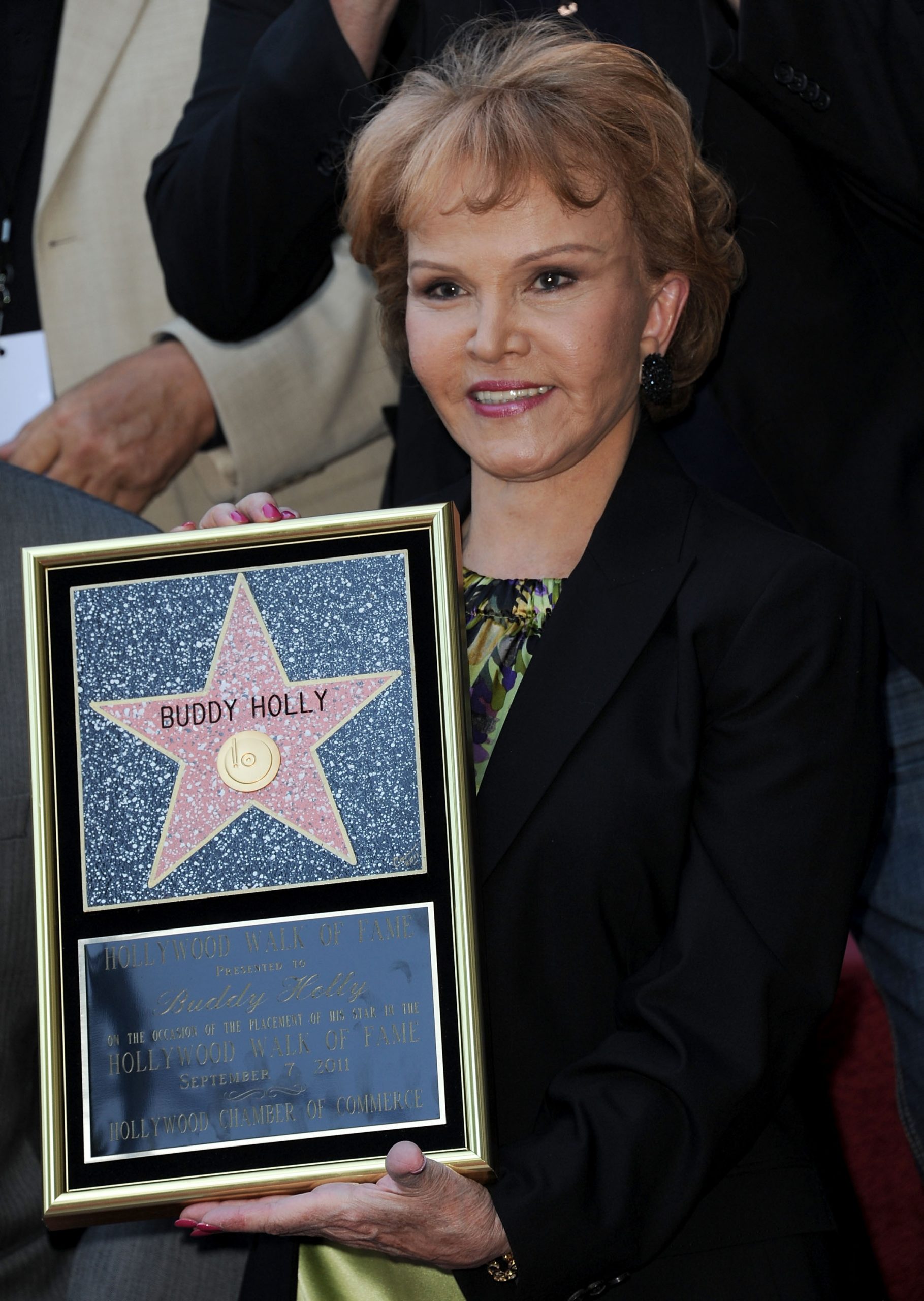
Maria Elena Holly Net Worth: The Legacy of a Rock and Roll Icon in 2026
As of 2026, Maria Elena Holly’s net worth is estimated to be approximately $10 million. Her wealth is primarily derived from her lifelong management of the intellectual property, music royalties, and licensing rights of her late husban...
As of 2026, Maria Elena Holly’s net worth is estimated to be approximately $10 million. Her wealth is primarily derived from her lifelong management of the intellectual property, music royalties, and licensing rights of her late husband, rock and roll pioneer Buddy Holly, through the Buddy Holly estate.
Contents
Since the tragic plane crash on February 3, 1959, known as "The Day the Music Died," Maria Elena Holly has served as the primary steward of one of the most influential catalogs in music history. Her role has transitioned from a grieving widow to a formidable businesswoman, ensuring that Buddy Holly’s image, name, and musical output remain protected and profitable more than six decades after his passing.
The Origins of the Holly Estate and Maria Elena’s Role
Maria Elena Santiago was working as a receptionist at Peer-Southern Music, a music publishing company in New York City, when she met Buddy Holly in 1958. Their relationship was a whirlwind; Holly proposed on their very first date, and they were married less than two months later. Because of her background in the music publishing industry, Maria Elena possessed an early understanding of the value of copyrights and artist representation—skills that would become critical following Buddy’s death.
At the time of Buddy Holly's death at age 22, he did not have a comprehensive will. Under the laws of the time, his estate was divided, but Maria Elena eventually secured the rights to his name, image, and the "Buddy Holly" trademark. This control has been the cornerstone of her financial stability. While Buddy’s career lasted only about 18 months in the national spotlight, the enduring nature of his hits like "That'll Be the Day," "Peggy Sue," and "Everyday" has ensured a consistent stream of mechanical and performance royalties.
Intellectual Property and Strategic Licensing
The majority of Maria Elena Holly’s net worth is tied to the strategic licensing of Buddy Holly’s persona. Unlike many estates that sold off rights to conglomerates in the early 21st century, Maria Elena remained highly selective about how Buddy’s image was used. This "scarcity" model helped maintain the premium value of the Holly brand.
Trademarking the "Holly Look"
One of the most savvy business moves made by the estate was the trademarking of Buddy Holly’s signature horn-rimmed glasses. In the world of music branding, these glasses are as recognizable as the Rolling Stones’ tongue or Prince’s symbol. By controlling the use of this silhouette, Maria Elena ensured that any commercial use—from eyewear lines to theatrical posters—required a licensing fee paid to the estate.
The Buddy Holly Story and Media Rights
The 1978 film The Buddy Holly Story and the long-running stage musical Buddy: The Buddy Holly Story provided significant financial influxes for the estate. These productions did more than just provide one-time payments; they introduced Buddy Holly’s music to younger generations, driving sales of "Greatest Hits" compilations and, later, digital streams. In the 2020s, the transition to high-fidelity streaming services has allowed the estate to capture revenue from a global audience that continues to discover 1950s rock and roll.
Legal Battles to Protect the Legacy
Maria Elena Holly has earned a reputation in the legal community for her fierce protection of her husband’s rights. She has been involved in numerous lawsuits against companies and individuals who attempted to use Buddy Holly's name or likeness without authorization.
These legal actions serve two purposes:
- Revenue Recovery: Ensuring that the estate receives its fair share of profits from unauthorized merchandise.
- Brand Integrity: Preventing the association of Buddy Holly with low-quality products or controversial movements that could diminish the long-term value of the estate.
For example, the estate has historically been very active in the state of Tennessee and Texas (Holly’s home state) regarding "Right of Publicity" laws. These laws allow the heirs of a celebrity to control their commercial image even after death. Maria Elena’s persistence in these legal arenas has set precedents that other music estates, such as those of Elvis Presley and Jimi Hendrix, have utilized to protect their own interests.
Financial Comparison: Legacy Music Estates
To understand the scale of Maria Elena Holly’s net worth, it is helpful to compare the management of the Holly estate with other iconic figures from the same era.
| Artist | Primary Heir/Executor | Estimated Estate Value (2026) | Primary Revenue Source |
|---|---|---|---|
| Buddy Holly | Maria Elena Holly | $10 Million | Licensing, Name & Likeness, Royalties |
| Elvis Presley | Elvis Presley Enterprises | $500 Million+ | Graceland Tourism, Global Licensing |
| John Lennon | Yoko Ono / Estate | $800 Million+ | Publishing, Beatles Catalog Rights |
| Ritchie Valens | Valens Estate | $5 Million | "La Bamba" Royalties, Film Rights |
Note: Estimates are based on public filings and industry analysis of music catalog valuations.
While the Holly estate is smaller than the Presley or Lennon empires, it remains highly profitable given the relatively short duration of Buddy’s active career. Maria Elena’s ability to maintain a multi-million dollar valuation based on only three studio albums is considered a masterclass in boutique estate management.
Philanthropy and The Buddy Holly Educational Foundation
In recent years, Maria Elena Holly has shifted some focus toward the Buddy Holly Educational Foundation. Co-founded with Peter Bradley, the foundation focuses on providing musical instruments and songwriting education to children who might not otherwise have access to them.
From a financial perspective, the foundation allows the estate to manage its tax liabilities while simultaneously increasing the "cultural capital" of the Buddy Holly brand. By donating "Buddy Holly" branded guitars and sponsoring songwriting retreats, the estate ensures that new musicians feel a personal connection to Buddy’s legacy. This philanthropic work ensures that the brand remains relevant in 2026, which in turn supports the ongoing commercial value of the music catalog.
Challenges in the Modern Music Economy
Managing a 1950s music catalog in 2026 presents unique challenges. The primary audience that grew up with Buddy Holly has aged, and the estate has had to pivot toward digital platforms.
- Streaming Royalty Rates: Like all legacy artists, the Holly estate must navigate the relatively low per-stream payout rates of platforms like Spotify and Apple Music. Success in this area relies on "playlist inclusion"—getting Buddy Holly tracks onto "Oldies But Goodies" or "History of Rock" playlists.
- Copyright Duration: In the United States, works published between 1923 and 1977 are protected for 95 years from the date of publication. This means Buddy Holly’s earliest hits will begin entering the public domain in the early 2050s. Maria Elena’s strategy has been to bolster trademark protections (which do not expire as long as they are in use) to compensate for the eventual loss of exclusive music copyrights.
- Hologram Technology: In the 2020s, the estate explored the use of "hologram" performances. While controversial among some fans, these digital tours represent a significant new revenue stream for legacy estates, allowing a "live" performance experience that can gross millions in ticket sales.
Frequently Asked Questions
Did Maria Elena Holly ever remarry?
Yes, Maria Elena Holly did remarry later in life and had children, but she has always maintained her role as the administrator of the Buddy Holly estate. Her private life has largely remained out of the tabloid spotlight, focusing instead on her professional duties regarding the Holly legacy.
How much does the estate earn from "The Day the Music Died"?
While it is difficult to pin down an exact annual figure, the anniversary of the February 3rd crash typically sees a 200% to 300% spike in streaming and sales for Buddy Holly’s music. This annual "cultural moment" contributes significantly to the estate’s yearly revenue.
Who will inherit the Buddy Holly estate after Maria Elena?
The estate's succession plan involves her children and the Buddy Holly Educational Foundation. Maria Elena has spent the last decade professionalizing the management of the estate to ensure it can function as a corporate entity regardless of individual heirs.
Does Maria Elena own the rights to all of Buddy's songs?
Not entirely. Many of the publishing rights were originally held by Norman Petty, Buddy’s producer and manager. Maria Elena spent years in legal disputes to recover as much of the publishing and royalty rights as possible. Today, the estate controls the "Author's Share" and significant trademark rights.
Where is Maria Elena Holly living in 2026?
Maria Elena Holly primarily resides in Texas and Florida. She remains semi-retired but still takes an active interest in major licensing deals and the activities of the Buddy Holly Educational Foundation.
Recommendation for Researchers and Fans
For those interested in the financial history of rock and roll, the story of Maria Elena Holly is an essential study in intellectual property management. Her success highlights the importance of controlling an artist's "Name, Image, and Likeness" (NIL) alongside their musical output.
If you are looking to support the legacy, the most direct way is through the Buddy Holly Educational Foundation, which converts the commercial success of the estate into tangible support for the next generation of musicians. For collectors, the estate’s official website remains the only verified source for authentic merchandise that directly benefits the preservation of Buddy Holly’s historical archives.
Image Gallery