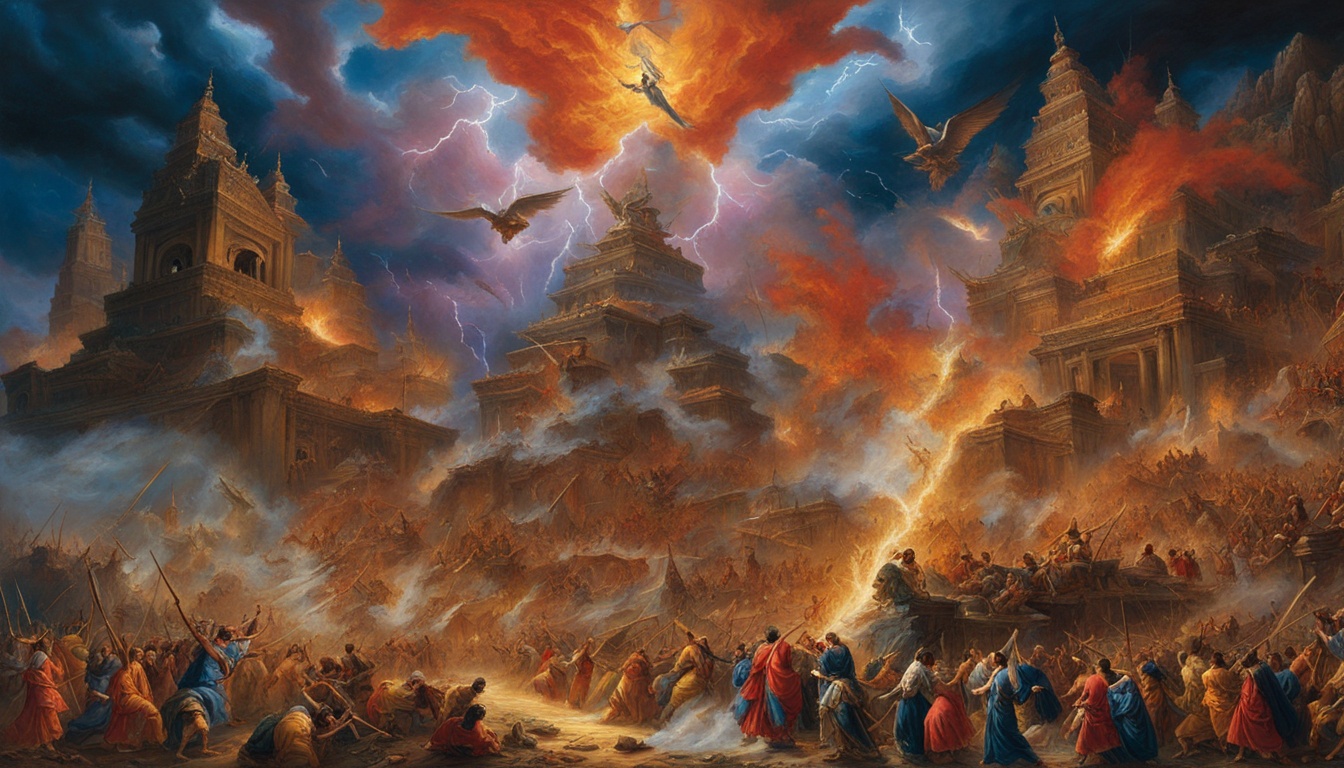
Understanding Spiritual Enemies: Frameworks, Identification, and Defense
In theological and spiritual traditions, spiritual enemies refer to forces, internal states, or influences that hinder personal moral integrity, spiritual maturity, and divine alignment. Historically categorized as internal desires (th...
In theological and spiritual traditions, spiritual enemies refer to forces, internal states, or influences that hinder personal moral integrity, spiritual maturity, and divine alignment. Historically categorized as internal desires (the flesh), corrupted societal influences (the world), or malicious unseen entities (spiritual forces), identifying these adversaries helps believers apply targeted spiritual disciplines and practical discernment.
Contents
The Threefold Framework of Spiritual Enemies
Across Western theology and classical philosophy, spiritual adversaries are traditionally grouped into three distinct categories: internal human vulnerabilities, external cultural structures, and metaphysical forces. This classical triad—often summarized in Christian theology as the flesh, the world, and the devil—provides a structured taxonomy for diagnosing spiritual vulnerabilities.
- Spiritual Enemies
- Internal (The Flesh)
- External (The World)
- Metaphysical (The Unseen)
The Flesh: Internal Passions and Human Vulnerability
The term "the flesh" (Greek: sarx in New Testament writings) does not refer to the physical body itself, but rather to human nature in its untamed, self-centered, or undisciplined state. This internal adversary represents egoism, unregulated instincts, emotional reactiveness, and habitual vices such as greed, envy, anger, and pride.
Because internal impulses originate within an individual's own cognition and emotional habits, the flesh is often considered the most persistent adversary. Internal spiritual enemies do not require external prompting to cause friction; they manifest as compulsive reactions, moral compromise, or spiritual apathy. Overcoming the flesh requires self-awareness, moral discipline, and consistent practices of self-restraint.
The World: Systemic Pressures and Cultural Conformity
In spiritual literature, "the world" refers to societal systems, values, and institutions that operate independently of—or in opposition to—spiritual truth, justice, and compassion. It encompasses cultural norms that normalize materialism, dehumanization, superficiality, and moral relativism.
Unlike internal struggles, external systemic forces exert passive, continuous pressure on individuals to conform. This occurs through peer pressure, cultural expectations, economic structures that reward exploitation, and media consumption. The danger of the world as a spiritual enemy lies in its subtle normalization; over time, individuals may adopt harmful values simply because they are widespread and socially accepted.
Metaphysical Forces: Unseen Opposition and Spiritual Warfare
The third category involves unseen metaphysical adversaries—traditionally described as demons, fallen angels, negative energetic entities, or personal evil entities depending on the faith tradition. In Judeo-Christian theology, Satan (literally meaning "the adversary" or "accuser") symbolizes a conscious spirit opposing divine order and human flourishing.
Metaphysical opposition is described as exploiting human weaknesses (the flesh) and systemic corruptions (the world) to foster deception, division, despair, and spiritual alienation. Recognizing metaphysical enemies requires discernment, distinguishing between external spiritual pressure, internal psychological struggles, and physical hardship.
Spiritual Enemies Across Major World Traditions
While terminology varies across global cultures and religions, the concept of opposing spiritual forces remains a common theme in human religious experience.
Abrahamic Perspectives (Christianity, Judaism, and Islam)
- Christianity: Emphasizes spiritual warfare described in texts like Ephesians 6:12, which highlights struggles against "principalities and powers." Christian doctrine views spiritual enemies through the triad of flesh, world, and devil, advocating faith, prayer, and moral integrity as primary defenses.
- Judaism: Focuses heavily on the internal dual inclinations of human nature: the Yetzer Hara (the inclination toward self-gratification or evil) and the Yetzer Tov (the inclination toward good). While Satan appears in the Hebrew Bible (such as in the Book of Job), the entity is generally understood as an agent under divine sovereign control acting as a prosecutor, rather than an independent rival power.
- Islam: Highlights the struggle against Iblis (Shaitan) and his unseen spirits (Jinn), alongside the battle against the Nafs al-Ammara (the self that incites evil). Islamic practice emphasizes Jihad al-Nafs (the greater struggle against the self) as the foundational spiritual battle, paired with seeking refuge in God through daily prayer (Salah) and remembrance (Dhikr).
Eastern Spiritual Traditions (Buddhism and Hinduism)
- Buddhism: Identifies spiritual enemies primarily as internal mental defilements, known as the Kilesas (poisonous mental states). The three primary poisons are ignorance (Avidya), attachment (Raga), and aversion (Dvesha). The mythological figure Mara symbolizes personified temptation, illusion, and spiritual death, attempting to obstruct enlightenment.
- Hinduism: Outlines the Arishadvarga—the six internal enemies of the mind: Kama (lust/desire), Krodha (anger), Lobha (greed), Moha (delusion/attachment), Mada (pride), and Matsarya (envy). Overcoming these mental obstacles through Yoga, Dharma (righteous living), and Bhakti (devotion) is essential for achieving liberation (Moksha).
Comparative Overview of Spiritual Enemies Across Traditions
The following matrix compares how major world traditions classify spiritual adversaries and their corresponding remedies:
| Tradition | Internal Enemy | External / Environmental Enemy | Metaphysical Adversary | Primary Spiritual Remedy |
|---|---|---|---|---|
| Christianity | The Flesh (Sarx / sinful nature) | The World (corrupt systems & values) | Satan / Demonic forces | Prayer, Scripture, Grace, Sacraments |
| Judaism | Yetzer Hara (evil inclination) | Social injustice & idolatrous culture | Satan (prosecuting angel under God) | Torah study, Mitzvot (commandments), Repentance |
| Islam | Nafs al-Ammara (lower self) | Worldly distractions (Dunya) | Shaitan / Corrupted Jinn | Salah, Dhikr, Fasting, Qu'ran recitation |
| Buddhism | Kilesas (the 3 Poisons: greed, anger, ignorance) | Samsaric attachment & social illusion | Mara (personification of temptation) | Mindfulness, Eightfold Path, Meditation |
| Hinduism | Arishadvarga (6 inner passions/vices) | Maya (world of cosmic illusion) | Asuras (demonic/disruptive entities) | Meditation, Dharma, Bhakti, Karma Yoga |
Distinguishing Spiritual Conflict from Mental and Physical Health Issues
A common challenge in spiritual counseling and personal discernment is mistaking psychological or neurological conditions for metaphysical attacks, or vice versa. Misidentifying mental health struggles as purely spiritual combat can prevent individuals from seeking necessary medical care.
| Spiritual / Moral Conflict | Psychological / Medical Health |
|---|---|
| • Moral dissonance or guilt | • Organic brain chemistry imbalance |
| • Loss of spiritual direction | • Clinical depression or anxiety |
| • Existential crisis or doubts | • Executive function impairment |
| • Relational ethical strain | • Trauma-induced hypervigilance |
When evaluating personal distress, a balanced framework considers multiple dimensions of health:
- Biological Factors: Executive dysfunction, mood fluctuations, and hallucinations often stem from neurochemical imbalances, sleep deprivation, hormonal changes, or neurological disorders. Medical evaluation by qualified healthcare professionals should always accompany spiritual care.
- Psychological Factors: Unresolved trauma, anxiety disorders, and chronic stress affect cognitive processing and emotional stability. These require evidence-based therapeutic interventions, such as cognitive-behavioral therapy (CBT).
- Spiritual Factors: Issues related to crisis of faith, moral guilt, existential isolation, or targeted spiritual oppression respond best to pastoral counseling, prayer, ethical recalibration, and community support.
Integrative care acknowledges that spiritual health and psychological health influence one another. A holistic approach utilizes medical care, psychological support, and spiritual disciplines concurrently.
Core Spiritual Practices for Defense and Resilience
Spiritual traditions emphasize proactive defense strategies focused on building character, mental clarity, and spiritual strength, rather than dwelling on adversarial power.
- Holistic Spiritual Defense
- Mind & Spirit
- Prayer
- Meditation
- Contemplation
- Body & Habit
- Fasting
- Restraint
- Clean Living
- Community
- Fellowship
- Mentorship
- Service
- Mind & Spirit
1. Prayer, Meditation, and Mindfulness
Regular contemplative practice strengthens focus and emotional self-regulation. Mindfulness allows individuals to observe internal negative impulses (the flesh or kilesas) without immediately acting upon them, weakening their habit loop.
2. Study of Sacred Texts and Wisdom Literature
Engaging with foundational spiritual literature provides a cognitive framework for interpreting life's challenges. In Christian tradition, truth is referred to as part of the "Armor of God" (Ephesians 6:14), equipping individuals to identify ideological deceptions.
3. Fasting and Voluntary Abstinence
Fasting helps train bodily desires, demonstrating that conscious intention can override physical appetite. Restraining physical appetites builds self-control, making individuals less susceptible to compulsive temptations.
4. Community and Ethical Accountability
Spiritual resistance is rarely effective in isolation. Active participation in a faith community provides accountability, practical support, and diverse perspectives, protecting individuals from self-deception and isolation.
5. Ethical Action and Active Service
Spiritual adversaries thrive in environments of self-centeredness and stagnation. Engaging in acts of charity, justice, and community service redirects attention outward, combating egoism while strengthening social and spiritual resilience.
Common Misconceptions About Spiritual Enemies
- Externalizing Personal Responsibility: Blaming spiritual entities for personal misdeeds or bad habits shifts accountability away from personal responsibility. Spiritual traditions emphasize self-examination before pointing to external causes.
- Hyper-Focus on Metaphysical Warfare: Excessive preoccupation with demonology, dark forces, or energetic attacks can foster fear and paranoia. Classical spiritual masters consistently teach that focusing on divine love, light, and ethical living is far more effective than obsessing over spiritual opposition.
- Rejecting Modern Science and Medicine: Treating all physical or psychological ailments purely as spiritual attacks can lead to preventable harm. Sound spiritual guidance encourages integrating medical science with faith.
Frequently Asked Questions
What is the primary difference between internal and external spiritual enemies?
Internal spiritual enemies originate within an individual's own mind, habits, and physical desires—such as pride, uncontrolled anger, or selfish desires (often called the flesh or nafs). External spiritual enemies exist outside the individual, consisting of corrupt cultural systems, societal pressures, or unseen spiritual entities that seek to influence human behavior.
How can someone tell if a struggle is spiritual or psychological?
A struggle is primarily psychological when it responds to medical, neurological, or therapeutic treatment, manifesting through recognized diagnostic criteria like neurochemical imbalances or clinical anxiety. A spiritual struggle typically centers on moral alignment, existential meaning, or crisis of faith. Because mind and spirit interact, seeking both medical evaluation and pastoral guidance offers the safest approach.
Are spiritual enemies viewed the same way in Western and Eastern religions?
No. Western (Abrahamic) religions often conceptualize spiritual enemies through both internal moral struggles and external, personified adversaries (such as Satan or demons). Eastern traditions (like Buddhism and Hinduism) primarily define spiritual enemies as internal mental defilements (kilesas or arishadvarga) and ignorance (avidya), focusing on internal purification and mental clarity.
What is meant by "the world" as a spiritual enemy?
"The world" does not refer to the physical Earth or natural creation, but to human societal systems, cultural norms, and institutions that promote selfishness, materialism, injustice, or moral indifference. It represents systemic social pressure to abandon spiritual integrity in exchange for wealth, status, or social acceptance.
What is the most effective defense against spiritual enemies?
Across traditions, the most effective defense combines internal self-discipline (fasting, mindfulness, self-restraint), regular contemplative practice (prayer, meditation, scripture study), active moral living (service, charity), and strong community accountability. Building internal spiritual resilience is consistently prioritized over engaging in direct conflict with external forces.
Recommended Next Steps
To effectively identify and address spiritual challenges in your daily life, consider the following practical steps:
- Conduct an Internal Audit: Spend quiet time writing down recurring emotional reactions, vices, or habitual behaviors that disrupt your peace or ethical principles. Identify whether these stem primarily from internal habits (the flesh) or external environmental triggers (the world).
- Establish Daily Spiritual Disciplines: Select two core daily practices—such as 15 minutes of silent meditation/prayer and reading wisdom literature—to build long-term spiritual awareness and mental resilience.
- Seek Balanced Guidance: If experiencing persistent distress, consult both a licensed medical or mental health professional and a qualified pastoral counselor or spiritual leader. This ensures both psychological and spiritual needs are addressed safely.
- Engage in Community: Join an active community group, study circle, or service organization that reinforces positive moral values and provides accountability.
EDITORIAL CATEGORY METADATA:
Image Gallery