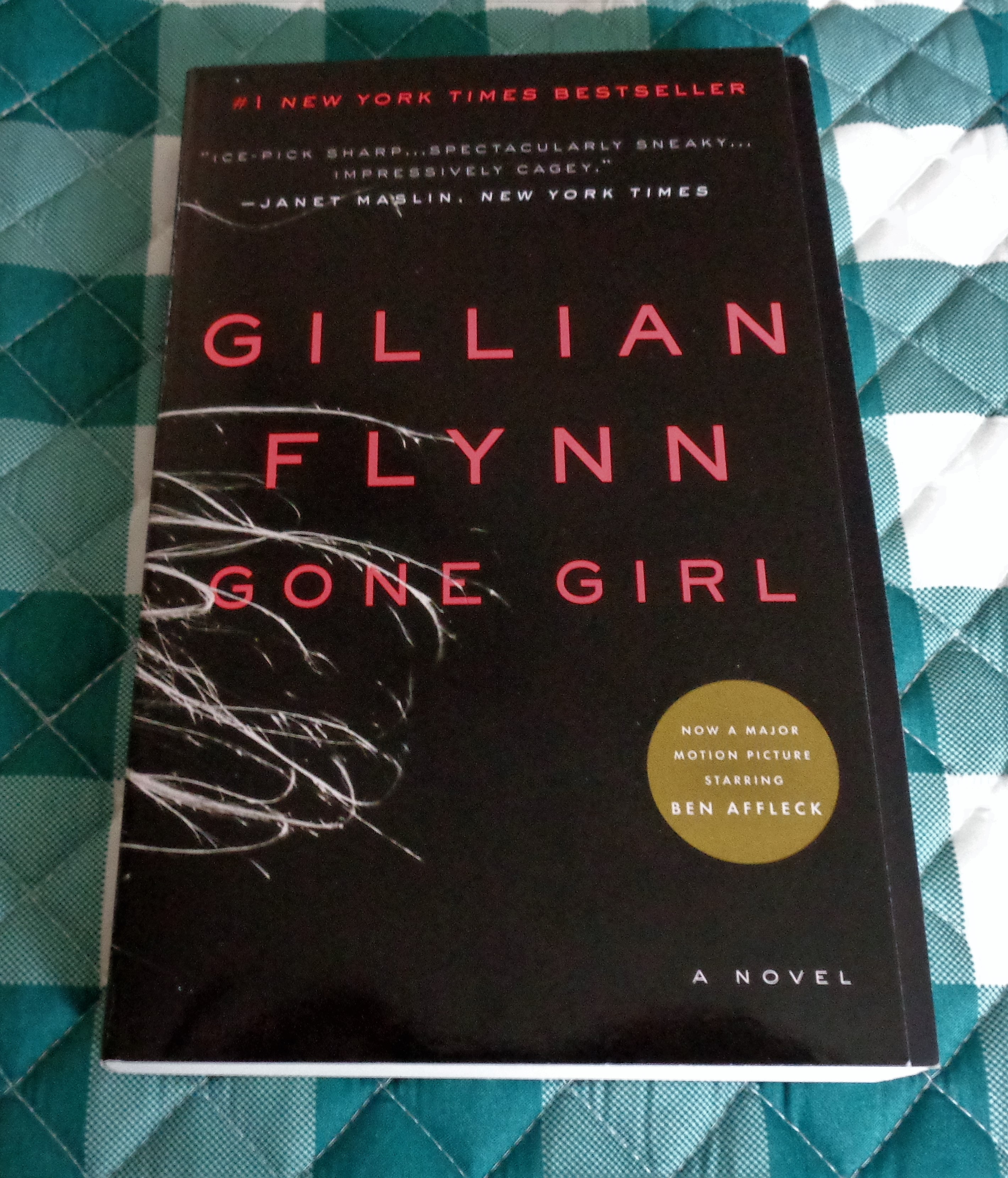
Unraveling the Deception: What Is the Twist in Gone Girl Novel?
The twist in Gillian Flynn's 2012 psychological thriller Gone Girl is that Amy Dunne is not actually dead; she has faked her own disappearance and meticulously framed her husband, Nick Dunne, for her murder as an act of revenge for his...
The twist in Gillian Flynn's 2012 psychological thriller Gone Girl is that Amy Dunne is not actually dead; she has faked her own disappearance and meticulously framed her husband, Nick Dunne, for her murder as an act of revenge for his infidelity and emotional neglect.
Contents
Introduction to a Modern Psychological Thriller Masterpiece
Gillian Flynn’s 2012 bestselling novel Gone Girl captivated millions of readers with its razor-sharp depiction of a toxic marriage, shifting perspectives, and shocking narrative turns. Set against the economic backdrop of a struggling Missouri suburb, the story begins as a classic missing-person mystery. On the morning of their fifth wedding anniversary, Nick Dunne discovers that his wife, Amy Elliott Dunne, has vanished under suspicious circumstances, leaving behind signs of a violent struggle in their living room.
As law enforcement, the media, and the public scrutinize Nick’s every move, his stoic demeanor and mounting falsehoods paint him as the prime suspect in a suspected homicide. However, the novel's structural core relies on a massive, narrative-altering revelation that subverts the traditional murder mystery genre. Far from being a helpless victim, Amy is the mastermind of a multi-layered revenge plot designed to ruin Nick's life entirely. Analyzing this twist requires a deep dive into the unreliable narrators, the thematic architecture of the book, and the precise mechanics of Amy's elaborate trap.
The Setup: The Disappearance of Amy Dunne
To understand the weight of the twist, one must first examine the meticulous buildup constructed in the first half of the novel. Flynn utilizes alternating first-person perspectives to establish the psychological baseline of the marriage. Nick’s chapters recount the frantic search for Amy, his interactions with Detective Rhonda Boney, and the crushing pressure of a relentless 24-hour news cycle. Concurrently, readers are given access to Amy’s diary entries, spanning from the early days of their courtship in Manhattan to their relocation to Missouri.
These diary entries present a portrait of a deteriorating relationship. Amy, the inspiration behind her parents' famous children's book series Amazing Amy, portrays herself as a woman growing increasingly terrified of her husband's escalating anger, financial recklessness, and physical intimidation. The evidence discovered by the police—including a living room struggle, maxed-out credit cards, purchases of pregnancy test kits, and chemical cleaning supplies—paints a damning picture. By the time the first half of the book concludes, the reader is positioned to believe that Nick Dunne is a callous, unfaithful husband who murdered his wife in cold blood.
The Revelation: The True Nature of Amy’s Disappearance
The narrative pivot occurs precisely at the midpoint of the novel, shattering the assumptions built by both the characters and the readers. Amy’s perspective shifts from the retrospective diary entries to a present-tense narrative, revealing that she is entirely alive and hiding out in a secluded Ozarks resort town.
The diary entries were a complete fabrication—every single word written over the course of years was designed to incriminate Nick in the event of her disappearance. Amy orchestrated the crime scene herself, purchasing the cleaning supplies, staging the forced entry, and even faking her own pregnancy using stolen samples. Her motivation is rooted in profound narcissistic injury and malice. After discovering Nick's affair with a much younger college student, Andover "Andie" Fitzgerald, and growing resentful of their forced move from New York to Missouri, Amy decides to execute the ultimate retribution. She wants Nick to experience the psychological terror of public condemnation, followed by the ultimate punishment: execution by lethal injection or life imprisonment.
| Narrative Element | Initial Perception (First Half) | Reality Revealed (The Twist) |
|---|---|---|
| Amy Dunne | Missing victim, abused wife, vulnerable subject | Mastermind, vengeful antagonist, unreliable narrator |
| The Diary | Genuine chronicle of a failing marriage | Fabricated evidence planted to frame Nick for murder |
| Nick Dunne | Suspected murderer, unfaithful and cold husband | Frustrated spouse targeted by a sociopathic plot |
| The Crime Scene | Staged by an intruder or a violent husband | Meticulously crafted by Amy to simulate her own homicide |
The Mechanics of the Frame-Up
Amy’s plan is chilling in its precision, highlighting her intellectual superiority and her obsessive need for control. She spent months planting a trail of breadcrumbs that would lead investigators directly to Nick. These clues included financial irregularities, forged journal entries left with a trusted friend to be opened in case of emergency, and simulated financial stress designed to make Nick look desperate.
Furthermore, Amy deliberately targeted specific societal biases. She knew that a missing attractive, affluent white woman would instantly command media attention, and she banked on the public's appetite for a villainous, unfeeling husband. To ensure Nick's conviction without a body, she utilized her knowledge of forensic investigation—gleaned from her parents' psychology background and her own research—to ensure DNA evidence pointed toward foul play while protecting her own tracks. She changes her appearance, cutting and dyeing her blonde hair, gaining weight, and adopting a nondescript persona to blend into a modest lakeside community.
The Psychological Complexity of the Characters
The brilliance of Gone Girl extends far beyond its plot mechanics; the twist serves as a vehicle for a biting social critique of modern marriage, identity, and public perception. Neither Nick nor Amy is a traditional hero or villain. Both characters wear masks, presenting curated versions of themselves to the world and to each other during their courtship.
Nick initially plays the role of the attentive, charming Manhattan intellectual, but eventually slips into apathy, misogyny, and entitlement once financial pressures mount and his mother falls ill. Amy, burdened by the psychological weight of her fictional counterpart Amazing Amy, constructs a persona of the "Cool Girl"—a woman who loves sports, drinks beer, and never complains—only to snap when she realizes Nick expects her to maintain that impossible standard while he drifts away. The twist forces readers to re-evaluate every interaction between the couple, exposing the performative nature of their relationship long before the disappearance took place.
The Aftermath and the Climax of the Novel
While the revelation that Amy is alive shifts the reader's understanding of the plot, it does not resolve the conflict; rather, it sets the stage for a darker, more complex second half. When Amy is robbed of her hidden cash by a former high-profile ex-boyfriend turned stalker, Desi Collings, she is forced to alter her plans. She manipulates Desi into sheltering her at his lake house, staging a captivity scenario, and eventually murders him on camera to validate her return.
Nick, meanwhile, discovers Amy is alive and realizes he must play a dangerous psychological game of his own. With the help of his twin sister, Margo, and a high-priced defense attorney, Tanner Bolt, Nick decides to play the grieving, reformed husband on national television. He appeals directly to Amy, acknowledging her brilliance and feeding her ego.
Amy returns to Nick, claiming she was kidnapped and abused by Desi, leaving Nick trapped in a domestic hostage situation. Because Amy is pregnant with a child conceived via frozen embryos—a final safeguard she implemented—Nick cannot leave her without losing his child to a mother he now knows is a psychopathic killer. The novel concludes with the couple trapped in a bizarre, mutually destructive symbiosis, having redefined the concept of a toxic union.
Frequently Asked Questions
Is Amy Dunne the villain of the novel?
Yes, Amy functions as the primary antagonist and an unreliable narrator. While Nick is deeply flawed, unfaithful, and emotionally distant, Amy’s actions involve premeditated murder, framing an innocent person for capital murder, and manipulating the legal system for personal revenge.
Why did Amy frame Nick instead of just divorcing him?
Amy viewed a simple divorce as a personal defeat and an admission that her marriage had failed. Framing Nick for her murder allowed her to inflict maximum psychological torture, ruin his reputation permanently, and exact absolute control over his destiny.
How does Nick discover the truth about Amy?
Nick figures out the truth by recognizing patterns in Amy's behavior, clues left behind in her fabricated diary, and realizing that the scavenger hunt she set up for their anniversary—a tradition from their past—contains specific geographic markers leading to the truth.
Did the movie adaptation keep the same twist as the novel?
Yes, the 2014 film adaptation directed by David Fincher and written by Gillian Flynn herself faithfully preserves the book's core twist, structural shift, and chilling conclusion, with Rosamund Pike portraying Amy Dunne and Ben Affleck as Nick Dunne.
Practical Takeaways for Readers and Writers
For readers approaching Gone Girl for the first time, approaching the narrative with an awareness of its unreliable narrators enhances the appreciation of Flynn's structural craftsmanship. For writers, the novel serves as a masterclass in misdirection, demonstrating how withholding perspective and weaponizing reader expectations can create a lasting cultural impact. When examining psychological thrillers, understanding that the greatest mysteries often lie not in external events, but in the dark, unexpressed motivations of domestic partners, remains the defining takeaway of Flynn's landmark work.
Image Gallery