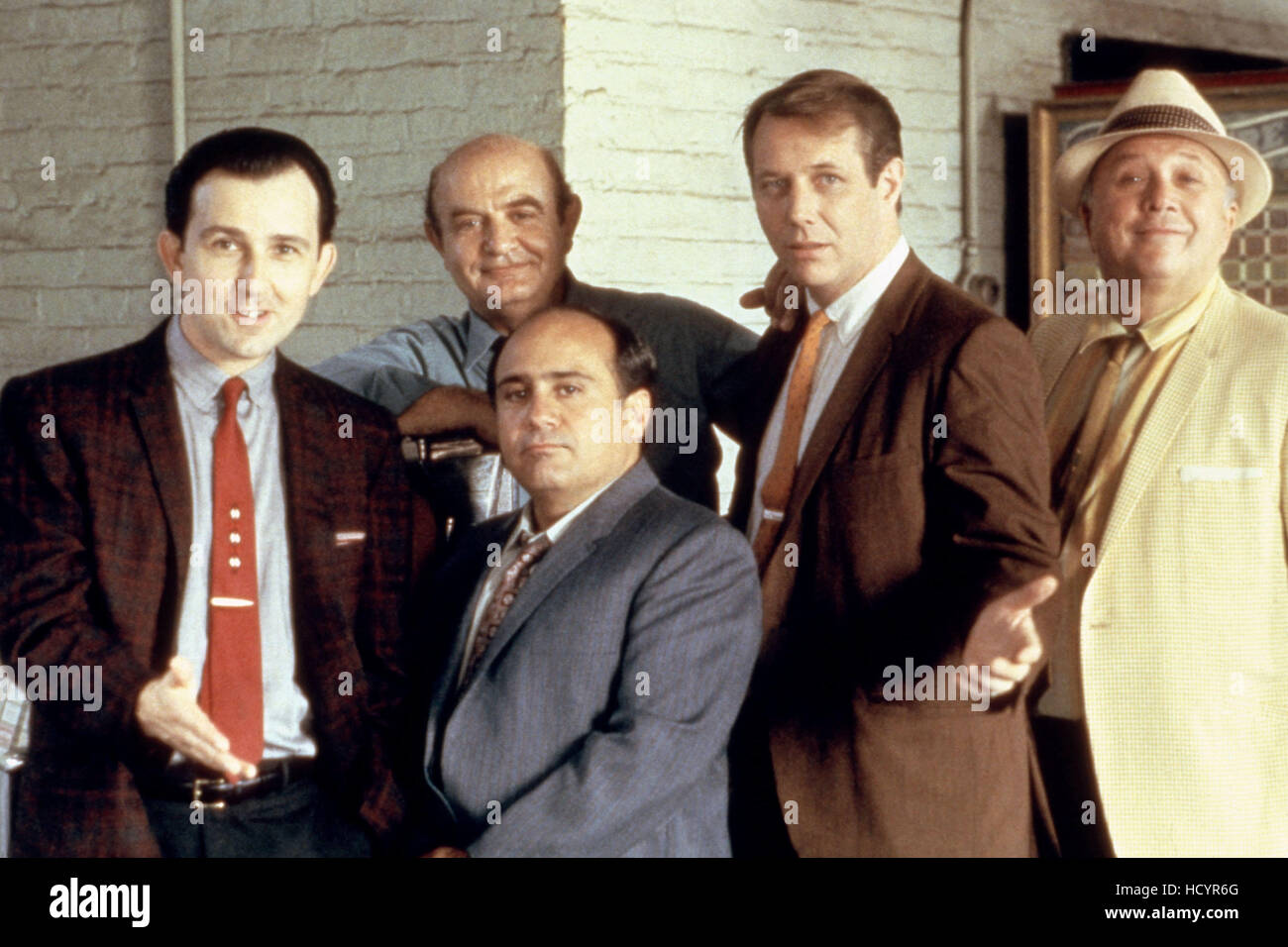
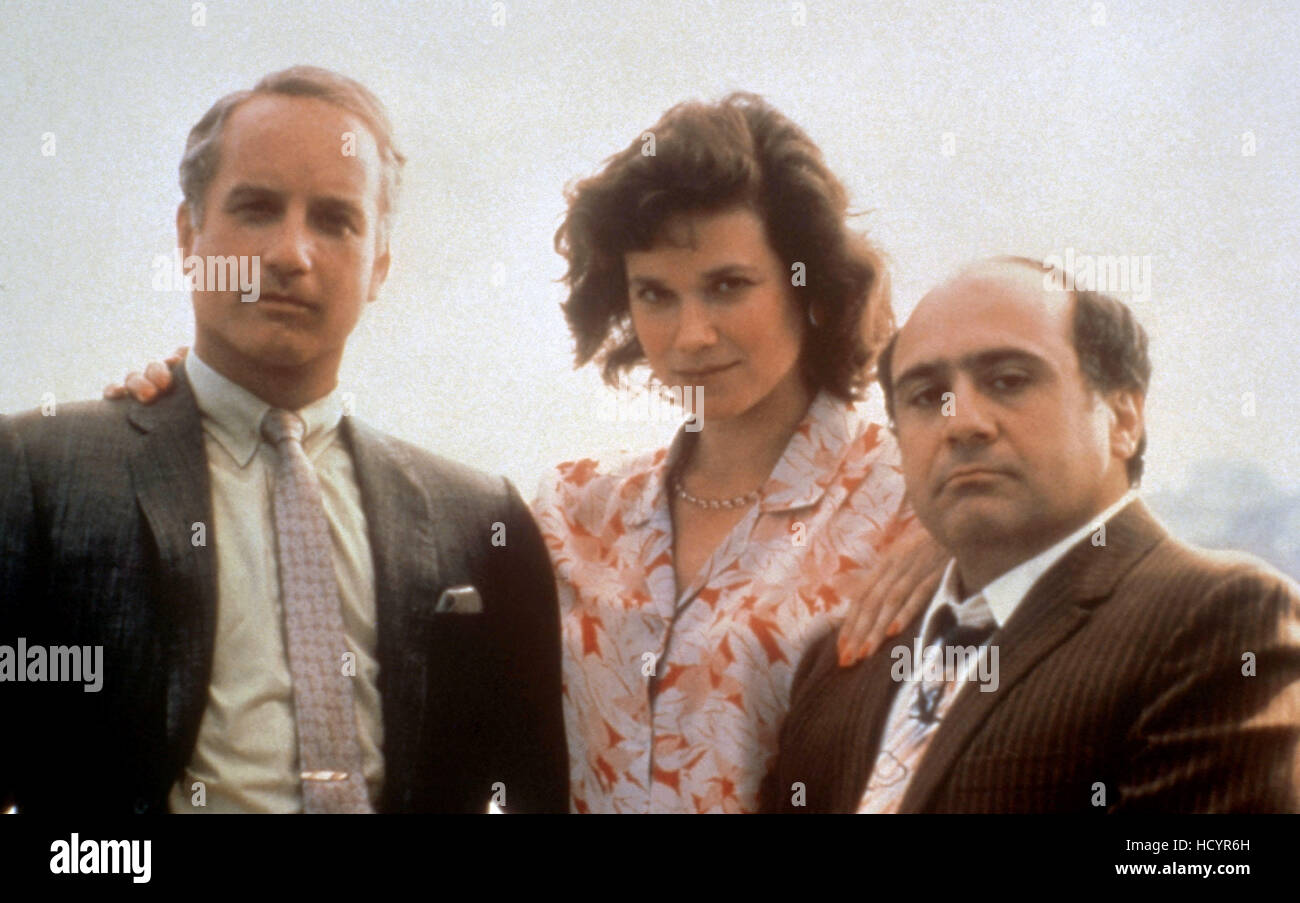
Danny DeVito and the Art of the "Hard Sell" in Tin Men: Analysis of the Iconic Sales Pitch
In Barry Levinson’s 1987 cinematic classic Tin Men, Danny DeVito’s character, Ernest Tilley, does not actually sell life insurance; he is a high-pressure aluminum siding salesman in 1963 Baltimore. The "life insurance" confusion often...
In Barry Levinson’s 1987 cinematic classic Tin Men, Danny DeVito’s character, Ernest Tilley, does not actually sell life insurance; he is a high-pressure aluminum siding salesman in 1963 Baltimore. The "life insurance" confusion often arises from DeVito’s later role in The Rainmaker (1997) or the specific psychological tactics he uses in Tin Men that mirror the aggressive insurance solicitation styles of the mid-20th century.
Contents
Disambiguating the "Life Insurance" Scene: Tin Men vs. The Rainmaker
When viewers search for the "Danny DeVito life insurance scene," they are frequently conflating two of his most iconic performances as a professional "hustler." To understand the specific mastery of the Tin Men performance, it is essential to distinguish the character of Ernest Tilley from DeVito's other sales-adjacent roles.
In Tin Men, the primary product is aluminum siding. The salesmen, known colloquially as "Tin Men," operate in a legal gray area, using high-pressure scripts to convince homeowners that their residences are deteriorating or that they have been selected for a "special" promotional opportunity. The confusion with life insurance is understandable; both industries in the early 1960s relied heavily on door-to-door solicitation, emotional manipulation regarding "protection" and "security," and the use of complex contracts that favored the seller.
Conversely, DeVito's role in the 1997 film The Rainmaker (directed by Francis Ford Coppola) features him as Deck Shifflet, a "paralawyer" who specializes in suing life insurance companies. Specifically, the plot revolves around a fraudulent life insurance claim involving a company called "Great Benefit." While The Rainmaker focuses on the legal fallout of insurance scams, Tin Men focuses on the execution of the pitch itself.
The Anatomy of the Tin Men Pitch: Ernest Tilley’s Tactics
The most famous "pitch" scene involving Danny DeVito in Tin Men occurs when his character, Ernest Tilley, attempts to close a deal using the "Advertising Scam." This scene is a masterclass in 1960s sales psychology. Tilley does not sell the product (siding) based on its material merits; he sells the idea of status and financial gain.
The "Model Home" Gambit
In this specific sequence, Tilley approaches a couple and suggests that their home has been "selected" by his company to serve as a "model home" for the neighborhood. He explains that they aren't just customers; they are partners in a marketing campaign. By framing the purchase as an "exclusive selection," he bypasses the homeowner's natural defensive posture regarding expenses.
The Photography Ruse
To solidify the lie, Tilley uses a camera as a prop—a tactic common among "Tin Men" of the era. He tells the homeowners that professional photographers will be coming by to take pictures of the "transformed" house for national magazines. This appeals to the vanity of the targets, making the installation of aluminum siding feel like a gateway to local fame rather than a construction project.
Creating False Urgency
Like modern life insurance sales tactics, Tilley relies on the "limited time window." He implies that if the homeowners do not sign the contract immediately, the company will move on to the house next door, and they will lose their "commission" (which is actually just a inflated price point masked as a discount).
Historical Context: Baltimore, 1963, and the Siding Boom
To appreciate the technical depth of DeVito's performance, one must understand the economic environment of 1963 Baltimore. This was the tail end of the "Golden Age" of door-to-door sales before the Federal Trade Commission (FTC) introduced the Cooling-Off Rule in the 1970s, which allowed consumers a three-day window to cancel door-to-door contracts.
In 1963, once a homeowner signed Ernest Tilley's contract, they were legally bound. The "Tin Men" were the pioneers of what we now call "churn and burn" sales. They were often independent contractors working for home improvement companies that prioritized volume over craftsmanship. The movie accurately depicts the "Diner Culture" where these men would gather to trade scripts, discuss their "touches" (successful sales), and lament the intervention of the "Revenue Men" (the IRS).
The Cadillac as a Symbol of Success
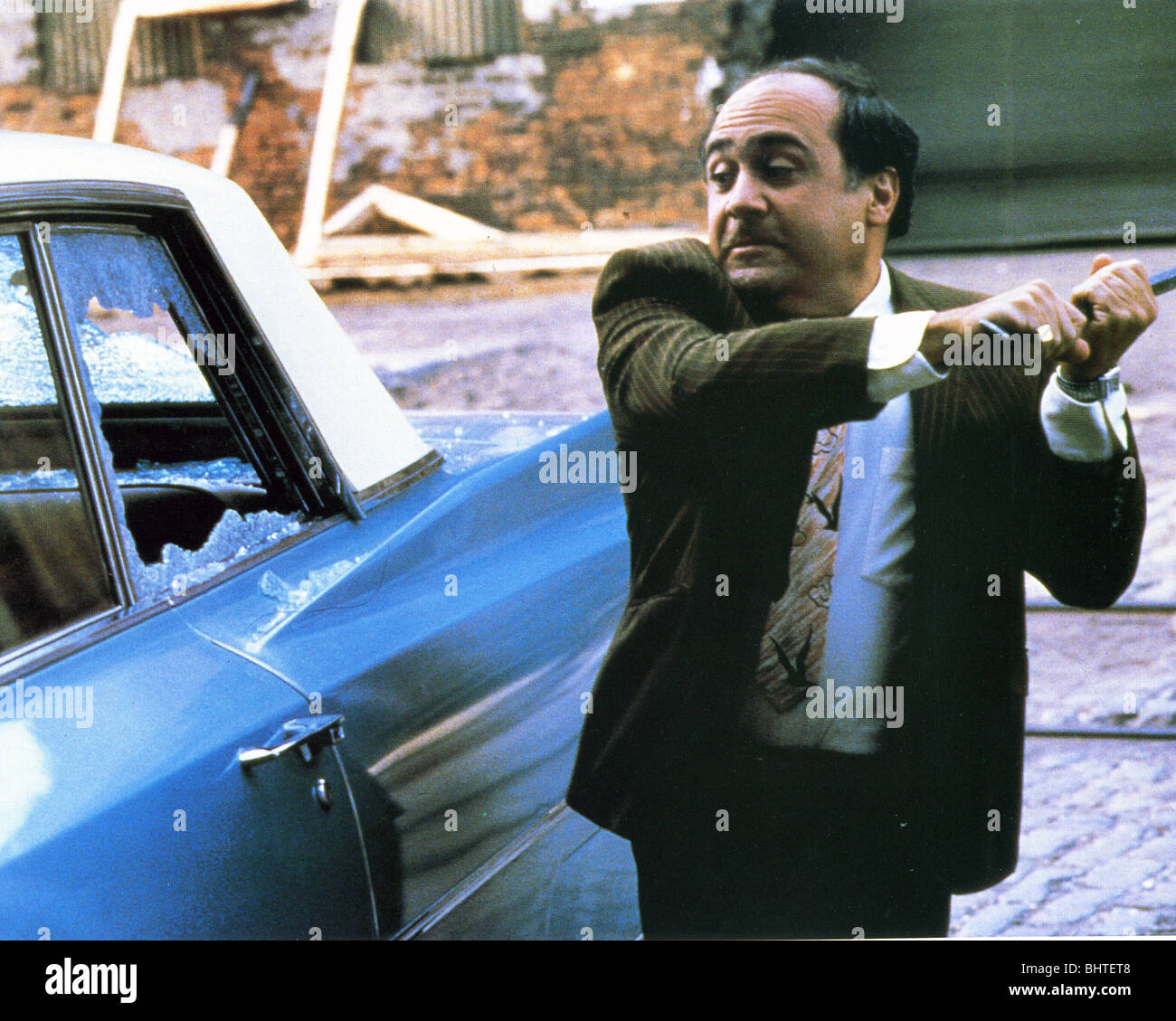
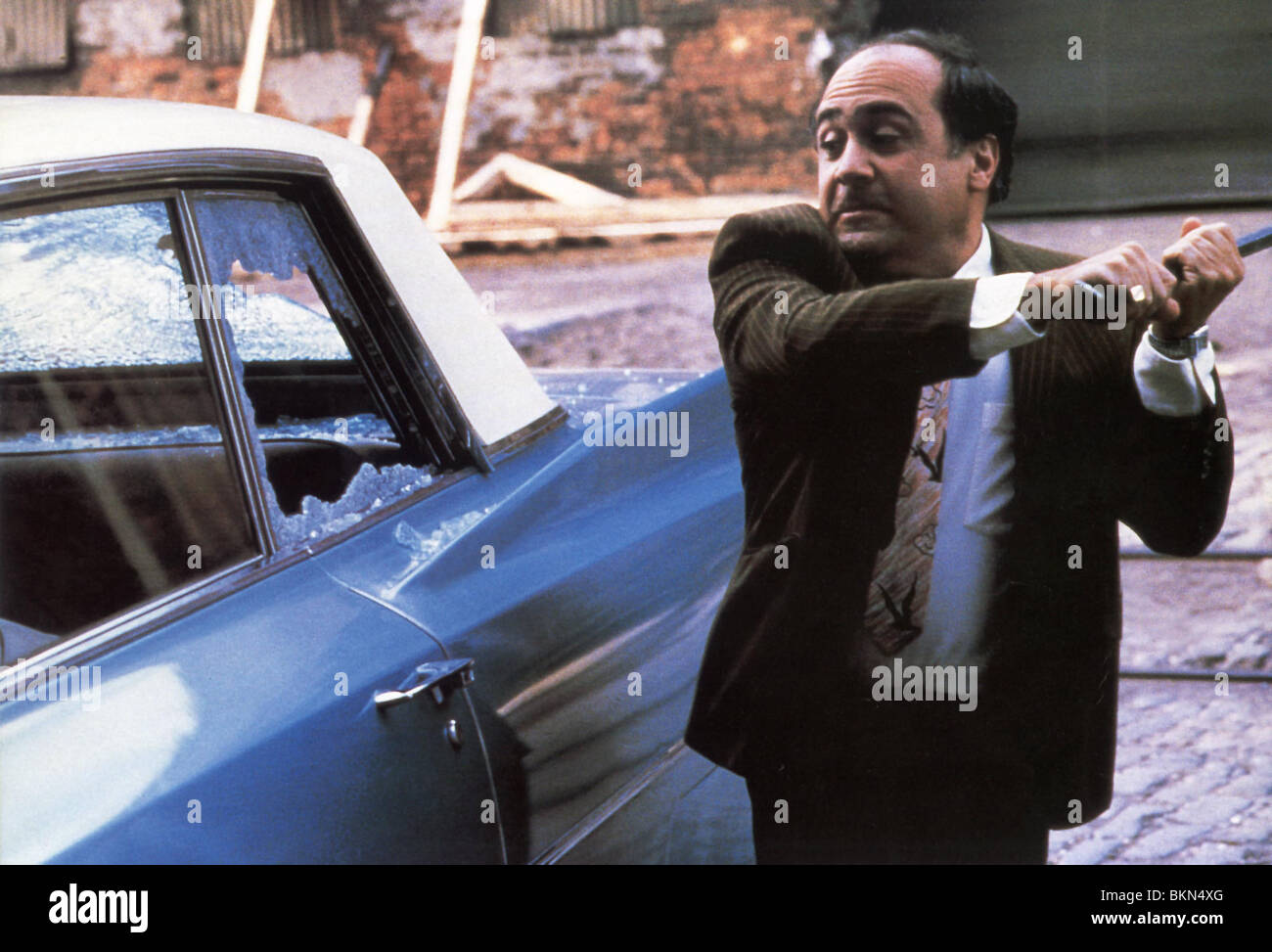
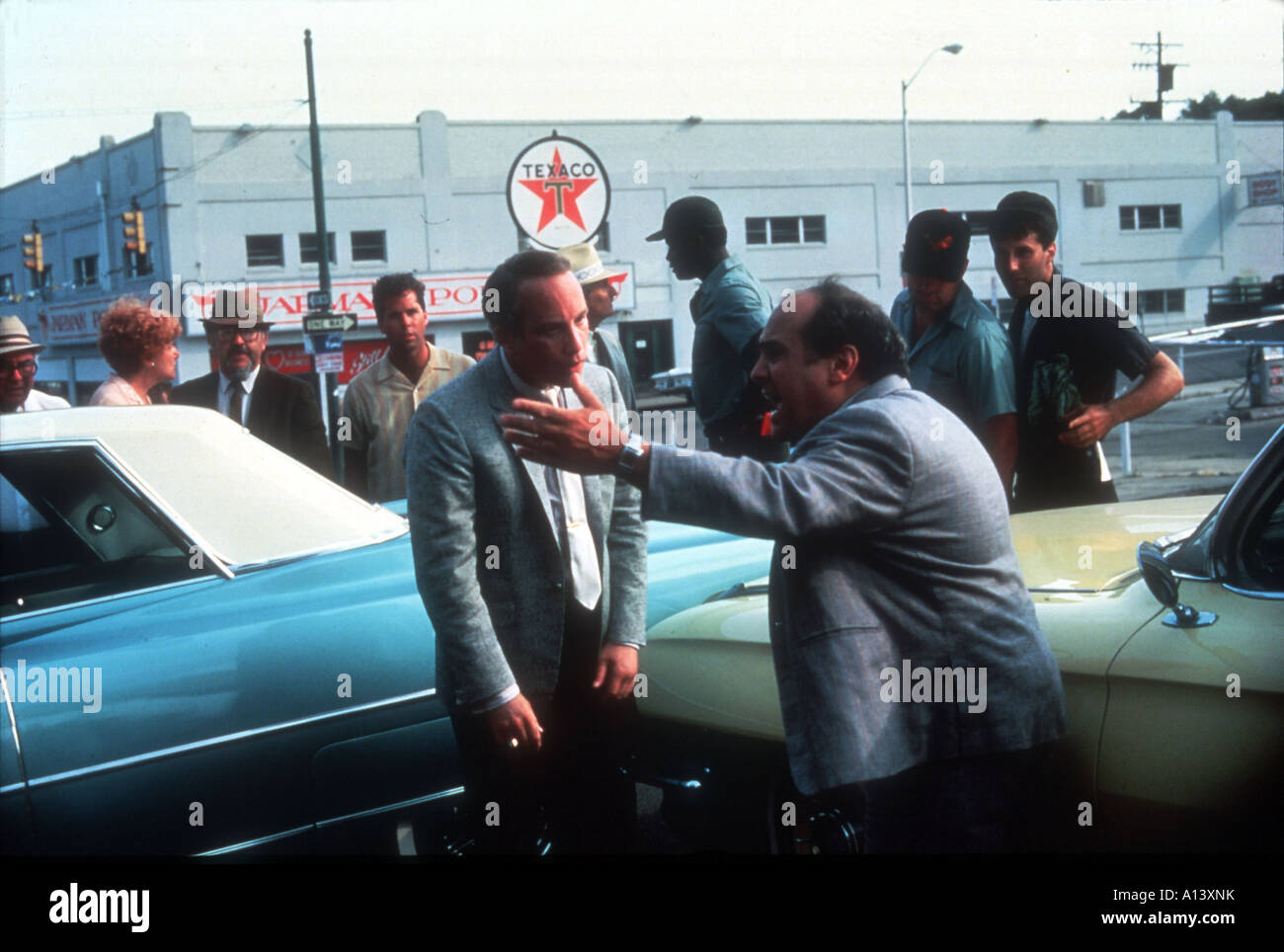
A recurring "scene" that viewers often mistake for a professional insurance discussion involves Tilley’s car. In the film, Tilley (DeVito) and his rival BB (Richard Dreyfuss) have a minor car accident involving their Cadillacs. The ensuing dispute is not just about insurance claims; it is about the "Salesman’s Image." In 1963, a Cadillac was the ultimate proof of a high-closing rate. When Tilley’s life begins to unravel due to an IRS investigation, his loss of the car signifies his loss of professional "protection"—a theme very closely linked to the concept of insurance.
Technical Breakdown of Sales Scripts in Tin Men
The film is celebrated by sales professionals for its accuracy in depicting "The Script." Below is a breakdown of the primary tactics used by DeVito and Dreyfuss in the film:
| Tactic Name | Core Narrative | Psychological Lever | Modern Equivalent (2026) |
|---|---|---|---|
| The Model Home | "Your house was chosen for a national ad campaign." | Ego and Vanity | Influencer "Gifted" Partnerships |
| The Mission to Mars | Using scientific jargon/space-age tech to explain siding. | Authority Bias | "AI-Powered" Marketing Claims |
| The Commission Split | "I'll give you my commission if you sign today." | Reciprocity/Scarcity | "One-time" Discount Codes |
| The Photographer | "We need to prep the house for the magazine shoot." | Social Proof | Fake Testimonials/User-Generated Content |
The "Rainmaker" Connection: Why the Confusion Persists
As we look back from the perspective of 2026, Danny DeVito has become a face for the "little guy" fighting systemic corruption, largely due to his role in The Rainmaker. In that film, his character, Deck Shifflet, is an expert on the "bad faith" practices of insurance companies.
The "Life Insurance Scene" that most people are actually looking for is the deposition scene or the hospital room scene from The Rainmaker, where DeVito explains how insurance companies systematically deny claims to boost profits. However, the energy of that performance was birthed in Tin Men. The fast-talking, cynical-yet-vulnerable salesman persona that DeVito perfected in 1987 as Ernest Tilley provided the foundation for his 1997 portrayal of an insurance industry whistleblower.
Tilley vs. BB: A Study in Sales Moral Bankruptcy
The rivalry between Ernest Tilley (DeVito) and Bill "BB" Babowsky (Dreyfuss) is the engine of the film. While Tilley is struggling—facing tax evasion charges and a crumbling marriage—BB is the "high flyer."
In the scenes where they attempt to "out-sale" one another, the film highlights a technical aspect of 1960s sales: The Takeaway. BB is a master of pretending he doesn't need the sale, which makes the customer want it more. Tilley, conversely, is often too "hungry," a technical error in high-ticket sales that leads to "commission breath," where the customer can sense the salesman's desperation.
This desperation is what makes the "Tin Men" scenes so poignant. They are selling a product that is essentially a thin sheet of metal, promising it will provide a lifetime of "insurance" against the elements, while their own lives are structurally unsound.
Common Questions Regarding Danny DeVito’s Sales Roles
What is the "Mission to Mars" pitch in Tin Men? This is a specific sales script used by the characters where they claim the aluminum siding was developed through technology used in the space program. It was designed to make a mundane home improvement product seem cutting-edge and "insured" against future obsolescence.
Does Danny DeVito ever play an insurance agent? Technically, no. In The Rainmaker, he plays a law school graduate who hasn't passed the bar (a "paralawyer") specializing in insurance lawsuits. In Tin Men, he is a siding salesman. He often plays characters adjacent to the insurance and legal industries because of his ability to handle fast-paced, jargon-heavy dialogue.
Which movie features DeVito suing an insurance company? That is The Rainmaker (1997). He assists a young lawyer (played by Matt Damon) in suing Great Benefit Life Insurance for refusing to pay for a bone marrow transplant.
What happened to the "Tin Men" industry? By the mid-1970s, increased regulation from the FTC and the rise of vinyl siding (which was cheaper and easier to install) largely ended the era of the high-pressure aluminum siding "hustler." In 2026, these tactics are mostly found in digital "high-ticket" coaching or predatory lending, rather than door-to-door home improvements.
Practical Recommendation for Viewers and Historians
If you are looking for the "Danny DeVito life insurance scene" to study sales tactics, you should watch Tin Men for the psychology of the pitch and The Rainmaker for the consequences of the scam.
For those interested in the history of consumer protection, Tin Men serves as an essential primary-source-style look at the world before the "Cooling-Off Rule." When watching DeVito in Tin Men, pay close attention to his hands and his eyes during the "Model Home" pitch; he uses his physical stature and constant movement to create a sense of "busy-ness" that prevents the homeowner from thinking clearly—a tactic still used by high-pressure closers in various industries today.
Image Gallery