The Sickle Hunger Games Controversy Explained
The sickle Hunger Games controversy refers to a widespread online uproar and debate sparked by promotional materials and creative choices surrounding the adaptation of Suzanne Collins's literary universe, specifically involving visual...
The sickle Hunger Games controversy refers to a widespread online uproar and debate sparked by promotional materials and creative choices surrounding the adaptation of Suzanne Collins's literary universe, specifically involving visual iconography, thematic messaging, and fan interpretations regarding political rebellion symbols and real-world medical or activist imagery.
Contents
Understanding the Roots of the Franchise's Cultural Impact
To understand why visual motifs and promotional campaigns surrounding Suzanne Collins's dystopian universe frequently spark intense public debate, one must look at the immense cultural footprint of the franchise. Beginning with the publication of the original The Hunger Games novel in 2008, followed by its blockbuster cinematic adaptations starting in 2012, the series established a permanent foothold in modern pop culture. The narrative follows Katniss Everdeen as she navigates a totalitarian regime known as Panem, where children are forced to participate in a televised death match.
Over the years, the imagery associated with the rebellion—most notably the three-finger salute—transcended fiction. Protesters around the world adopted the gesture in real-world political demonstrations against authoritarian governments in Southeast Asia and beyond. Because the intellectual property carries such heavy political and revolutionary weight, any new media, promotional rollout, or perceived cross-contamination with real-world symbols instantly attracts massive scrutiny, digital analysis, and fierce debate across social media platforms.
The Intersection of Dystopian Fictional Symbols and Real-World Events
Controversies surrounding media adaptations often arise when fictional aesthetics accidentally or intentionally mirror sensitive real-world political movements, public health crises, or historical tragedies. In the digital era, fan communities and media watchdogs scrutinize promotional trailers, posters, and marketing copy for subtext. When a franchise deeply rooted in themes of systemic oppression, wealth inequality, and political rebellion releases new content, viewers evaluate it through the lens of contemporary socio-political struggles.
This dynamic creates a volatile environment where creative choices can be interpreted in multiple ways. A visual motif intended by a studio marketing department to evoke a sense of gritty survival or dystopian decay may be read by audiences as a clumsy reference to contemporary activist symbols, labor strikes, or medical controversies. The friction point is almost always a perceived misalignment between corporate media entertainment and grave real-world issues.
Breakdown of Key Elements in the Controversy
| Element | Description | Public Reaction and Reception |
|---|---|---|
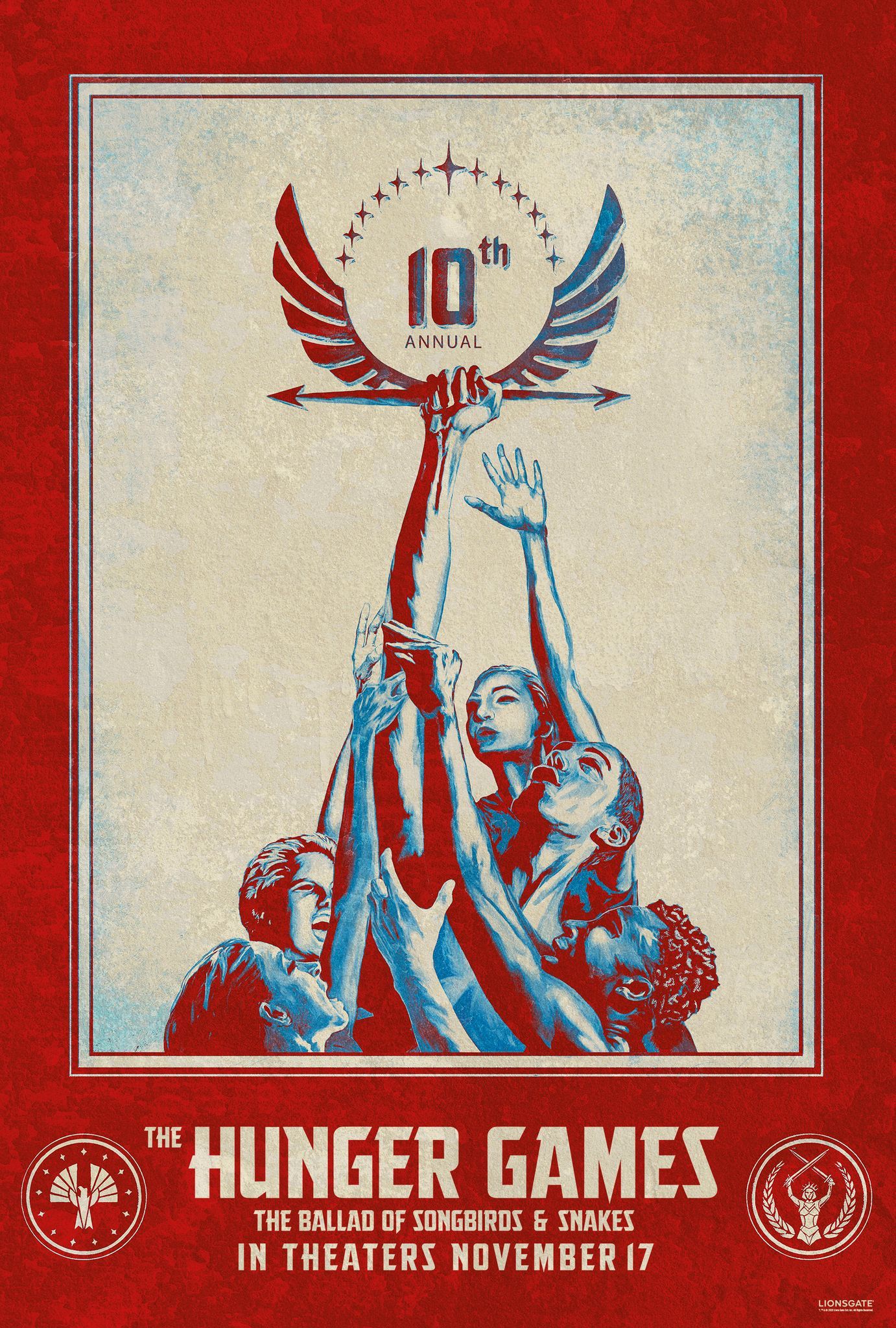
| Visual Iconography | Marketing materials and promotional imagery released by studios. | Sparked intense debate regarding stylistic choices and potential unintended real-world parallels. |
| Thematic Overtones | Exploration of rebellion, state control, and societal division within the narrative. | Drawn into real-world political and social discourse by online activist communities. |
| Fan Community Discourse | Online discussions, critiques, and viral interpretations across platforms like X and TikTok. | Amplified minor creative decisions into widespread digital controversies and trend topics. |
| Studio and Author Response | Official statements, clarifications, or adjustments made by rights holders. | Aimed to refocus attention on the original literary themes while managing public relations fallout. |
The Role of Social Media in Amplifying Cultural Debates
Modern controversies rarely stay confined to traditional news outlets or film review sites. Platforms driven by algorithmic engagement, such as TikTok, X (formerly Twitter), and Reddit, play a pivotal role in shaping how stories like the sickle Hunger Games controversy are framed and disseminated. In these spaces, nuance is frequently lost in favor of viral soundbites, out-of-context screenshots, and rapid speculation.
When a piece of promotional art or a specific phrase catches the attention of influential online commentators, it can transform into a full-scale controversy within hours. Users rapidly connect disparate concepts—such as fictional weaponry, medical terminology, and political symbols—creating a complex web of interpretation that studios struggle to untangle. This digital ecosystem ensures that even minor creative ambiguities are dissected by thousands of internet users, magnifying the perceived scale of the issue far beyond its original context.
Media Literacy and Critical Interpretation of Dystopian Fiction
The recurring controversies tied to dystopian media highlight a broader conversation regarding media literacy in the twenty-first century. Dystopian literature is explicitly designed to hold a mirror up to society, prompting readers and viewers to question authority, media manipulation, and systemic injustice. However, when audiences consume these works purely as entertainment franchises while simultaneously attempting to map them onto every modern political or social grievance, friction is inevitable.
Critics and cultural analysts frequently point out that while the franchise deals with heavy themes, it remains a commercial product produced by major entertainment conglomerates. This tension between anti-establishment narrative themes and corporate capitalism often fuels the skepticism underlying fan backlash. Understanding the controversy requires recognizing this inherent contradiction: a multi-billion-dollar entertainment enterprise utilizing radical revolutionary aesthetics to market consumer products.
Frequently Asked Questions
What is the core origin of the sickle Hunger Games controversy?
The controversy stems from intersections between fictional promotional imagery, dystopian rebellion symbols, and intense online interpretation, leading to public debates over the appropriateness of specific visual motifs and marketing strategies.
How do real-world political movements influence fictional media perception?
Because franchises like this feature themes of anti-authoritarian rebellion and societal collapse, global activist groups often adopt their symbols, causing audiences and critics to view subsequent promotional material through a heavily politicized lens.
Why do marketing campaigns for major franchises face intense online scrutiny?
Social media platforms reward rapid critique and viral analysis. Fans and digital commentators actively dissect trailers, posters, and PR statements for hidden meanings, unintentional insensitivities, or alignment with contemporary issues.
Are these controversies official legal disputes or purely cultural debates?
These occurrences are entirely cultural and discursive phenomena rather than formal legal battles. They play out primarily in digital public forums, opinion pieces, and fan communities rather than courtrooms.
What lessons do entertainment studios learn from these online backlashes?
Studios increasingly employ specialized cultural consultants and communication teams to review marketing materials ahead of release, attempting to anticipate and mitigate unintended interpretations or PR risks before they go viral.
Practical Recommendations for Following Media Controversies
When navigating complex online controversies surrounding major entertainment franchises, maintaining perspective is essential. To evaluate these situations accurately, consider the following approach:
- Verify Primary Sources: Always examine the original trailers, statements, or promotional materials directly rather than relying solely on third-party summaries or viral social media posts.
- Separate Fiction from Reality: Keep in mind that dystopian narratives are artistic creations intended to explore extreme hypothetical scenarios, not direct policy guides for the modern world.
- Examine Context: Look at who is driving the conversation online and whether the outrage is proportional to the actual creative material in question.
Image Gallery