What Causes Biodiversity Loss? The Five Direct Drivers and Indirect Pressures
Biodiversity loss is primarily driven by five direct human-induced factors: habitat destruction and land-use change, the overexploitation of natural resources, the accelerating impacts of climate change, widespread environmental pollut...
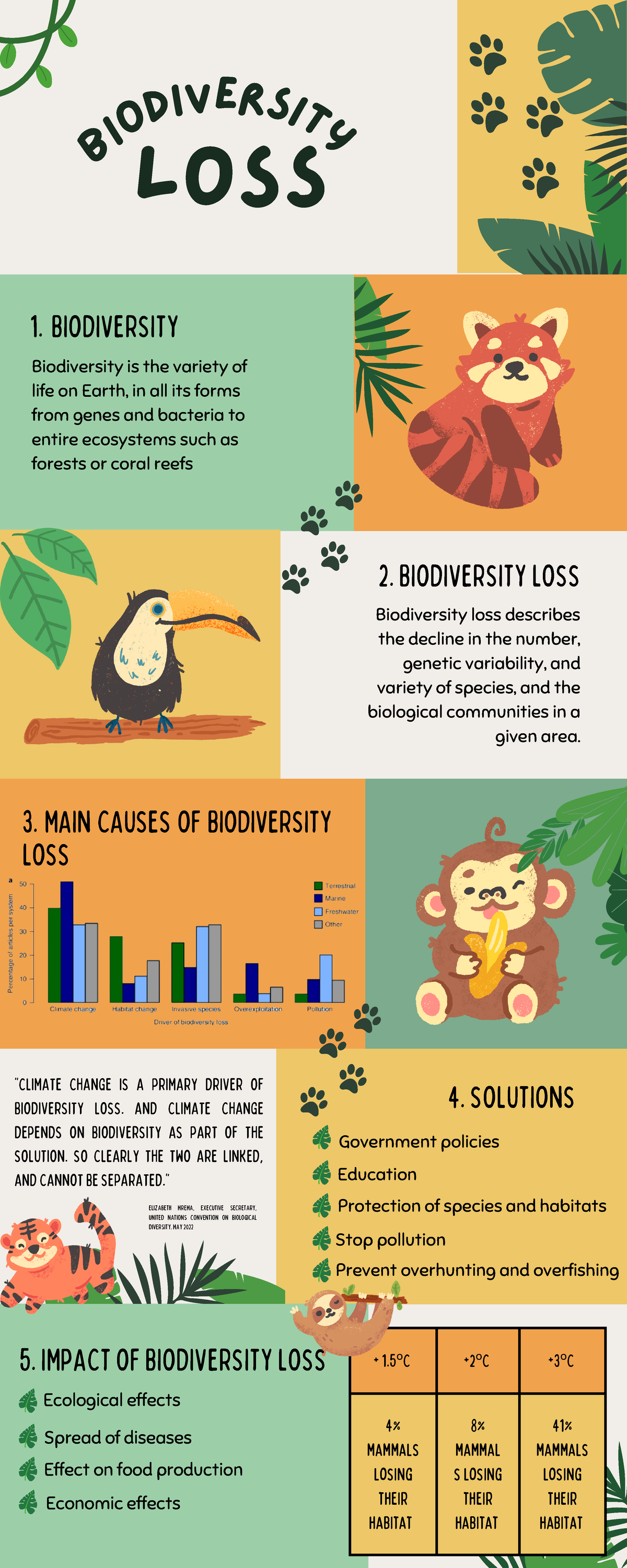
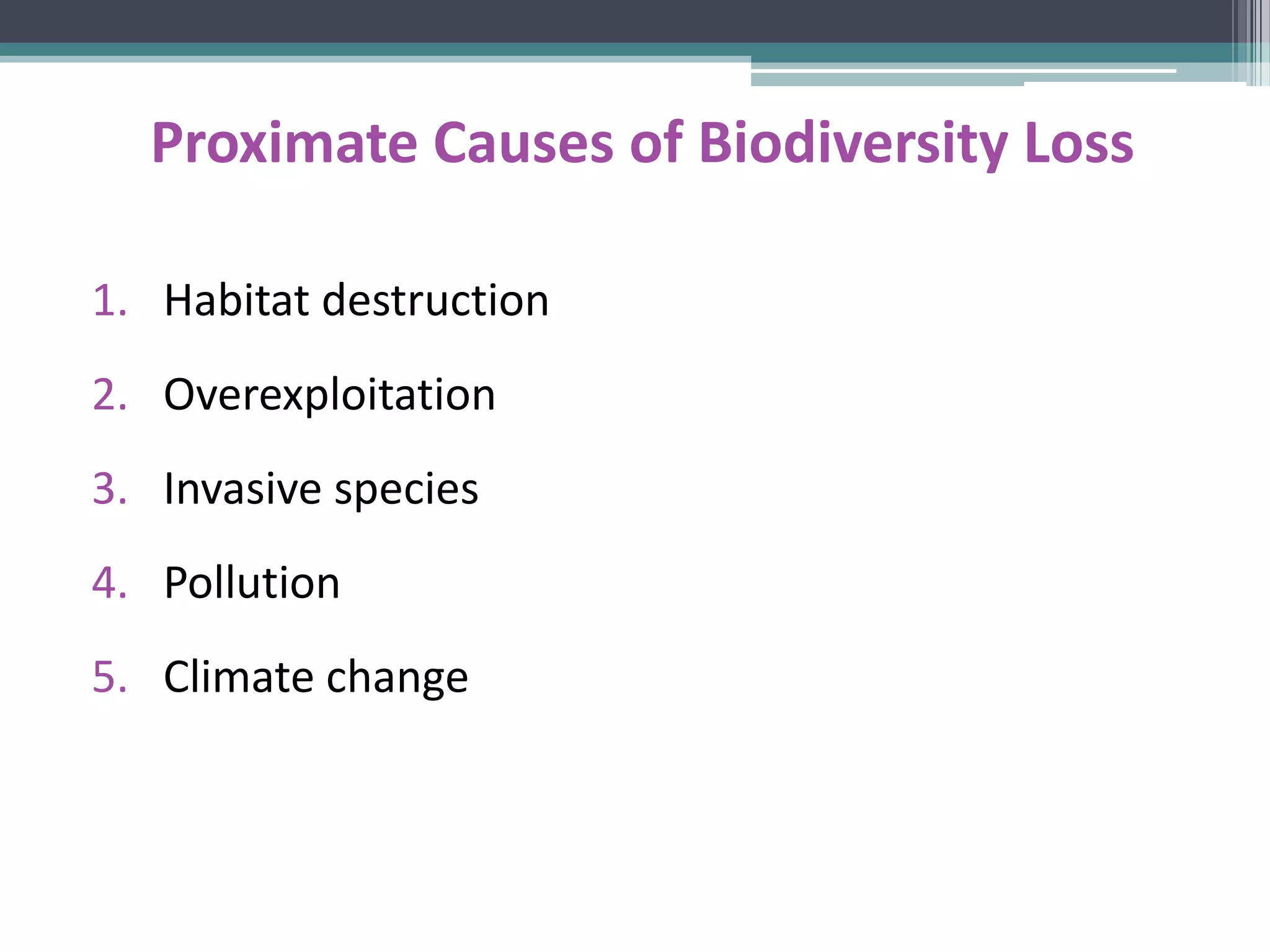
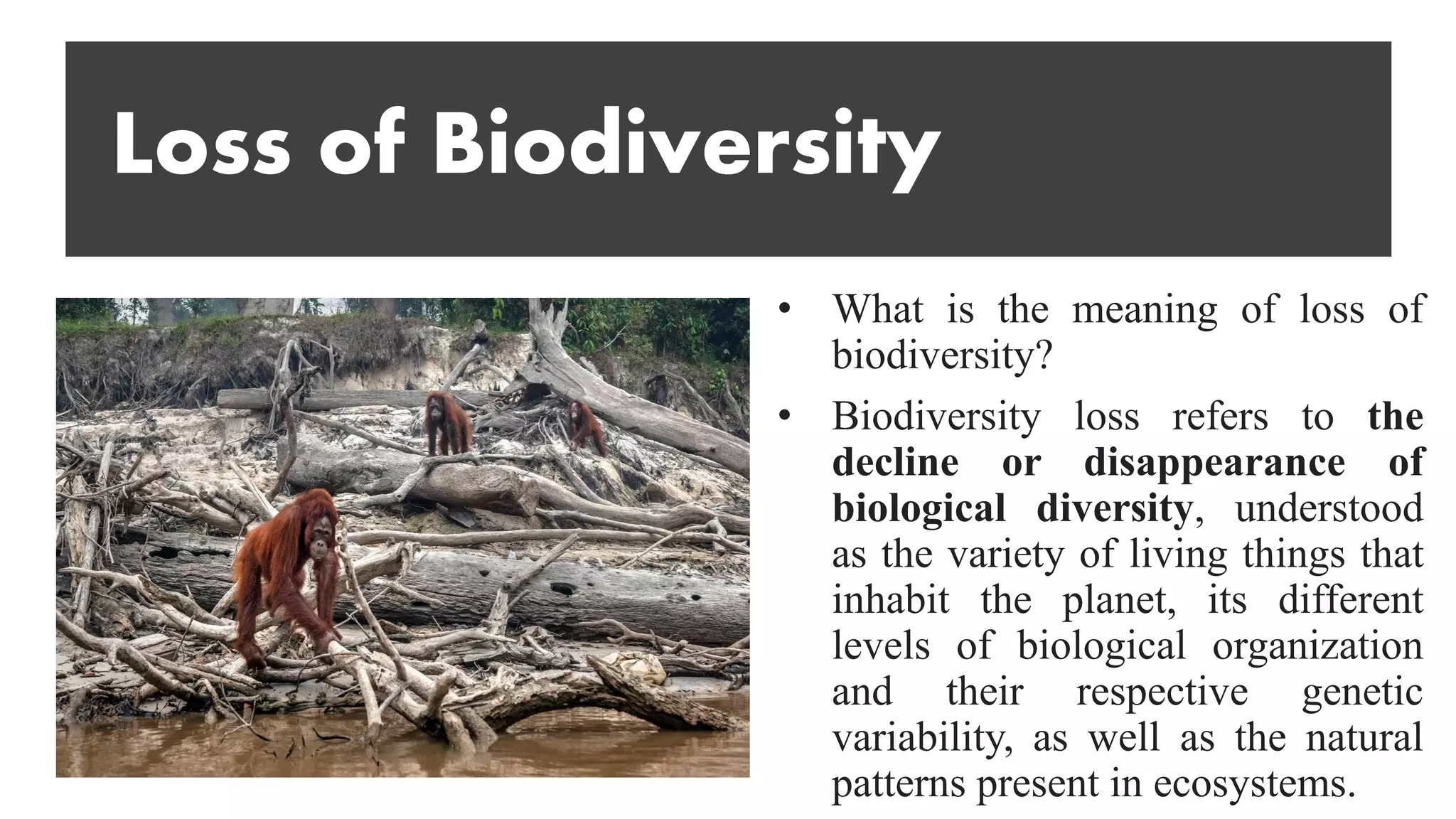
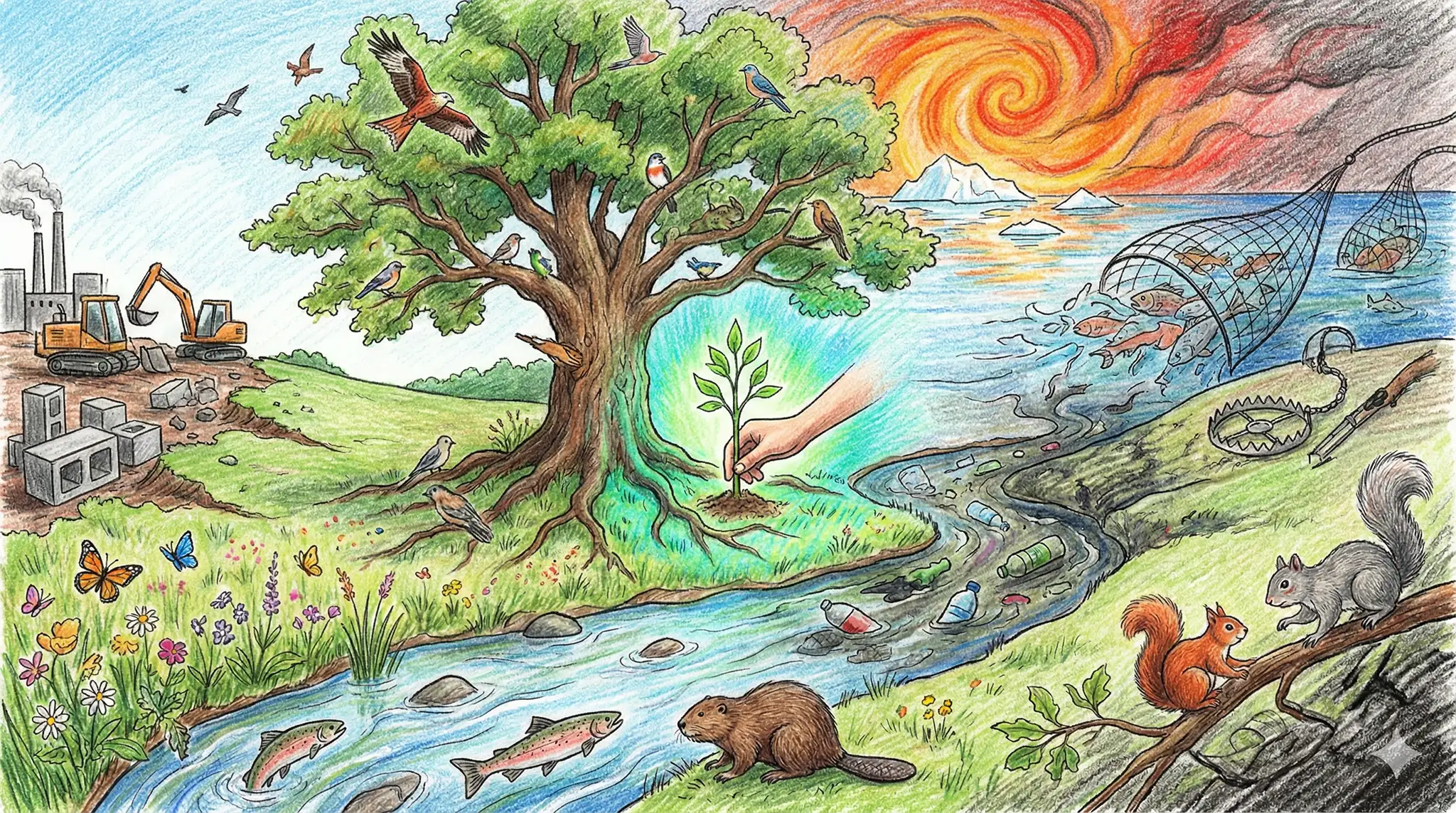
Biodiversity loss is primarily driven by five direct human-induced factors: habitat destruction and land-use change, the overexploitation of natural resources, the accelerating impacts of climate change, widespread environmental pollution, and the introduction of invasive alien species. These drivers interact synergistically, degrading ecosystems and pushing species toward extinction at rates unprecedented in human history.
Contents
The Primary Driver: Habitat Loss and Land-Use Change
The single greatest cause of biodiversity loss globally is the conversion of natural landscapes into human-dominated environments. Since the industrial revolution, and accelerating into the mid-2020s, the demand for food, fiber, and fuel has transformed over 75% of the Earth's terrestrial surface. When forests are cleared for agriculture or wetlands are drained for urban development, the species inhabiting those areas lose the resources necessary for survival.
Agricultural Expansion and Intensification
Agriculture is responsible for the vast majority of terrestrial habitat loss. As of 2026, the global food system remains the primary driver of deforestation, particularly in tropical regions like the Amazon Basin and Southeast Asia. The conversion of biodiverse forests into monocultures—such as palm oil plantations, soy fields, or cattle ranches—creates "biological deserts" where only a fraction of the original species can persist. Furthermore, the intensification of agriculture often involves the removal of hedgerows, meadows, and fallow land, which traditionally provided refugia for pollinators and small mammals.
Habitat Fragmentation
It is not merely the total loss of habitat that threatens biodiversity, but also the fragmentation of what remains. Infrastructure development, including road networks and urban sprawl, bisects continuous ecosystems into smaller, isolated patches. These fragments often lack the "core area" required by large predators and migratory species. Fragmentation also increases "edge effects," where the perimeter of a habitat is exposed to different microclimates, light levels, and increased predation, often leading to a gradual decline in the quality of the interior habitat.
Direct Exploitation of Organisms
Direct exploitation refers to the harvesting of species from the wild at rates faster than they can naturally recover. This includes industrial-scale fishing, logging, and the illegal wildlife trade. For many marine and forest-dwelling species, overexploitation remains a more immediate threat than habitat loss or climate change.
Overfishing and Marine Depletion
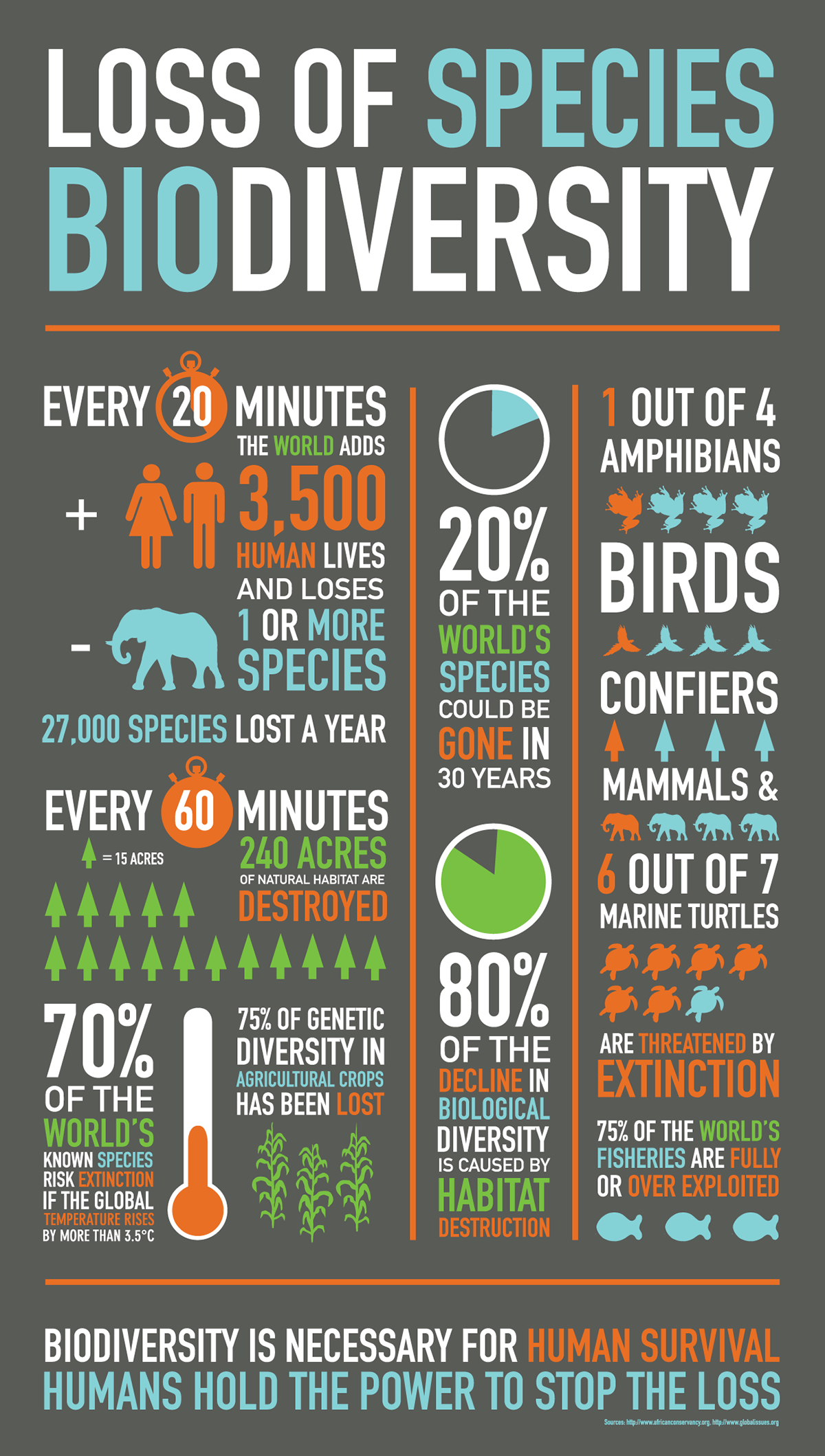
The global fishing industry has historically overexploited more than a third of assessed fish stocks. By 2026, the use of advanced sonar, massive trawl nets, and longlines has reached even the most remote corners of the high seas. Bottom trawling is particularly destructive, as it not only removes target species but also destroys the seafloor habitats—such as coral reefs and seagrass beds—that serve as nurseries for marine life. The incidental capture of non-target species, known as bycatch, results in the deaths of millions of sharks, sea turtles, and seabirds annually.
The Illegal Wildlife Trade and Poaching
Beyond subsistence hunting, the commercial trade in wildlife for medicine, pets, and luxury goods continues to decimate populations of high-value species. Rhinoceroses, elephants, and pangolins are well-known victims, but thousands of lesser-known plants, reptiles, and songbirds are also harvested to the point of local extinction. This extraction disrupts the ecological roles these species play, such as seed dispersal or apex predation, causing "trophic cascades" that destabilize entire ecosystems.
The Accelerating Impact of Climate Change
While habitat loss has been the historical leader in biodiversity decline, climate change is rapidly becoming a dominant driver. By 2026, the physiological limits of many species are being tested by rising mean temperatures, increased frequency of extreme weather events, and shifting seasonal patterns.
Phenological Mismatch
Climate change causes shifts in the timing of biological events, such as flowering, migration, and breeding. When these events no longer align between interacting species, a phenological mismatch occurs. For example, if an insect species emerges earlier in the spring due to unseasonably warm temperatures, but the migratory birds that feed on them have not yet arrived, both populations may suffer. This disruption of ecological "timing" can lead to reproductive failure and increased mortality across the food web.
Range Shifts and Local Extinctions
As their local environments become uninhabitable, many species attempt to migrate toward the poles or higher altitudes. However, many species lack the mobility to move fast enough, or they find their paths blocked by human infrastructure. In montane ecosystems, "mountain-top extinction" occurs when species already living at high altitudes have nowhere higher to go as the climate warms. Similarly, in the oceans, warming waters and acidification (caused by the absorption of CO2) are causing massive coral bleaching events, threatening the 25% of all marine life that depends on coral reefs.
Pollution and Environmental Toxification
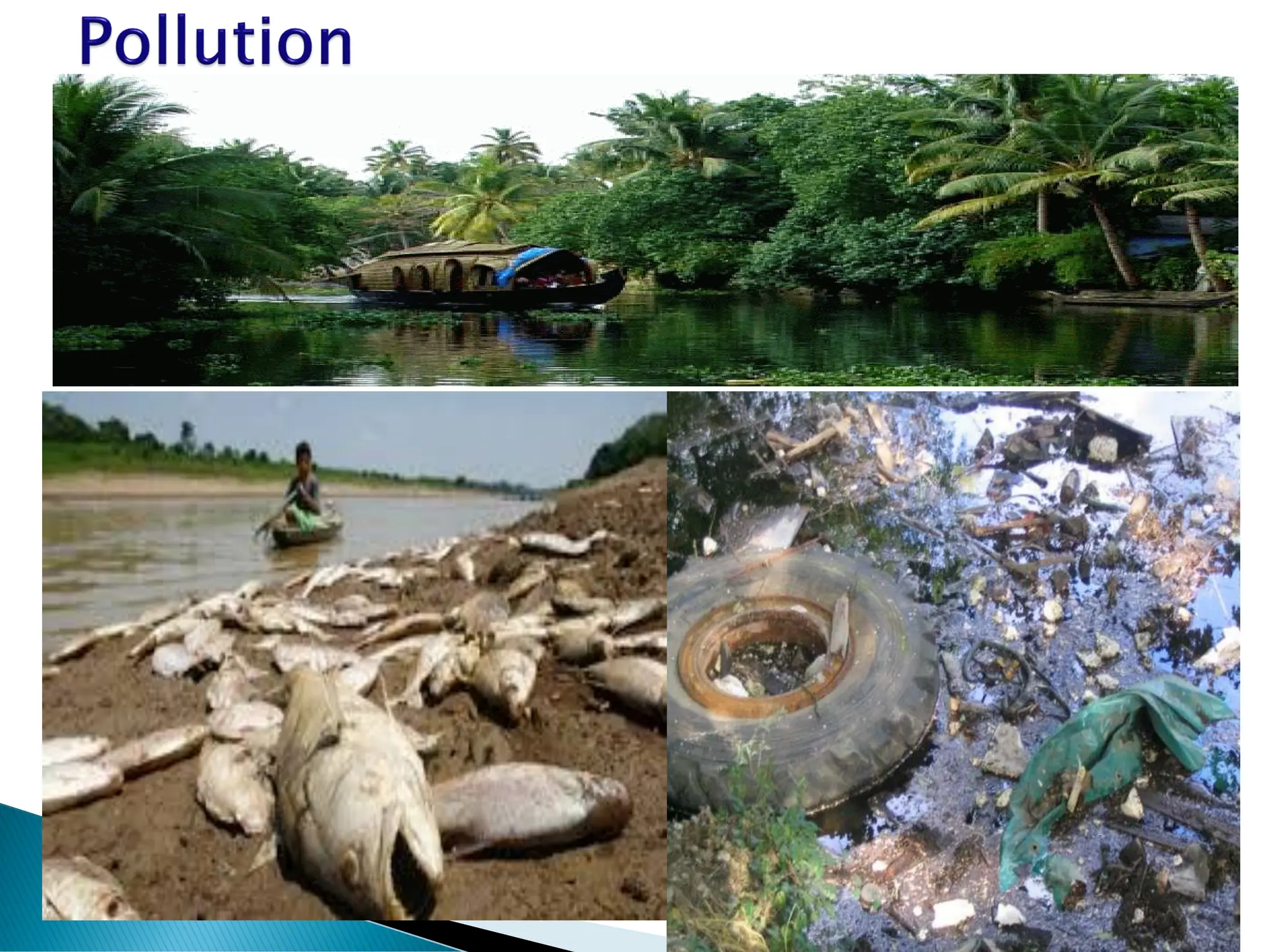
Pollution in its many forms—chemical, plastic, and nutrient—acts as a persistent stressor on biodiversity. It rarely kills all individuals instantly but reduces reproductive success and weakens immune systems.
Nutrient Loading and Eutrophication
The excessive use of nitrogen and phosphorus in fertilizers leads to runoff into freshwater and marine systems. This process, known as eutrophication, triggers massive algal blooms. When these blooms die and decompose, they consume the oxygen in the water, creating "dead zones" (hypoxia) where most aquatic life cannot survive. Major dead zones, such as those in the Gulf of Mexico and the Baltic Sea, have become permanent features of the global landscape.
Plastic and Chemical Contaminants
Macro-plastics kill millions of marine animals through entanglement and ingestion. However, microplastics and chemical pollutants like PFAS (per- and polyfluoroalkyl substances) pose a more insidious threat. These "forever chemicals" bioaccumulate in the fatty tissues of animals and biomagnify as they move up the food chain. Apex predators, including orcas and eagles, often carry the highest toxic loads, which can lead to endocrine disruption and plummeting birth rates.
Invasive Alien Species
The globalization of trade and travel has facilitated the movement of species into regions where they do not naturally occur. When these species lack natural predators in their new environment, they can become invasive, outcompeting or preying upon native wildlife.
Displacement of Native Flora and Fauna
Invasive species often possess traits that allow them to dominate new landscapes, such as rapid reproduction or generalist diets. On islands, the impact is particularly devastating; invasive rats, cats, and snakes have been responsible for the majority of bird extinctions over the last century. Invasive plants, such as kudzu or Mediterranean grasses, can completely alter the fire regime or soil chemistry of an area, making it impossible for native plants to return.
| Driver | Primary Mechanism | Estimated Impact | Key Examples |
|---|---|---|---|
| Land-Use Change | Deforestation, urbanization, and agricultural expansion. | Very High (Terrestrial) | Amazon deforestation for cattle ranching. |
| Overexploitation | Unsustainable harvesting, fishing, and poaching. | Very High (Marine) | Industrial overfishing of Bluefin Tuna. |
| Climate Change | Rising temperatures, ocean acidification, and extreme weather. | Increasing Rapidly | Coral reef bleaching; Arctic sea ice loss. |
| Pollution | Chemical runoff, plastic waste, and heavy metals. | High (Aquatic) | Dead zones in the Gulf of Mexico due to nitrogen. |
| Invasive Species | Introduction of non-native species via global trade. | Very High (Islands) | Brown tree snake in Guam; Zebra mussels in Great Lakes. |
Indirect Drivers: The Root of the Problem
The five direct drivers are themselves fueled by underlying socio-economic and institutional factors. Understanding "what causes biodiversity loss" requires looking at why human activity is so intensive.
- Demographic Changes: As the human population grows and urbanizes, the demand for land and resources increases.
- Economic Systems: Modern economic models often fail to account for the "negative externalities" of production, such as the cost of environmental degradation.
- Technological Innovation: While technology can provide solutions, it has historically increased the efficiency of resource extraction (e.g., deep-sea mining and industrial logging).
- Governance and Policy: Weak environmental regulations or the lack of enforcement in protected areas allows illegal exploitation to flourish.
The IPBES Global Assessment Report remains the gold standard for understanding these interactions, highlighting that a "transformative change" in our economic and social systems is the only way to halt the current trajectory.
Frequently Asked Questions
Can biodiversity loss be reversed?
While some extinctions are permanent, many ecosystems are remarkably resilient. Restoration ecology—which involves reforestation, wetland restoration, and the reintroduction of keystone species—can recover lost biodiversity. However, this requires immediate action to remove the direct drivers of loss. The "30 by 30" goal, part of the Kunming-Montreal Global Biodiversity Framework, aims to protect 30% of the Earth's land and sea by 2030 to facilitate this recovery.
How does biodiversity loss affect human health?
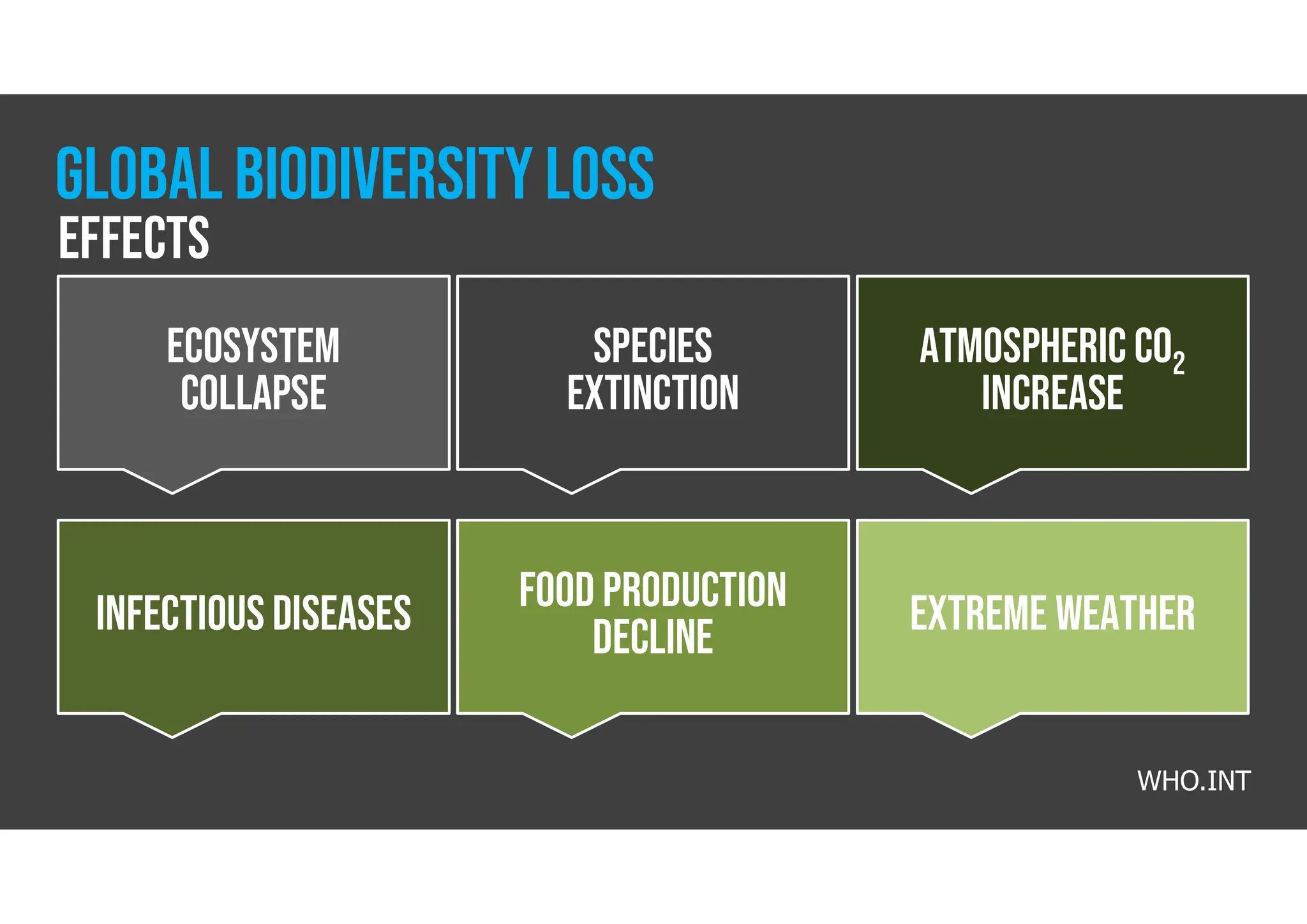
Biodiversity acts as a buffer against zoonotic diseases (diseases that jump from animals to humans). Intact ecosystems keep animal populations in balance; when they are disrupted, the likelihood of human-wildlife contact increases. Furthermore, many of our medicines are derived from wild plants and fungi, many of which may go extinct before they are even discovered.
What is the "sixth mass extinction"?
Scientists believe we are currently entering the sixth mass extinction in Earth's history. Unlike previous extinctions caused by asteroids or volcanic activity, this one is driven entirely by human activity. The current rate of species extinction is estimated to be 100 to 1,000 times higher than the natural background rate.
Which regions are most affected by biodiversity loss?
Tropical regions, including the Amazon, the Congo Basin, and Southeast Asia, are experiencing the highest rates of loss due to their high baseline biodiversity and intense land-use pressure. However, temperate regions have already lost much of their original biodiversity centuries ago and are now struggling with the impacts of pollution and invasive species.
Practical Recommendations for 2026
Halting biodiversity loss requires action at every level of society. For individuals, the most effective steps include reducing meat consumption (to lower land-use pressure), supporting certified sustainable products, and advocating for local conservation initiatives. At a corporate and governmental level, the focus must shift toward nature-positive investments and the strict enforcement of protected areas.
To stay informed on the status of various species, the IUCN Red List of Threatened Species provides the most comprehensive data for researchers and policymakers. Moving forward, the integration of biodiversity considerations into all aspects of economic planning is essential to ensure a stable and productive planet for future generations.
Image Gallery