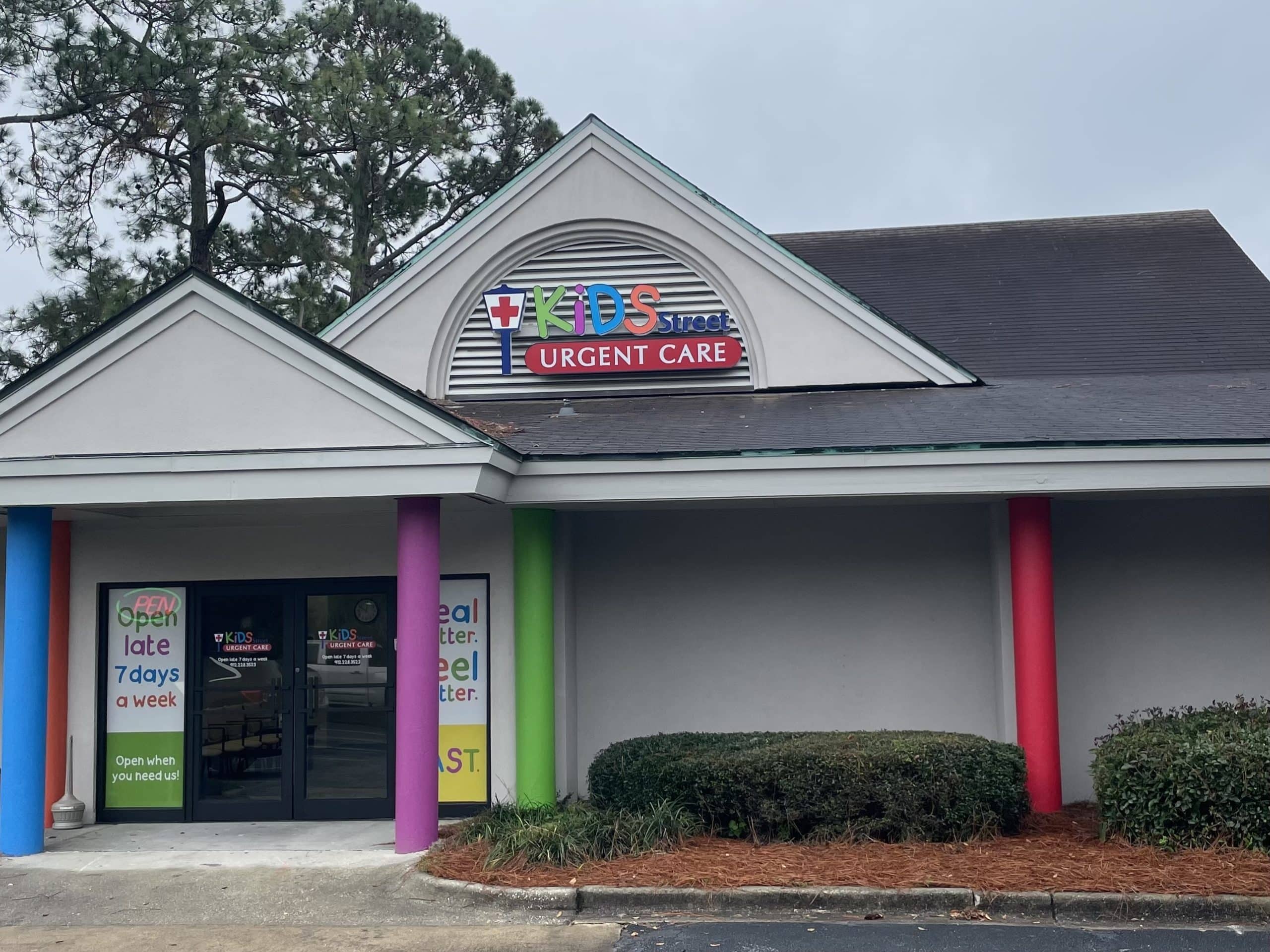
What to Expect at Urgent Care Centers in Savannah, GA
Visiting an urgent care center in Savannah, Georgia, provides a streamlined path to medical attention for non-life-threatening illnesses and injuries that require prompt care but do not necessitate an emergency room visit. Understandin...
Visiting an urgent care center in Savannah, Georgia, provides a streamlined path to medical attention for non-life-threatening illnesses and injuries that require prompt care but do not necessitate an emergency room visit. Understanding the typical workflow, insurance requirements, and service capabilities allows patients to navigate these facilities efficiently when they need immediate assistance for common ailments or diagnostic testing.
Contents
Determining When to Choose Urgent Care Over an Emergency Room
The primary function of urgent care in the Savannah medical landscape is to serve as a bridge between a primary care physician’s office and the emergency room (ER). It is vital to recognize that while urgent care centers are equipped to handle acute issues, they are not intended for medical emergencies.
You should visit an urgent care center for:
- Minor lacerations or wounds requiring stitches.
- Sprains, strains, or potential minor fractures.
- Cold and flu symptoms, including coughs, fever, and sore throats.
- Earaches, sinus infections, or urinary tract infections.
- Minor burns or rashes.
- Diagnostic needs, such as rapid testing for COVID-19, influenza, or strep throat.
Conversely, you should seek emergency medical services—by calling 911 or proceeding to the nearest hospital emergency department—if you experience chest pain, signs of a stroke, difficulty breathing, uncontrolled bleeding, severe head trauma, or compound fractures.
Prerequisites: What to Bring to Your Visit
To ensure a smooth registration and intake process at a Savannah urgent care facility, arrive prepared with specific documentation. Most centers require the following to process your visit:
- Government-Issued Photo Identification: A valid driver’s license or state ID is standard for identity verification.
- Insurance Card: If you are using medical insurance, have your current card available. Most facilities in Savannah participate in major national and regional provider networks, but it is always prudent to check with your insurance provider's "find a doctor" tool or the urgent care center’s website before your visit to confirm network participation.
- Current Medication List: Bring a list of any prescriptions, over-the-counter supplements, or vitamins you are currently taking.
- Allergy Information: Be prepared to list any known medication or environmental allergies.
- Payment Method: Even with insurance, you may be responsible for a copayment or coinsurance at the time of service. Have a credit card, debit card, or checkbook ready.
The Standard Workflow at Savannah Urgent Care Centers
The patient experience at an urgent care clinic generally follows a predictable sequence. Understanding this process helps manage expectations regarding wait times and procedures.
1. Registration and Check-in: Upon arrival, you will complete electronic or paper registration forms. Many modern centers in the Savannah area offer online check-in, which allows you to hold your place in line before leaving your home or office. While this does not always guarantee an exact appointment time, it often reduces time spent in the waiting room.
2. Triage and Nursing Assessment: A nurse or medical assistant will take your vital signs (blood pressure, temperature, heart rate, and oxygen saturation) and record your chief complaint. This step helps the staff prioritize patients based on the severity of their symptoms.
3. Provider Consultation: A healthcare provider—typically a Physician Assistant (PA), Nurse Practitioner (NP), or sometimes a Physician—will conduct an examination, review your history, and discuss treatment options. This is the stage where you should disclose all relevant symptoms, even if they seem minor.
4. Diagnostics and Treatment: If the provider deems it necessary, they may order on-site laboratory tests (such as a CBC or urinalysis) or diagnostic imaging (such as an X-ray). Most urgent care centers in Savannah are equipped with basic digital X-ray capabilities; however, for advanced imaging like MRIs or CT scans, you will likely be referred to a hospital or an outpatient imaging center.
5. Discharge and Follow-up: After the consultation, you will receive a discharge summary, instructions for care, and, if applicable, a prescription sent to your pharmacy of choice. The provider will also offer recommendations regarding when you should follow up with your primary care physician.
Navigating Costs and Financial Obligations
Financial obligations for urgent care vary based on your insurance plan and the specific nature of your visit. It is a common misconception that urgent care is always cheaper than the ER; while this is generally true, the actual out-of-pocket cost depends on your specific coverage.
| Payment Type | What to Expect |
|---|---|
| In-Network Insurance | You will typically pay a copayment at the time of service. The clinic will bill the insurer for the remainder. |
| Out-of-Network | You may be required to pay the full cost of the visit upfront and request reimbursement from your insurer later. |
| Self-Pay (Uninsured) | Most clinics offer a set "time-of-service" discount rate for patients without insurance. |
| High Deductible Plans | You may be responsible for the full negotiated rate of the visit until your annual deductible is met. |
Always ask the front desk staff for an estimate of costs if you are concerned about billing. They are accustomed to providing this information based on the typical visit codes associated with your symptoms.
Common Misconceptions and Troubleshooting
A common frustration for patients is arriving at an urgent care center only to find it closed or at capacity. It is important to note that hours of operation in Savannah vary; while some clinics remain open until 8:00 PM or 9:00 PM, others close at 5:00 PM or 6:00 PM. Always verify the location's status via their official website before traveling.
If you are told that the clinic is no longer accepting walk-ins, it is usually because the staff has already committed to seeing the patients currently in the building before their scheduled closing time. If this happens, do not wait until the next morning if you believe your condition is worsening; consider visiting an emergency room if the symptoms reach the threshold of an emergency, or contact a 24-hour nurse hotline provided by your insurance carrier for guidance.
Frequently Asked Questions
Do I need an appointment to be seen at an urgent care center in Savannah? No, most urgent care centers are designed for walk-in traffic. However, utilizing online check-in systems is highly recommended in 2026 as it helps clinics manage patient flow and reduces your actual time spent in the waiting area.
Can urgent care centers prescribe medication? Yes, providers at urgent care centers can write prescriptions for antibiotics, anti-inflammatories, and other necessary medications. However, they generally do not prescribe long-term maintenance medications for chronic conditions like hypertension or diabetes, nor do they typically manage refills for controlled substances.
Is my primary care physician notified of my urgent care visit? It is standard practice for urgent care centers to send a summary of your visit to your primary care physician, provided you supply the doctor's name and contact information during the registration process. This ensures continuity of care for your medical record.
Can I get a physical or school exam at an urgent care center? Many facilities offer occupational health services, including DOT physicals, sports physicals, and school entry examinations. It is advisable to call ahead to ensure the specific location provides the type of physical you require, as these often require specific forms or clinical focus.
How do I know if my insurance covers the urgent care visit? Your insurance member handbook or the website of your insurance provider will list "Urgent Care" as a benefit. Look for the "Urgent Care" copay amount on your insurance card, which is often listed separately from the primary care and ER copayments.
Recommendation for Success
Before you leave for an urgent care center, take five minutes to visit the clinic’s official website or verify their status on a reliable health directory. Ensure they are still open, verify they accept your specific insurance network, and use their online portal to secure your spot in the queue. By managing these administrative details ahead of time, you allow the clinical staff to focus entirely on your health needs upon your arrival.
Image Gallery