Why You Need Life Assurance: Complete Guide to Financial Protection
Life assurance provides essential financial security by guaranteeing an eventual payout to your beneficiaries upon your death, ensuring your family can settle outstanding debts, replace lost household income, cover funeral expenses, an...
Life assurance provides essential financial security by guaranteeing an eventual payout to your beneficiaries upon your death, ensuring your family can settle outstanding debts, replace lost household income, cover funeral expenses, and manage potential inheritance tax liabilities. Unlike standard term insurance, whole-of-life assurance remains active for your entire lifespan, offering permanent protection.
Contents
What Is Life Assurance and How Does It Work?
Securing life protection is one of the most critical steps in building a resilient financial plan. Whether you are searching for independent advice, evaluating your current insured status, or comparing quotes through brokers like I'm Insured, understanding the core mechanics of life assurance is essential before selecting a policy.
In financial terminology, a distinction exists between life insurance and life assurance:
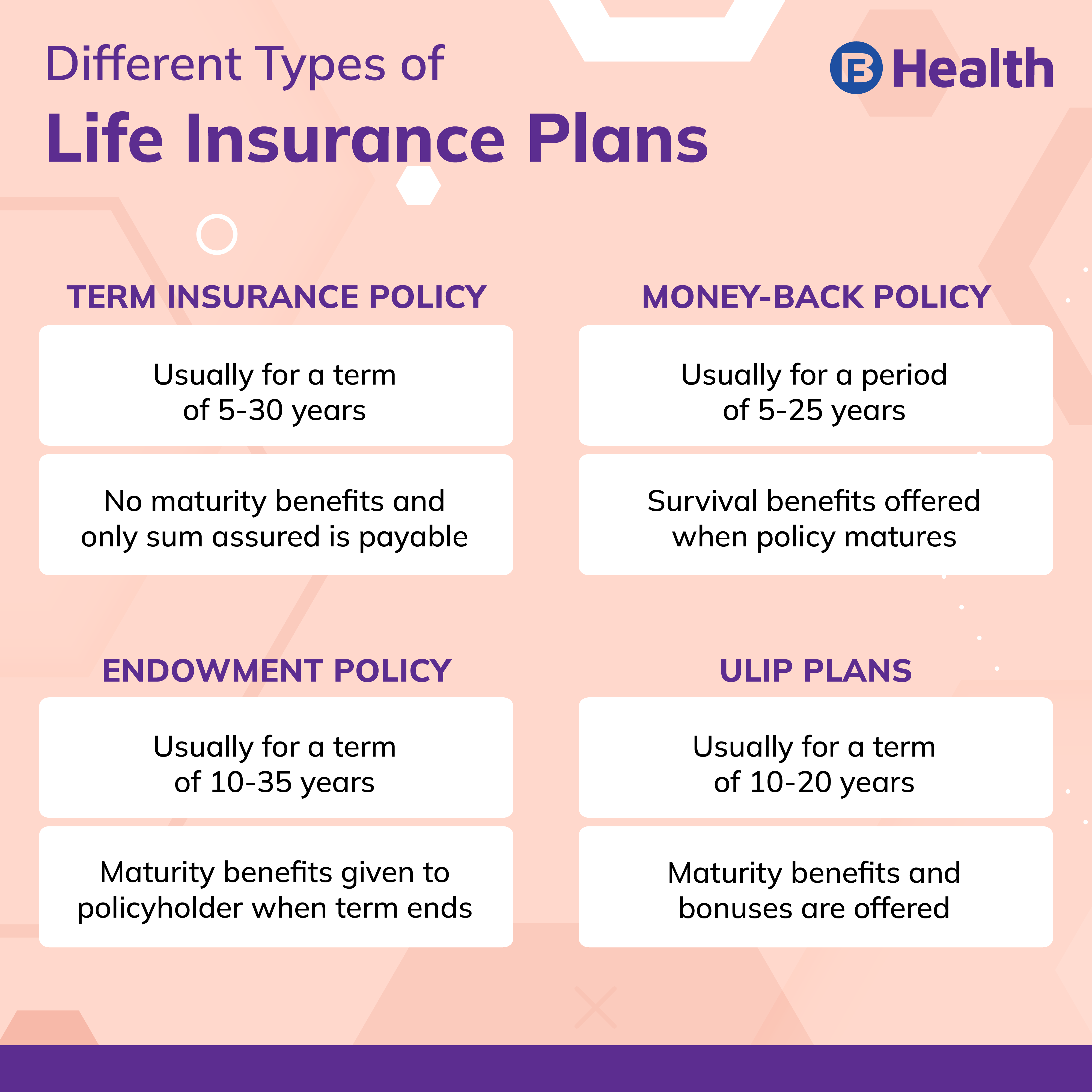
- Life Insurance (Term Cover): Covers you for a specified timeframe (e.g., 20 or 30 years). If you die during the term, the policy pays out a lump sum. If you outlive the policy term, the coverage expires, and no benefit is paid.
- Life Assurance (Whole of Life Cover): Guarantees a payout regardless of when you die, provided premiums are paid up to date. Because the claim event (death) is an absolute certainty rather than a possibility during a fixed term, life assurance policies function as long-term financial assets as well as protection products.
In the UK, financial products providing life cover are regulated by the Financial Conduct Authority (FCA). When you establish a whole-of-life policy, your monthly or annual premium payments are pooled by the insurer. Depending on the product structure, part of your premium covers the cost of insurance, while another portion may be invested into funds managed by the provider to support the policy's long-term guaranteed payout.
5 Primary Reasons Why You Need Life Assurance Cover
Understanding why life assurance belongs in your long-term wealth strategy requires examining how your absence would impact those left behind. The primary reasons individuals choose whole-of-life protection include:
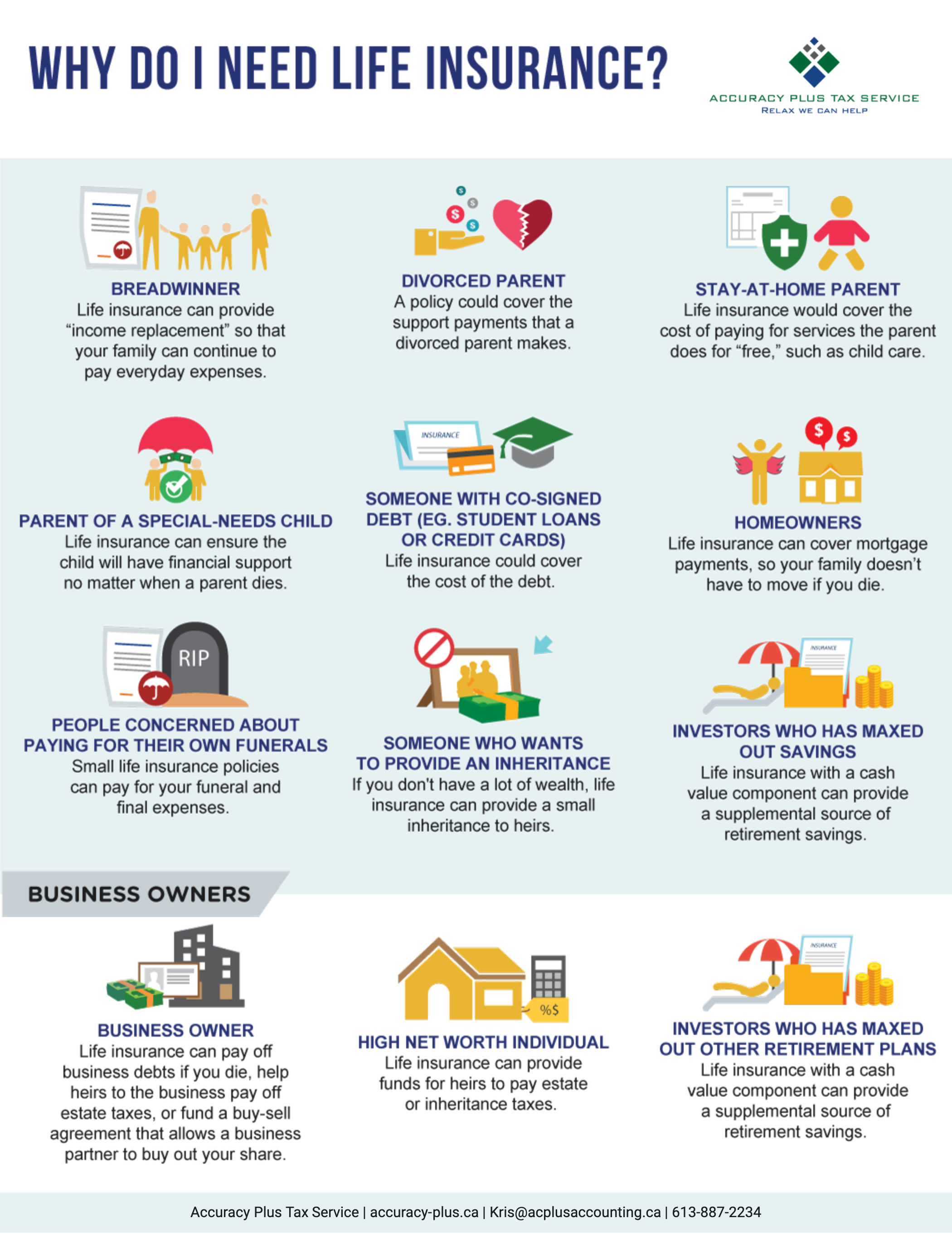
- Core Purposes of Life Assurance
- Income Replacement
- Mortgage & Debt Clearance
- Inheritance Tax (IHT) Settlement
- Funeral & Final Expenses
1. Income Replacement for Dependents
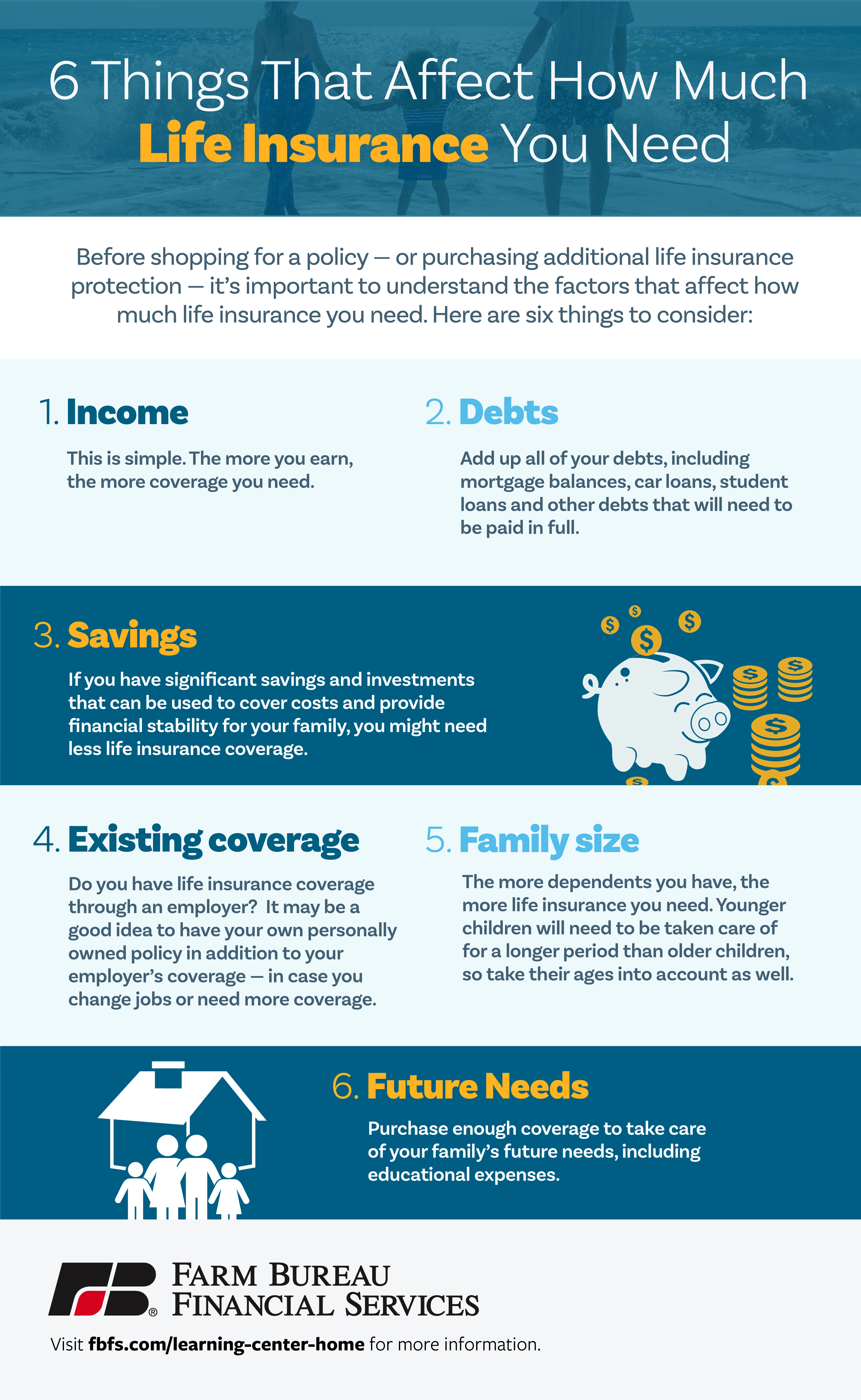
If your household relies on your earnings to meet daily living costs, food, utilities, education, and childcare, your sudden death can instantly create financial distress. A life assurance payout replaces lost earnings, providing your partner and children with a predictable financial buffer to maintain their standard of living without needing to make drastic lifestyle adjustments or sell family assets.
2. Mortgage and Long-Term Debt Clearance
A mortgage is often the largest financial commitment a family undertakes. If the primary earner passes away, remaining family members may struggle to service monthly mortgage repayments, risking repossession. While a decreasing term policy is frequently used for repayment mortgages, a whole-of-life assurance policy guarantees that any lingering debts, equity release balances, or personal loans will be fully settled, allowing surviving family members to retain their home.
3. Estate Planning and Inheritance Tax (IHT) Settlement
For high-net-worth individuals, inheritance tax can erode significant portions of an estate. In the UK, estate values exceeding statutory tax-free allowances (the Nil Rate Band and Residence Nil Rate Band) face a 40% inheritance tax rate upon death. HMRC requirements state that IHT must usually be paid within six months of death, often before probate is granted and assets can be liquidated.
A whole-of-life assurance policy written in trust provides an immediate, tax-free lump sum directly to beneficiaries, enabling them to settle the estate's IHT liability without being forced to sell family property or investments under pressure. Details regarding official tax thresholds and exemptions can be verified via GOV.UK Inheritance Tax Guidance.
4. Guaranteed Final Expenses and Funeral Costs
Funeral costs have risen steadily over recent decades. The average cost of a basic funeral, combined with send-off costs and professional fees, can create immediate cash flow pressure for surviving family members. Because whole-of-life assurance guarantees a payout whenever death occurs, it removes the financial burden of funeral arrangements from your loved ones.
5. Leaving an Guaranteed Financial Legacy
Unlike term insurance policies that may expire without paying out, life assurance ensures that every premium payment contributes toward a guaranteed financial inheritance. Parents and grandparents frequently use whole-of-life policies to leave a specified sum to children, grandchildren, or chosen charitable organizations.
Comparing Life Protection Options
Selecting the correct policy requires evaluating how whole-of-life assurance compares against alternative forms of life cover.
| Policy Type | Coverage Period | Payout Guarantee | Primary Use Case | Premium Structure |
|---|---|---|---|---|
| Whole of Life Assurance | Entire lifespan (Permanent) | Guaranteed upon death at any age | Inheritance tax planning, estate legacy, funeral expenses | Typically fixed, though investment-linked options vary |
| Level Term Life Insurance | Fixed period (e.g., 10–30 years) | Paid only if death occurs during term | Income replacement during working years, fixed obligations | Fixed for the policy duration |
| Decreasing Term Insurance | Fixed period matching debt term | Paid only if death occurs during term (payout decreases) | Covering repayment mortgages or declining liabilities | Lower initial cost, fixed premium |
| Critical Illness Cover | Fixed term or integrated whole life | Paid upon diagnosis of specified condition | Financial support during living recovery from severe illness | Fixed or reviewable depending on policy terms |
Note: Independent financial guidance on assessing policy types can be reviewed at MoneyHelper, a free guidance service provided by the UK’s Money and Pensions Service.
Key Factors That Determine Your Life Assurance Premiums
Insurers evaluate several risk variables when determining the monthly cost of your life assurance policy. Understanding these factors allows you to secure the most competitive rates:
- Age at Policy Entry: The single biggest factor influencing premium cost is your age when taking out the policy. Securing life assurance at a younger age locks in substantially lower rates, as statistical mortality risk increases with age.
- Smoker Status and Vaping: Tobacco users and regular nicotine users pay significantly higher premiums—often 50% to 100% more—than non-smokers due to heightened health risks. In most cases, you must be nicotine-free for at least 12 consecutive months to qualify for non-smoker rates.
- Medical History and Pre-existing Conditions: Insurers review your personal medical history, body mass index (BMI), blood pressure, and family medical history. Conditions such as cardiovascular disease, diabetes, or cancer history may result in policy "loadings" (increased premiums) or specific exclusions.
- Sum Assured (Coverage Amount): The higher the guaranteed payout figure, the higher the monthly premium. Calculating exact financial needs prevents overpaying for unnecessary coverage levels.
- Lifestyle and Profession: Occupations involving high operational hazards (e.g., offshore drilling, working at extreme heights) or hazardous hobbies (e.g., private aviation, extreme sports) can increase premiums.
Essential Steps to Secure and Optimize Your Cover
To ensure your policy delivers maximum protection while remaining cost-effective, follow a structured application process:
- Calculate Needs - Determine required sum
- Compare Options - Use brokers / advice
- Medical Declaration - Full health disclosure
- Policy Issuance - Finalize contract
- Place in Trust - Avoid probate & IHT
- Annual Review - Adjust for life events
Step 1: Calculate Your Total Coverage Requirement
Add up all immediate and long-term financial liabilities:
- Outstanding mortgage and credit balances.
- Estimated living costs for dependents until they achieve financial independence.
- Anticipated inheritance tax liabilities on your estate.
- Funeral costs and immediate legal fees.
Subtract existing liquid savings, employer death-in-service benefits, and existing investments to identify your net required sum assured.
Step 2: Compare Whole-of-Life Quotes Across Providers
Insurance rates vary widely between providers for identical health profiles. Using specialist comparison platforms or working with an independent broker helps you access quotes across the entire market, ensuring you secure competitive rates for your specific health profile.
Step 3: Complete Health Declarations with Full Accuracy
When applying, answer all health and lifestyle questions honestly. Failing to disclose medical history, past surgeries, or smoking habits can void the policy entirely, leading to denied claims when your family needs the payout most.
Step 4: Write Your Policy "In Trust"
One of the most effective steps in setting up life assurance is placing the policy in trust.
- Without a Trust: The policy payout forms part of your legal estate upon death. This means it must pass through probate—which can take months or years—and may be subject to 40% inheritance tax if your total estate exceeds tax thresholds.
- With a Trust: The policy payout goes directly to designated trustees for the benefit of your named beneficiaries. The funds bypass probate entirely, providing money within weeks without incurring inheritance tax liabilities.
Step 5: Schedule Regular Policy Reviews
Life events such as marriage, divorce, birth of children, buying a new home, or changing career paths impact your financial liabilities. Review your policy every two to three years to ensure your sum assured remains aligned with your financial situation.
Common Pitfalls to Avoid When Buying Life Assurance
- Relying Exclusively on Employer Death-in-Service Benefits: Many employers provide death-in-service benefits equal to two to four times your annual salary. However, this cover ends immediately if you resign, face redundancy, or change employers. Employer cover should complement, rather than replace, an individual life assurance policy.
- Delaying Application: Postponing your application increases premium costs simply due to advancing age, and risks unexpected health issues developing that could make future coverage expensive or unavailable.
- Failing to Disclose Medical Changes Prior to Policy Commencement: If your health status changes between submitting your application and the policy start date, you must notify the insurer to maintain valid coverage.
- Canceling Old Policies Before New Cover Is In Force: Never cancel existing life assurance until your new contract is fully underwritten, accepted, and active.
Frequently Asked Questions
What is the fundamental difference between life assurance and life insurance?
Life insurance provides coverage for a specified term (such as 25 years) and pays out only if death occurs during that window. Life assurance covers you for your entire life, guaranteeing an eventual payout upon death, provided all required premiums are paid.
Can I hold multiple life assurance policies simultaneously?
Yes, you can hold multiple life protection policies with different insurance companies. Individuals often combine a decreasing term policy to cover a mortgage alongside a whole-of-life assurance policy designed for inheritance tax clearance or legacy planning.
How does placing a life assurance policy in trust speed up payouts?
Writing a policy in trust separates the policy proceeds from your legal estate. As a result, the insurance payout does not require grant of probate prior to release. Trustees can distribute funds directly to your named beneficiaries within days or weeks of receiving the death certificate.
What happens if I stop paying my life assurance premiums?
If you stop paying premiums on a non-investment whole-of-life policy, the cover will lapse after a brief grace period (typically 30 days), leaving you without protection and without a refund of past premiums. Some investment-linked or unit-linked life assurance policies may have a surrender value, but conventional policies lapse without value.
Are life assurance payouts subject to income tax or capital gains tax?
No, lump-sum payouts from UK life assurance policies are generally free from income tax and capital gains tax for the beneficiaries. However, if the policy is not written in trust, the payout forms part of your estate and may be subject to 40% inheritance tax if your total estate exceeds applicable thresholds.
Next Actions and Recommendation
Securing life assurance establishes guaranteed financial protection that safeguarding your family's future across your entire lifespan. To optimize your protection:
- Assess Your Liabilities: Calculate your total family income needs, debt commitments, and potential inheritance tax liabilities.
- Compare Market Rates: Compare quotes through specialist brokers or platforms such as I'm Insured to obtain market-wide options tailored to your health profile.
- Place Policies in Trust: Instruct your insurer or broker to set up your policy under an appropriate trust structure to streamline payouts and avoid unnecessary probate delays and inheritance taxes.
Disclaimer: This article provides general educational information regarding life assurance and financial protection options. It does not constitute formal financial, legal, or tax advice. For personalized recommendations, consult an FCA-regulated independent financial advisor.
Image Gallery