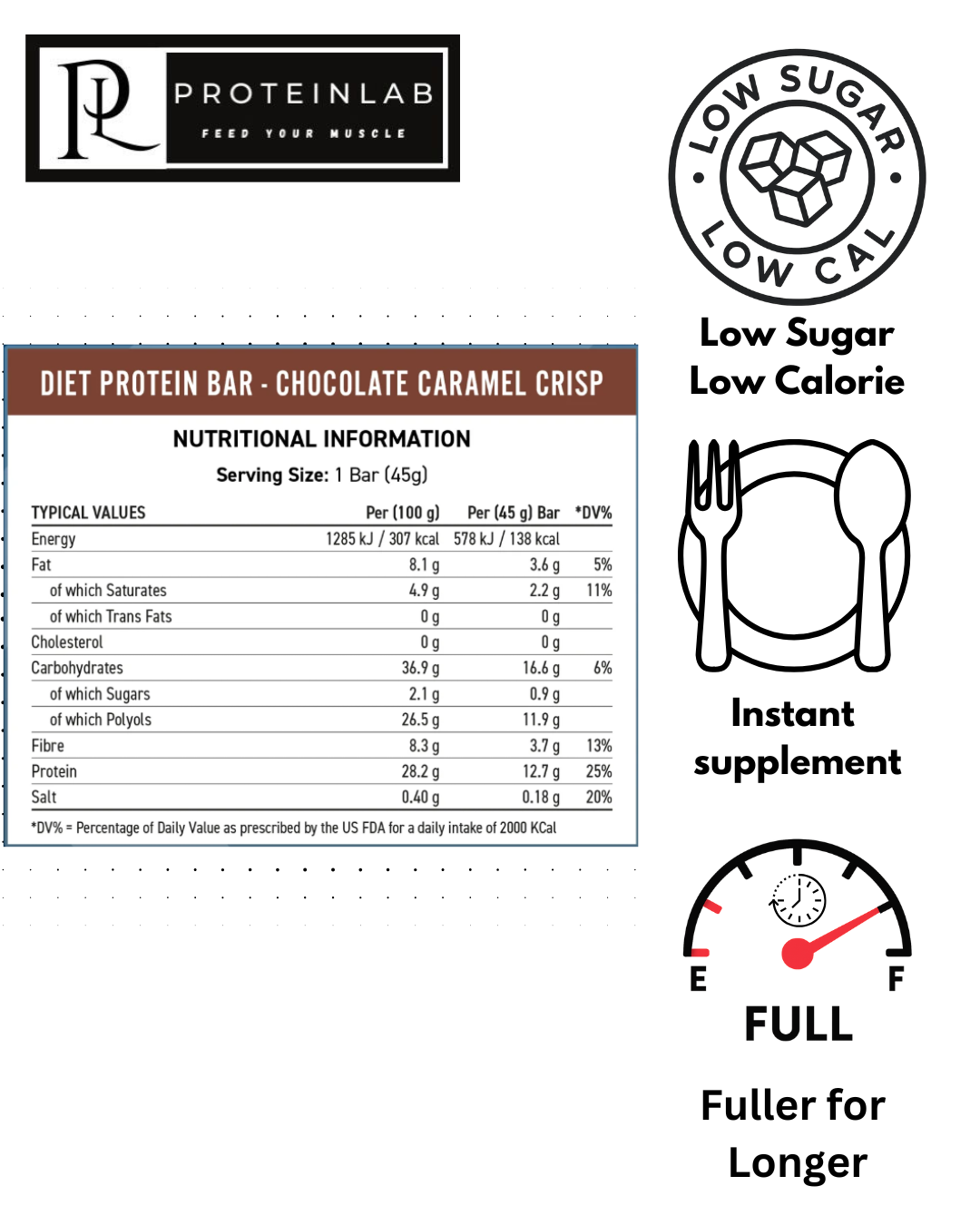
The Protein Bar Nutrition Info Explained: Decoding Labels for Smarter Choices
Understanding protein bar nutrition info involves looking beyond the marketing claims on the front of the packaging and focusing on the standardized Nutrition Facts label. These bars often function as ultra-processed dietary supplement...
Understanding protein bar nutrition info involves looking beyond the marketing claims on the front of the packaging and focusing on the standardized Nutrition Facts label. These bars often function as ultra-processed dietary supplements, meaning their macronutrient profiles, fiber content, and additive levels vary significantly, making it essential to analyze the total calorie count, sugar alcohols, and protein sources to determine if a bar aligns with your specific health or fitness objectives.
Contents
Moving Beyond the Front-of-Package Marketing
Marketing language on protein bars—such as "high protein," "keto-friendly," or "no added sugar"—is designed to highlight specific attributes while often obscuring less favorable nutritional realities. To accurately evaluate a product, you must turn the package over and examine the standardized Nutrition Facts label mandated by the U.S. Food and Drug Administration (FDA) or your regional equivalent.
The front-of-package claims often use terms that are not strictly regulated to the same extent as the nutrition panel. For example, a bar labeled "protein-packed" may indeed contain high protein but might also contain high levels of saturated fats or added sugars that neutralize the health benefits for your specific needs. Relying solely on these phrases can lead to unintended consumption of excess calories or ingredients you are trying to avoid.
Decoding the Macronutrient Profile
The core of any protein bar assessment is the balance of macronutrients: protein, carbohydrates, and fats. Each plays a distinct role in your metabolism and energy levels.
Protein Quality and Quantity
Not all protein is created equal. The source of the protein—whether it is whey isolate, casein, soy, pea, or collagen—affects its biological value and amino acid profile. Whey and casein are complete proteins derived from milk, providing all essential amino acids, while plant-based proteins may require blending (e.g., rice and pea) to achieve a complete profile.
When reviewing the label, look for the total grams of protein per serving. A true protein bar generally provides between 15 and 25 grams of protein. If a bar contains fewer than 10 grams, it is often better classified as a calorie-dense snack rather than a protein-delivery tool.
Carbohydrates and Fiber
Total carbohydrates include sugars, starches, and fiber. High-quality protein bars often prioritize dietary fiber, which aids digestion and moderates the blood sugar spike typically associated with carbohydrate intake. Be cautious of "net carbs"—a marketing term often used in keto-friendly products—which is calculated by subtracting fiber and sugar alcohols from total carbohydrates. While this can be a helpful metric for those on specific low-carb diets, it is not a formal FDA-regulated term and can sometimes mask high-calorie ingredients.
Fat Content and Sources
Fats contribute significantly to the calorie density of a bar. Many protein bars use nuts, seeds, or added oils (like palm or coconut oil) to improve texture and flavor. While healthy fats are essential, ensure they are not coming from highly processed, hydrogenated oils.
The Role of Additives: Sugar Alcohols and Sweeteners
Many protein bars utilize non-nutritive sweeteners to keep the sugar count low while maintaining palatability. Common sugar alcohols include erythritol, maltitol, and sorbitol.
- Sugar Alcohols: These provide fewer calories than sugar but can cause digestive distress, such as bloating or laxative effects, especially if consumed in large quantities.
- Artificial Sweeteners: Ingredients like sucralose, aspartame, or stevia extract are used to provide intense sweetness without caloric impact.
If you have a sensitive digestive system, identify the specific sweetener used, as tolerance varies significantly between individuals.
Nutritional Comparison Framework
To help you make an informed decision, use the following framework to compare bars based on their intended use.
| Nutritional Factor | Goal: Muscle Building | Goal: Weight Management | Goal: Sustained Energy |
|---|---|---|---|
| Protein | High (20g+) | Moderate (15g+) | Moderate (10-15g) |
| Calories | 250–350 | 150–200 | 200–250 |
| Fiber | 3–5g | 5g+ | 3–7g |
| Added Sugar | Low | Very Low (<2g) | Low |
Potential Pitfalls to Avoid
A common mistake when reading nutrition info is ignoring the "serving size." Some bars are packaged as a single unit but actually contain two servings. If you consume the entire bar without checking this, you are effectively doubling your intake of calories, fats, and sugars.
Additionally, pay attention to the ingredient list order. Ingredients are listed by weight, from most to least. If the first few ingredients are sugar syrups, tapioca syrup, or refined carbohydrates, the protein in the bar is likely being accompanied by a significant amount of "empty" calories that may not support your nutritional goals.
FAQ: Common Questions on Protein Bars
Do I need a protein bar after every workout? No. Protein bars are supplements. If you can obtain high-quality protein from whole foods like eggs, lean meats, or Greek yogurt, those are generally superior. Bars are most effective as a convenient bridge when whole-food sources are unavailable.
Are protein bars considered healthy? It depends on the bar's composition. Many are highly processed, containing binders, thickeners, and preservatives. Look for "clean label" options with fewer than 10-12 ingredients that you recognize as food.
Why do I feel bloated after eating a protein bar? This is frequently caused by sugar alcohols (like maltitol or sorbitol) or high amounts of added fiber (like inulin or chicory root fiber). If you experience this, try switching to a bar that uses natural sweeteners or lower-fiber alternatives.
What is the best time to eat a protein bar? There is no "magic" time. They are best used when you need a convenient protein hit to prevent hunger or to support muscle repair during a window where you cannot prepare a standard meal.
Next Action: Audit Your Pantry
The most effective way to apply this information is to conduct a review of the bars you currently consume. Grab one from your kitchen, find the Nutrition Facts label, and verify the serving size. Check the order of the first three ingredients and compare the sugar content against your daily dietary goals. By treating protein bars as functional food rather than a guilt-free treat, you can select products that actually contribute to your health goals rather than undermining them.
Image Gallery