Why You Need Commercial Auto, General Liability, and Workers’ Compensation Insurance: A Comprehensive Guide to Business Protection
Commercial insurance—specifically General Liability (GL), Commercial Auto, and Workers’ Compensation (WC)—is essential because it transfers catastrophic financial risks from your business to an insurer. These policies protect your asse...
Commercial insurance—specifically General Liability (GL), Commercial Auto, and Workers’ Compensation (WC)—is essential because it transfers catastrophic financial risks from your business to an insurer. These policies protect your assets from lawsuits, medical expenses, and property damage while ensuring your business "books" remain balanced and compliant with state legal mandates.
Contents
Operating a business in 2026 requires a sophisticated understanding of risk management. Whether you are a solo contractor or a growing mid-sized enterprise, the trifecta of General Liability, Commercial Auto, and Workers' Compensation forms the bedrock of financial stability. Beyond mere protection, these coverages are often a prerequisite for securing contracts, leasing office space, and maintaining professional licenses. Furthermore, the "books" of your business—your financial records and payroll—are inextricably linked to these policies through the annual audit process.
The Foundation of Protection: General Liability (GL) Insurance
General Liability insurance is often the first policy a business owner purchases. It serves as a broad shield against the most common risks encountered during daily operations. In 2026, as litigation costs continue to rise, a robust GL policy is no longer optional; it is a fundamental requirement for survival.
Bodily Injury and Property Damage
The core of a GL policy covers claims that your business caused physical harm to a third party or damaged their property. For example, if a client slips on a wet floor at your office or a technician accidentally breaks an expensive fixture at a customer's home, GL pays for the medical bills or repair costs. Without this coverage, a single "slip and fall" lawsuit could result in settlements exceeding hundreds of thousands of dollars, effectively wiping out your cash reserves.
Personal and Advertising Injury
GL also protects against non-physical damages. This includes claims of libel, slander, or copyright infringement in your marketing materials. In a digital-first economy, where a single social media post can lead to a defamation lawsuit, this aspect of GL has become increasingly relevant. It ensures that your business can defend itself against claims that you disparaged a competitor or used an image without proper licensing.
Medical Payments and Legal Defense
One of the most valuable components of GL is the provision for legal defense. If your business is sued, the insurer provides an attorney and covers court costs, regardless of whether the claim is grounded in fact. These legal fees often accrue long before a settlement is reached, making the defense coverage a critical lifeline for small businesses.
Commercial Auto Insurance: Protecting Your Assets on the Road
Many business owners mistakenly believe that their personal auto insurance will cover them if they use their vehicle for work. This is a dangerous misconception. Most personal policies specifically exclude coverage for "business use," meaning an accident during a delivery or a trip to a job site could leave you entirely unprotected.
Liability for Business-Owned Vehicles
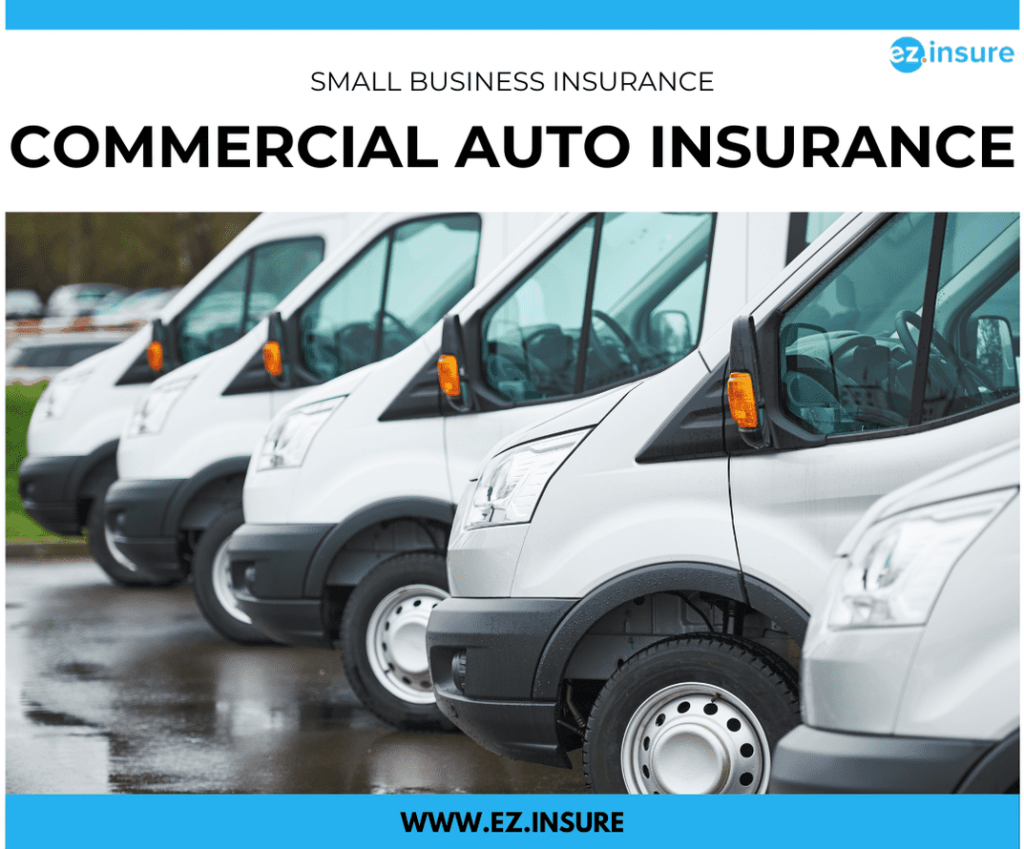
Commercial Auto insurance provides higher liability limits than typical personal policies. This is necessary because business vehicles are often larger (such as delivery vans or trucks) and carry higher risks of causing significant damage. If an employee is involved in a multi-car pileup while driving a company vehicle, the Commercial Auto policy covers the bodily injury and property damage claims of the other parties.
Hired and Non-Owned Auto (HNOA)
For businesses that do not own a fleet but require employees to drive their personal cars for company errands, Hired and Non-Owned Auto (HNOA) coverage is vital. If an employee causes an accident while picking up supplies in their own car, the business can be held liable. HNOA extends the company’s liability protection to these scenarios, filling a critical gap in the company’s risk profile.
Physical Damage Coverage
Beyond liability, Commercial Auto policies include collision and comprehensive coverage for the business vehicles themselves. This ensures that if a company truck is stolen, vandalized, or damaged in a storm, the business can quickly repair or replace the asset and return to operations without a massive capital outlay.
Workers’ Compensation (WC): Statutory Requirements and Employee Care
Workers’ Compensation is unique because it is mandated by law in almost every state for businesses with employees. It is a "no-fault" system designed to provide medical benefits and wage replacement to workers injured on the job, while protecting employers from being sued for those injuries.
The "Exclusive Remedy" Doctrine
The primary benefit to the employer is the "exclusive remedy" provision. By providing WC insurance, you are generally shielded from civil lawsuits brought by employees for workplace injuries. This provides a predictable cost structure for the business and prevents the legal volatility associated with personal injury litigation in the workplace.
Medical Expenses and Disability Benefits
WC covers 100% of necessary medical care related to a workplace injury, including emergency room visits, surgeries, and physical therapy. It also provides partial wage replacement (usually around two-thirds of the employee’s average weekly wage) if they are unable to work. In the event of a permanent disability or fatality, the policy provides long-term benefits to the worker or their survivors.
Regulatory Compliance and Penalties
Failing to carry Workers’ Compensation is a serious offense. State regulators monitor compliance through payroll data and "books." Lack of coverage can result in massive fines—sometimes thousands of dollars per day—and in some jurisdictions, it can even lead to criminal charges or the forced closure of the business.
The Connection to the "Books": Audits and Financial Accuracy
In the context of commercial insurance, your "books" refer to your accounting records, specifically your general ledger, payroll records, and subcontractor payments. These records are the primary data source used by insurance carriers to determine your premiums.
The Premium Audit Process
GL and WC policies are typically "auditable." This means that when you start a policy, you provide an estimate of your annual revenue (for GL) or your annual payroll (for WC). At the end of the policy term, the insurer reviews your books to see if the actual figures were higher or lower than the estimate.
- If your payroll increased: You will owe an "audit premium" (additional money).
- If your payroll decreased: You may receive a refund or credit.
Record-Keeping and Subcontractors
A common pitfall occurs when businesses hire subcontractors. If you cannot provide a Certificate of Insurance (COI) showing that your subcontractors have their own GL and WC policies, your insurance carrier will treat those subcontractors as your employees. This can lead to a massive, unexpected bill during the year-end audit of your books. Maintaining clean, organized records is essential for preventing these financial surprises.
Comparing Core Commercial Coverages
The following table summarizes the primary functions and common triggers for each of the three essential policies.
| Policy Type | Primary Purpose | Common Claim Scenarios | Typical Mandate |
|---|---|---|---|
| General Liability (GL) | Protects against 3rd-party claims of injury or damage. | A customer slips in your store; you damage a client's wall. | Usually required by leases and client contracts. |
| Commercial Auto | Protects vehicles used for business purposes. | An employee rear-ends another car while making a delivery. | Legally required for business-owned vehicles. |
| Workers' Comp (WC) | Covers employee injuries and lost wages. | An employee falls off a ladder or develops carpal tunnel. | Mandated by state law for businesses with employees. |
Professional Advice Limitation
This article provides general information regarding commercial insurance and should not be construed as legal, financial, or professional advice. Insurance requirements vary significantly by jurisdiction, industry, and specific business structure. Always consult with a licensed insurance broker or legal counsel to ensure compliance with local statutes and to tailor coverage to your specific needs.
Frequently Asked Questions
Can I just use my personal auto insurance if I’m a sole proprietor?
No, personal auto policies almost always exclude business use. If you are involved in an accident while performing work-related tasks—even if it is just transporting tools or driving to a client meeting—your claim could be denied. A Commercial Auto policy or a business-use endorsement is necessary to ensure coverage is active during work hours.
What happens if I don't have Workers' Comp and an employee gets hurt?
Without Workers' Comp, the employer is personally responsible for all medical bills and lost wages. Furthermore, the "exclusive remedy" protection vanishes, allowing the employee to sue the business for negligence, which can lead to multi-million dollar judgments. State labor departments will also likely impose significant administrative fines.
How are General Liability premiums calculated?
For most businesses, GL premiums are based on either total gross sales or total square footage of the premises. For contractors, the number of employees or total payroll may also be used. Because these figures change annually, it is crucial to keep your financial "books" updated to avoid large adjustments during audits.
Do I need GL insurance if I work from home?
Yes. Most homeowners' insurance policies provide very limited or zero coverage for business-related liability. If a business associate visits your home and is injured, or if you cause damage to a client’s property while working remotely, your homeowners' policy likely won't cover the claim. A small business GL policy or a home-based business endorsement is required.
What is an "Experience Modifier" in Workers' Comp?
An Experience Modifier (E-Mod) is a numerical factor that adjusts your WC premium based on your claims history compared to other businesses in your industry. If your books show a history of safe operations with few injuries, your E-Mod will drop below 1.0, earning you a discount. If you have many claims, your E-Mod will rise above 1.0, increasing your costs.
Practical Recommendations for 2026
To ensure your business is fully protected and your "books" are audit-ready, follow these steps:
- Conduct a Gap Analysis: Review your current policies to ensure there are no exclusions for your specific industry activities.
- Verify Subcontractors: Never allow a subcontractor to step onto a job site without first providing a Certificate of Insurance for both GL and WC.
- Automate Payroll Tracking: Use accounting software that categorizes payroll by "Class Code." This simplifies the Workers' Comp audit process and ensures you aren't overcharged for low-risk employees (like office staff) at the same rate as high-risk field workers.
- Review Limits Annually: As inflation affects the cost of medical care and litigation, $1 million in coverage may no longer be sufficient. Consider an Umbrella policy to provide an extra layer of protection over your GL and Auto policies.
Image Gallery