Manson Cases and Their Market Lessons: Analyzing Risk and Leadership Accountability
The Manson cases demonstrate how ideological influence translates into legal liability, illustrating the "Manson Rule" where leaders are held responsible for crimes committed by followers. In a market context, these cases offer vital l...
The Manson cases demonstrate how ideological influence translates into legal liability, illustrating the "Manson Rule" where leaders are held responsible for crimes committed by followers. In a market context, these cases offer vital lessons on brand contamination, corporate governance, and the dangers of unchecked organizational influence and psychological manipulation within a hierarchy.
Contents
The Historical Foundation: Understanding the Manson Cases
To extract meaningful market lessons, one must first understand the legal and social architecture of the Manson cases. In 1969, Charles Manson and his "Family" perpetrated a series of murders, most notably the Tate-LaBianca killings, which shocked the global consciousness. While Manson was not present at the scene of the Tate murders, he was convicted of first-degree murder and conspiracy to commit murder.
The prosecution, led by Vincent Bugliosi, successfully argued that Manson’s absolute control over his followers meant that their actions were, in effect, his own. This legal framework—establishing that a leader can be held criminally liable for the actions of subordinates even without direct participation—remains a cornerstone of modern legal theory regarding organized crime and corporate conspiracy. In the 2026 business landscape, this mirrors the tightening of "piercing the corporate veil" and the increasing personal liability of executives for systemic failures within their organizations.
The motive behind the crimes, which Manson termed "Helter Skelter," was a twisted interpretation of social upheaval designed to trigger a race war. From a market perspective, this highlights the danger of "narrative contagion," where a charismatic leader can weaponize a shared mythos to drive collective action, often with catastrophic consequences for stakeholders and the broader public.
Lesson 1: The Evolution of Vicarious Liability and Executive Accountability
The most significant legal lesson from the Manson cases is the concept of vicarious liability and the "Manson Rule." In modern corporate law, this translates to the principle that a CEO or a board of directors cannot claim ignorance of systemic illegal activities within their firm if they have fostered an environment that encourages or mandates such behavior.
The Doctrine of Control
In the Manson trials, the prosecution demonstrated that the "Family" members were "extensions of his will." This is a high bar for criminal law, but in the regulatory markets of 2026, the standard for "control person liability" is increasingly lower. Regulators now look for "implicit signals"—the cultural cues sent by leadership that might not explicitly demand illegal acts but make them the only viable path to success.
Lessons for Corporate Governance
- Culture as a Compliance Risk: Organizations must view their internal culture not as a soft asset, but as a hard liability. If a culture rewards "winning at all costs," the leadership may be legally tied to the specific "costs" incurred by employees, including fraud, environmental violations, or data breaches.
- The Responsibility of Omission: Just as Manson was liable for what he did not stop, today’s executives are increasingly liable for the absence of robust internal controls. Ignorance is no longer a defense; it is a confession of negligence.
Lesson 2: Brand Contamination and the "Murderabilia" Market
The Manson name transitioned from a human being to a toxic brand. This phenomenon offers profound insights into brand management, reputational risk, and the ethics of market demand. Following the trials, a subculture of "murderabilia" emerged, where items associated with Manson were traded for high values.
Reputational Contagion
For mainstream brands, the Manson cases serve as a warning about the "association risk." Throughout the 1970s and 1980s, any entity even tangentially linked to the "Family" saw its market value or social capital evaporate. This is the extreme version of what we now call "cancel culture" or "de-platforming." In 2026, the speed of information means that brand contamination happens in seconds, not years.
The Dark Side of Brand Loyalty
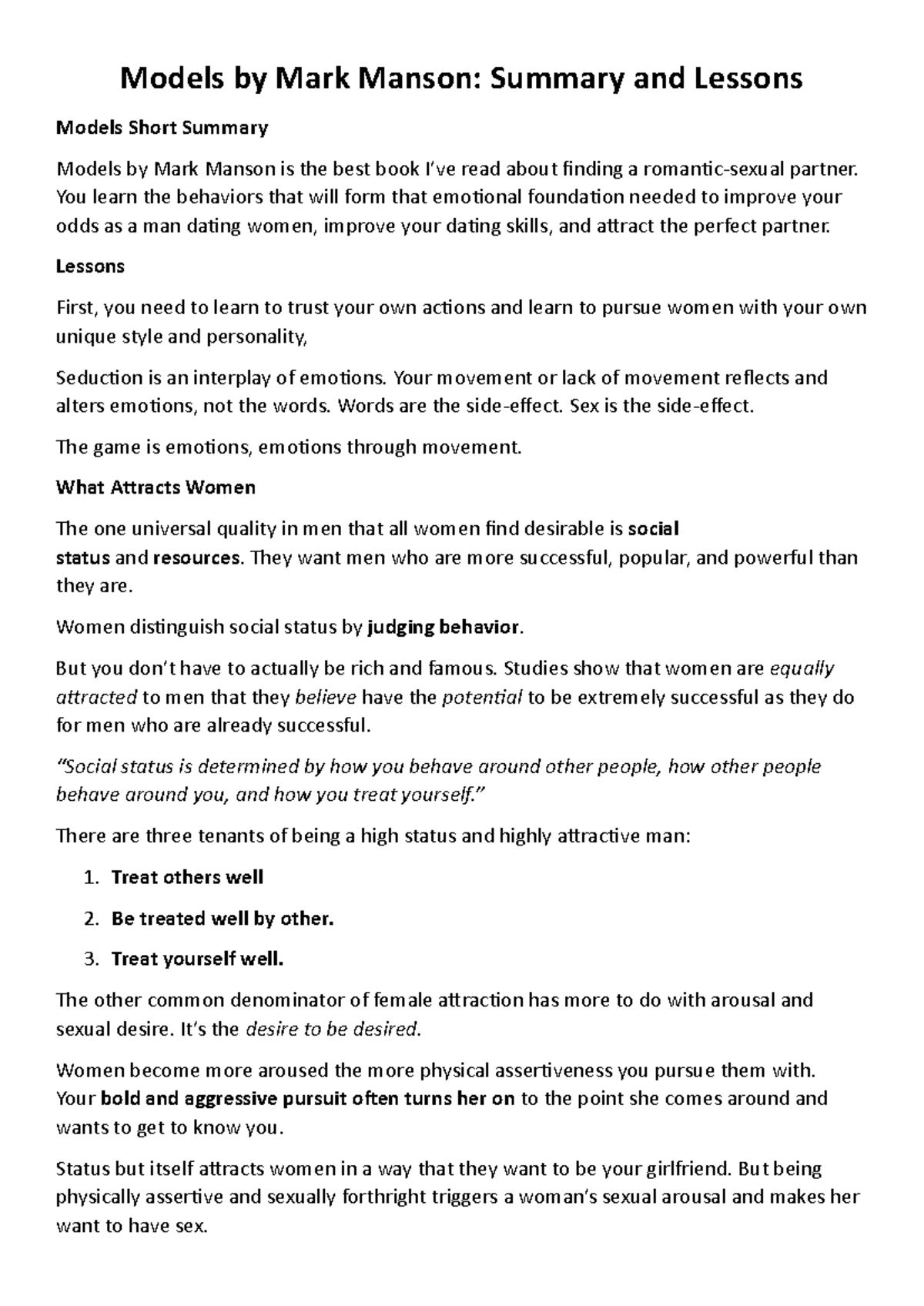
The Manson Family exhibited a level of brand loyalty that most marketers would envy, albeit for a destructive cause. This highlights the psychological mechanisms of "tribal marketing." When a brand moves from providing a service to providing an identity, it enters a high-risk zone. If that identity becomes associated with negative social outcomes, the brand becomes impossible to rehabilitate because the consumers' own identities are at stake.
| Leadership Aspect | Manson Family Model (Toxic) | Modern Healthy Enterprise |
|---|---|---|
| Authority | Absolute, unquestioned charismatic leader. | Distributed authority with checks and balances. |
| Feedback Loop | Echo chamber; dissent is punished as betrayal. | Encouraged dissent; psychological safety. |
| Goal Alignment | Apocalyptic or destructive "mission." | Sustainable, value-driven growth for stakeholders. |
| Transparency | High secrecy and "in-group" exclusivity. | Radical transparency and external audits. |
| Liability | Centralized in the leader (legally and morally). | Shared, structured accountability across levels. |
Lesson 3: Identifying and Mitigating Cult-Like Dynamics in Organizations
The Manson "Family" was, in organizational terms, a high-control group. Many of the dynamics that led to the 1969 tragedies are present in modern "high-growth" corporate environments. Market analysts often look for these "cult-like" markers as early warning signs of organizational collapse.
The Erosion of Psychological Safety
Manson maintained control by systematically eroding the self-esteem and independent judgment of his followers. In the market, we see this in organizations where employees are "love bombed" initially but then subjected to extreme pressure and isolation from "non-believers."
The Danger of Hero Worship
When a market assigns a "savior" status to a founder (a common occurrence in the tech and green energy sectors in the mid-2020s), the risk of a "Manson-style" organizational drift increases. The market lesson here is that transparency is the antidote to charisma. Investors should be wary of leaders who are treated as infallible, as this environment prevents the "red flagging" of illegal or unethical directives.
Signs of Organizational "Family" Drift:
- Isolation from External Reality: Using proprietary language or "insider" jargon that makes outside critique seem irrelevant.
- Moral Licensing: The belief that the organization’s mission is so righteous (e.g., "saving the planet") that standard ethical or legal rules do not apply.
- The "Us vs. Them" Narrative: Defining the organization's success not by its own metrics, but by the destruction of its perceived enemies.
Lesson 4: Crisis Management and the Media Market
The Manson trial was one of the first truly "global" media events of the television age. It fundamentally changed how the legal system and the market interact with high-profile crises. The prosecution had to navigate a media circus that threatened the integrity of the trial—a challenge that modern corporations face daily in the era of social media.
Controlling the Narrative
Manson attempted to use the courtroom as a platform to further his "brand" and recruit followers. This taught modern PR professionals a vital lesson: in a crisis, the "theatre" of the event often outweighs the facts. If a corporation is accused of a "Manson-level" ethical breach, its legal defense is only half the battle. The other half is the battle for the "market of public opinion."
The Cost of Sensationalism
The Manson cases showed that the market has a high appetite for sensationalism, which can lead to "information skew." For investors, the lesson is to separate the sensationalist "noise" of a crisis from the material "signal" of the legal and financial reality. Many companies have been destroyed by the reaction to a crisis rather than the crisis itself, simply because they failed to understand the market's demand for a clear, ethical counter-narrative.
Legal Precedents and Regulatory Frameworks in 2026
By 2026, the legal principles derived from the Manson cases have been codified into several regulatory frameworks. The most notable is the Directorial Duty of Oversight, often cited as the "Caremark Duty" in U.S. law, which has been expanded globally.
The "Duty to Monitor"
Just as the court ruled that Manson could not separate himself from the actions of his "Family," modern courts emphasize the "Duty to Monitor." If a board fails to implement a reporting system that would have alerted them to misconduct, they are personally liable. This is the direct institutionalization of the Manson lesson: power implies a duty to know.
Anti-Coercion Statutes
Newer laws in 2026 also focus on "coercive control" in professional settings. Inspired by the psychological manipulation seen in the Manson case, these statutes protect employees from leaders who use psychological tactics to induce illegal acts. For HR departments, this means that "following orders" is no longer a valid defense for the subordinate, and "I didn't force them" is no longer a valid defense for the leader if psychological coercion can be proven.
FAQs: Manson Cases and Market Implications
What is the "Manson Rule" in a legal context?
The "Manson Rule" generally refers to the legal theory that a leader can be convicted of crimes committed by their followers if it can be proven that the leader exercised total psychological control over the perpetrators and the crimes were committed under their direction or as part of a shared conspiracy. In the market, this underpins executive liability for corporate culture.
How do the Manson cases relate to ESG (Environmental, Social, and Governance) criteria?
The Manson cases are a masterclass in "Governance" (the 'G' in ESG). They highlight the catastrophic failure of oversight and the dangers of centralized power. Modern ESG audits often look for "Manson-style" red flags, such as a lack of independent directors or the suppression of internal whistleblowers.
Can a brand ever recover from "Manson-level" contamination?
History suggests it is nearly impossible. The "Manson" brand itself remains toxic and excluded from all legitimate commercial channels. For corporations, the lesson is that once a brand is associated with fundamental moral or social violations, the cost of rebranding usually exceeds the cost of liquidating the asset and starting over.
Why are these cases still relevant to business leaders in 2026?
The psychological tactics used by Manson—isolation, love bombing, and ideological indoctrination—are increasingly used by unscrupulous leaders in high-stakes industries to bypass traditional ethical checks. Understanding the "Manson model" helps leaders and auditors identify toxic organizational structures before they lead to legal or financial ruin.
Did the Manson cases change how corporate lawyers approach conspiracy?
Yes. It broadened the definition of "agreement" in a conspiracy. It proved that an agreement doesn't need to be a written contract or an explicit verbal instruction; it can be a "meeting of the minds" facilitated through a shared, radicalized culture. Corporate lawyers now advise that "vague instructions" or "nods and winks" can be legally sufficient to establish a conspiracy.
Practical Recommendation: Implementing "Anti-Manson" Safeguards
To protect an organization from the types of structural risks exposed by the Manson cases, leadership must move beyond simple compliance and into the realm of "active oversight."
- Mandatory Dissent Channels: Establish anonymous "Red Team" channels where employees are rewarded for identifying potential cult-like behaviors or unethical directives from leadership.
- Decentralize Charisma: Ensure that the "face" of the company is not its only source of authority. Institutionalize processes so that the organization can function—and remain ethical—even if the top leader is removed.
- Psychological Safety Audits: Use external consultants to measure the psychological health of the organization. Look for high levels of "fear-based compliance," which is the primary precursor to collective ethical failure.
- Liability Transparency: Clearly define the personal legal liabilities for every executive and manager. When people know they are "on the hook" for the actions of their team, they are much less likely to foster a culture of "blind obedience."
By internalizing these market lessons, modern organizations can avoid the "drift into darkness" that defined the Manson cases, ensuring that their influence remains a force for value creation rather than systemic destruction.
Image Gallery