Comprehensive Guide to WV DNR Trout Stockings: Schedules, Methods, and Angler Resources for 2026
The West Virginia Division of Natural Resources (WV DNR) trout stocking program releases hundreds of thousands of catchable-sized trout into public waterways across the Mountain State, providing exceptional angling opportunities throug...
The West Virginia Division of Natural Resources (WV DNR) trout stocking program releases hundreds of thousands of catchable-sized trout into public waterways across the Mountain State, providing exceptional angling opportunities throughout the spring, fall, and winter seasons. Success requires understanding stocking schedules, regional access points, regulations, and proven angling tactics.
Contents
Understanding the WV DNR Trout Stocking Program
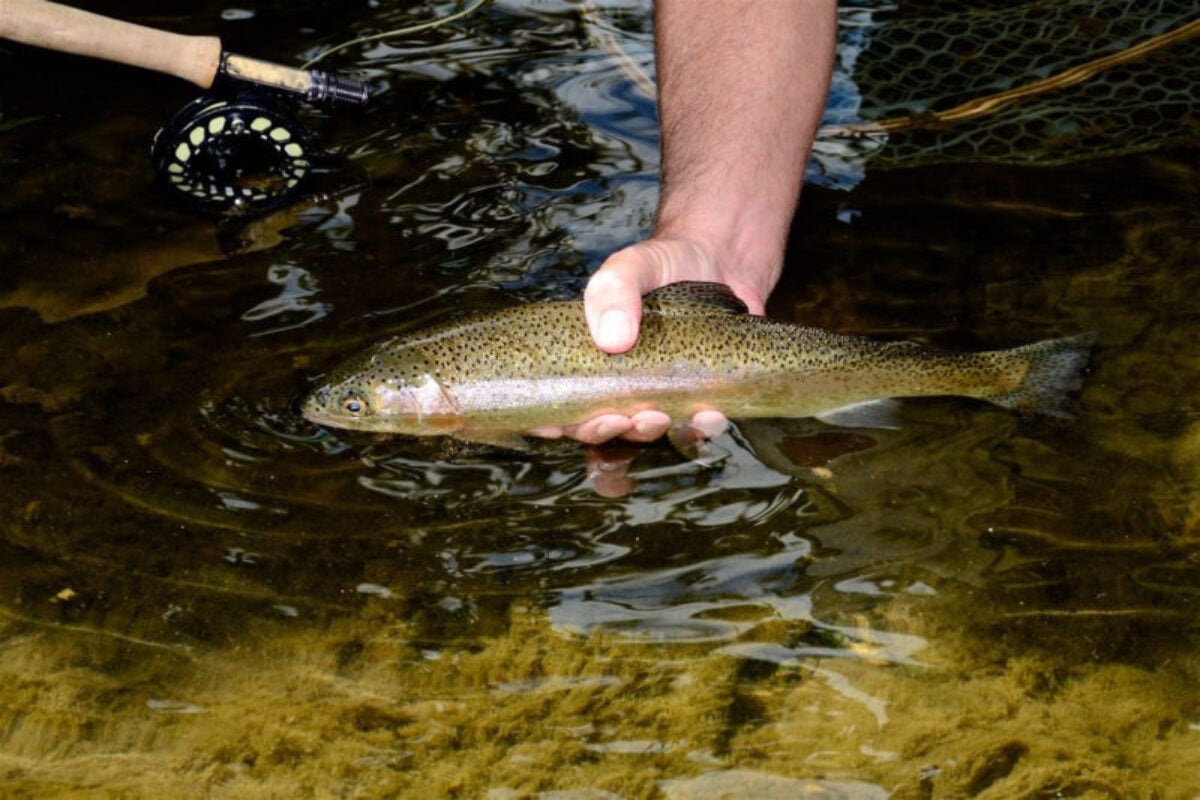
The West Virginia Division of Natural Resources manages an extensive hatchery system designed to supplement wild trout populations and provide high-density put-and-take fisheries. The state operates multiple cold-water hatcheries—including Reymann Memorial, Bowden, Edray, Petersburg, and Palestine—which collectively produce brook, brown, rainbow, and golden rainbow trout.
Stocking operations generally follow distinct seasonal phases. The primary spring stocking season begins in January and runs through May, coinciding with optimal water temperatures and high angler participation. A secondary fall stocking program takes place in October and November as water temperatures cool down. Additionally, select waters receive winter stockings or special regulation management.
Species Distributed in WV Waters
- Rainbow Trout (Oncorhynchus mykiss): The most common hatchery-raised trout in West Virginia, known for adaptability and aggressive feeding habits upon release.
- Brown Trout (Salmo trutta): Highly intelligent and resilient, offering year-round angling opportunities once acclimated to wild stream conditions.
- Brook Trout (Salvelinus fontinalis): The only native stream trout in West Virginia, stocked extensively in tailwaters and high-elevation streams.
- Golden Rainbow Trout (Oncorhynchus mykiss mutation): A popular West Virginia strain featuring a striking golden-yellow coloration, highly sought after by anglers during special event stockings.
How to Access and Interpret WV DNR Stocking Schedules
Staying informed about when and where fish are delivered is essential for maximizing success. The WV DNR provides multiple tools for tracking stocking trucks in real-time or via weekly projections.
Official Resources and Notification Methods
- Weekly Stocking Bulletins: Published online every Friday afternoon during peak seasons, outlining waters scheduled to receive fish during the upcoming week.
- WV Fishing Regulation Summary: The printed and digital rulebook detailing catch limits, creel limits, and special regulation areas.
- DNR Interactive Map: Digital GIS tools hosted on the agency website allowing users to locate specific access points, parking areas, and boat ramps.
- Phone Hotlines: Automated audio updates providing current-week stocking information for anglers without reliable mobile data access.
Understanding Stocking Frequency Categories
| Category | Description | Typical Stocking Window | Target Angler Experience |
|---|---|---|---|
| Weekly Stocked Waters | High-traffic streams and lakes receiving consistent, scheduled deliveries. | January through May | High catch rate, accessible from major roadways. |
| Bi-Weekly Stocked Waters | Moderate-use fisheries receiving fish every two weeks. | Spring and Fall seasons | Balanced angling pressure and scenery. |
| Impoundments & Lakes | Larger bodies of water stocked by boat or shore access points. | Spring, Fall, and select Winter months | Family-friendly, bank fishing and boat access. |
| Catch-and-Release Waters | Special management areas where harvested fish must be immediately released. | Year-round maintenance schedules | Technical fly fishing, catch-and-release sport. |
Essential Gear and Tackle for Newly Stocked Trout
Newly stocked trout behave differently than wild, resident fish. Understanding their feeding tendencies immediately after release dramatically increases catch rates. Because hatchery trout are raised on floating pellet food, they initially look toward the surface and mid-water column for food sources.
Recommended Tackle Configurations
- Spinning Gear: A 6-to-6.5-foot ultra-light or light-action spinning rod paired with a 1000-to-2000 series reel spooled with 4-to-6-pound test monofilament or fluorocarbon line.
- Fly Fishing Gear: A 9-foot 4-weight or 5-weight rod with a weight-forward floating line and a 9-foot leader tapered to 4X or 5X tippet.
- Terminal Tackle: Small split shots, size 10 to 14 single hooks, clear casting bubbles for spinning rods, and an assortment of strike indicators for nymphing.
Effective Baits, Lures, and Flies
- PowerBait and Engineered Baits: Floating dough baits in chartreuse, rainbow, or garlic scents fished off the bottom using a sliding sinker rig.
- Spinners and Spoons: 1/16-ounce to 1/8-ounce inline spinners (such as Rooster Tails or Panther Martins) and small spoons (such as Little Cleos) in gold, silver, or fluorescent orange.
- Live and Natural Baits: Locally sourced nightcrawlers, mealworms, and preserved salmon eggs drifted naturally under a small bobber or tight-line bounced along the bottom.
- Artificial Flies: Woolly Buggers (olive or black), egg patterns, San Juan worms, and attractant dry flies like the Royal Wulff or Elk Hair Caddis.
Regional Hotspots and Premier Stocked Waters
West Virginia features hundreds of miles of stocked trout streams distributed across nearly all 55 counties, managed to serve both local residents and visiting anglers.
Notable Regional Fisheries
- North-Central Region: The Tygart Valley River, the Buckhannon River, and Stonewall Jackson Lake tailwaters provide consistent action and excellent public access.
- Eastern Panhandle: The South Branch of the Potomac River, Cacapon River, and the Sleepy Creek watershed offer diverse angling scenery ranging from wide agricultural valleys to forested ridges.
- Potomac Highlands: Seneca Creek, the North Fork of the South Branch, and the Blackwater River represent premier mountain trout destinations boasting high stocking frequencies and scenic backdrops.
- Southern Coalfields: Mountain streams such as Paint Creek, the Guyandotte River tailwaters, and Bluestone River provide put-and-take fisheries in revitalized watersheds.
Regulations, Licensing, and Conservation Ethics
Operating within West Virginia wildlife laws ensures the sustainability of the fishery and protects the angler from legal penalties. All state residents and non-residents must possess a valid fishing license and appropriate trout stamp when pursuing trout in public waters.
Licensing Requirements and Special Rules
License Mandates: Anyone age 15 and older must purchase a West Virginia fishing license along with a current conservation stamp and trout stamp. Special senior and youth exemptions apply. Review the annual WV DNR regulation guide for exact residency definitions and military discounts.
- Creel Limits: The standard daily creel limit is six trout per day, with a possession limit equal to two days' daily bag limit, unless otherwise specified by special regulations.
- Catch-and-Release Seasons: Certain streams operate under catch-and-release rules from October 1 through the Friday before the opening of the regular spring trout season.
- Barbless Hooks: Mandatory in designated catch-and-release and fly-fishing-only streams to minimize injury to released fish.
Frequently Asked Questions About WV DNR Trout Stockings
How often does the WV DNR update the trout stocking schedule?
The stocking schedule is updated weekly every Friday afternoon during the peak spring and fall seasons. Anglers should check the official WV DNR website or social media channels for last-minute adjustments caused by high water or inclement weather.
Do I need a trout stamp to fish in stocked West Virginia waters?
Yes. Anyone fishing in designated trout waters—regardless of whether they are actively targeting trout or catching other species—must possess a valid West Virginia fishing license and the required trout stamp.
What is a Golden Rainbow Trout and where are they stocked?
Golden rainbow trout are a color-phase mutation of the standard rainbow trout bred exclusively at state hatcheries. They are distributed widely during spring stocking events to create excitement and provide special recognition events for youth anglers.
Can I fish for trout immediately after the stocking truck arrives?
Yes, but state regulations dictate that you may not harvest fish until they have been released into public waters. It is illegal to catch fish directly from transport tanks or restrict their movement prior to release.
What happens to stocking schedules during high water or flooding events?
If heavy spring rains cause severe flooding or unsafe water conditions, the WV DNR may temporarily postpone stocking trucks until water levels recede and clarity improves to safe levels.
Conclusion and Next Steps
Navigating the WV DNR trout stocking program effectively combines digital tracking tools, proper gear preparation, and adherence to state regulations. By monitoring weekly stocking bulletins, respecting catch limits, and selecting appropriate tackle, anglers can experience some of the finest trout fishing in the Mid-Atlantic region. Secure your current-year fishing license and trout stamp, review the weekly schedule, and explore the pristine waterways of West Virginia.
Image Gallery