Federal Medical Prisons: Operational Standards, Care Levels, and Facility Architecture
Federal medical prisons function as specialized correctional facilities designed to house inmates with complex healthcare requirements, chronic illnesses, mental health conditions, and advanced aging needs. Operating under the Federal...
Federal medical prisons function as specialized correctional facilities designed to house inmates with complex healthcare requirements, chronic illnesses, mental health conditions, and advanced aging needs. Operating under the Federal Bureau of Prisons (BOP), these institutions integrate secure correctional architecture with institutional healthcare delivery to manage populations requiring continuous medical intervention that standard penitentiaries cannot safely accommodate.
Contents
Core Definition and Institutional Scope of Federal Medical Centers
Federal medical prisons, officially designated as Federal Medical Centers (FMCs) or Federal Correctional Institutions (FCIs) with specialized medical units, exist to bridge the gap between secure federal incarceration and modern clinical medicine. The primary objective is to maintain public safety while upholding constitutional mandates regarding inmate healthcare access under the Eighth Amendment.
Unlike standard federal correctional facilities that emphasize general security and vocational training, medical prisons prioritize clinical infrastructure, diagnostic capability, and specialized nursing care. Inmates transferred to these facilities typically suffer from terminal illnesses, physical disabilities, severe psychiatric disorders, or require post-surgical rehabilitation.
The Healthcare Delivery Model within Federal Corrections
The delivery of care inside federal medical prisons operates through a structured continuum mirroring civilian health systems, albeit under strict correctional parameters. The operational framework relies on a tiered system of care, ranging from routine outpatient monitoring to high-acuity inpatient stabilization.
- Care Level 1 (Healthy/Outpatient): Inmates with minimal medical needs who are independent in activities of daily living.
- Care Level 2 (Stable Outpatient): Individuals requiring clinician semiannual or annual monitoring for stable chronic conditions (e.g., controlled hypertension).
- Care Level 3 (Unstable Outpatient/Fragile): Patients requiring frequent clinical contacts, specialized clinics, or daily medication management.
- Care Level 4 (Inpatient/Specialized): Inmates requiring daily nursing care, hospice support, dialysis, or acute psychiatric stabilization, predominantly housed within dedicated federal medical prisons.
Classification of Care Levels and Facility Designations
The BOP categorizes facilities based on their medical and mental health care capability, designated numerically from Care Level 1 through Care Level 4. Full-service Federal Medical Centers are specifically equipped to house Care Level 3 and Care Level 4 inmates.
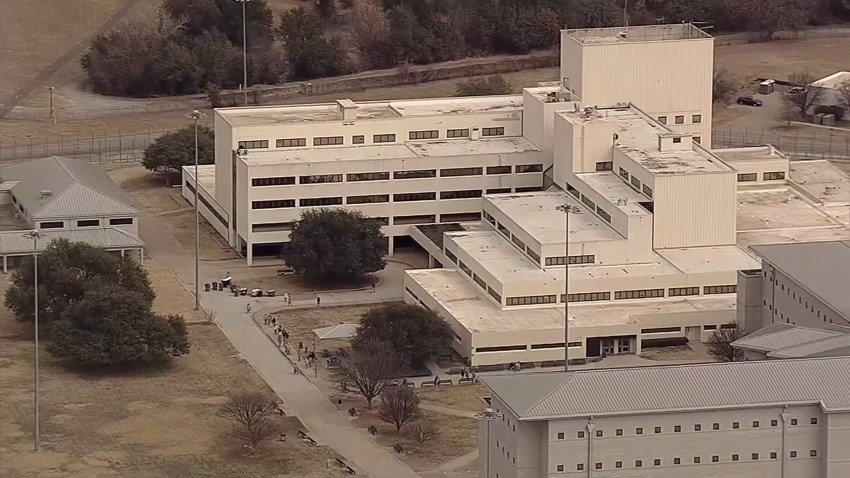
Facility architecture reflects a dual mandate: maintaining secure perimeter controls while housing hospital-grade equipment. These sites feature secured inpatient units, operating suites for minor procedures, specialized long-term care wings, and high-security psychiatric units.
Prominent Federal Medical Centers and Specialized Facilities
Several key institutions across the United States operate as the primary nodes for federal medical incarceration, each serving specific regional and clinical demographics:
- FMC Devens (Massachusetts): Serves male inmates requiring extensive medical and mental health care, featuring an inpatient medical unit and a secure mental health program.
- FMC Lexington (Kentucky): Houses female inmates across all security levels with significant medical and psychiatric needs, alongside a specialized male administrative facility nearby.
- FMC Butner (North Carolina): Often referred to as the "crown jewel" of BOP medical care, housing a major medical center, oncology unit, and long-term care facilities adjacent to a federal correctional complex.
- FMC Springfield (Missouri): An administrative security facility providing medical and psychiatric services to male offenders, historically known for treating high-profile federal inmates with severe mental health issues.
- FMC Rochester (Minnesota): Dedicated administrative facility for male offenders requiring specialized medical, surgical, or psychiatric evaluation and treatment.
Patient Eligibility and Transfer Criteria
Admission to a federal medical prison is not direct; individuals enter the system following federal sentencing and subsequent classification by the designation and computation center. The transfer process into a Care Level 3 or 4 facility requires formal clinical review and administrative approval.
When an inmate develops a severe medical or psychiatric condition while serving a sentence in a standard facility, the local clinical staff initiates an internal review. The Utilization Review Committee (URC) evaluates the necessity of a transfer based on objective diagnostic criteria, treatment failures at the local facility, or the requirement for specialized equipment not available on-site.
Clinical and Administrative Prerequisites for Transfer
- Documentation of Need: Comprehensive medical records, diagnostic imaging, and physician notes establishing the failure of lower-level care configurations.
- Security Re-evaluation: Assessment of the inmate's security score, institutional behavior, and public safety risk to ensure compatibility with the medical facility's security perimeter.
- Specialist Recommendation: Formal sign-off by regional medical directors or the BOP central office medical division.
- Continuity Planning: Development of a long-term care plan or palliative care roadmap prior to physical relocation.
Comparative Overview of Federal Medical Facilities
Understanding the operational differences between standard federal facilities and dedicated medical centers clarifies how resources are allocated across the correctional landscape.
| Feature / Metric | Standard Federal Correctional Facility (FCI/USP) | Federal Medical Center (FMC) |
|---|---|---|
| Primary Focus | General security, work programs, routine custody | Specialized clinical care, inpatient treatment, stabilization |
| Medical Staffing | General practitioners, basic nursing, emergency response | On-site specialists, psychiatrists, specialized nurses, radiology techs |
| Care Level Capacity | Care Levels 1 and 2 (limited stable chronic care) | Care Levels 3 and 4 (inpatient, chronic, terminal, psychiatric) |
| Infrastructure | Standard housing units, basic infirmary | Hospital-grade wards, dialysis units, secure operating capability |
| Security Architecture | Varies from Minimum to Ultra-Maximum (USP) | Primarily Administrative Security with specialized internal controls |
Operational Protocols and Clinical Challenges
Managing healthcare within a correctional environment presents unique administrative and clinical hurdles. Medical staff must navigate institutional safety protocols while adhering to professional medical ethics and standard clinical guidelines.
Infection control, pharmaceutical management, and emergency response times represent daily operational challenges. Unlike civilian hospitals where patients have freedom of movement, federal medical prisons must secure all medical equipment—ranging from scalpels to heavy diagnostic machinery—to prevent weaponization or contraband concealment.
End-of-Life Care and Compassionate Release Mechanisms
Federal medical prisons frequently manage geriatric populations and terminal illnesses. When an inmate reaches the final stages of a terminal disease, facilities coordinate palliative care or utilize administrative remedies such as Compassionate Release (Reduction in Sentence).
The First Step Act expanded pathways for elderly and terminally ill federal inmates to petition courts directly for compassionate release after exhausting administrative channels within the BOP. Clinical staff play a vital role in this process by providing prognostic evaluations and functional impairment assessments required by judicial reviewers.
Frequently Asked Questions
What qualifies an inmate for placement in a federal medical prison?
Inmates qualify for placement in a federal medical prison when they are classified as Care Level 3 or Care Level 4, indicating severe, unstable chronic conditions, advanced terminal illness, or active psychiatric needs requiring inpatient management. Placement is determined by the BOP designation process based on comprehensive clinical evaluations.
Are federal medical prisons secure, or do they operate like regular hospitals?
Federal medical prisons are fully secure correctional facilities. They combine hospital-grade clinical infrastructure with high-level security perimeters, correctional officers, and strict internal movement controls to ensure institutional safety while delivering medical care.
Can family members visit inmates in federal medical facilities?
Yes, family visits are permitted, subject to the specific facility's visiting schedules, security clearance protocols, and the medical condition of the inmate. Special accommodations are often made for visitors of critically ill or hospice-level patients.
What is the difference between an FCI and an FMC?
A Federal Correctional Institution (FCI) primarily houses general population inmates with low-to-medium security requirements and provides basic outpatient medical care. A Federal Medical Center (FMC) is specifically designed and staffed to handle complex inpatient medical and psychiatric cases.
How are prescription medications handled inside federal medical prisons?
Medications are tightly controlled and distributed by institutional pharmacy staff and medical personnel. Depending on the inmate's security and clinical status, drugs are either administered directly by nurses via "pill line" or managed under strict clinical observation to prevent diversion or misuse.
Securing Specialized Placement and Clinical Inquiries
Navigating the administrative and medical classifications within the federal prison system requires a clear understanding of BOP policies, administrative remedy procedures, and clinical criteria. For families, legal counsel, or advocacy groups seeking specific placement verifications or medical updates regarding an incarcerated individual, direct coordination with the institution's unit team and designated medical case manager remains the essential first step. Official guidance and facility directories can be reviewed directly through the Federal Bureau of Prisons portal to ensure accurate institutional routing.
Image Gallery