Understanding the Cherry Sage Strain: A Comprehensive Profile for 2026
The Cherry Sage strain is a nuanced cannabis cultivar recognized for its complex terpene profile and balanced, functional effects. Often sought by cultivators and connoisseurs for its distinct aromatic fusion of herbal spice and sweet...
The Cherry Sage strain is a nuanced cannabis cultivar recognized for its complex terpene profile and balanced, functional effects. Often sought by cultivators and connoisseurs for its distinct aromatic fusion of herbal spice and sweet stone fruit, this hybrid offers a unique botanical experience characterized by moderate potency and high resin production.
Contents
Botanical Characteristics and Genetic Lineage
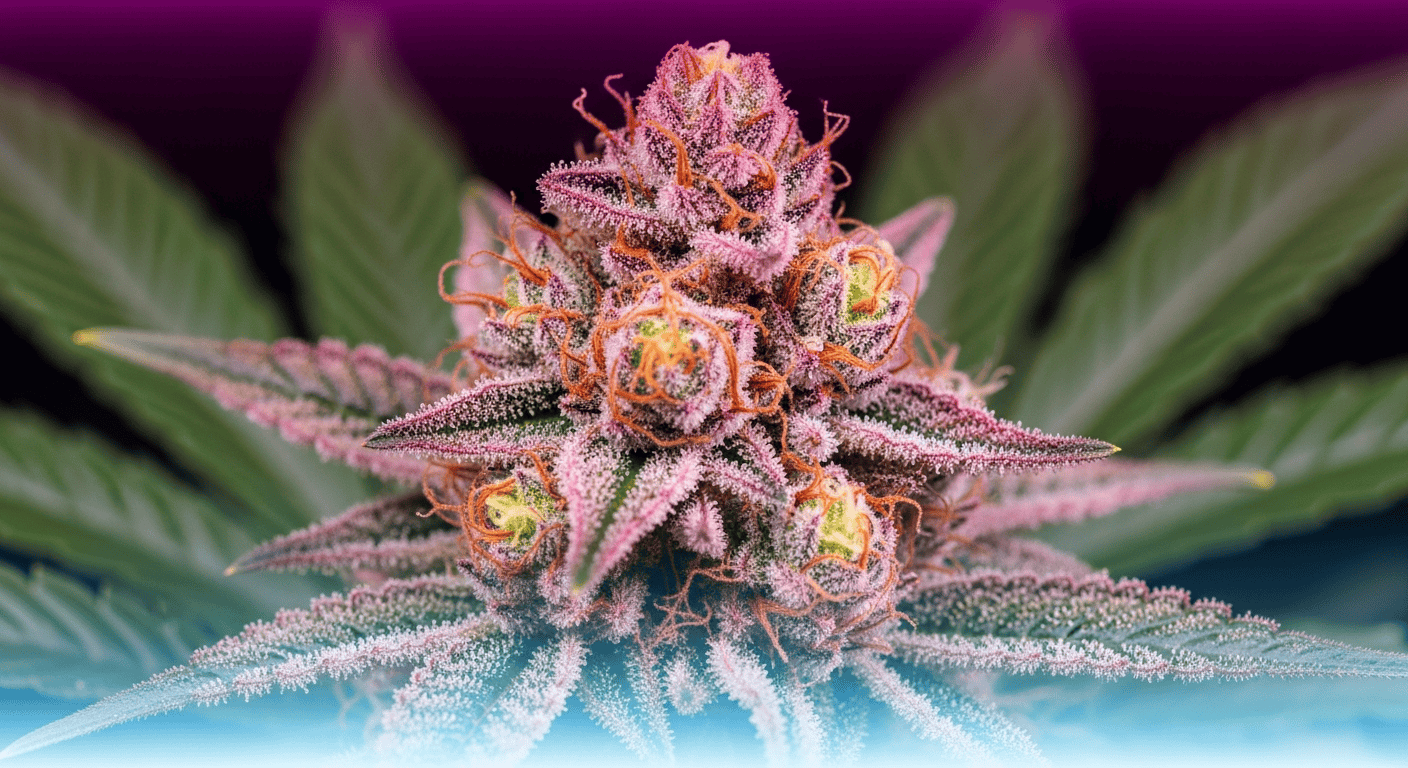
Cherry Sage emerges from a carefully curated genetic background, typically classified as a hybrid with balanced indica and sativa expressions. In the 2026 horticultural market, the strain remains a specialty interest, favored for its structural integrity during the flowering phase. The plant typically exhibits medium-to-tall stature, characterized by dense, trichome-coated buds that display deep purple and green hues, inherited from its parent lineages.
The primary botanical features include:
- Flower Density: High, with tightly packed bracts and significant resin coverage.
- Flowering Time: Generally ranges between 8 to 10 weeks under controlled indoor environments.
- Terpene Expression: Dominant notes of myrcene, caryophyllene, and limonene provide the characteristic herbal sage undertones punctuated by sharp cherry sweetness.
- Structural Support: Thrives in LST (Low Stress Training) environments, allowing for uniform light penetration to lower bud sites.
Chemical Profile and Terpene Composition
The allure of Cherry Sage lies in its sophisticated chemical composition. While cannabinoid content can vary significantly based on environmental variables, phenotype selection, and drying techniques, the hallmark of this strain is its olfactory complexity.
The interplay between the spicy, woody notes of sage—primarily driven by high concentrations of caryophyllene—and the fruitier esters creates a profile often described as both stimulating and grounding. In 2026, standardized laboratory testing for dispensaries ensures that consumers can access accurate COA (Certificate of Analysis) data. When evaluating this strain, pay close attention to the secondary terpene profile, which often determines the "entourage effect" or the qualitative experience of the product.
Comparison of Cherry Sage Characteristics
Understanding where Cherry Sage fits within the broader landscape of modern hybrids is essential for informed selection. The following table compares its typical performance metrics against other common hybrid categories.
| Metric | Cherry Sage | Typical Sativa | Typical Indica |
|---|---|---|---|
| Flowering Cycle | 8-10 Weeks | 10-12+ Weeks | 7-9 Weeks |
| Primary Effect | Balanced/Functional | Cerebral/Energizing | Sedative/Calming |
| Growth Difficulty | Intermediate | Advanced | Beginner/Intermediate |
| Terpene Focus | Herbal/Spicy/Sweet | Citrus/Floral | Earthy/Musky |
Cultivation Standards and Environmental Control
To achieve the maximum potential of the Cherry Sage phenotype, growers must maintain strict environmental parameters. In 2026, precision agriculture practices, including automated VPD (Vapor Pressure Deficit) monitoring, have become the standard for high-end craft cultivation.
Temperature and Humidity Guidelines
- Vegetative Phase: Maintain temperatures between 70°F and 80°F with humidity levels at 60-70%.
- Flowering Phase: Gradually reduce humidity to 40-50% in the final weeks to prevent moisture-related pathogen issues like botrytis or powdery mildew, which can compromise the dense structure of the Cherry Sage buds.
Nutrient Management
Cherry Sage responds well to organic-based nutrient programs. Because this strain is known for its resin production, ensuring adequate potassium and phosphorus levels during the mid-to-late bloom phase is critical for the development of its signature trichomes. Avoid nitrogen excess during the late flower to ensure a clean burn and improved flavor profile.
Identifying Authentic Quality
In the current 2026 market, consumers should prioritize transparency. High-quality Cherry Sage should present an aroma that is perceptible even before combustion, indicating a well-preserved terpene profile. If the material smells primarily like chlorophyll or hay, it likely suffered from improper drying or curing processes.
Visual indicators of quality include:
- Visible, intact trichome heads (glandular stalks).
- No signs of light bleaching or heat stress.
- Moisture content between 10% and 12%, ensuring the flower is neither brittle nor excessively damp.
Common Cultivation Challenges and Troubleshooting
Even with advanced setups, growers may encounter hurdles when managing unique hybrids like Cherry Sage.
Nutrient Lockout Management If leaf tips appear burnt while the mid-leaf remains green, evaluate the substrate pH immediately. Cherry Sage prefers a pH range of 6.0 to 6.5 in soil. Flush the medium with pH-balanced water and re-introduce nutrients at 50% strength to recalibrate the root zone environment.
Humidity Regulation Due to the tight internodal spacing and dense buds of the Cherry Sage strain, airflow is a primary concern. Ensure constant canopy ventilation to prevent stagnant air pockets that lead to mold. Use oscillating fans to keep foliage movement constant throughout the day and night cycles.
Frequently Asked Questions
What are the primary effects of the Cherry Sage strain?
Cherry Sage typically provides a balanced, functional experience that combines mild physical relaxation with a clear-headed mental state. It is frequently selected by those seeking to manage daily stress without the heavy sedation associated with high-THC indica landraces.
How does the terpene profile affect the smell of Cherry Sage?
The profile is defined by an herbal, peppery sage aroma layered with sweet, fruity notes resembling cherry. This complex aromatic combination is due to high concentrations of caryophyllene, which gives it that spicy, woody base, and varying fruity esters.
What is the ideal flowering time for this strain?
Most phenotypes of Cherry Sage complete their flowering cycle within 8 to 10 weeks. Harvesting within this window is critical to ensuring the cannabinoid and terpene profile is fully developed, as premature harvest may result in a lack of flavor depth.
Does Cherry Sage require advanced growing experience?
It is considered an intermediate-level strain because of its sensitivity to humidity and the need for canopy management. Growers should be comfortable with LST and environmental control systems to prevent mold in the dense flowering sites.
Where can I find accurate testing data for this strain in 2026?
Always request a current Certificate of Analysis (COA) from your local licensed dispensary. This document provides standardized data regarding cannabinoid percentages and the terpene profile, which is the most reliable way to verify the quality and identity of the product you are purchasing.
Engaging with Professional Cultivation Practices
For those interested in exploring the cultivation or procurement of Cherry Sage, success is predicated on adhering to established horticultural protocols. By focusing on environmental stability, precise nutrient delivery, and sourcing from licensed, transparent providers, cultivators and consumers alike can ensure a high-quality outcome that honors the unique characteristics of this strain. Always verify that your activities comply with your local jurisdiction’s current legal framework regarding cannabis cultivation and possession.
Image Gallery