Understanding Archangel Powers: Hierarchies, Attributes, and Spiritual Frameworks in 2026
Archangel powers refer to the traditional, theological, and esoteric capacities attributed to high-ranking celestial beings across various religious and spiritual systems, most notably within Abrahamic traditions, Judeo-Christian angel...
Archangel powers refer to the traditional, theological, and esoteric capacities attributed to high-ranking celestial beings across various religious and spiritual systems, most notably within Abrahamic traditions, Judeo-Christian angelology, and contemporary metaphysical practices. As interest in esoteric studies and spiritual wellness continues to expand in 2026, understanding the distinct operational domains, symbolic attributes, and historical classifications of archangels provides clarity for practitioners navigating these belief systems.
Contents
Defining Archangels and Their Hierarchical Standing
In theological and angelological frameworks, archangels occupy a position near the top of the celestial hierarchy. Etymologically, the term derives from the Greek words archon (ruler or chief) and angelos (messenger). Unlike guardian angels, which are traditionally believed to watch over individual humans, archangels govern broad cosmic principles, nations, planetary spheres, and major spiritual interventions.
Historically, the categorization of these beings varies significantly across textual canons:
- Canonical Judeo-Christian Texts: Explicitly names figures such as Michael and Gabriel, emphasizing their roles as divine heralds and defenders of the faith.
- Pseudepigraphal and Apocryphal Literature: Works such as the Book of Enoch and the Testaments of the Patriarchs expand this roster significantly, identifying up to seven primary archangels with distinct cosmic duties.
- Kabbalistic Traditions: Integrates archangels into the Tree of Life (Etz Chaim), aligning specific celestial leaders with particular Sephiroth (divine emanations) and energetic frequencies.
Understanding this architecture prevents confusion between localized spiritual entities and these major cosmic forces. In modern esoteric studies, practitioners approach these powers not as entities to command, but as archetypal energies or divine administrators representing specific virtues, protections, and natural laws.
Primary Archangels and Their Recognized Attributes
Different traditions assign specific domains of influence, colors, days of the week, and elemental associations to the most prominent archangels. Maintaining historical fidelity to these traditions requires examining how these figures have been understood for centuries.
| Archangel Name | Primary Domain / Responsibility | Traditional Color Association | Associated Element or Sphere |
|---|---|---|---|
| Michael | Protection, courage, truth, spiritual defense | Royal Blue / Gold | Fire / South |
| Gabriel | Revelation, communication, guidance, birth/creation | White / Copper | Water / West |
| Raphael | Physical and emotional healing, science, travel | Emerald Green | Air / East |
| Uriel | Wisdom, sudden illumination, prophecy, earth stewardship | Ruby Red / Yellow | Earth / North |
| Jophiel | Artistic inspiration, illumination, beauty of thought | Deep Yellow / Gold | Mental Plane |
| Chamuel | Peace, compassion, finding lost items or purpose | Pink / Pale Green | Emotional Healing |
| Zadkiel | Mercy, transmutation, freedom, memory improvement | Violet / Purple | Spiritual Alchemy |
Michael: The Defender of Divine Order
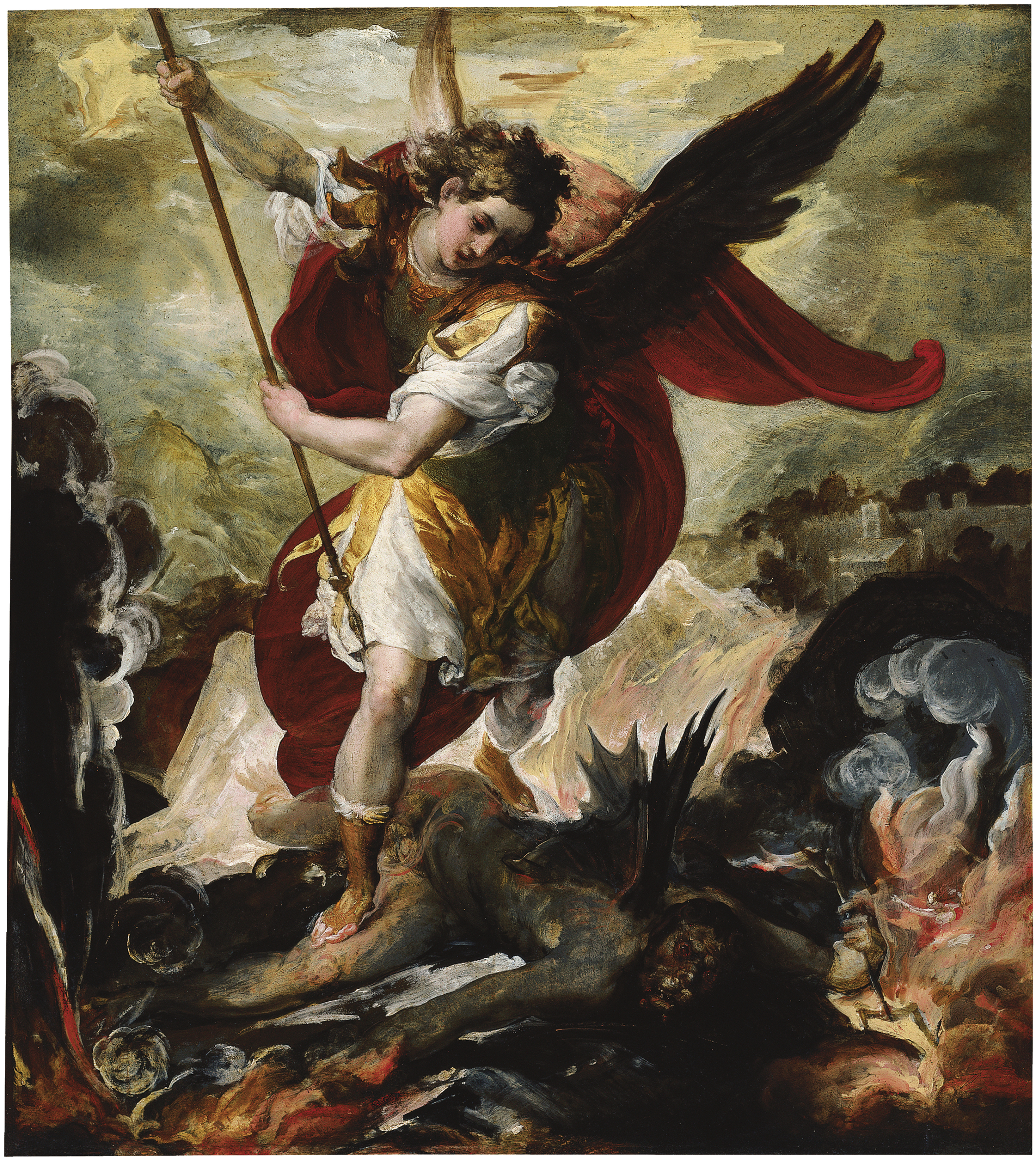
Archangel Michael is universally recognized as the leader of the heavenly host. In scriptural narratives, he leads the celestial armies against opposing forces. Esoteric practitioners frequently invoke Michael for energetic boundaries, psychological fortitude, and the cutting away of fear-based attachments.
Gabriel: The Divine Messenger
Known for delivering major announcements, such as those to Zechariah and Mary in scriptural accounts, Gabriel governs all forms of communication, writing, teaching, and creative arts. Writers, journalists, and public speakers often look to this archangel for clarity of expression and overcoming stage fright.
Raphael: The Celestial Healer
The name Raphael translates roughly to "God heals." Associated with the healing arts, medicine, and the restoration of balance, this archangel is traditionally invoked during medical procedures, psychological recovery, and journeys, ensuring safe passage and physical restoration.
Methodologies and Protocols in Traditional and Modern Practice
Engaging with archangelic powers requires an understanding of foundational protocols derived from historical grimoires, esoteric philosophies, and contemporary spiritual disciplines. Rather than arbitrary rituals, these practices emphasize mental discipline, moral alignment, and respectful invocation.
Core Preparatory Standard: Historical and contemporary esoteric frameworks agree that approaching higher celestial intelligences necessitates a stable mental state, moral clarity, and a clear intention. Practitioners are advised to establish a quiet, purified environment and ground their energy before attempting any form of formal meditation or invocation.
1. Preparation and Purification
Before engaging in meditative work or prayer involving archangels, practitioners typically cleanse their physical space and clear their minds. This mirrors ancient ritual purity laws and modern mindfulness practices, ensuring the mind is free from chaotic or disruptive thoughts.
2. Directional and Elemental Alignment
Many Western esoteric traditions utilize spatial orientation during practice. Aligning with specific cardinal directions helps structure focus:
- East: Associated with Raphael, intellectual clarity, and new beginnings.
- South: Associated with Michael, drive, energy, and protection.
- West: Associated with Gabriel, emotional depth, intuition, and subconscious work.
- North: Associated with Uriel, grounding, material stability, and practical wisdom.
3. Clear Intent and Petition
Communication with archangels relies on direct, respectful language. Whether through silent meditation, structured prayer, or journaling, the petitioner outlines their need—such as healing, truth, or protection—while acknowledging the higher order of the celestial being.
Comparative Analysis: Traditional Dogma vs. Modern Esoteric Approaches
The interpretation of archangel powers has shifted over centuries, moving from rigid, dogmatic theology to psychological and metaphysical frameworks. The table below outlines the core differences between these approaches.
| Analytical Dimension | Traditional / Theological Approach | Modern Esoteric / Metaphysical Approach |
|---|---|---|
| Ontological Status | Independent, immortal spiritual beings created by the Divine. | Can be viewed as objective entities, cosmic forces, or Jungian archetypes. |
| Primary Method of Interaction | Prayer, liturgical devotion, adherence to religious doctrine. | Meditation, color visualization, ritual invocation, chakra alignment. |
| Access and Authority | Mediated through formal religious institutions, priests, or sacred texts. | Direct, personal access available to any individual through sincere practice. |
| Scope of Intervention | Focused on moral salvation, divine grace, and miraculous protection. | Encompasses personal growth, psychological healing, artistic inspiration, and spiritual awakening. |
Common Misconceptions and Practical Risks
When exploring archangel powers, individuals frequently encounter misconceptions that can lead to ineffective practices or psychological distress.
- The "Commanding" Fallacy: Some popular literature suggests practitioners can command or coerce archangels. Traditional angelology maintains that higher celestial beings operate entirely under divine will, and requests must be framed as humble petitions rather than demands.
- Ignoring Mundane Action: Relying solely on spiritual invocation for physical ailments, legal issues, or financial distress without taking practical, real-world action is a common pitfall. Spiritual frameworks generally view archangels as sources of inspiration and strength that empower human action, rather than substitutes for practical effort.
- Ethical Boundaries: Esoteric traditions stress that attempts to invoke celestial powers for manipulative, harmful, or selfish control over others violate the fundamental laws of spiritual equilibrium.
Frequently Asked Questions About Archangels
How many archangels are there?
While the exact number varies by tradition, mainstream Abrahamic texts name a core group of four to seven archangels. Extended esoteric literature, including pseudepigraphal texts, names up to fifteen, though Michael, Gabriel, Raphael, and Uriel remain the most widely recognized.
Do you need a specific religion to work with archangels?
No. While archangels originate in Abrahamic theology, modern esoteric, interfaith, and New Age practices frequently secularize or universalize these concepts, treating archangels as universal cosmic archetypes accessible to anyone regardless of religious affiliation.
What is the safest way to begin working with archangels?
The safest and most widely recommended starting point is through quiet meditation, journaling, or respectful prayer focused on virtues like peace, wisdom, or healing, rather than complex ritual magic or attempting to force physical manifestations.
Can archangels help with physical health issues?
Within traditional and metaphysical frameworks, Archangel Raphael is frequently invoked for physical and emotional healing. However, esoteric practitioners universally emphasize that spiritual invocation should always complement, never replace, professional medical treatment and scientific healthcare.
How do I know which archangel to contact?
Match your current need with the traditional domain of the archangel. For example, use Michael for protection and courage, Gabriel for communication and creative projects, or Raphael for health and recovery.
Practical Recommendation for Practitioners
Approaching archangel powers requires a balanced perspective that respects historical traditions while maintaining grounding in everyday reality. Begin your exploration through focused study of primary texts and historical angelology rather than unverified internet claims. Maintain strict boundaries between spiritual introspection and practical, empirical problem-solving to ensure a grounded, intellectually sound approach to esoteric studies.
Image Gallery