Finding an Off Road RC Track Near Me: The Complete Guide to Locating and Accessing Local Radio-Control Racing Facilities
Locating an off-road radio-control (RC) track nearby involves checking specialized online directories, engaging with local hobby shops, and leveraging community-driven mapping tools to find active racing clubs and practice facilities t...
Locating an off-road radio-control (RC) track nearby involves checking specialized online directories, engaging with local hobby shops, and leveraging community-driven mapping tools to find active racing clubs and practice facilities that match your vehicle scale and skill level.
Contents
Introduction to Finding Local RC Off-Road Tracks
Jumping a 1/10-scale buggy or a heavy monster truck across a properly prepared clay or dirt layout offers a completely different level of satisfaction compared to bashing in a local park or empty parking lot. However, finding these specialized venues requires knowing where to look, as many dedicated facilities operate out of sight from main commercial corridors. Whether you are searching for a high-grip indoor clay track that runs weekly club races or an expansive outdoor dirt circuit with massive triple jumps and rhythm sections, the process involves a mix of digital research and localized community networking. Understanding how to navigate directories, evaluate track surfaces, and respect facility rules ensures you spend less time searching and more time turning laps.
Digital Directories and Mapping Tools
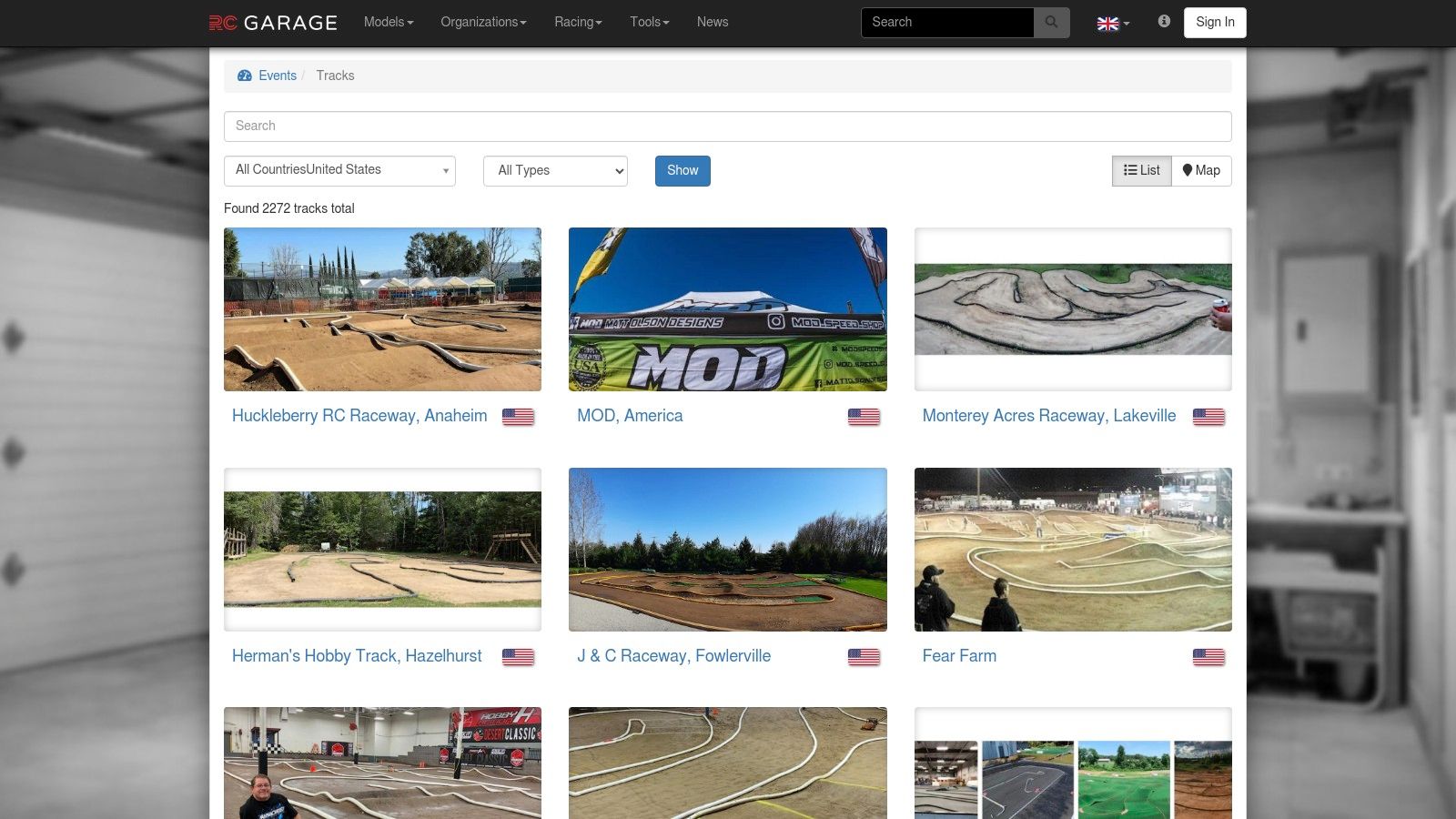
The internet provides several centralized databases designed specifically to help hobbyists track down nearby racing and bashing locations. Rather than relying solely on generic search engine queries that often return dead links or out-of-date information, seasoned hobbyists use dedicated track finders.
Specialized RC Directories
Websites like RC Tech, Neobuggy, and specialized regional racing association portals maintain comprehensive listings of active tracks. These databases often include user reviews, contact information, surface types (clay, turf, or loose dirt), and racing schedules.
Leveraging Mapping and Social Platforms
Interactive mapping services and social networks serve as vital tools for discovering hidden or newer facilities.
- Facebook Groups: Search for regional terms such as "[Your State/City] RC Racing" or "Local RC Bashing." Local hobby communities frequently organize impromptu track days and share real-time updates via social media groups rather than formal websites.
- Google Maps: Utilize precise search phrases such as "RC car track," "radio control racing," or "dirt track" while zoomed into your local metropolitan or county area. Public parks sometimes house municipal-funded dirt tracks that do not appear on commercial hobby directories.
Local Hobby Shops as Information Hubs
Independent brick-and-mortar hobby shops remain one of the most reliable resources for finding physical tracks. Even if a local shop does not have an outdoor layout behind its building, the staff and regular customers are deeply embedded in the regional racing community.
Hobby shop employees can provide insider details that online directories often miss, such as:
- Which tracks currently have active race programs versus those that are open for open practice only.
- The dominant vehicle scales raced at specific facilities (e.g., whether 1/8-scale nitro and electric truggy or 1/10-scale 2WD buggy is more popular).
- Unofficial or private backyard tracks that welcome respectful drivers.
- Track etiquette, marshalling expectations, and local hobby club membership fees.
Visiting a local shop in person also allows you to purchase essential spare parts—such as A-arms, shock shafts, and tire inserts—before heading out to a track where breakage is inevitable.
Evaluating Track Types and Surface Considerations
Before visiting a facility, identifying the specific surface and layout type is critical for ensuring your vehicle is properly set up. Off-road RC tracks generally fall into three primary categories, each demanding different tire compounds and vehicle adjustments.
| Track Surface Type | Characteristics | Recommended Tire Choice | Typical Maintenance |
|---|---|---|---|
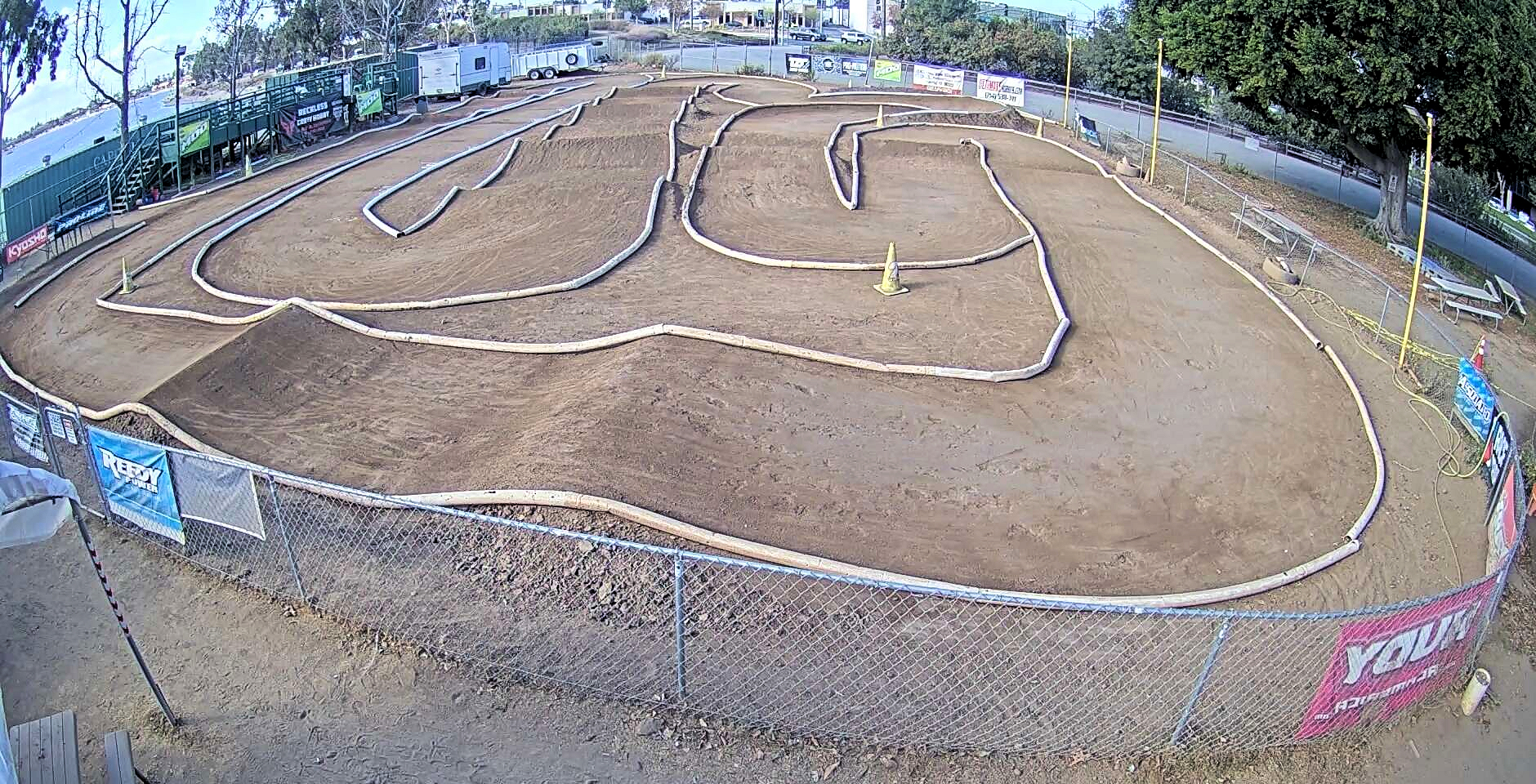
| Indoor Clay | High traction when grooved and watered; low dust; smooth technical layouts. | Clay compound slicks or ribbed tires (baked or conditioned). | Frequently watered, blown, and swept by track marshals. |
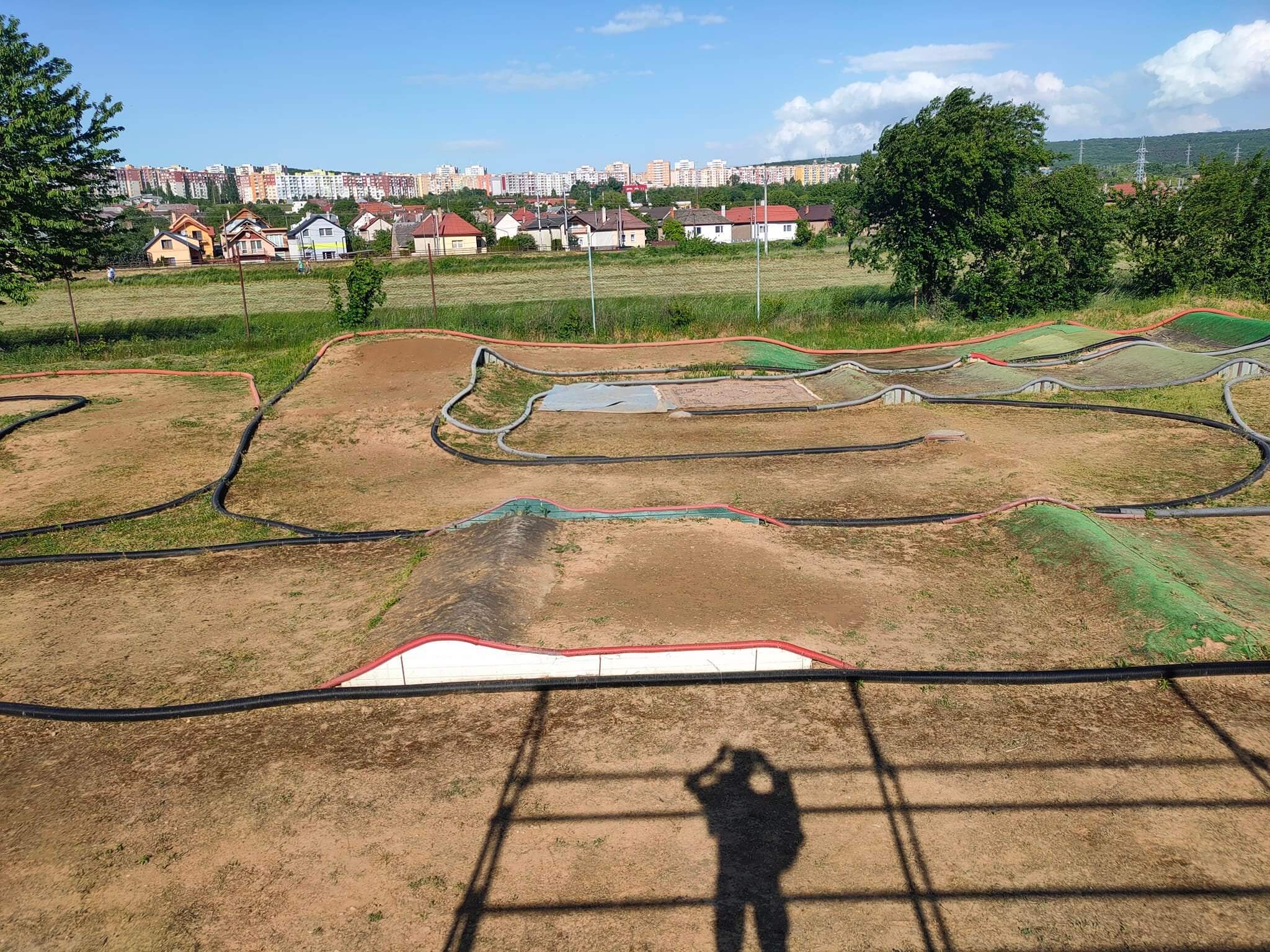
| Outdoor Dirt / Loam | Loose soil, dust, rocks, and changing traction levels throughout the day. | Pin-style or bar-tread tires (e.g., M3 or SCompound multi-pins). | Graded periodically; affected by weather conditions. |
| AstroTurf / Carpet | Extremely high grip, abrasive on tires, predictable handling, fast cornering speeds. | Specialized pin tires or mini-spike turf tires. | Requires leaf blowing and occasional seam repairs. |
Matching your tires to the track surface is the single most important factor in vehicle control. Showing up to a high-bite indoor clay track with loose-dirt paddle tires will result in an undriveable vehicle, while running slicks on an outdoor loose-dirt track will yield zero forward traction.
Understanding Track Rules, Fees, and Etiquette
Once you locate a track near you, familiarizing yourself with standard operational norms prevents friction with track operators and fellow racers. Most permanent facilities operate on a membership or day-fee system to cover insurance, water bills, and grading equipment.
Fees and Access
- Day Passes: Typically range from $10 to $25 depending on the facility size and amenities (such as power outlets and compressed air).
- Memberships: Annual or monthly memberships often reduce session costs and grant voting rights in club decisions.
- Practice vs. Race Days: Check schedules before arriving. Many tracks close the track layout to casual practice hours on Saturdays or Sundays to run structured racing programs.
Essential Track Etiquette
- Never Walk on the Track: If your vehicle flips or breaks down during open practice, wait for a clear gap in traffic or ask a nearby driver to watch your car while you retrieve it. Do not wander onto an active racing surface.
- Marshal Your Area: On race days, participating drivers are typically required to marshal (flip over crashed cars) during the subsequent heat. Fulfilling this duty is mandatory and keeps the racing program moving efficiently.
- Frequency and Electronics Control: While modern 2.4GHz radio systems have largely eliminated crystal frequency conflicts, ensure your fail-safe is operational and your battery voltage is stable before hitting the track.
Alternative Options: Finding Basher Spots When Tracks are Unavailable
If your search reveals no dedicated off-road RC tracks within a reasonable driving distance, you may need to look for alternative locations to run your vehicle safely and legally.
- BMX Tracks: Many municipal BMX bicycle tracks permit RC cars when bicycles are not present, though you should always check local park ordinances and avoid damaging jumps with heavy 1/8-scale buggies.
- Construction and Industrial Lots: Always secure permission from property owners to avoid trespassing citations.
- School Athletic Fields (Perimeters): Running on packed dirt paths around sports complexes can provide ample room for speed runs, provided you steer clear of manicured turf.
Summary Checklist for Your First Track Visit
To maximize your initial experience at a new off-road RC track, review this quick preparation checklist:
- Confirm operating hours and whether open practice is allowed on your chosen day.
- Pack a fully charged starter box, LiPo batteries, a lipo safe charging bag, and a basic tool kit.
- Bring track-appropriate tires and spare parts prone to impact damage (suspension arms, turnbuckles).
- Pack folding chairs, a portable pop-up canopy for shade, and bottled water, as many outdoor tracks lack built-in seating or cover.
- Introduce yourself to the race director or track owner upon arrival to get acquainted with local driver stand rules and frequency protocols.
Frequently Asked Questions
How much does it cost to practice at a local RC track?
Most tracks charge a daily track fee ranging from $10 to $25, which goes toward facility maintenance, water systems, and insurance. Some locations offer monthly or yearly memberships that significantly lower the per-visit cost if you plan to run frequently.
Do I need a racing license to drive on a local track?
For casual open practice, a racing license is rarely required. However, if you plan to enter official club races or regional points series, tracks often require a membership with sanctioning bodies such as ROAR (Radio Control Auto Racing) to cover liability insurance and standardized class rule enforcement.
What should I bring for my first day at an RC track?
Bring your RC vehicle, a reliable transmitter with fresh or fully charged batteries, spare battery packs, a basic set of metric hex drivers, spare tires suited to the track surface, a folding chair, and plenty of water. Access to AC power for battery chargers varies by facility, so carrying a portable generator or a DC power supply hooked to a deep-cycle battery is often recommended for outdoor tracks.
Can I run a nitro RC car at any off-road track?
No. While many outdoor dirt tracks accommodate nitro and gas-powered vehicles, many indoor clay facilities strictly prohibit internal combustion engines due to indoor air quality, exhaust fumes, and noise ordinances. Always verify engine restrictions on the track's website before arriving with a nitro setup.
How do I know which tire compound to buy for a new track?
The best approach is to call the local hobby shop or check the track's active social media page before purchasing tires. Track conditions change daily based on moisture levels, and local regulars can instantly tell you whether pin tires, bar treads, or clay slicks are currently hooking up on the layout.
What is driver stand etiquette?
When standing on the elevated driver's stand, keep conversation respectful and focused on calling out blind spots or marshaling needs. Avoid leaning excessively over the railing, keep your transmitter antenna pointed safely away from others, and always step down promptly once your heat or practice session concludes.
Image Gallery