Finding and Evaluating Attorneys Through the Justia Lawyer Directory in 2026
Justia Lawyers functions as a comprehensive digital directory designed to bridge the gap between individuals seeking legal representation and qualified attorneys across the United States. By providing granular search filters, public pr...
Justia Lawyers functions as a comprehensive digital directory designed to bridge the gap between individuals seeking legal representation and qualified attorneys across the United States. By providing granular search filters, public profiles, and integrated legal resources, the platform allows users to assess practitioner credentials, disciplinary histories, and practice areas to make informed hiring decisions for their specific legal requirements.
Contents
Understanding the Role of Justia in Legal Search
The legal services market is highly fragmented, making it difficult for the average consumer to distinguish between marketing noise and verified professional competence. Justia differentiates itself by coupling its lawyer directory with an extensive repository of free case law, codes, and regulations. This dual-purpose structure serves both legal professionals and the public, creating a high-trust environment where profiles are often cross-referenced with public court records and state bar association data.
When you utilize this directory in 2026, you are not merely viewing a list of advertisements. You are accessing a standardized data set that includes information on bar admission, legal publications, professional memberships, and frequently, peer endorsements. This transparency is critical for users who need to verify that an attorney is not only active in their state but also holds specific experience in the nuance of their legal issue, whether it involves personal injury, intellectual property, or family law.
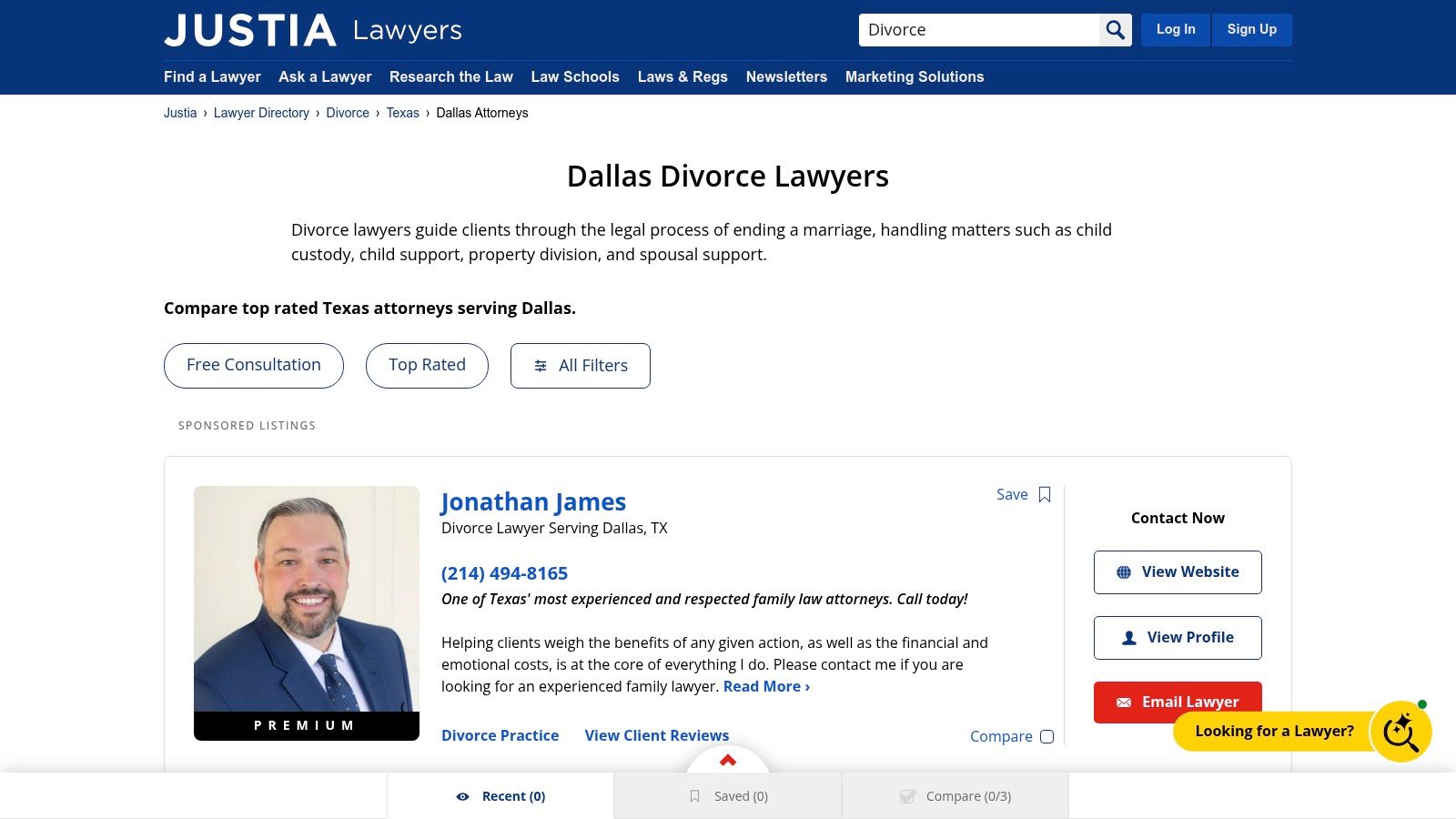
Strategic Filtering for Precise Legal Representation
The effectiveness of your search on Justia depends heavily on the parameters you set. To maximize the utility of the platform, you must move beyond generic search terms and utilize the advanced filtering architecture.
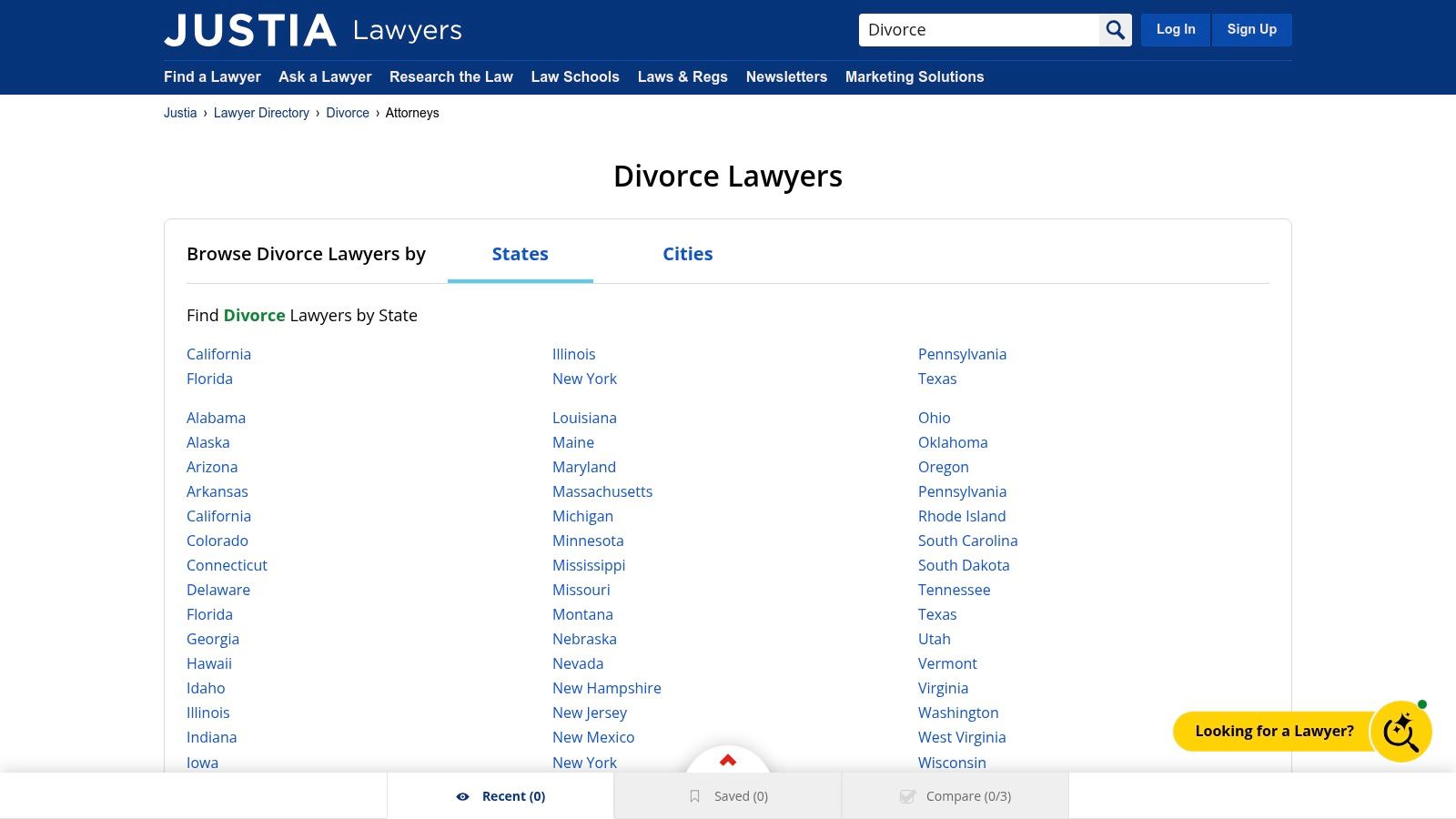
- Geographic Precision: Always filter by your specific city or county. State-wide lists are often too broad and may include practitioners who do not regularly appear in the local courts where your case will be heard.
- Practice Area Specialization: Legal practice is increasingly specialized. A general practitioner may be sufficient for basic document drafting, but complex litigation requires a specialist with a deep understanding of local statutes and recent judicial rulings.
- Peer Endorsements: Review the endorsement section of a profile. High-quality attorneys are frequently recognized by their peers; this serves as a third-party validation of their professional standing.
- Disciplinary Status: Ensure the profile is linked to the official state bar record. In 2026, users should cross-verify any major credentials found on the platform against their state’s official lawyer search portal to ensure no disciplinary actions are pending or active.
Comparative Framework: Evaluating Legal Profiles
When vetting multiple candidates found on the directory, utilize a systematic comparison approach. The following table illustrates the key criteria for assessing potential legal counsel.
| Evaluation Criterion | What to Look For | Importance Level |
|---|---|---|
| Bar Admission | Current and active status in the relevant jurisdiction. | Critical |
| Practice Focus | Documented experience in cases similar to yours. | High |
| Professional Recognition | Awards, peer reviews, or leadership in bar associations. | Medium |
| Public Profiles | Updated contact info, website links, and published articles. | High |
| Disciplinary History | A clean record of professional conduct. | Critical |
How to Effectively Initiate Contact
Once you have identified a short list of potential attorneys, the next phase is professional engagement. The platform provides direct contact forms, but there are standard industry protocols to ensure your inquiry is taken seriously by high-demand firms.
- Be Concise: When submitting an inquiry, provide a brief summary of the legal issue without disclosing sensitive, privileged information until a formal attorney-client relationship is established.
- Identify the Venue: Mention the county or specific court where the issue is located. This allows the firm to immediately assess conflict of interest and jurisdictional capabilities.
- Clarify Urgency: If you have an upcoming court date or a statute of limitations deadline, state this clearly. Time-sensitive cases often require immediate internal escalation within a law firm.
- Document Management: Prepare a list of relevant documents you have on hand. Lawyers appreciate clients who come prepared with organized facts and timelines, as it reduces the time spent on initial intake.
Navigating Legal Costs and Fee Structures
Understanding how an attorney charges for their services is a mandatory step in the hiring process. Most professionals listed on Justia will provide their fee structure during the initial consultation.
Standard Fee Arrangements
Hourly Billing This is the most common model for complex litigation and corporate law, where time is billed in increments based on the attorney's standard rate.
Contingency Fees Often utilized in personal injury or civil rights cases, where the attorney's fee is a percentage of the settlement or court award. If you do not win, the fee is generally waived.
Flat Fee Common for routine services such as drafting a will, standard business incorporation, or simple uncontested divorces.
Retainer Agreements An upfront payment used to secure the attorney's services, which is then drawn down as work is performed.
Common Pitfalls During the Selection Process
Even with high-quality data, users often make errors that hinder their case. Avoiding these common mistakes will save time and improve the quality of representation you receive.
- Ignoring Local Experience: Hiring a high-profile attorney from a different state who lacks admission or local courtroom knowledge is a common failure point. Always prioritize local counsel for litigation.
- Overlooking Communication Style: An attorney might be highly credentialed but incompatible with your communication needs. During the consultation, assess whether they explain complex legal strategies in a way you understand.
- Failing to Discuss Goals: If your goal is a quick settlement but your lawyer is a trial specialist who prefers aggressive litigation, you will face friction. Ensure your objectives align with the attorney's standard practice style.
Frequently Asked Questions
Does a listing on Justia guarantee an attorney is qualified for my specific case? No, a directory listing indicates that the attorney is a member of the bar and has a profile on the platform, but it does not serve as a guarantee of outcome or specific competency. You must conduct your own due diligence, including checking state bar records and scheduling a consultation.
How often is the data on Justia updated? Justia makes significant efforts to keep data current; however, in 2026, individual lawyer profiles are managed by the attorneys themselves or synced with public data. Always verify the current status of an attorney's license directly through your state's Supreme Court or Bar Association website.
Can I trust the reviews and endorsements on the profile? Reviews and endorsements provide anecdotal evidence of an attorney's reputation. While they are useful, they should be considered alongside objective data such as case results, years of experience, and official disciplinary records.
What is the difference between a Law Firm profile and an individual lawyer profile? A law firm profile provides an overview of the firm’s collective experience and practice areas, while an individual profile focuses on the specific credentials, bar admissions, and professional history of one attorney. For complex cases, it is often useful to review both.
How do I confirm if an attorney is in good standing? While you can view information on the directory, the only absolute way to confirm an attorney's current good standing is to visit the official website of the state bar association where the attorney is licensed to practice.
Professional Recommendation
If you are currently facing a legal matter, use the search tools to create a shortlist of three to five attorneys who specialize in your specific area of law and practice within your immediate jurisdiction. Conduct a background check through the relevant state bar website to confirm they are in good standing, then reach out to each to schedule a consultation. Ask specifically about their experience with similar cases, their fee structure, and their assessment of your legal position. Engaging with a firm that is transparent about both their expertise and their costs is the most effective way to secure high-quality legal representation in 2026.
Image Gallery