Mastering Your Licensing Exam with Online Practice Exams for Life and Accident Insurance
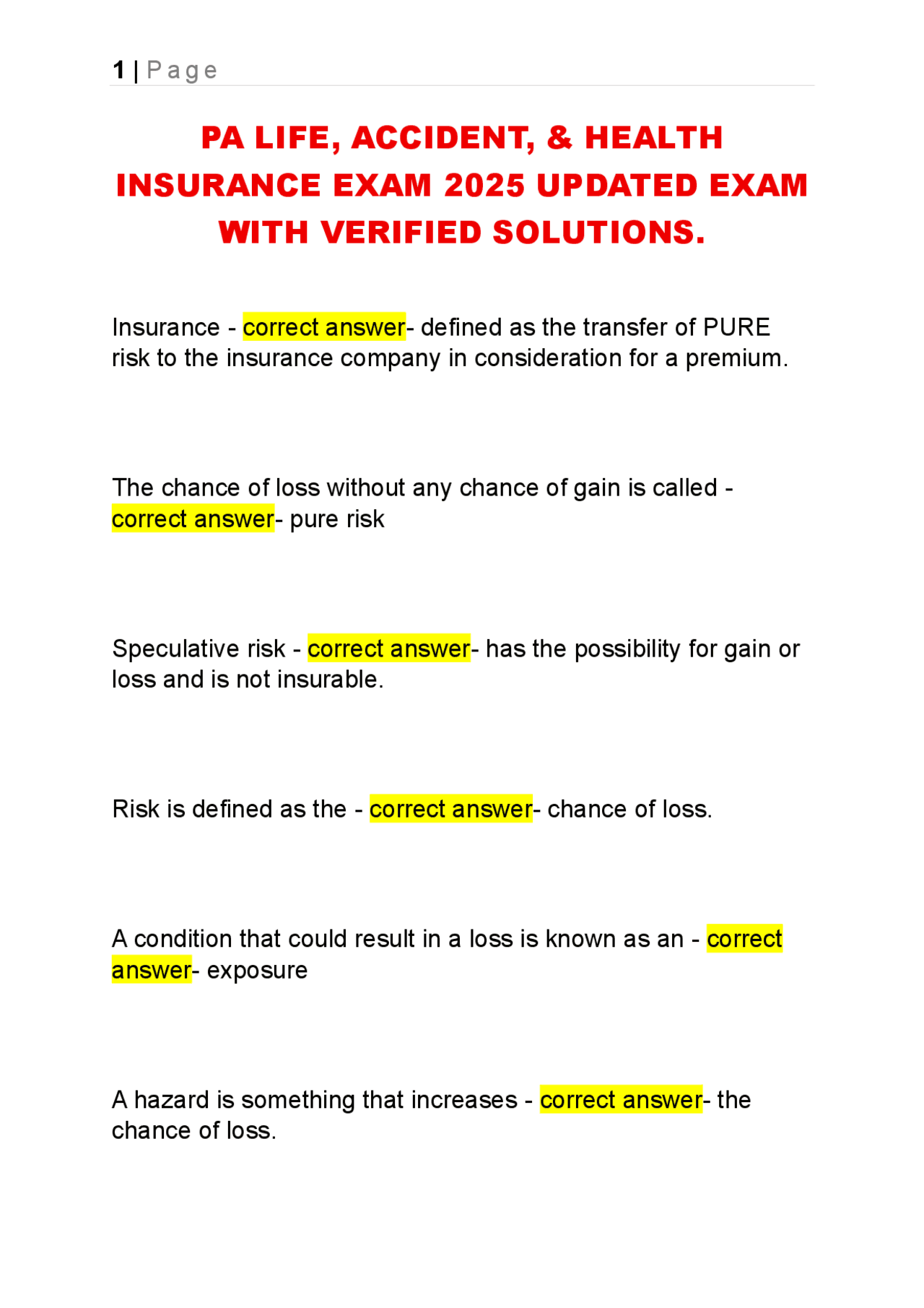
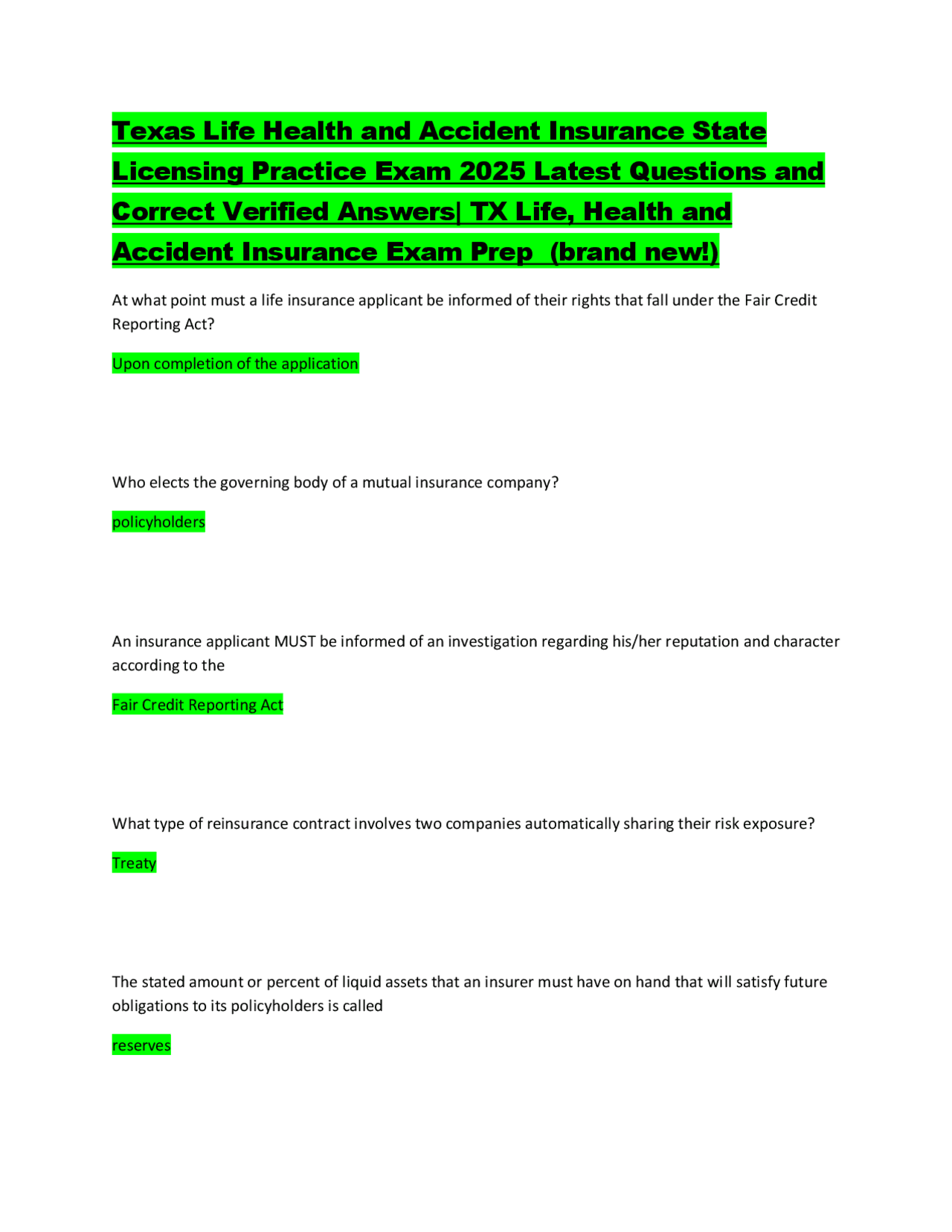
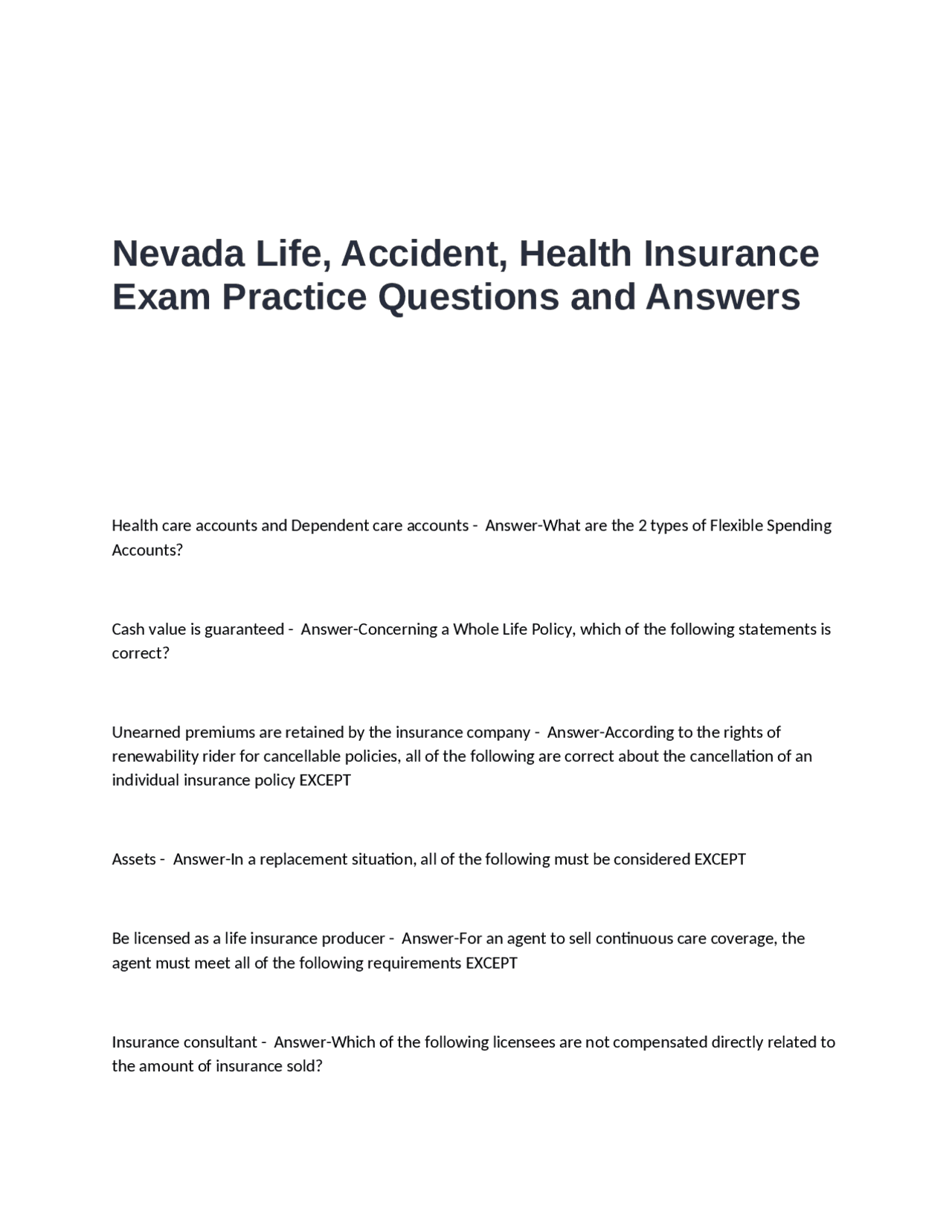
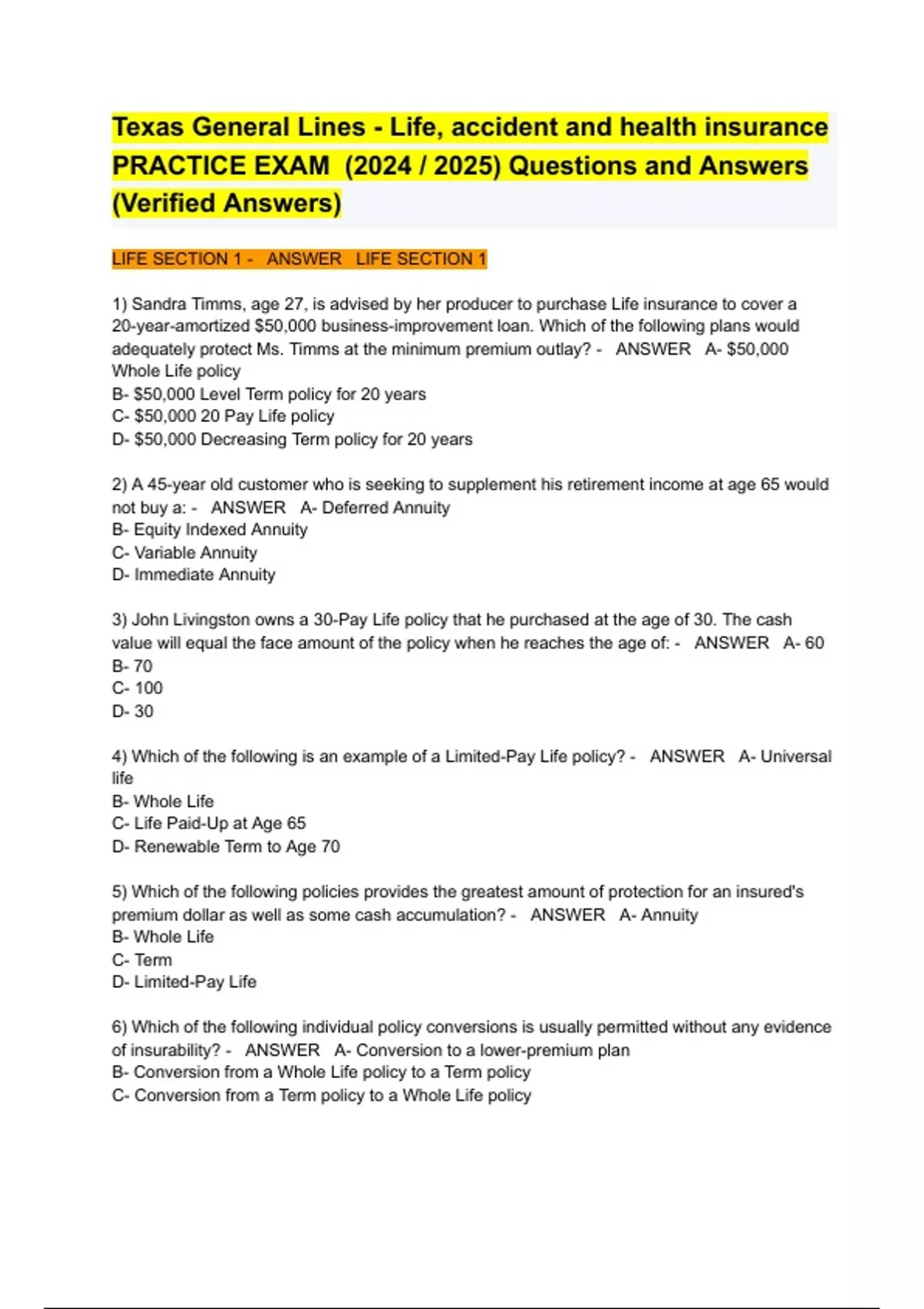
Online practice exams for life and accident insurance are specialized study tools designed to simulate the official state licensing environment. These platforms provide candidates with thousands of updated questions, detailed rationale...
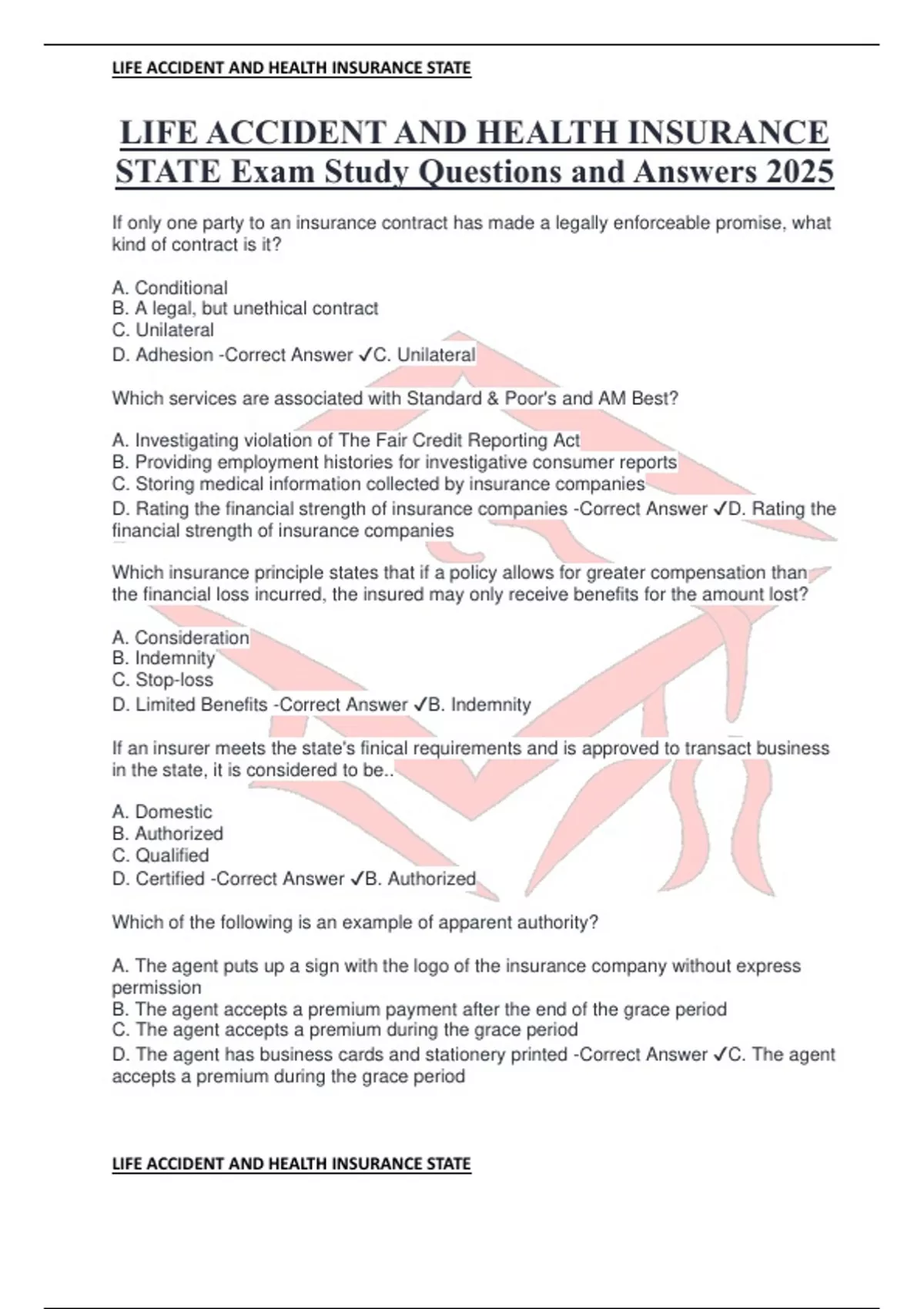
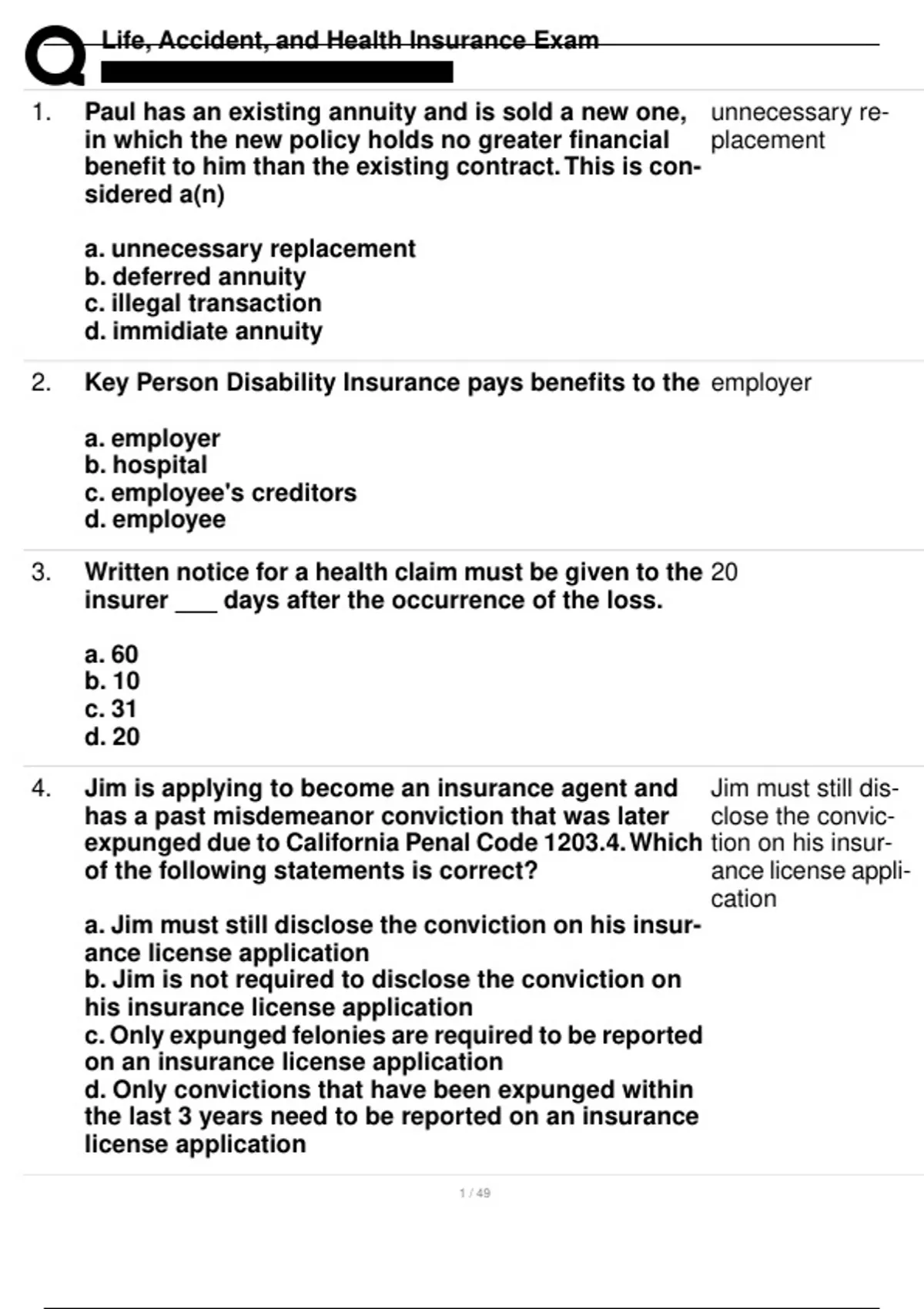
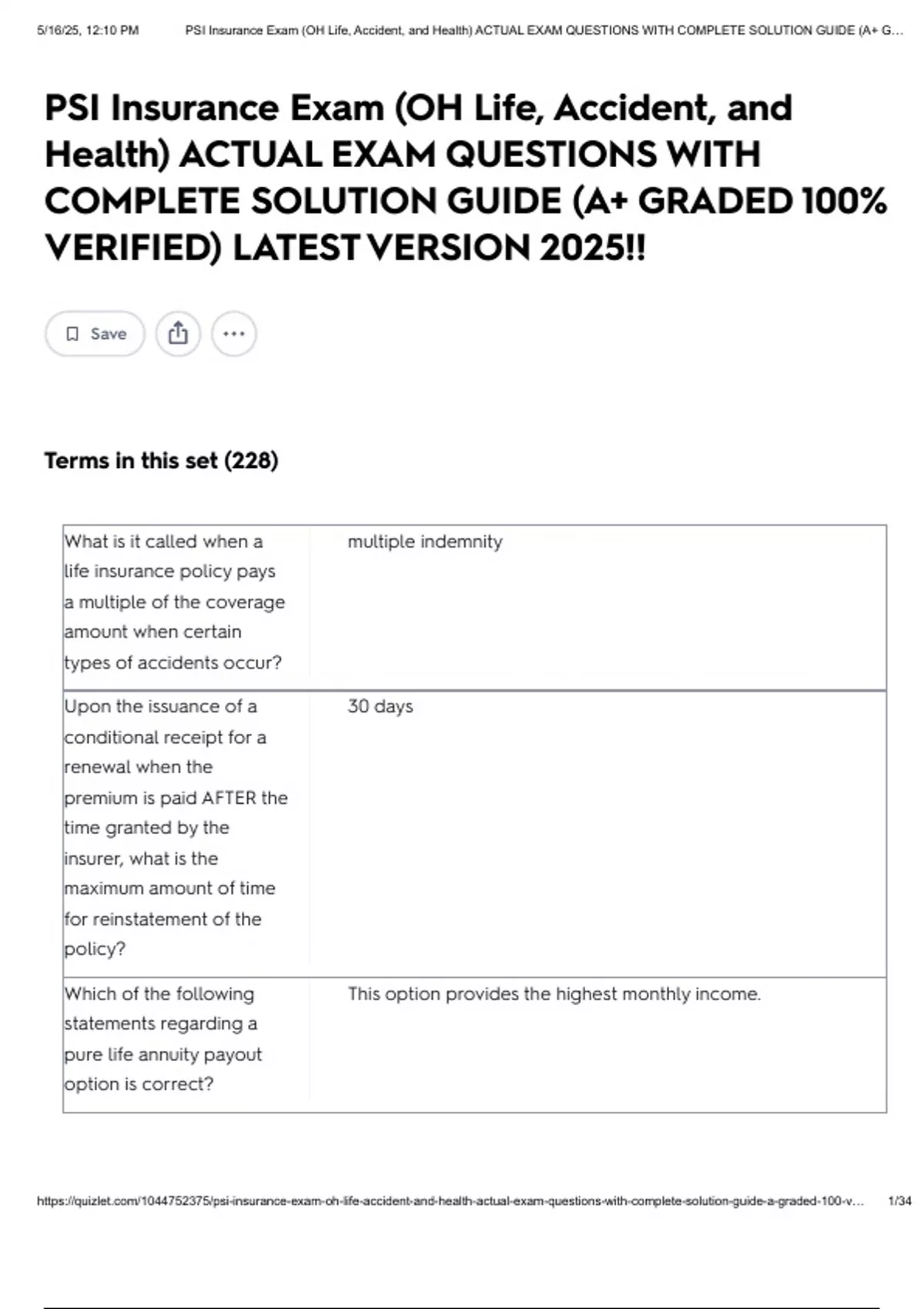
Online practice exams for life and accident insurance are specialized study tools designed to simulate the official state licensing environment. These platforms provide candidates with thousands of updated questions, detailed rationales, and timed simulations that mirror the structure of proctored exams. By using these tools, aspiring agents can identify knowledge gaps, master complex policy provisions, and build the testing stamina required to pass their state-specific licensing requirements on the first attempt.
Contents
In 2026, the pathway to becoming a licensed insurance professional remains rigorous, requiring a deep understanding of both national insurance principles and specific state statutes. Whether you are pursuing a Life-only line of authority or a combined Life, Accident, and Health license, the sheer volume of information can be overwhelming. Online practice exams serve as the bridge between theoretical knowledge and practical application, transforming dense textbooks into manageable, actionable insights.
The Strategic Importance of Simulated Testing
The primary hurdle for most candidates is not a lack of effort, but a lack of familiarity with the testing format. Most state insurance exams are administered by third-party testing vendors such as Pearson VUE, Prometric, or PSI Services. These exams are strictly timed and often use "distractor" answers—options that look correct but are technically inaccurate based on the specific wording of the question.
Online practice exams are essential because they replicate the computerized interface you will encounter at the testing center. This psychological preparation helps reduce "test anxiety," allowing your brain to focus on the content rather than the mechanics of the software. Furthermore, high-quality practice platforms utilize adaptive learning technology. This means the software tracks your performance and prioritizes questions in your "weak" areas, such as annuities or disability income riders, ensuring your study time is optimized for maximum score improvement.
Core Content Areas Covered in Life and Accident Insurance Exams
While every state has its own specific content outline, the National Association of Insurance Commissioners (NAIC) provides a framework that most jurisdictions follow. Online practice exams are typically divided into two main categories: Life Insurance and Accident and Health Insurance.
Life Insurance Fundamentals
Practice exams for the life insurance portion of the license focus heavily on the various types of policies and the legalities surrounding them. You can expect a significant number of questions regarding:
- Term vs. Permanent Insurance: Understanding the nuances between level term, decreasing term, and whole life products.
- Annuities: This is often a difficult section for students. Practice exams help clarify the differences between fixed, variable, and indexed annuities, as well as the phases of accumulation and distribution.
- Policy Provisions and Riders: Questions will test your knowledge of the "Incontestable Clause," "Suicide Clause," and optional riders like the "Waiver of Premium" or "Accidental Death Benefit."
- Taxation and Qualified Plans: Practice tests simulate questions on the tax treatment of premiums and proceeds, as well as the rules governing IRAs and 401(k)s.
Accident and Health Insurance Fundamentals
The accident and health (often referred to as disability or medical) portion covers the complexities of the modern healthcare system. Practice exams delve into:
- Medical Expense Plans: Distinguishing between HMOs, PPOs, and Point-of-Service plans.
- Disability Income Insurance: Mastering the definition of "total disability" (own-occ vs. any-occ) and the mechanics of elimination periods.
- Medicare and Medicaid: Understanding the different "Parts" of Medicare (A, B, C, and D) and the eligibility requirements for state-funded programs.
- Long-Term Care (LTC): Focusing on the triggers for benefits, such as Activities of Daily Living (ADLs) or cognitive impairment.
Features of High-Quality Online Practice Tools
Not all practice exams are created equal. In 2026, the most effective tools go beyond simple multiple-choice questions. When selecting a provider, such as ExamFX, Kaplan Financial Education, or A.D. Banker, look for the following technical features:
1. Robust Question Banks (Q-Banks)
A superior provider offers a database of at least 1,500 to 2,000 unique questions. This variety prevents you from accidentally memorizing the order of answers rather than the concepts themselves. The questions should be updated to reflect the current 2026 legislative environment and state-specific law changes.
2. Comprehensive Rationales
The most valuable part of a practice exam is not the score, but the explanation provided after you answer a question. "Rationales" explain why the correct answer is right and—just as importantly—why the distractors are wrong. This reinforces the "Why" behind the insurance law, which is crucial for answering differently phrased questions on the real exam.
3. State-Specific Customization
Insurance is regulated at the state level, not the federal level. Therefore, a generic "National" practice test is insufficient. High-quality online tools allow you to select your specific state (e.g., Texas, California, New York) to ensure you are tested on local statutes, such as the specific number of days in a "Free Look" period or the unique licensing requirements for your jurisdiction.
4. Performance Analytics
Modern platforms provide a dashboard that breaks down your score by sub-topic. If you are scoring 90% on "General Insurance Principles" but only 55% on "Group Life Insurance," the analytics will tell you exactly where to focus your remaining study hours.
Provider Comparison Table
Choosing the right platform depends on your learning style and budget. The table below compares the leading providers of online practice exams for 2026.
| Provider | Primary Strength | Question Format | Best For |
|---|---|---|---|
| ExamFX | Integration with pre-licensing courses | Simulated "State" exams | Corporate trainees and beginners |
| Kaplan | Extensive "Q-Bank" customization | Topical quizzes and full mocks | Students who want deep drill-down capability |
| A.D. Banker | Visual aids and clear rationales | Interactive practice sets | Visual learners and career changers |
| CompuCram | All-in-one "Exam Readiness" score | Dynamic, adaptive testing | Quick review and final-week prep |
| Pocket Prep | Mobile accessibility/App-based | Short, on-the-go bursts | Busy professionals studying in increments |
Effective Study Strategies Using Practice Exams
Simply taking practice exams repeatedly is not the most efficient way to learn. To maximize the utility of these online tools, follow a structured methodology:
- The Baseline Assessment: Take one full-length practice exam before you start studying your textbook. This may be frustrating, but it establishes a baseline and shows you which concepts you already intuitively understand.
- Topical Mastery: Instead of taking full exams every day, break your study into blocks. Spend one day only on "Life Insurance Policy Riders." Use the practice tool to generate a 25-question quiz specifically on that topic. Do not move to the next topic until you consistently score above 80%.
- The "70-80% Rule": Aim to score consistently between 80% and 85% on your online practice exams. Most state exams require a 70% to pass. By aiming for a higher "buffer" during practice, you account for the added pressure and the possibility of encountering unfamiliar phrasing on the actual test day.
- Review Every Rationale: Even if you answer a question correctly, read the rationale. You might have guessed correctly for the wrong reason. Understanding the logic ensures that a slight change in the question's wording won't trip you up later.
- Simulate the Real Environment: In the final week before your exam, take at least two full-length, timed simulations. Sit in a quiet room, do not use your phone, and do not look at your notes. This builds the mental endurance needed for a two-to-three-hour proctored session.
Common Pitfalls to Avoid
Many candidates fail the insurance exam because they misuse practice tools. Avoid the "Memorization Trap." If you take the same 50-question quiz five times in a row, you will eventually score 100%, but it is likely because you recognized the pattern of the questions, not because you mastered the insurance concepts. If you find yourself recognizing questions, it is time to switch to a different set of questions or a different provider.
Another common mistake is neglecting the State Law portion. Many students focus so heavily on the national concepts (how a policy works) that they fail to learn the specific administrative rules of their state (how an agent must behave). Online practice exams often separate these into "General" and "State" sections; ensure you are giving equal weight to both.
Legal and Regulatory Context
Insurance licensing is governed by state departments of insurance (DOI). While practice exams are excellent preparatory tools, they do not replace the mandatory pre-licensing education hours required by many states. Ensure that your chosen practice exam provider is aligned with the current year's (2026) standards set by your state’s DOI. You can verify the current exam content outlines by visiting official sites like The National Association of Insurance Commissioners (NAIC) or your specific state's Department of Insurance website.
Note: This article is for educational purposes and does not constitute legal or financial advice. Requirements for licensing vary by jurisdiction.
Frequently Asked Questions
Are online practice exams harder than the actual state exam?
In many cases, yes. Leading providers like Kaplan and ExamFX intentionally design their practice questions to be slightly more complex than the actual state exam. This "over-training" ensures that the real test feels manageable. If you are consistently scoring in the 80s on a reputable practice platform, you are likely well-prepared for the state exam.
Can I take the official life and accident insurance exam online?
As of 2026, most states allow for "Remote Proctored" exams, where you can take the official test from your home computer using a webcam and specialized security software. However, the practice exams you buy for study are separate from this. Taking a practice exam online is for study purposes only and does not count as your official state attempt.
How many practice questions should I complete before the exam?
While there is no magic number, successful candidates typically complete between 800 and 1,200 unique practice questions. This volume usually covers all permutations of the core concepts and ensures you have seen the "state law" variations multiple times.
What happens if I fail my practice exams but need to take the real test?
If you are consistently scoring below 70% on practice exams, it is strongly recommended that you reschedule your official state exam. The cost of rescheduling is typically lower than the cost of failing and paying for a full retake. Use the analytics in your practice tool to identify your weakest areas and return to your primary study materials for those specific chapters.
Do online practice exams cover the "Suitability" and "Ethics" sections?
Yes. Modern insurance exams place a heavy emphasis on "Suitability"—ensuring the agent recommends a product that fits the client's financial needs. Online practice tools include specific modules on ethics, unfair trade practices, and the NAIC Model Laws to ensure you understand your fiduciary responsibilities as an agent.
Final Recommendation
To ensure success, do not rely on a single source of information. Use a comprehensive pre-licensing textbook for your initial learning, and then transition to a high-quality online practice exam platform for at least two weeks of intensive testing. Focus on understanding the rationales rather than memorizing the answers. By treating every practice session as a dress rehearsal for the real exam, you will enter the testing center with the confidence and knowledge needed to launch your career in the insurance industry.
Image Gallery