The Miracle on the Hudson: A Technical and Human Analysis of US Airways Flight 1549
On January 15, 2009, US Airways Flight 1549 became the subject of what is widely known as the "Miracle on the Hudson" after Captain Chesley "Sully" Sullenberger and First Officer Jeffrey Skiles successfully ditched an Airbus A320 in th...
On January 15, 2009, US Airways Flight 1549 became the subject of what is widely known as the "Miracle on the Hudson" after Captain Chesley "Sully" Sullenberger and First Officer Jeffrey Skiles successfully ditched an Airbus A320 in the Hudson River. Following a dual-engine failure caused by a bird strike shortly after takeoff from LaGuardia Airport, all 155 passengers and crew survived, marking the most successful emergency water landing in aviation history.
Contents
The Chronology of an Emergency
US Airways Flight 1549 was a scheduled commercial flight from New York City’s LaGuardia Airport (LGA) to Charlotte Douglas International Airport (CLT). The aircraft, an Airbus A320-214, took off at approximately 3:25 PM EST. The initial climb appeared routine until the aircraft reached an altitude of roughly 2,800 feet.
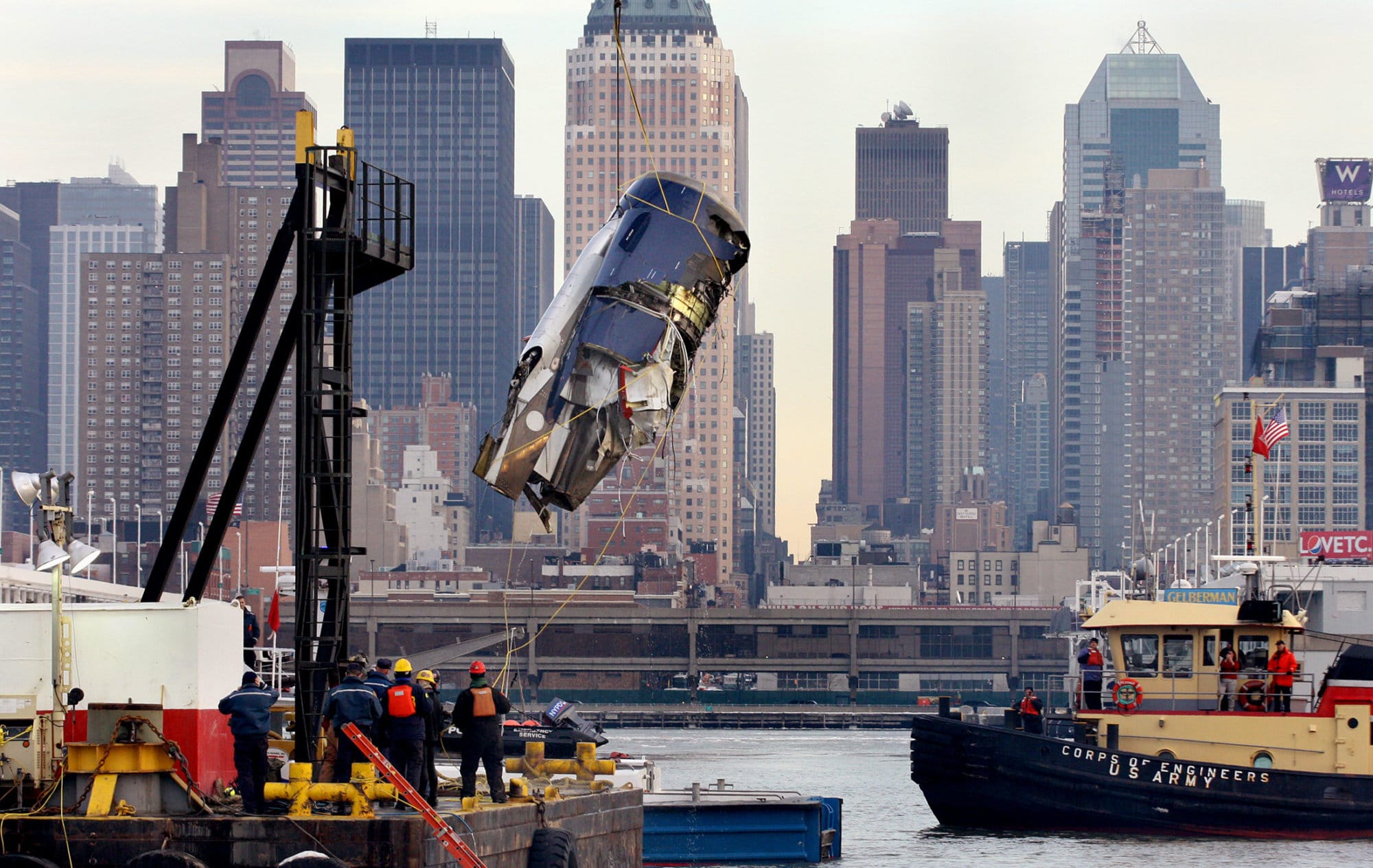
At 3:27 PM, the aircraft encountered a large flock of Canada geese. The birds were ingested into both CFM56-5B4 turbofan engines, causing an almost immediate and total loss of thrust. In a jet engine, the ingestion of heavy biological matter can lead to compressor stalls and internal structural damage, such as the snapping of fan blades. On Flight 1549, the damage was catastrophic enough that neither engine could be restarted despite the crew’s immediate attempts to follow the dual-engine failure checklist.
The decision-making window was exceptionally narrow. Captain Sullenberger took control of the aircraft while First Officer Skiles worked through the emergency procedures. Within seconds, it became clear that the aircraft lacked the altitude and airspeed to return to LaGuardia or reach the nearby Teterboro Airport in New Jersey. Sullenberger famously radioed air traffic control: "We’re gonna be in the Hudson."
Technical Analysis of the Airbus A320 Ditching
The successful ditching of a narrow-body jet is a rare engineering and piloting feat. Several technical factors contributed to the survival of the airframe upon impact with the water.
Flight Envelope Protection
The Airbus A320 utilizes a fly-by-wire (FBW) system. During the descent, the aircraft’s "Normal Law" flight protection helped Sullenberger maintain the optimal angle of attack. Specifically, the system’s alpha protection prevents the aircraft from stalling by limiting the pitch-up command. This allowed Sullenberger to pull back on the sidestick to flare the aircraft just above the water's surface without the risk of the plane "dropping" a wing or entering a deep stall.
The Ditching Push Button
The A320 is equipped with a "ditch switch" on the overhead panel. When activated, this command closes all openings below the flotation line, including the outflow valve, the emergency ram air inlet, and the avionics cooling ports. This is designed to slow the rate of water ingress. In the case of Flight 1549, the crew was so occupied with the immediate restart procedures and the forced landing that the switch was not activated until the very last moments, or in some reports, not at all. Despite this, the structural integrity of the fuselage remained largely intact, allowing the plane to float long enough for a full evacuation.
Impact Dynamics
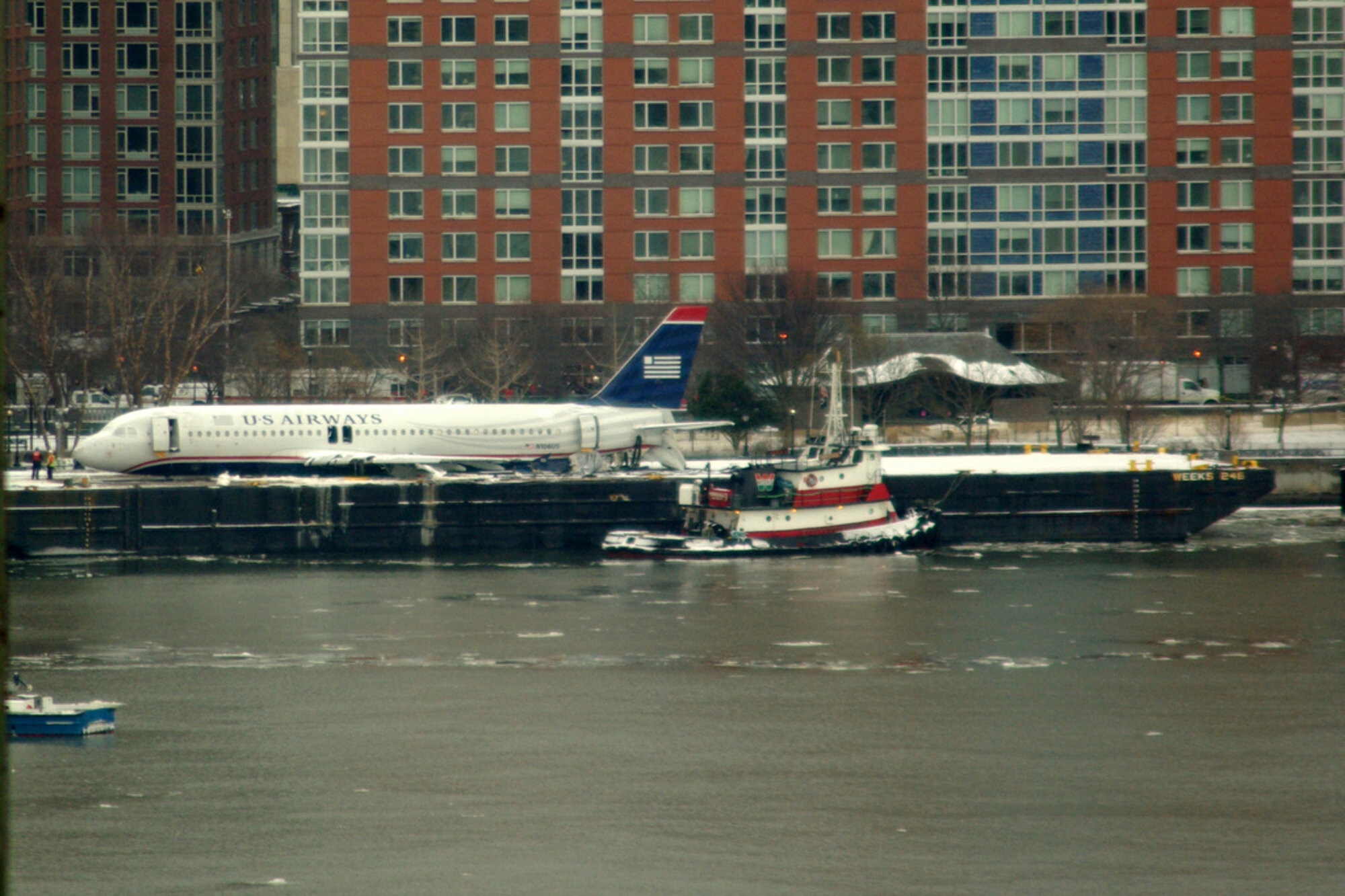
To survive a water landing, the aircraft must hit the water with the wings level and a slightly nose-high attitude. If a wingtip touches first, the aircraft can cartwheel and disintegrate. Sullenberger achieved a near-perfect descent rate and pitch, hitting the water at approximately 125 knots. While the rear of the aircraft sustained significant damage and began taking on water immediately, the cabin remained pressurized enough to prevent a rapid sink.
The Role of Crew Resource Management (CRM)
The survival of the 155 people on board was not solely a matter of piloting skill; it was a triumph of Crew Resource Management (CRM). CRM is a set of training procedures used in environments where human error can have devastating effects. It emphasizes communication, leadership, and decision-making.
Immediately following the bird strike, Sullenberger utilized the "I have aircraft" protocol, allowing Skiles to focus entirely on the Quick Reference Handbook (QRH). The QRH for a dual-engine failure was designed for high-altitude scenarios, assuming the pilots would have time to troubleshoot. At 2,800 feet, the crew had to adapt the checklist on the fly, prioritizing the most critical steps—namely, attempting an engine relight and preparing the cabin for impact.
The flight attendants also played a critical role. Upon the command "Brace for impact," they initiated the standardized bracing commands. Once the plane settled in the water, they managed an orderly evacuation through the over-wing exits and the forward slides, which acted as life rafts. Their ability to maintain calm prevented a stampede in the cabin, which was already beginning to flood from the rear.
Emergency Rescue and Recovery Operations
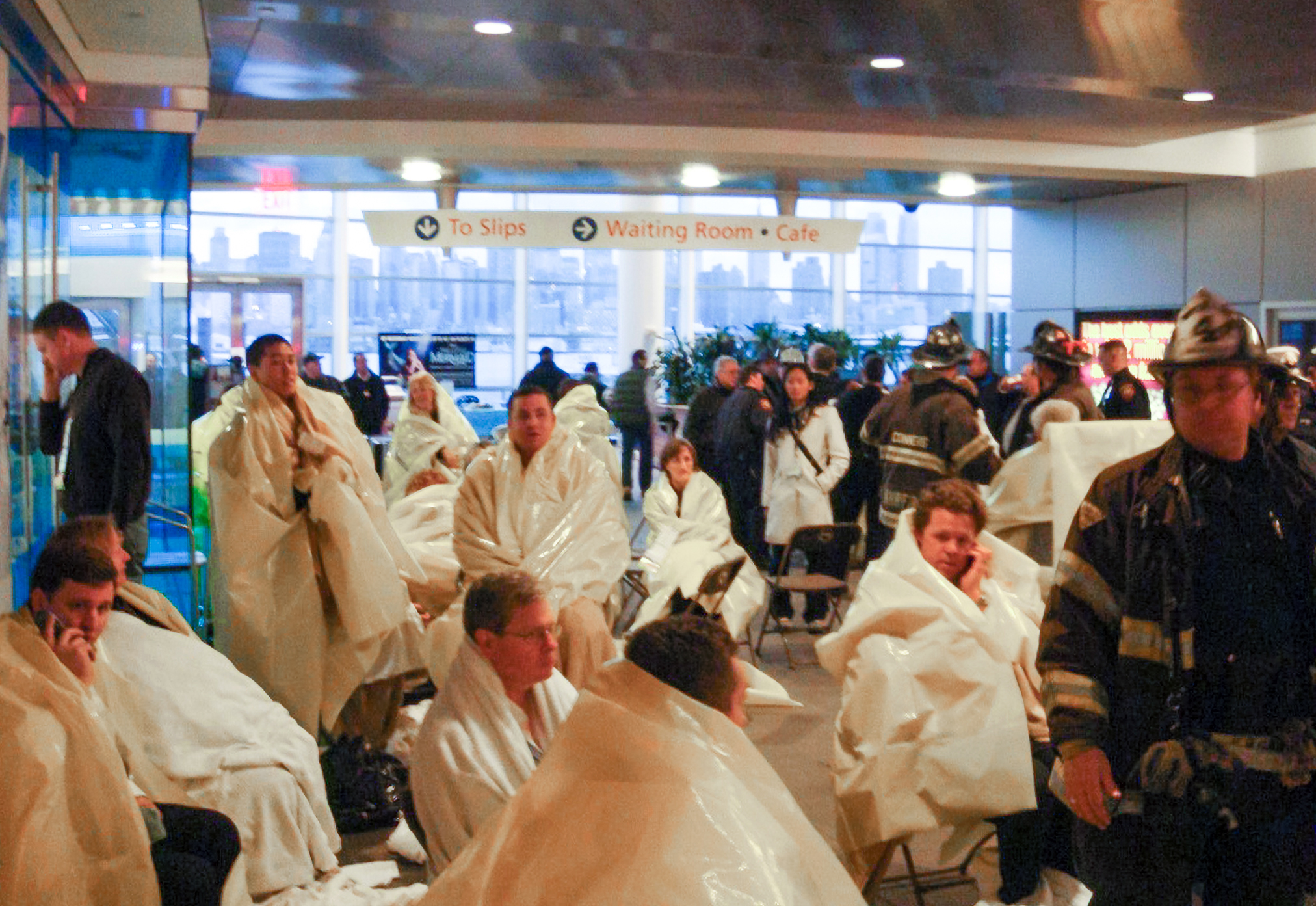
The Hudson River is a busy maritime corridor, which proved to be a decisive factor in the rescue. Within minutes of the ditching, local commuter ferries—specifically those operated by NY Waterway—arrived at the scene.
- NY Waterway Ferries: The Thomas Jefferson was the first vessel to reach the aircraft, arriving just four minutes after the ditching.
- NYPD and FDNY: Divers and rescue swimmers were deployed via helicopter and boat. The NYPD's SCUBA units were instrumental in retrieving passengers who had slipped into the frigid water.
- Environmental Factors: The water temperature was approximately 36°F (2°C), and the air temperature was 24°F (-4°C). Hypothermia was the most immediate threat to the survivors standing on the wings and in the inflatable slides.
The coordination between civilian vessels and emergency services is cited today as a model for urban disaster response. All passengers were off the wings and rafts within 24 minutes of the impact.
Comparative Data: Flight 1549 at a Glance
The following table summarizes the technical and operational data surrounding the event.
| Parameter | Specification / Detail |
|---|---|
| Aircraft Model | Airbus A320-214 (Registration N106US) |
| Engines | 2x CFM International CFM56-5B4 |
| Maximum Altitude Reached | ~3,060 feet (930 m) |
| Time from Bird Strike to Ditching | 208 seconds (approx. 3.5 minutes) |
| Water Temperature | 36.0 °F (2.2 °C) |
| Total Occupants | 155 (150 passengers, 5 crew) |
| Survival Rate | 100% |
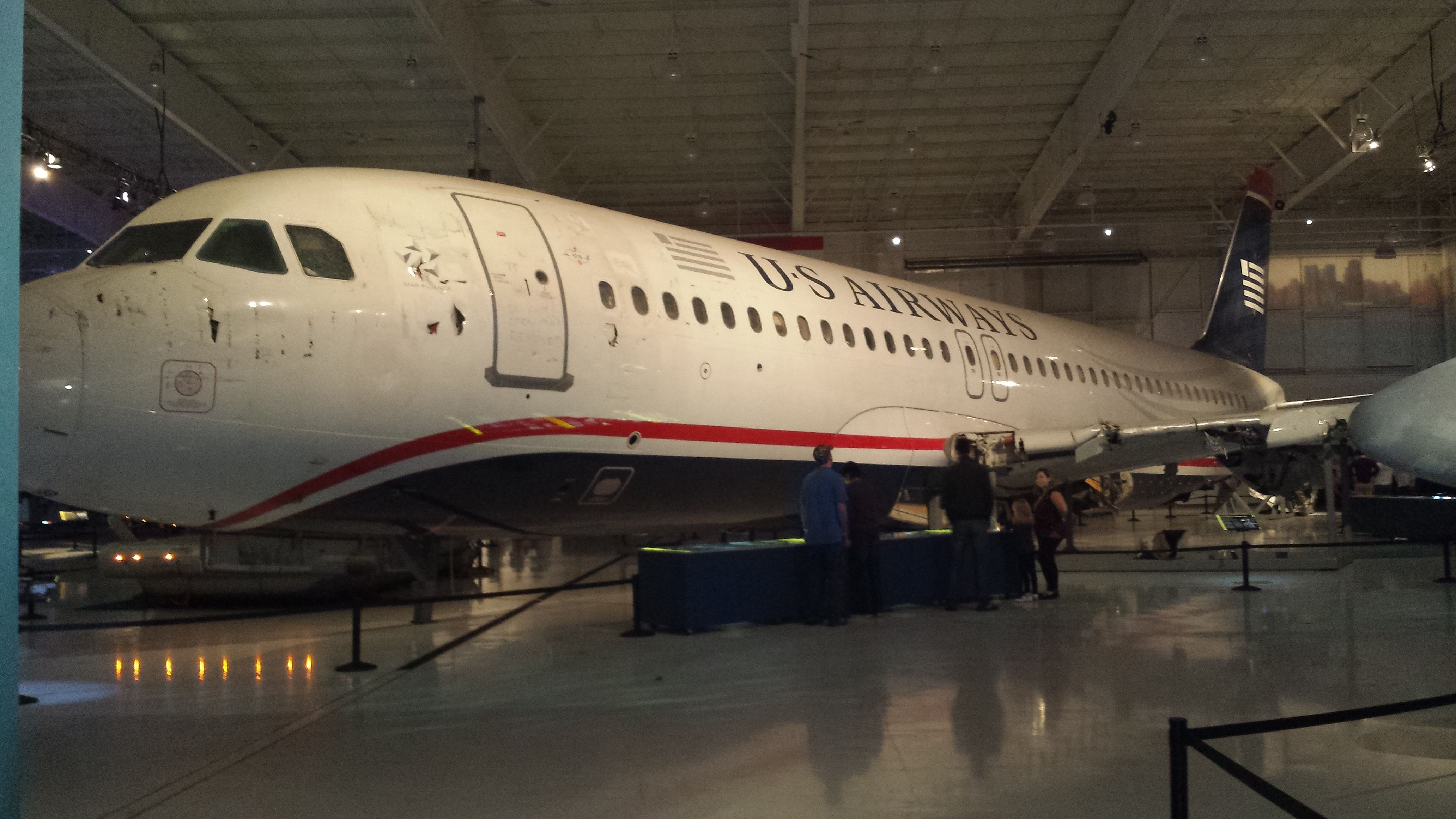
| Current Location of Aircraft | Sullenberger Aviation Museum, Charlotte, NC |
Safety Legacy and Regulatory Impact
In the years following the event, the National Transportation Safety Board (NTSB) issued several recommendations that have since reshaped aviation safety. As of 2026, these protocols are standard across the industry.
- Low-Altitude Engine Failure Training: Simulators now include scenarios specifically designed for dual-engine failures at low altitudes, where the "luxury of time" for checklists does not exist.
- Bird Ingestion Standards: The FAA and EASA updated certification standards for jet engines. Engines must now demonstrate the ability to withstand the ingestion of larger birds without catastrophic failure, or at least maintain enough "surge-free" power to allow for a safer return to an airfield.
- Life Vest Accessibility: The investigation found that many passengers struggled to retrieve life vests from under their seats. This led to a re-evaluation of cabin safety briefings and the ergonomic design of vest storage.
- Ditching Checklist Optimization: The A320's emergency checklists were reorganized to put the most critical "time-sensitive" items—like the ditching button and engine restart attempts—at the very beginning for low-altitude emergencies.
Frequently Asked Questions
Why couldn't Flight 1549 return to LaGuardia or land at Teterboro?
The NTSB conducted extensive flight simulations after the accident. While some simulations showed that a return to LaGuardia was theoretically possible, they required the pilot to turn immediately without a second of hesitation or analysis. In a real-world scenario, the "human factor" delay (the time needed to process the emergency) made a runway landing impossible. Sullenberger’s decision to use the river avoided the risk of a catastrophic crash into a densely populated area if the plane had fallen short of a runway.
How did the aircraft stay afloat for so long?
The Airbus A320 is designed with a semi-monocoque fuselage that is relatively airtight. Although the rear pressure bulkhead was breached upon impact, the wings and the fuel tanks (which were not full) provided significant buoyancy. The forward slides also acted as supplemental flotation devices, keeping the front of the aircraft higher in the water.
Where is the Flight 1549 aircraft today?
As of 2026, the airframe is the centerpiece of the Sullenberger Aviation Museum (formerly the Carolinas Aviation Museum) in Charlotte, North Carolina. It was transported there via truck in 2011 and remains preserved in its post-crash state, serving as an educational exhibit on aviation safety and the physics of the "Miracle on the Hudson."
Did the "Ditch Switch" actually work?
The NTSB report indicated that the ditching push button was not pressed by the crew during the descent, likely due to the extreme workload of the three-minute emergency. However, because the engines were the primary point of water ingress and the fuselage remained largely intact otherwise, the omission did not lead to a rapid sinking of the vessel.
What happened to the pilots after the event?
Captain Sullenberger retired from US Airways in 2010 and later served as the U.S. Ambassador to the International Civil Aviation Organization (ICAO). First Officer Jeffrey Skiles continued his career in aviation, eventually becoming a captain. Both have remained active advocates for pilot training and flight safety standards.
Final Observations for Aviation Professionals
The legacy of US Airways Flight 1549 is a reminder that technical mastery and human intuition must work in tandem. For pilots and safety officers in 2026, the event serves as the primary case study for Threat and Error Management (TEM). It proves that even when technology fails—as the engines did and the checklists almost did due to time constraints—a disciplined adherence to CRM and a deep understanding of an aircraft’s aerodynamic limits can prevent disaster.
Individuals interested in aviation safety should review the full NTSB Accident Report (AAR-10/03) to understand the granular details of the bird ingestion and the structural performance of the A320 during water impact.
Image Gallery