Mold Remediation Sawyer: Professional Standards and Restoration Guide
In 2026, mold remediation sawyer searches typically refer to the specialized environmental services provided by professional restoration firms like Sawyer Services or local experts specializing in high-standard microbial abatement. Eff...
In 2026, mold remediation sawyer searches typically refer to the specialized environmental services provided by professional restoration firms like Sawyer Services or local experts specializing in high-standard microbial abatement. Effective mold remediation requires a combination of moisture control, industrial-grade containment, and the removal of contaminated materials to restore indoor air quality to safe, baseline levels.
Contents
Mold growth is more than an aesthetic nuisance; it is a structural threat and a significant health hazard. For property owners looking into mold remediation sawyer services, the focus is often on high-reliability contractors who handle large-scale residential, commercial, or federal restoration projects. As we navigate the environmental challenges of 2026, where increased humidity levels and extreme weather events have made mold more prevalent, understanding the technical nuances of professional remediation is essential for protecting property value and occupant health.
The Scope of Professional Mold Remediation
Professional mold remediation is distinct from simple cleaning. While a homeowner might use bleach to scrub a bathroom tile, professional firms like Sawyer utilize the IICRC S520 Standard, which is the gold standard for professional mold remediation. This protocol emphasizes the physical removal of mold spores and the correction of the underlying moisture problem rather than simply "killing" the mold with chemicals.
Why "Sawyer" Standards Matter
The name Sawyer in the restoration industry is often associated with rigorous federal and commercial standards. These organizations operate under strict compliance with the Environmental Protection Agency (EPA) and the Occupational Safety and Health Administration (OSHA). When engaging in professional remediation, the goal is to move a structure from a "Condition 3" (actual mold growth) or "Condition 2" (settled spores) back to a "Condition 1" (normal fungal ecology).
The Technical Phases of Mold Remediation
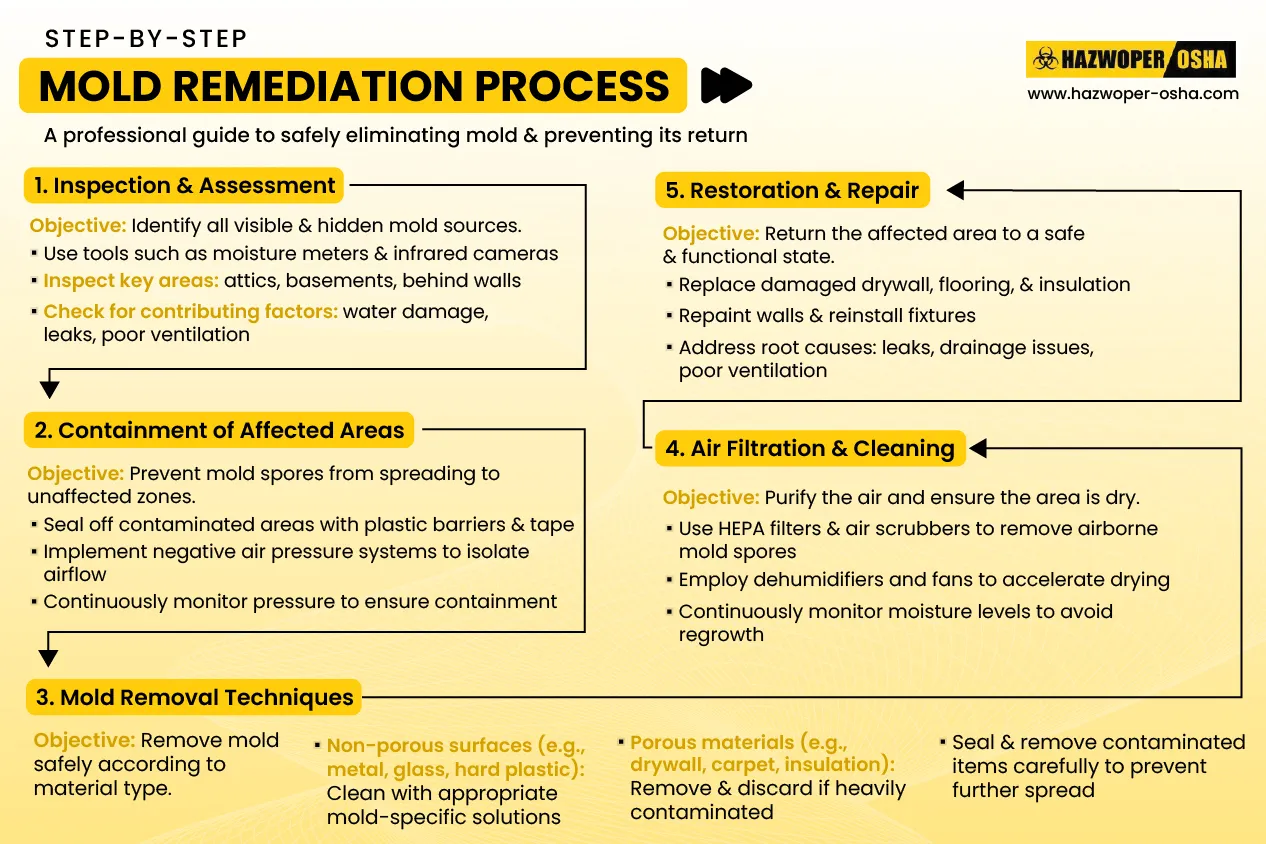
A comprehensive remediation project is a multi-step engineering process. It requires specialized equipment and a deep understanding of microbiology and building science.
1. Assessment and Inspection
Before a single piece of drywall is removed, a thorough assessment is required. This involves using infrared cameras to detect hidden moisture pockets behind walls and moisture meters to determine the "dry standard" of the building materials. In 2026, many lead firms use advanced laser-particle counters to measure the concentration of airborne particulates in real-time, providing a baseline for the remediation plan.
2. Containment and Pressure Management
One of the most critical aspects of professional remediation is preventing cross-contamination. If moldy materials are moved without containment, spores will become airborne and spread to unaffected areas of the building.
- Source Containment: Using 6-mil fire-retardant polyethylene sheeting to seal off the work area.
- Negative Air Pressure: Utilizing High-Efficiency Particulate Air (HEPA) air scrubbers to create a vacuum effect. This ensures that when the containment door is opened, air flows into the contaminated area, not out of it.
- Decontamination Chambers: For large-scale Sawyer-level projects, a multi-stage "airlock" or decontamination room is established for workers to change gear, ensuring no spores leave the site on clothing or tools.
3. HEPA Filtration and Air Scrubbing
Air scrubbers are the workhorses of the mold remediation industry. These machines pass the air through multiple filters, finishing with a HEPA filter that captures 99.97% of particles down to 0.3 microns. During a typical project, the air in the containment zone should be exchanged at least 4 to 6 times per hour.
4. Removal and Controlled Demolition
Porous materials that have significant mold growth—such as drywall, insulation, and carpeting—cannot be effectively cleaned. These must be removed. Professional technicians use "controlled demolition" techniques, such as misting the materials before removal to prevent dust and double-bagging all waste in 6-mil bags before it leaves the containment zone.
5. HEPA Vacuuming and Antimicrobial Cleaning
Once the moldy materials are removed, the remaining structural elements (like wood framing) undergo a "HEPA sandwich." This involves:
- HEPA vacuuming all surfaces.
- Damp wiping with an EPA-registered antimicrobial solution.
- A final HEPA vacuuming once the surfaces are dry.
2026 Technology in Mold Remediation
As of 2026, several advancements have streamlined the remediation process, making it faster and more effective.
- Dry Ice Blasting: For heavy mold growth on structural timber, dry ice blasting is now a preferred method. It uses CO2 pellets to "sandblast" the mold off without leaving behind secondary waste like sand or water.
- Enzymatic Cleaners: Traditional biocides are being replaced by advanced enzymatic cleaners that break down the proteins in mold spores, rendering them inert and non-allergenic.
- AI-Driven Moisture Monitoring: Smart sensors can now be embedded in walls during the restoration phase to provide long-term monitoring, alerting owners if moisture levels rise again.
Comparing Remediation Levels and Costs
The cost of mold remediation in 2026 varies significantly based on the square footage and the "Condition" of the environment.
| Service Level | Description | Estimated Cost (2026) | Typical Duration |
|---|---|---|---|
| Level 1: Localized | Under 10 sq. ft. of growth (e.g., under a sink). | $500 – $1,500 | 1 Day |
| Level 2: Moderate | 10–30 sq. ft. Requires containment but no airlocks. | $1,500 – $4,000 | 2–3 Days |
| Level 3: Significant | 30–100 sq. ft. Requires full containment and HEPA scrubbing. | $4,000 – $10,000 | 3–5 Days |
| Level 4: Industrial | Entire HVAC systems or structural contamination. | $10,000 – $30,000+ | 1–2 Weeks |
Note: These figures represent national averages for professional restoration firms; local pricing may vary based on regional labor rates and disposal fees.
Post-Remediation Verification (PRV)
A project is not considered complete until it passes Post-Remediation Verification, often called "clearance testing." To maintain transparency and avoid conflicts of interest, the PRV should be conducted by an independent third-party Industrial Hygienist or an Indoor Environmental Professional (IEP).
The PRV involves:
- Visual Inspection: Ensuring no visible mold or dust remains in the containment area.
- Moisture Testing: Verifying that all building materials have reached their "dry standard."
- Air Sampling: Taking air samples inside the containment and comparing them to outdoor "baseline" samples. The indoor spore count should be lower than or equal to the outdoor count, with no "target" molds (like Stachybotrys or Chaetomium) present.
Legal and Safety Compliance
In 2026, regulatory oversight of mold remediation has tightened. Property owners should ensure their contractor holds specific certifications:
- IICRC AMRT: Applied Microbial Remediation Technician.
- State Licensing: Many states now require specific mold licenses separate from general contracting licenses.
- Pollution Liability Insurance: Standard general liability often excludes mold; professional firms like Sawyer carry specific pollution or environmental coverage.
For more information on the health effects of mold, the Environmental Protection Agency (EPA) provides comprehensive resources on indoor air quality. Additionally, the IICRC offers detailed insights into the standards expected of professional restorers.
Common Mistakes to Avoid
When dealing with mold, certain "shortcuts" can lead to catastrophic failures and increased costs:
- Using Bleach on Wood: Bleach is mostly water. On porous surfaces like wood, the chlorine stays on the surface while the water soaks in, often feeding the mold roots (hyphae) and causing it to return stronger.
- Running Fans Before Containment: If you see mold, do not point a fan at it. This will aerosolize the spores and contaminate the entire property.
- Ignoring the Source: Remediation without fixing the leak is a temporary fix. Professional firms will always insist on identifying the water source before beginning work.
FAQs
How long does mold remediation typically take?
A standard residential project usually takes 3 to 5 days. This includes 24 to 48 hours of air scrubbing after the physical cleaning is finished to ensure all airborne particulates are captured before the containment is removed.
Is mold remediation covered by insurance?
In 2026, most standard homeowners' insurance policies have a "mold cap," often ranging from $5,000 to $10,000. Coverage usually only applies if the mold was caused by a "sudden and accidental" event, like a pipe burst. Mold resulting from long-term seepage or high humidity is often excluded.
Can I stay in my home during the process?
For Level 1 or 2 remediation, you can usually stay in the home. For Level 3 or 4, or if a member of the household has a compromised immune system or respiratory issues (like asthma), it is highly recommended to vacate the property until clearance testing is passed.
What is the difference between mold removal and mold remediation?
"Removal" is the physical act of taking out moldy material. "Remediation" is the comprehensive process that includes assessment, containment, removal, air filtration, and moisture control to ensure the problem does not recur.
Why is Stachybotrys (Black Mold) considered more dangerous?
While all molds can cause allergies, Stachybotrys chartarum is known for producing mycotoxins. These can cause more severe neurological and respiratory symptoms in certain individuals. Professional firms use extra precautions (Level 3+ containment) when this specific genus is identified.
Recommendation for Next Actions
If you suspect a mold issue, the first step is to stop the water source. Once the leak is contained, contact a certified professional for an inspection. If the area of growth is larger than 10 square feet (roughly a 3x3 foot patch), do not attempt to clean it yourself. Request a written remediation plan that references the IICRC S520 standards and ensure that a third-party clearance test is included in the project's final phase. Taking these steps in 2026 ensures your property remains safe, compliant, and structurally sound for years to come.
Image Gallery